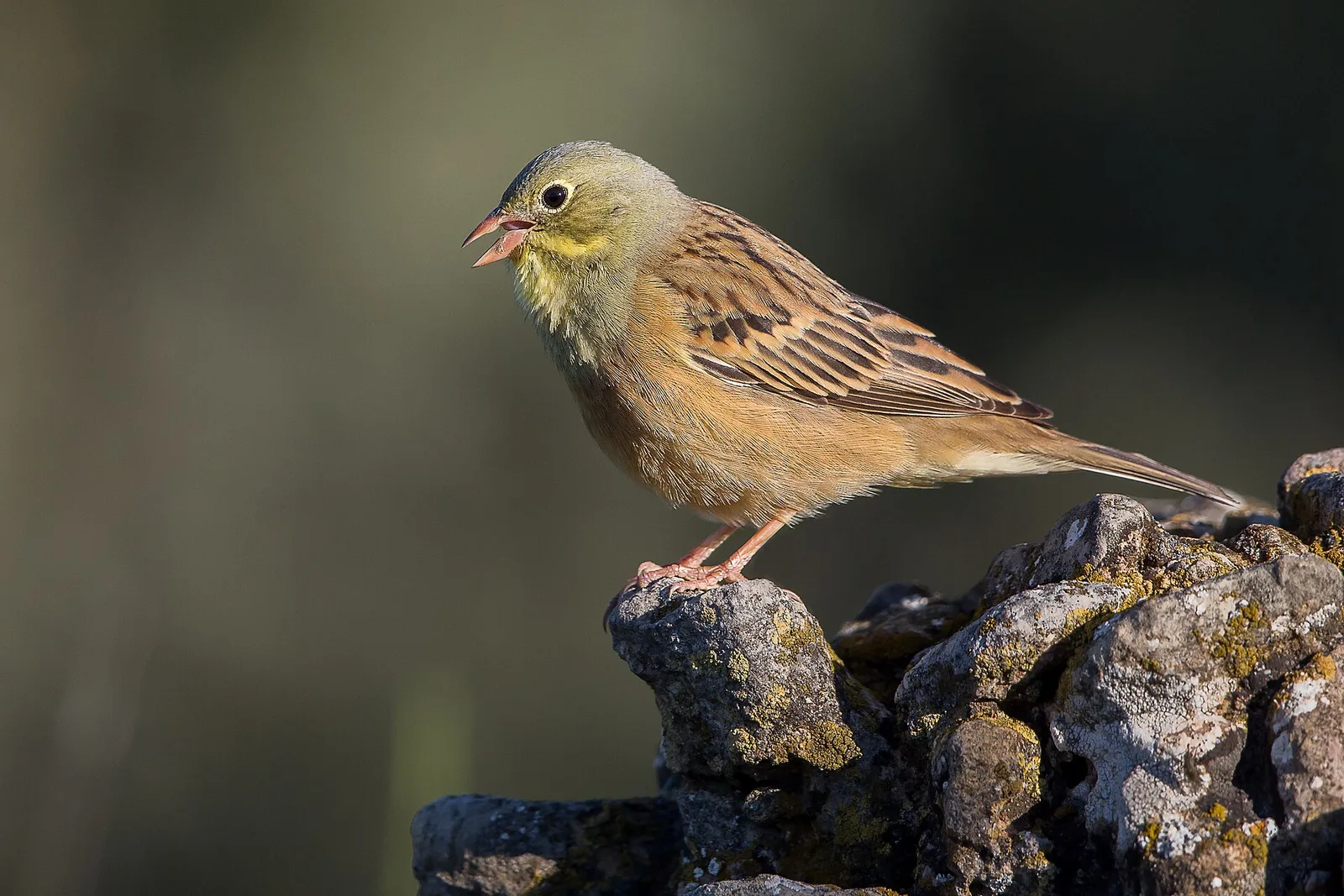
Ortolan bunting
A small grey-headed bunting with a dark history
Emberiza hortulana
Also called Ortolan
Living individuals or members of this group exist today. This does not mean they are safe from extinction.
Meet the ortolan bunting
The ortolan bunting is a small seed-eating songbird that breeds across Europe and West Asia and winters in Africa. French cooks made it famous, and illegal trapping on its autumn migration has driven parts of the population down.
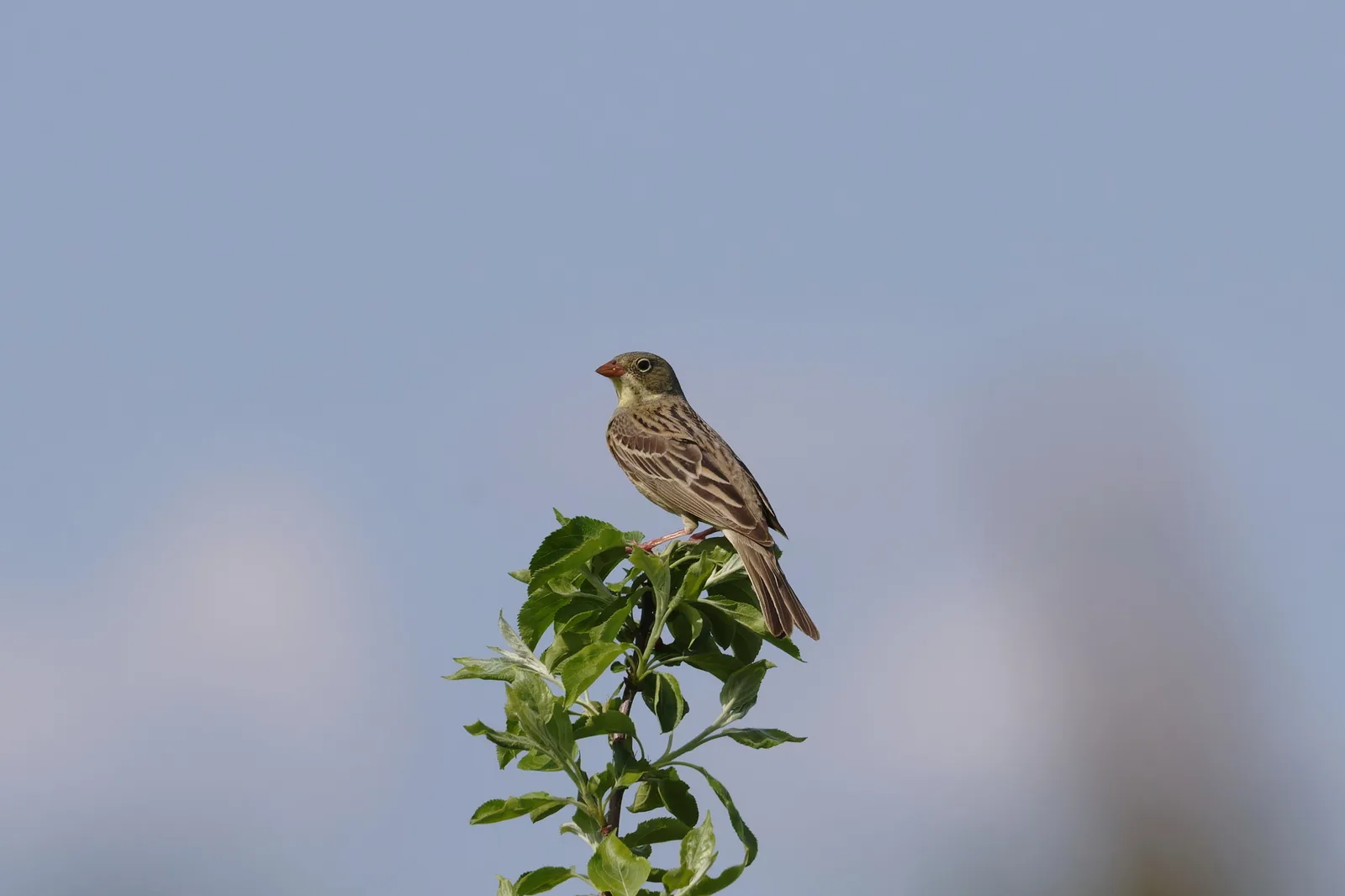
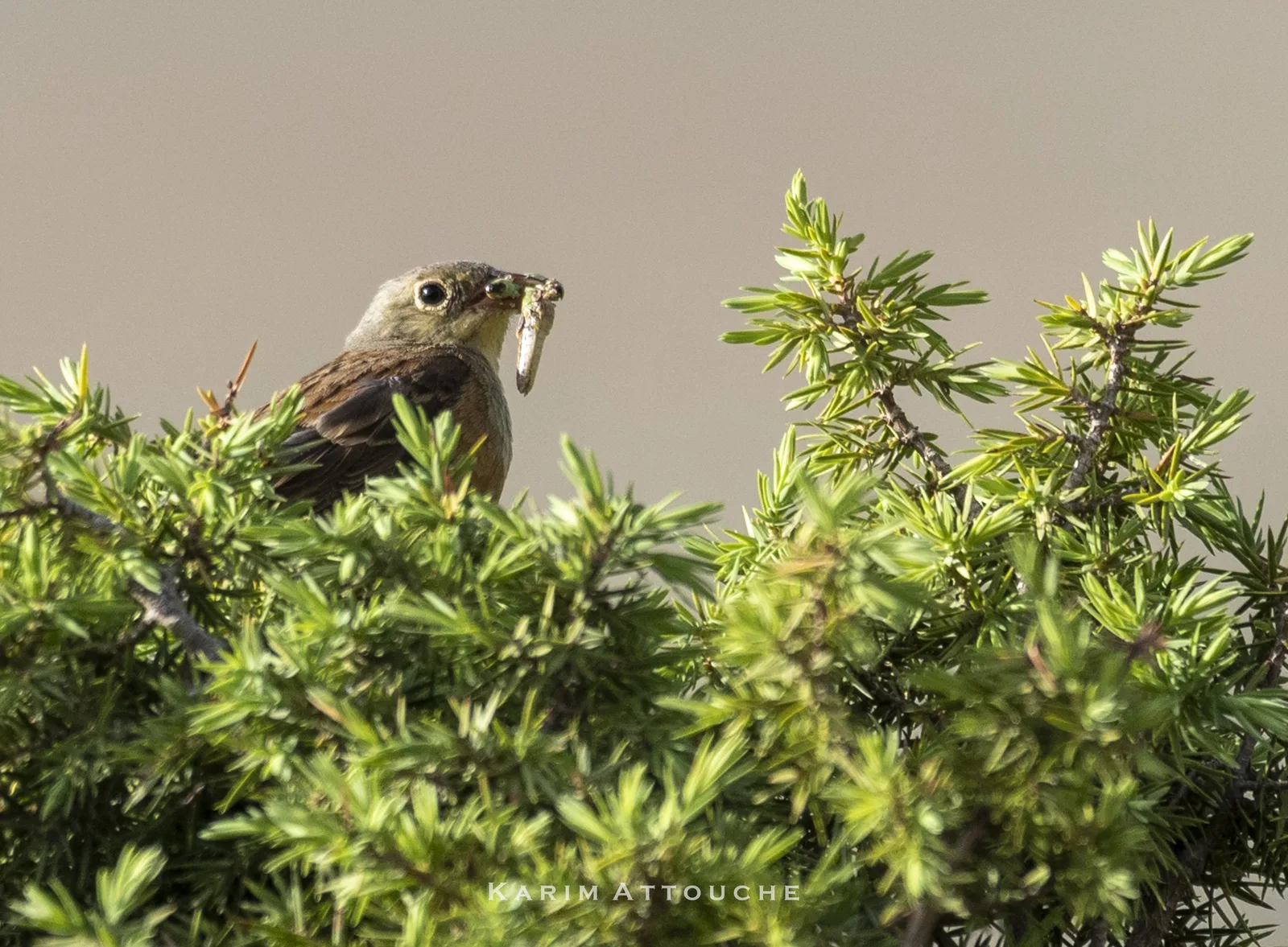
Images of the ortolan bunting
Lifespan in the wild
Up to 6.8 years the oldest known bird was six years and ten months old when it was found dead in Switzerland
Weight
19.9 to 27 g
Length
16 to 17 cm
Wingspan
23 to 29 cm
Fact file
Ortolan bunting
- Location
- Europe and West Asia in summer, Africa in winter
- Habitat
- Grassland, Temperate forest, Mountains
- Diet
- Omnivore
- Prey / food
- Seeds, grain, beetles and other insects
- Predators
- Sparrowhawks and other small hawks; rodents and crows rob the nest
- Lifestyle
- A long-distance migrant that nests on the ground
- Group name
- Flock
- Name of young
- Chick
- Incubation
- Not recorded; close relatives sit for 12 to 14 days
- Clutch size
- About 4 or 5 eggs
- Population
- Least Concern worldwide, but falling in Europe
- Biggest threat
- Illegal trapping on migration and changes in farming
- Distinctive feature
- A greenish-grey head where the yellowhammer is bright yellow
- Colour
- Brown and streaked above, with a grey-green head
- Skin type
- Feathers
Size
Next to a person
Measurements
Size and speed
- Length
- 16 to 17 cm
- Wingspan
- 23 to 29 cm
- Weight
- 19.9 to 27 g AnAge gives an adult weight of 19.9 grams and a body mass of 27 grams
Life cycle
Lifespan
- In the wildUp to 6.8 years the oldest known bird was six years and ten months old when it was found dead in Switzerland
- 06.8 years
The pale bar is the record. Source: AnAge.
Appearance
Colour and coat
- Primary colours
- browngrey
- Secondary colours
- green
- Skin type
- feathers
- Male and female
- The sources here record no strong difference between the sexes. As with most buntings, the male probably wears the cleaner head pattern and does all the singing.
Life cycle
Mating and family
- Mating system
- monogamous pairs for a season
- Social structure
- territorial pairs in summer, flocks on migration
- Breeding
- one or two broods in a northern summer
Males take a territory in spring and sing to hold it. The nest sits on the ground or just above it, hidden in low cover. Wikidata records about four or five eggs in a clutch. In the closely related yellowhammer the female sits for 12 to 14 days and the young fly 11 to 13 days later. Chicks are fed on insects and must be ready to migrate within weeks.
Classification
Taxonomy
- Kingdom
- Animalia
- Phylum
- Chordata
- Class
- Aves
- Order
- Passeriformes
- Family
- Emberizidae
- Genus
- Emberiza
- Species
- Emberiza hortulana
Conservation
Red List status
- LC
- NT
- VU
- EN
- CR
- EW
- EX
Least Concern on the IUCN Red List
Range
Recorded in 21 countries
- Armenia
- Austria
- Bulgaria
- Germany
- Algeria
- Spain
- Finland
- France
- Georgia
- Greece
- Israel
- Iran
- Italy
- Kazakhstan
- Poland
- Portugal
- Romania
- Serbia
- Russia
- Turkey
- Ukraine
Habitat layer: temperate broadleaf and mixed forest, temperate conifer forest, boreal forest and taiga, tropical grassland, savanna and shrubland, temperate grassland, savanna and shrubland, montane grassland and shrubland.
Countries from 4,692 wild records on GBIF (iNaturalist research grade), filtered and checked by hand. Country shapes: Natural Earth. Habitat: RESOLVE Ecoregions 2017, CC BY 4.0. Basemap: Natural Earth.
Habitats
Three things to know
- 1
Trappers netted the bird on migration, fattened it on millet and drowned it in brandy.
- 2
France banned the hunt in 1999, yet as many as 50,000 birds a year were still taken.
- 3
Diners covered their heads with a napkin while they ate the bird whole.
Did you know
Seven more facts
- 1
The English name comes from a Middle French word for a gardener.
- 2
The species is monotypic, so no subspecies are named across its huge range.
- 3
Some ortolans breed north of the Arctic Circle and winter in Africa.
- 4
Its closest relative is Cretzschmar's bunting of the eastern Mediterranean.
- 5
A photograph from Karnataka in 2018 was reported as the first record for India.
- 6
The genus Emberiza holds 44 species and is the only genus in its family.
- 7
The French population fell by 30% between 1997 and 2007.
Field notes
How it looks and acts
Field notes
Distinguishing features
- A greenish-grey head, where the yellowhammer shows bright yellow.
- A body length of 16 to 17 centimetres and a wingspan of 23 to 29 cm.
- A weight of about 19.9 to 27 grams.
- A short conical bill, as with every other bunting.
- Brown streaked upperparts that probably match bare soil and stubble.
Field notes
Unique adaptations
- A conical bill probably splits hard seed without any help from the feet.
- Dull streaked plumage probably hides a bird that feeds on open ground.
- A switch to insects in summer gives the chicks the protein they need.
- Stored fat probably carries the bird from northern Europe to Africa.
- A ground nest in a growing crop probably keeps the brood out of sight from above.
Field notes
Interesting behaviours
- Ground nesting: the nest sits on the soil or just above it.
- Autumn migration: the whole population leaves Europe for Africa.
- Field feeding: the bird works cornfields and the rough edges beside them.
- Insect hunting: adults switch to beetles and other insects while they have young.
- Song perching: like other buntings, males probably sing from an exposed spot to hold ground.
Field notes
Temperament
- Shy and quiet, and probably easy to overlook in a crop.
- Sociable outside the breeding season, which may be how nets took so many at once.
- Strongly territorial in summer, as with most buntings.
Field notes
Communication
- The male sings a song very like the yellowhammer's.
- The yellowhammer version climbs through quick notes and finishes on a drawn-out pair.
- Yellowhammer males learn regional dialects, and ortolans may do the same.
- Song both warns off rivals and calls in a mate, as in other songbirds.
Ecology
Ecological role
The ortolan is a seed eater of open farmland and a food source for small hawks.
- It probably moves and drops crop and weed seed across a wide belt of Europe and Asia.
- In summer it takes beetles and other insects from fields and field edges.
- Its nests feed rodents and crows, which take most of the losses in related buntings.
- Its own decline probably tracks the state of mixed farmland across Europe.
Stories
Myths and legends
- In French gastronomic tradition, the diner hides under a napkin to eat the bird.
- In one account of that tradition, the cloth hides the act from the eyes of God.
- In another account, the napkin only keeps the smell of the dish around the diner.
- In a plainer version, the cloth merely hides a person spitting out the bones.
People
Relationship with humans
People
Living alongside us
The ortolan is famous for the wrong reason. French cooks trapped it on migration, fattened it on millet and served it whole. France outlawed the hunt in 1999 and the European Union bans it everywhere. Poor enforcement let tens of thousands of birds be taken each year anyway. The bird has no other use to people.
- The ortolan weighs about 27 grams and cannot hurt a person.
- It probably avoids people, and it feeds in the open away from buildings.
- The danger runs the other way, because trapping drove parts of the population down.
People
Status, uses and products
- Domestication
- Wild
- As a pet
- Not suitable. Keeping an ortolan is illegal across the European Union, along with catching, selling or transporting one. It is a wild migrant and would not live well in a cage.
- Uses
- birdwatching
- Products
- None recorded
The full account
About the ortolan bunting
The ortolan bunting is a small brown songbird of open farmland in Europe and West Asia. It measures 16 to 17 centimetres long, with a wingspan of 23 to 29 cm. Adults weigh about 19.9 to 27 grams. The head is greenish-grey, which is the quickest way to separate it from the yellowhammer. Most people know the bird by its short name, the ortolan.
The species breeds from Scandinavia to Spain and east across Russia to Mongolia. In autumn it leaves for Africa, and that journey made it famous for the wrong reason. French cooks netted the migrating birds, fattened them and served them whole. France banned the hunt in 1999 and the European Union bans it everywhere. The IUCN still rates the ortolan as Least Concern, but European counts keep falling.
Name and taxonomy
Carl Linnaeus described the ortolan bunting in 1758, in the tenth edition of Systema Naturae. The name he gave it, Emberiza hortulana, is still the name in use. The species is monotypic, so no subspecies are recognised anywhere in its wide range. Emberiza comes from Embritz, an Alemannic German word for a bunting.
The species name hortulana is the Italian name for the bird, ortolana. English took ortolan from the Middle French hortolan, which meant a gardener. Both names probably point at one idea: a bird of gardens and cultivated ground. Ortolan and ortolan bunting mean the same species, and the shorter form is older in English.
Evolution and relatives
The ortolan sits in Emberiza, the only genus in the family Emberizidae. That genus holds 44 species of Old World bunting, all of them seed eaters with short conical bills. Linnaeus set the genus up in 1758 and made the yellowhammer its type species. Modern work separates these buntings from the true finches, which sit in the family Fringillidae.
A molecular study published in 2008 found the closest relative of the ortolan. It is Cretzschmar's bunting, Emberiza caesia, a bird of the eastern Mediterranean. Genetic work in 2021 traced the whole genus back to the New World. The ancestors crossed to eastern Asia over the Bering Strait late in the Miocene, then split into four groups. Like other buntings, the ortolan probably kept the stout seed-cracking bill of that ancestor.
Appearance
The ortolan bunting is 16 to 17 centimetres long and spans 23 to 29 cm across the wings. AnAge gives an adult weight of 19.9 grams and a body mass of 27 g. In shape and in habits the bird closely resembles the yellowhammer. It lacks the strong colour of that relative, and the difference shows first on the head. A yellowhammer wears bright yellow there, while the ortolan wears greenish-grey.
The body is brown and streaked, like most ground-feeding buntings. Like other members of the genus, it carries a short conical bill built to crack seed. The plain plumage probably works as camouflage against bare soil and stubble. Birdwatchers in Britain probably look for the grey head rather than for any bright mark.
Habitat and range
The ortolan breeds across most of Europe and into West Asia. The range runs from Scandinavia, patchily, south to the Iberian Peninsula. Eastward it reaches through the Baltic countries, western and central Russia and northern Kazakhstan. The far edge takes in northern Xinjiang in China and much of Mongolia. Some birds nest north of the Arctic Circle, and others breed on the coast of Algeria.
The bird likes cornfields and the rough ground beside them. Open hills with scattered trees appear to suit it in the south of the range. In winter the whole population moves to Africa, with some birds around the Mediterranean and in Arabia. GBIF holds records from 105 countries, although that count includes strays and old museum material. A photograph taken at Kenjar on the coast of Karnataka in 2018 was called the first Indian record.
Britain and Ireland see the ortolan only as a scarce visitor. Most British records fall in autumn, and a few come in spring. Those records have grown rarer as the European population has fallen.
Diet and feeding
Seeds make up the natural diet of the ortolan bunting. The short deep bill splits a husk, as with every other bunting. Grain from farmland is easy food, and the bird feeds in and around cornfields. Beetles and other insects come into the diet when there are chicks to feed. Like most seed-eating songbirds, the ortolan makes that switch because a growing chick needs protein.
The yellowhammer shows what such a chick diet holds. Its young take grasshoppers, flies, beetles, spiders, snails, caterpillars, earthworms and springtails. The ortolan probably works through a similar list where it nests. Trappers exploited the seed habit by feeding caged birds on millet until they doubled in bulk.
Like other buntings, the ortolan takes most of its seed from the ground or from a standing crop. Weed seed probably matters as much as grain, because a field edge carries both. The captive diet of pure millet suggests how completely the bird can live on seed.
Behaviour and social life
The ortolan spends the breeding season on the ground and in low cover. It places its nest on the ground or very close to it. The bird is a long-distance migrant and leaves Europe for Africa each autumn. Like most small songbirds, the ortolan probably travels at night and comes down at dawn. Birds from Finland and the Baltic pass through south-western France on the way south.
The longest recorded life is 6.8 years, which is six years and ten months. That bird was found dead in Switzerland. Most small buntings probably live a fraction of that time, so the figure is a ceiling. Like other buntings, males hold a territory in the breeding season and sing from a perch to keep it.
Communication and senses
The song of a male ortolan sounds much like the song of a yellowhammer. A yellowhammer starts on short notes, builds the volume, and closes on one or two drawn-out notes. Male yellowhammers learn local dialects, and each male keeps a personal set of variants. The ortolan probably carries dialects of the same kind across its wide range.
Song probably does two jobs at once: it warns off rival males and advertises for a female. Trappers once imitated calls to draw birds in, which suggests how strongly small birds answer sound. Sight probably matters most for finding seed on bare ground. Like other night migrants, the ortolan probably uses the stars and the earth's magnetic field to steer.
Reproduction and life cycle
The ortolan nests on or near the ground, hidden in low plants. Wikidata records a typical clutch of about four or five eggs. A yellowhammer builds its cup from leaves, dry grass and stalks, and it measures 11.5 to 13 centimetres across. The ortolan nest is likely to be a structure of the same kind and size.
In the yellowhammer the female sits for 12 to 14 days and the chicks fly 11 to 13 days after hatching. That relative fits two or three broods into a summer. An ortolan has a shorter northern summer and may manage fewer. Both parents probably bring insects to the chicks, which grow fast on that food. Young birds are likely to be ready to migrate within weeks of leaving the nest.
Predators and threats
A nest on the ground is probably easy for a hunting mammal or a crow to find. German studies of the yellowhammer put predation behind more than 60% of failed nests. Rodents and crows did most of that damage. Sparrowhawks, goshawks and lesser spotted eagles take adult yellowhammers, and they probably take ortolans too.
The largest single threat to the ortolan came from people rather than from predators. Trappers set nets on the autumn passage through south-western France for generations. Modern farming has probably also taken away weedy stubble and the insects that go with it. Northern birds may carry a double cost, because they breed in the north and pass through the trapping ground.
A netted bird has no defence at all, which may be why the trade took so many so easily. French volunteers watched the trapping grounds for years after the ban and saw little change. The local representative of the government repeated the promise to enforce the European rule in 2016.
Population and conservation
The IUCN Red List rated the ortolan bunting as Least Concern as of 2018. A study published in 2019 questioned that view. It combined stable isotopes, archival light geolocators and population genetics, and it found the species in decline. BirdLife International tracks a continuing fall in the number of mature birds.
National lists appear to tell a harder story than the global one. Norway, Finland and Switzerland all list the ortolan as Critically Endangered. The bird is Endangered in France, and Vulnerable in Portugal and in Israel. It counts as regionally extinct in Wallonia in Belgium and in two French regions. The French League for the Protection of Birds measured a fall of 30% in France between 1997 and 2007.
Naturalists have logged 5919 ortolan observations on iNaturalist. That seems a small total for a bird with such a wide range.
Relationship with humans
No other small European bird appears to have been eaten with so much ceremony. Trappers caught ortolans in nets during the autumn flight to Africa. The birds went into covered cages and were force-fed grain, usually millet. Once a bird had doubled in bulk it was held over Armagnac and drowned in the brandy. Cooks then plucked it, salted and peppered it, and cooked it in its own fat for seven minutes.
The diner put the bird into the mouth feet first and ate it whole, bones and all. Cyprus once ran an export trade in ortolans pickled in spices and vinegar. Each cask held 300 to 400 birds, and 400 to 500 casks left the island a year in the early twentieth century. France banned the hunt in 1999, and the European Union bans killing, capture and sale across every member state. Enforcement stayed weak. Poachers still took as many as 50,000 birds a year, against a maximum fine of 6,000 euros set in 2007.
In culture and myth
The ortolan appears in French gastronomic tradition more than in any body of folklore. Diners covered the head and face with a large napkin while they ate. A priest who was a friend of Brillat-Savarin is credited with starting the practice. Some say the cloth holds in the smell, and the Daily Telegraph reported that it hides the shame of the act from God. Others say it only hides a diner spitting out bones.
Edgar Allan Poe put the bird in his story The Duc de L'Omelette in 1832, where the Duke dies while eating one. The Three Emperors Dinner of 1867 served ortolans on toast among its 16 courses. The 1958 film Gigi shows an aunt teaching the girl how to eat them. The last New Year's Eve meal of President Francois Mitterrand in 1995 included the bird. The television series Succession used a deep-fried ortolan and its napkin as a mark of greed.
A sentence with a dotted underline is inferred: it describes the group the animal belongs to, or is a reading of the sources, rather than a measured or reported fact about this species.
Questions
Ortolan bunting questions, answered
What is an ortolan bunting?
It is a small brown songbird of the bunting family that breeds across Europe and West Asia. It measures 16 to 17 centimetres long and winters in Africa.
Why is the ortolan famous?
French cooks served it as a delicacy, whole and in one mouthful. The trapping that supplied the trade damaged the population and is now illegal.
Is it illegal to eat ortolan?
Yes. France banned the hunt in 1999, and European Union law forbids anyone to kill, catch, sell or move one.
Why do people cover their heads with a napkin?
Accounts disagree. Some say the cloth keeps the smell around the diner. Others say it hides the act from God, or hides a diner spitting out bones.
What does an ortolan bunting eat?
Seeds and grain make up the natural diet. Adults take beetles and other insects when they have chicks to feed.
How big is an ortolan bunting?
The bird is 16 to 17 centimetres long with a wingspan of 23 to 29 cm. It weighs about 19.9 to 27 grams.
How long do ortolan buntings live?
The record stands at 6.8 years, set by a bird found dead in Switzerland. Most small buntings live far less than that.
Where do ortolan buntings live?
They breed from Scandinavia to Spain and east through Russia to Mongolia. In winter they move to Africa, with some birds in Arabia and around the Mediterranean.
Are ortolan buntings endangered?
The IUCN rated the species Least Concern as of 2018. Norway, Finland and Switzerland list it as Critically Endangered, and a study in 2019 found the species in decline.
How is an ortolan different from a yellowhammer?
The two are alike in shape, habits and song. The yellowhammer has a bright yellow head and the ortolan has a greenish-grey one.
Where does the ortolan build its nest?
On the ground, or very close to it, hidden in low plants. That leaves the eggs open to rodents and crows.
How many eggs does an ortolan lay?
Wikidata gives a typical clutch of four or five. The closely related yellowhammer lays three to five eggs.
Do ortolan buntings migrate?
Yes, and the whole population leaves Europe in autumn for Africa. Trappers in south-western France set their nets on that passage.
Can you see an ortolan bunting in Britain?
Only as a scarce visitor, mostly in autumn. Records have grown rarer as European numbers have fallen.
How many ortolans were killed illegally?
Up to 50,000 birds a year were taken in France after the 1999 ban. Many of them had bred in Finland or around the Baltic.
What does the name ortolan mean?
It comes from the Middle French hortolan, which meant a gardener. The Latin species name hortulana comes from the Italian name for the bird.
Food web
Prey and food
- seeds
- grain
- beetles
- insects
Food web
Predators
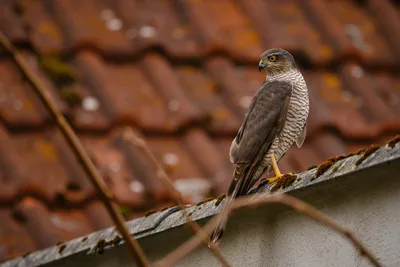 Eurasian sparrowhawk
- hawks
- rodents
- crows rob the nest
Ecological equivalents
Related species on this site
Acadian Flycatcher (same order), Amazonian Royal Flycatcher (same order), American crow (same order), American goldfinch (same order), American robin (same order), Atlantic canary (same order), and more.
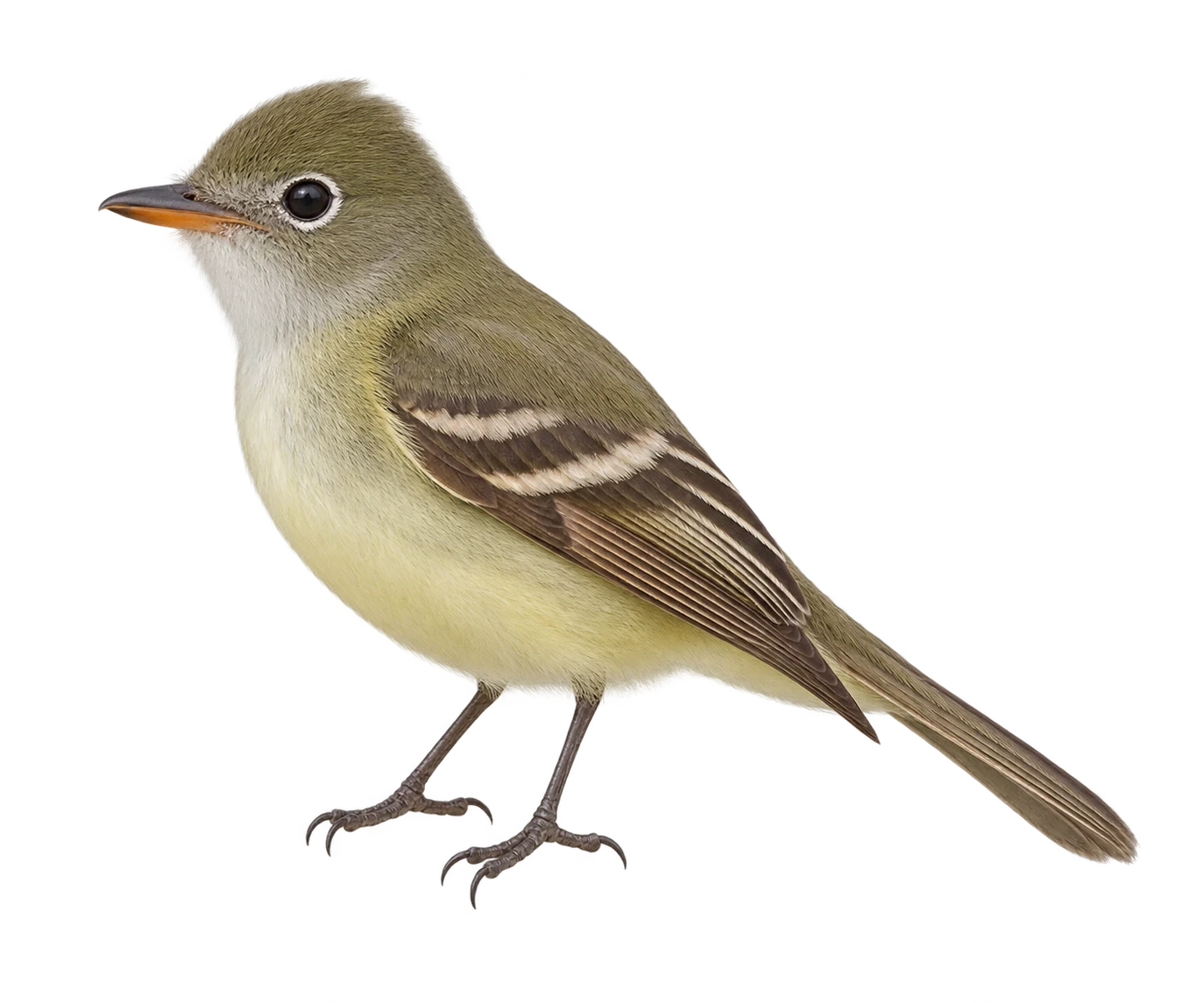
Birds
Acadian Flycatcher
Empidonax virescens
Classification and source reference
LivingAI illustration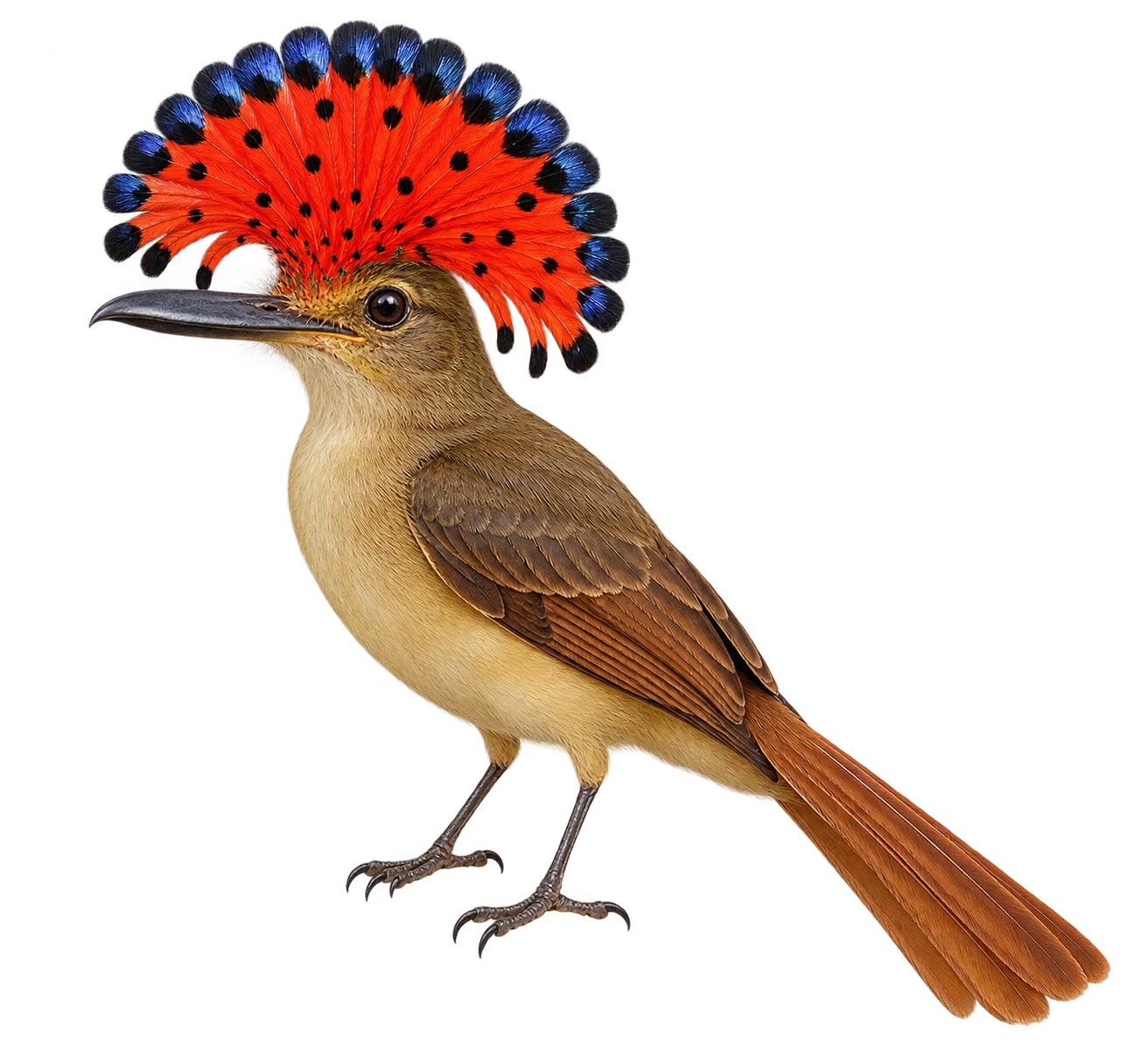
Birds
Amazonian Royal Flycatcher
Onychorhynchus coronatus
Classification and source reference
LivingAI illustration LC
Birds
American crow
Corvus brachyrhynchos
The American crow is a large all-black bird of farms, woods and city streets across North America.
Living LC
Birds
American goldfinch
Spinus tristis
The American goldfinch is a small seed-eating finch of open weedy country across North America.
Living LC
Birds
American robin
Turdus migratorius
The American robin is a large thrush that feeds on lawns and open ground across North America.
Living
Birds
Atlantic canary
Serinus canaria
The Atlantic canary is the wild island finch from which domestic canaries descend.
Living