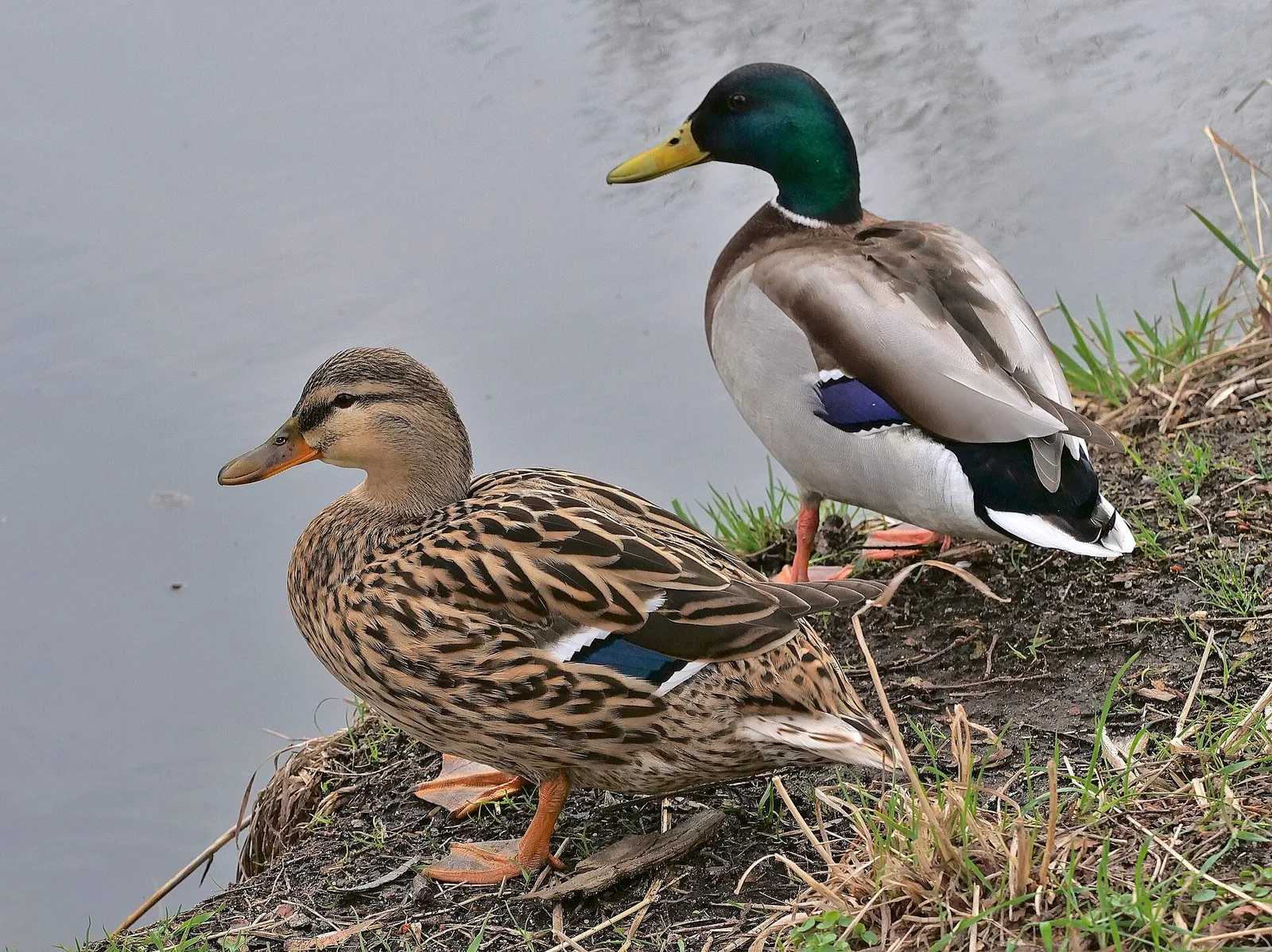
Mallard
The wild duck behind almost every farmyard duck
Anas platyrhynchos
Also called Wild duck, Mallard duck
Living individuals or members of this group exist today. This does not mean they are safe from extinction.
Meet the mallard
The mallard is the green-headed dabbling duck of ponds, rivers and city parks across the northern world. Almost every domestic duck breed descends from it, and it hybridises so freely that it now threatens its own rarer relatives.
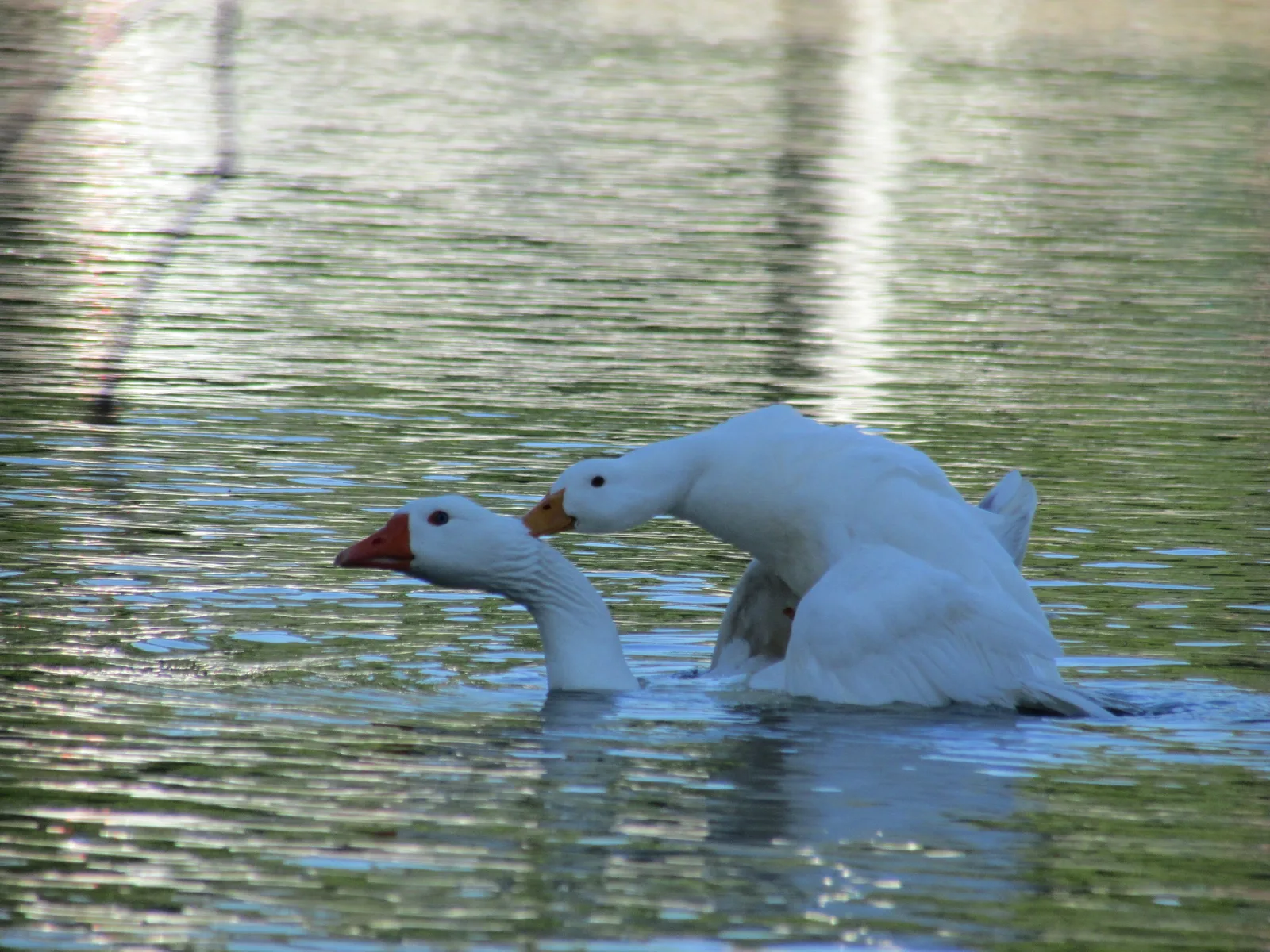
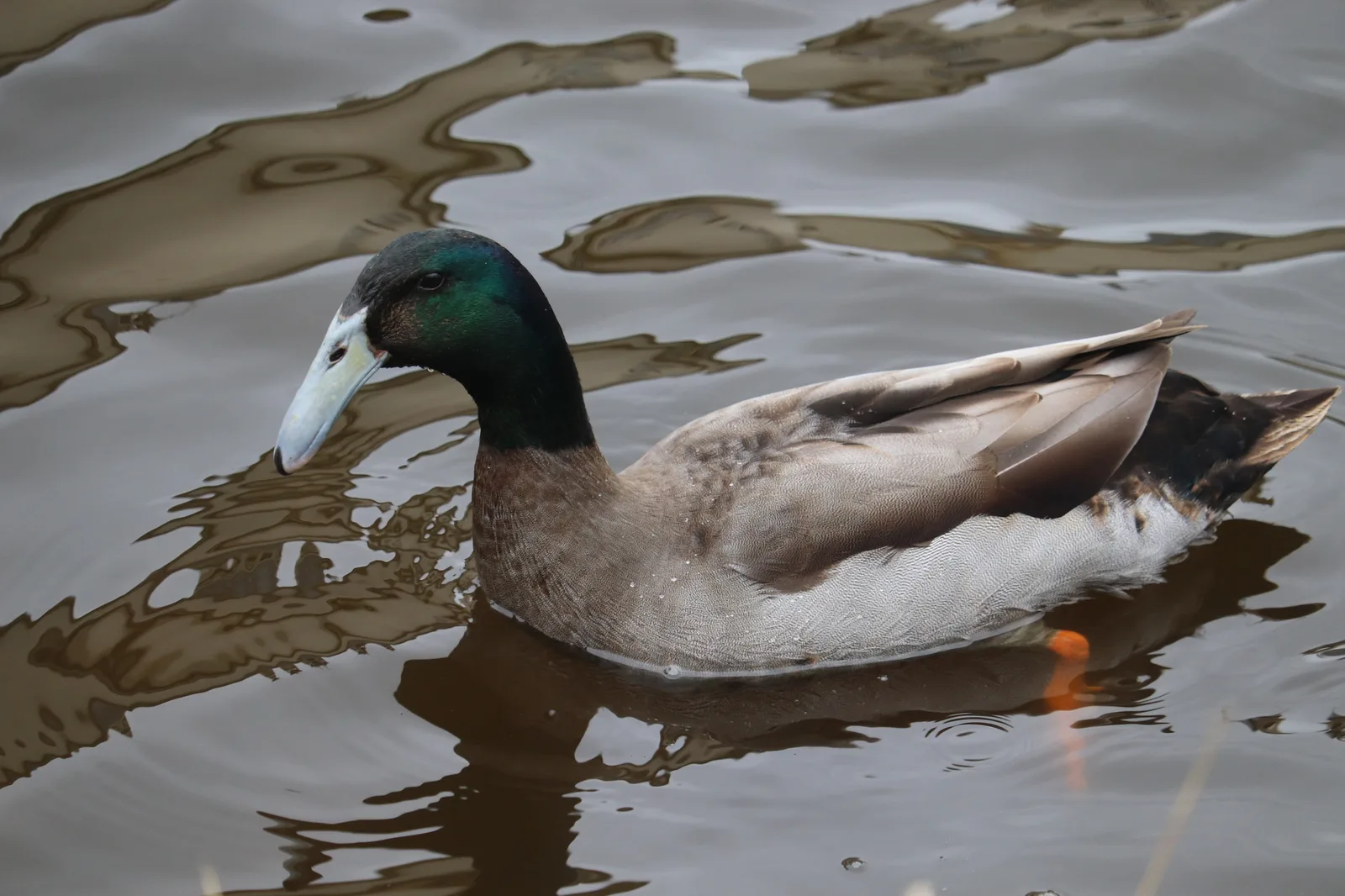
Images of the mallard
Lifespan in the wild
About 3 years
Weight
0.7 to 1.6 kg
Length
50 to 65 cm
Wingspan
81 to 98 cm
Fact file
Mallard
- Location
- Across North America, Europe, Asia and North Africa; introduced widely
- Habitat
- Wetlands, Rivers and lakes, Towns and cities, Coast
- Diet
- Omnivore
- Prey / food
- Seeds, roots, water plants, grain, acorns, insects, snails, worms, tadpoles, small fish
- Predators
- Red fox, peregrine falcon, eagles, herons, pike, mink, raccoon
- Lifestyle
- Dabbles by day, flocks outside the breeding season
- Group name
- Sord
- Name of young
- Duckling
- Incubation
- Incubation 27 to 28 days
- Clutch size
- 8 to 13 eggs
- Population
- More than 17 million mature birds, and slowly falling
- Biggest threat
- Habitat loss, and its own hybridisation with rarer ducks
- Distinctive feature
- Bottle-green head and white collar on the drake
- Colour
- Green, brown, grey and white
- Skin type
- Feathers
Size
Next to a person
Measurements
Size and speed
- Length
- 50 to 65 cm
- Wingspan
- 81 to 98 cm
- Weight
- 0.7 to 1.6 kg
Typical adult ranges. Source: Wikipedia.
Life cycle
Lifespan
- In the wildAbout 3, up to 20 years
- In captivityUp to 29.1 years
- 029.1 years
Appearance
Colour and coat
- Primary colours
- greenbrowngrey
- Secondary colours
- whiteblackblue
- Skin type
- feathers
- Male and female
- Strong in colour, slight in size. The breeding drake has a green head, white collar and yellow bill, while the female is mottled brown with a dark bill. In summer eclipse plumage the drake looks much like her.
Life cycle
Mating and family
- Mating system
- seasonally monogamous pairs, with forced matings by unpaired drakes
- Social structure
- pairs in spring, mixed flocks for the rest of the year
- Breeding
- one brood a year, with a replacement clutch if the first fails
Pairs form in autumn and split as soon as the female begins to lay. She builds a lined hollow on the ground and lays 8 to 13 eggs on alternate days. She incubates them alone for 27 to 28 days. Ducklings swim and feed on the day they hatch and fly at 50 to 60 days. A mallard is fully adult at about fourteen months.
Classification
Taxonomy
- Kingdom
- Animalia
- Phylum
- Chordata
- Class
- Aves
- Order
- Anseriformes
- Family
- Anatidae
- Genus
- Anas
- Species
- Anas platyrhynchos
Conservation
Red List status
- LC
- NT
- VU
- EN
- CR
- EW
- EX
Least Concern on the IUCN Red List
Range
Recorded in 19 countries
- Austria
- Ashmore and Cartier Islands
- Canada
- Switzerland
- Czech Republic
- Germany
- Spain
- France
- United Kingdom
- Italy
- Japan
- Mexico
- Netherlands
- New Zealand
- Poland
- Portugal
- Russia
- Ukraine
- United States of America
Habitat layer: flooded grassland and savanna, mangrove.
Countries from 701,692 wild records on GBIF (iNaturalist research grade), filtered and checked by hand. Country shapes: Natural Earth. Habitat: RESOLVE Ecoregions 2017, CC BY 4.0. Basemap: Natural Earth.
Habitats
Three things to know
- 1
The loud quack that people copy comes from the female, not from the green-headed male.
- 2
Mallards were the first birds shown to sleep with one eye open and half the brain awake.
- 3
London mallards call louder than Cornish ones, which researchers describe as a regional accent.
Did you know
Seven more facts
- 1
The green head belongs only to the drake, and only in breeding plumage.
- 2
The loud quack people imitate is the female's call, not the male's.
- 3
London mallards call louder than Cornish ones, which one study called an accent.
- 4
Mallards avoid water deeper than a few metres and prefer under 0.9 m.
- 5
Florida bans keeping mallards, to protect the native mottled duck.
- 6
A duck named Trevor appeared on the island of Niue in 2018 and became famous.
- 7
GBIF holds mallard records from 194 countries.
Field notes
How it looks and acts
Field notes
Distinguishing features
- The drake shows a bottle-green head above a white neck ring.
- Both sexes carry a purple-blue speculum edged with white on the wing.
- The female is mottled buff and dark brown with a dark eye-stripe.
- A drake's central tail feather curls upward.
- The bird is 50 to 65 cm long, larger than most other dabbling ducks.
- The bill is broad and flat, which the scientific name records.
Field notes
Unique adaptations
- A broad flat bill with fine edges probably strains food from shallow water.
- Up-ending appears to reach food a metre down without any need to dive.
- Ducklings swim and feed from hatching, which shortens the helpless stage.
- Half-brain sleep lets a bird rest while still watching for predators.
- A very flexible diet probably lets the species live from tundra to city park.
Field notes
Interesting behaviours
- The bird tips forward to feed, tail up and head under water.
- Flocks gather outside the breeding season, often with other duck species.
- Drakes leave the female as soon as she begins to lay.
- Adults moult in midsummer and cannot fly for a while.
- The female leads her brood to water within a day of hatching.
Field notes
Temperament
- Park birds lose their fear of people and approach for food.
- Drakes fight hard over females in spring.
- A sitting female sits tight and hisses rather than flying.
- Hunted flocks stay wary and flush at long range, as with other wildfowl.
Field notes
Communication
- The female's quack runs 2 to 10 notes and fades as it goes.
- The drake's version is deeper and much quieter.
- A brooding female uses a shortened call that pulls her ducklings in.
- A hiss warns anything that comes near the nest.
- The wings whistle faintly as the bird takes off.
Ecology
Ecological role
The mallard is a generalist of shallow fresh water. It eats plants and small animals, moves seeds between wetlands, and feeds many predators.
- Grazing and dabbling probably crop water plants and stir the bottom of shallow ponds.
- Seeds carried in the gut may move between waters many kilometres apart.
- The bird is prey for foxes, raptors, pike, herons and many others.
- Where it is introduced, it competes with and hybridises the local ducks away.
Stories
Myths and legends
- In several ancient traditions, artists used the duck as a symbol of fertility.
- In English children's tradition, Beatrix Potter cast the duck as a foolish mother.
- In Russian musical tradition, Prokofiev gave the duck the voice of an oboe.
- In American picture-book tradition, a mallard family walks through the Boston streets.
- In Niue, islanders adopted a stray drake called Trevor as their own bird.
People
Relationship with humans
People
Living alongside us
The mallard is the wild ancestor of nearly every domestic duck breed. Genetic work points to a single domestication in southern China around 2000 BC. Farmers keep the descendants for meat and eggs, and rice growers use them for pest control in the paddy. Wild mallards are among the most hunted waterfowl in the world, and the licence money pays for wetland management. The birds also strike aircraft and rank high on the hazard lists in the United States.
- A mallard probably cannot hurt a person, because its bill has no sharp edge.
- A brooding female will hiss and lunge, but she probably cannot draw blood.
- The real hazard is to aircraft, since 261 recorded strikes caused damage.
People
Status, uses and products
- Domestication
- Wild
- As a pet
- Not suitable. Some keepers hold pure mallards for eggs and meat, but the birds fly well and need clipped wings. Domestic breeds derived from the mallard are a far better choice for a garden or smallholding.
- Uses
- huntingmeateggsrice-paddy pest control
- Products
- meateggsdownfeathers
The full account
About the mallard
The mallard is probably the duck most people picture when they hear the word. The drake has a bottle-green head, a white collar and a grey body. The female is mottled brown, which hides her on a nest. Adults are 50 to 65 centimetres long, with a wingspan of 81 to 98 cm. They weigh 0.7 to 1.6 kilograms, a little more than most other dabbling ducks.
The species breeds right across the northern half of the world. People have carried it to New Zealand, Australia, South Africa and South America. It uses marsh, river, lake, estuary and park pond alike. Shallow water under about 0.9 metres deep suits it best.
Almost every farmyard duck breed descends from this one bird. The mallard also breeds with its wild relatives wherever it meets them. That habit appears to have turned a common duck into a conservation problem.
Name and taxonomy
Carl Linnaeus described the mallard in 1758 and gave it two names at once. Later writers preferred the second of those names for a long time. In 1906 Einar Lonnberg showed that Anas platyrhynchos came first in the book. That name has stood ever since. Anas is Latin for duck, and platyrhynchos is Greek for broad-billed.
The English word mallard once meant any wild drake. It came from Old French, and older English spellings include maudelard. Two subspecies are accepted today. Several ducks once ranked as mallard subspecies now stand as species. Those include the Hawaiian duck, the mottled duck and the American black duck. Researchers sequenced the mallard genome in 2013.
Evolution and relatives
Mitochondrial evidence suggests the mallard arose somewhere around Siberia. Its bones appear suddenly in European deposits, with no clear local ancestor. A large Ice Age form has its own palaeosubspecies name. American and Eurasian birds differ in mitochondrial DNA. The nuclear genome, by contrast, shows very little structure across the range.
The mallard crosses with other ducks more readily than almost any bird. Wild crosses are known with more than 40 other species. A further 20 species have produced crosses with it in captivity. Fertile hybrids usually have two parents from the genus Anas. Aleutian birds show limited gene flow and may be turning into a subspecies.
Appearance
The bird is 50 to 65 cm long, and the body makes up about two thirds of that. The wings span 81 to 98 cm and the bill runs 4.4 to 6.1 cm. Weight falls between 0.7 and 1.6 kg. A breeding drake has a glossy green head above a clean white ring. His breast is brown with a purple cast, and his rear is black. His bill is yellow-orange with a black tip.
The female is buff and dark brown on every feather, with a darker crown. Her bill runs from dark to a mottled orange. Both sexes carry a purple-blue speculum edged in white on the wing. The speculum is shed for a short period during the summer moult. A drake in summer eclipse plumage probably looks much like a female to a predator. A duckling is yellow below and black above, with black legs and bill.
The species illustrates two classic rules of body shape in animals. Greenland mallards are larger than birds from further south. Their bills are also smaller, which loses less heat. Sex reversal happens now and then, so a female can grow male plumage. Domestic birds add white and many other colours to the range.
Habitat and range
The mallard breeds from Alaska to Mexico and from Iceland to Japan. Introduced flocks now live in Australia, New Zealand and southern South America. GBIF holds records from 194 countries, more than for almost any bird. Northern breeders migrate, and southern ones often stay put. North American birds winter as far as the southern states and northern Mexico.
Habitat runs from Arctic tundra to the subtropics. Fresh water is preferred, but estuaries and sheltered coast are used too. The birds keep to water under about 0.9 metres deep. Anything more than a few metres deep is usually avoided. Plants in the water appear to matter more than the size of the water body. Park lakes, farm ponds and drainage ditches all hold mallards.
Diet and feeding
The mallard eats plants and animals and switches between them freely. Seeds, roots, tubers, stems and grain form the plant half. Snails, insects, worms and small crustaceans form the animal half. The balance shifts with the season and with the bird's own state. A laying female takes far more animal food than a male does.
Dabbling is the usual method: the bird tips forward and sifts the shallows. It also dips its head and neck, or grazes on land for seeds and roots. Ducklings live mainly on water insects in their first weeks. Frogs, tadpoles and small fish are taken when the chance comes. In 2017 a flock in Romania was seen killing and eating small migrant birds. That was the first record of mallards taking prey of that size.
Behaviour and social life
Outside the breeding season mallards gather in flocks, which are called sords. Flocks often mix with other duck species on the same water. Pairs form in autumn, well before any nesting. The drake leaves once the female starts to lay. Males then gather together and wait for the summer moult.
Both sexes turn aggressive in the breeding season. Drakes fight by pecking hard at a rival's chest. Unpaired drakes chase and force themselves on isolated females. The target is sometimes a female of another species entirely. Mallards were the first birds shown to sleep with one eye open. Half the brain rests while the other half watches, which probably guards the flock edge.
Mallards use city water as readily as wild marsh. Park birds learn to approach people and to expect food. That tameness probably explains why the species is so familiar. Wild flocks away from towns appear to stay far more cautious. The same species may therefore behave in two quite different ways.
Communication and senses
The famous quack belongs to the female. She gives 2 to 10 quacks in a run, starting loud and fading away. That call carries a long distance and gathers other ducks to her. The drake makes a similar sound, but deeper and much quieter.
A sitting female uses a shortened call that her ducklings answer. The rhythm of those quacks teaches a duckling which species it belongs to. She hisses if anything comes near the nest or the brood. Taking off, the wings make a faint whistle. A study of two English populations found louder calls in London than in Cornwall. The researchers described the difference as a regional accent.
Reproduction and life cycle
The female chooses the nest site and builds it alone. Most nests sit on the ground in thick cover, where her plumage hides her. Some are far stranger: tree hollows, boathouses, roof gardens and balconies. A high nest probably leaves the ducklings a hard journey to water. She lays 8 to 13 pale eggs, one on each alternate day.
Each egg is about 58 millimetres long and 32 mm wide. Incubation starts only when the clutch is nearly complete. It lasts 27 to 28 days, and she does all of it. Ducklings swim from the day they hatch and feed themselves at once. They still follow their mother closely, which teaches them where food is. A female normally attacks stray ducklings rather than adopting them.
The young fly 50 to 60 days after hatching. A male's bill turns yellow and his central tail feather curls. Full adult plumage arrives between six and ten months. A mallard is adult at about fourteen months old. Average life is only about 3 years, though a bird can reach 20. Other ducks sometimes lay eggs in a mallard nest and leave her to raise them.
Predators and threats
Ducklings and sitting females are probably the easiest targets. The red fox takes more adults than any other predator does. North American adults are hunted by at least 15 different raptor species. That list runs from harriers and short-eared owls to bald and golden eagles. Mink, raccoons, skunks, snakes and domestic cats and dogs take their share.
Water holds its own hunters. Herons, large gulls, pike and wels catfish all kill ducks or ducklings. Mute swans drive mallards off and sometimes kill them near a swan brood. Hot summers with low water raise the risk of botulism. A botulism outbreak can kill mallards in very large numbers. Loss of wetland is the underlying threat, and hunting removes millions a year.
Population and conservation
The IUCN has rated the mallard as Least Concern since 1998. The range covers more than 65 million square kilometres. More than 17 million mature birds were estimated for the most recent assessment. That very large total is nonetheless falling. Naturalists have logged 953,027 mallard sightings on iNaturalist.
The species is treated as invasive in several countries. Released and feral birds breed with local ducks and produce fertile young. Over time the two gene pools merge and the rarer duck disappears. The mallard can cross with 63 other species, which makes the risk broad. Florida bans private ownership of mallards to protect the mottled duck. New Zealand and Australia list the bird as invasive beside the Pacific black duck.
Relationship with humans
Nearly every domestic duck breed descends from the mallard. Genetic work points to one domestication in southern China, around 2000 BC. Selection then split the stock into meat lines and egg lines. The White Pekin is the main meat breed, and the Indian Runner lays over 300 eggs a year. China now produces over 80% of the world's ducks.
Rice farmers in East and Southeast Asia put ducks into the paddy. The birds eat pests, stir the soil and fertilise the crop at the same time. Wild mallards have been eaten since the Neolithic, with evidence from Greece. The bird is among the most shot waterfowl anywhere, and licence money funds wetland work.
Mallards also collide with aircraft. American records list 1320 mallard strikes since standardised collection began. Of those, 261 damaged the aircraft. One bird was hit at a cruising height of 6,400 metres. Tests show that mallards fail to get out of the way of fast vehicles.
In culture and myth
Artists in several old civilisations drew the duck as a sign of fertility. The mallard is probably the wild bird behind that image in Europe and Asia. Its shape appears on decoys, weathervanes and pub signs across the north. The green head appears to be one of the most copied patterns in bird art.
Children's books are full of ducks that seem to be mallards in all but name. Beatrix Potter published The Tale of Jemima Puddle-Duck in 1908. Prokofiev gave the duck an oboe in Peter and the Wolf in 1936. Robert McCloskey set Make Way for Ducklings on a pair of mallards in Boston. An animated film of recent years followed a mallard family from New England.
One real bird became famous on its own. A drake turned up on the Pacific island of Niue in 2018, far outside the range. Islanders named him Trevor and treated him as a local celebrity. He died there the following year. The story probably says as much about people as about ducks.
A sentence with a dotted underline is inferred: it describes the group the animal belongs to, or is a reading of the sources, rather than a measured or reported fact about this species.
Questions
Mallard questions, answered
How big is a mallard?
Adults are 50 to 65 cm long with a wingspan of 81 to 98 cm. They weigh 0.7 to 1.6 kg, slightly more than most other dabbling ducks.
Do male or female mallards quack?
The loud quack is the female's. The drake makes a similar but deeper and much quieter sound.
What do mallards eat?
Seeds, roots, water plants, grain and acorns, plus insects, snails, worms and small fish. A laying female eats far more animal food than a male.
How long do mallards live?
The average life is about 3 years, but a wild bird can reach 20. Captive birds have lived much longer still.
Are mallards the ancestors of farm ducks?
Yes. Nearly every domestic duck breed comes from the mallard, with a few Muscovy breeds as the exception.
How many eggs does a mallard lay?
Between 8 and 13, laid on alternate days. The female sits on them by herself for 27 to 28 days.
When can baby ducks swim?
From the day they hatch. Ducklings feed themselves at once but stay close to their mother for warmth and protection.
Are mallards endangered?
No. The IUCN has rated them Least Concern since 1998, though the world total is slowly falling.
Why are mallards a conservation problem?
They breed freely with rarer local ducks and produce fertile young. The two gene pools then merge, and the rarer duck is bred out of existence.
Where do mallards nest?
Usually on the ground in thick cover near water. Some nest in tree hollows, on balconies or on roof gardens, which strands the ducklings.
Do mallards migrate?
Northern birds do, and southern ones often stay all year. Park and feral flocks usually remain in the same place.
Why do drakes lose their green heads in summer?
They moult into a dull eclipse plumage while they replace their flight feathers. The green returns at the end of the summer.
Is it bad to feed bread to ducks?
Yes. Bread gives them little of what they need and pulls large flocks into small ponds where disease spreads.
Can mallards fly high?
They usually fly low, but one bird was struck by an aircraft at 6,400 metres. Most collisions happen close to the ground.
What is a group of mallards called?
A sord. The birds gather in flocks outside the breeding season, often mixed with other duck species.
Food web
Prey and food
- seeds
- roots
- water plants
- grain
- acorns
- insects
- snails
- worms
- tadpoles
- fish
Food web
Predators
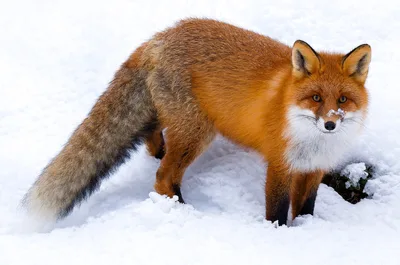 Red fox
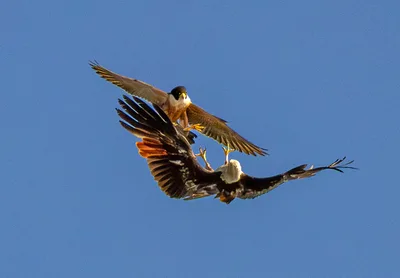 Peregrine falcon
- eagles
- herons
- pike
- mink
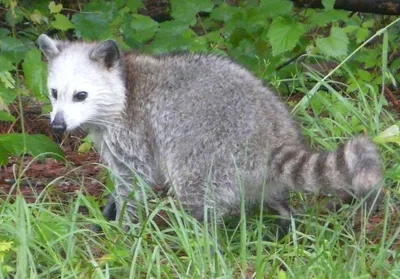 Raccoon
Ecological equivalents
Related species on this site
Northern Pintail (same genus), Black swan (same family), Black-Bellied Whistling Duck (same family), Canada goose (same family), Canvasback (same family), Chinese Geese (same family), and more.
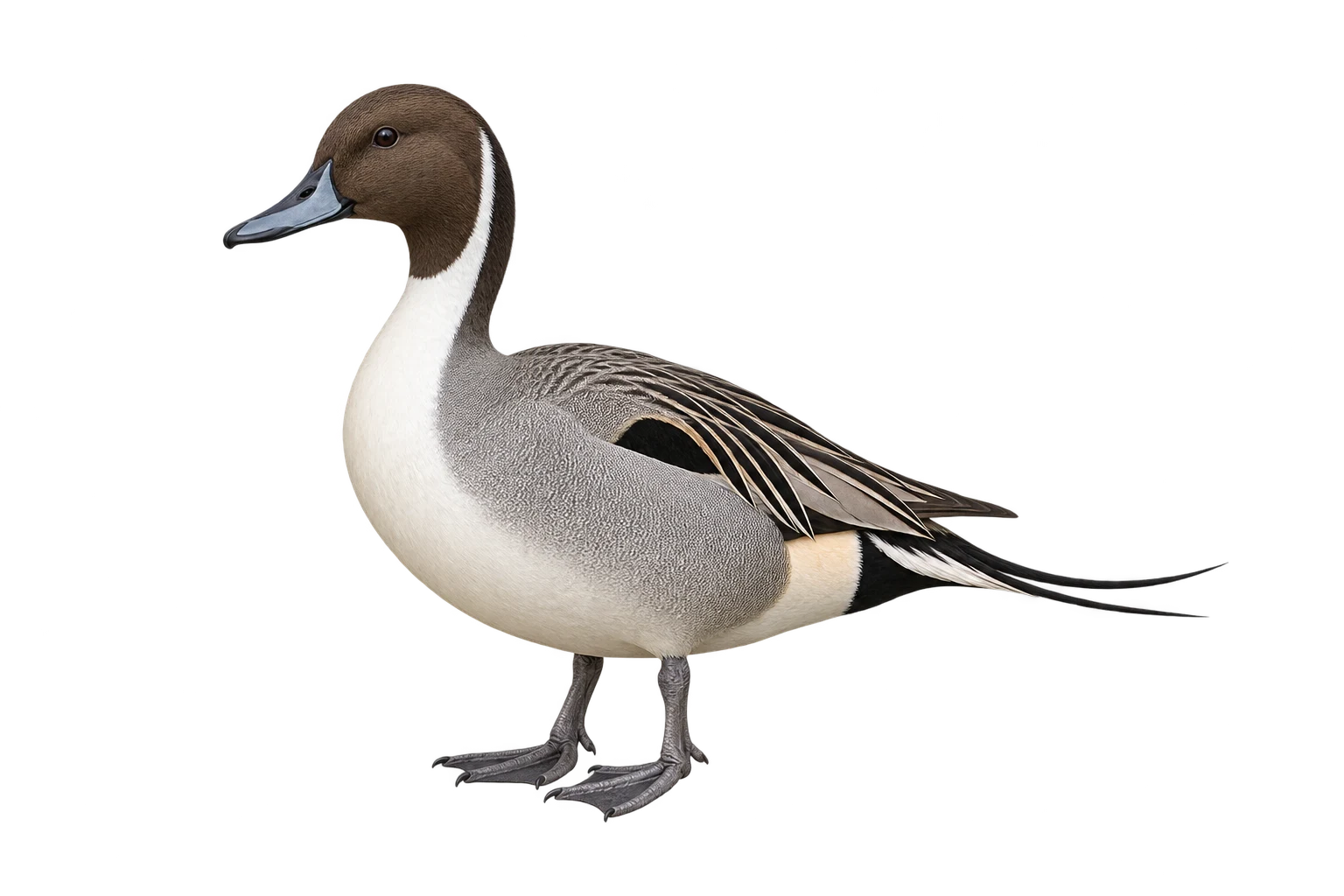
Birds
Northern Pintail
Anas acuta
Classification and source reference
LivingAI illustration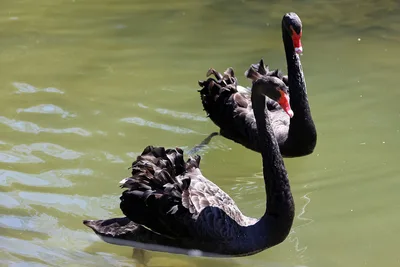 LC
Birds
Black swan
Cygnus atratus
The black swan is a large Australian waterbird with black plumage, white flight feathers and a bright red bill.
Living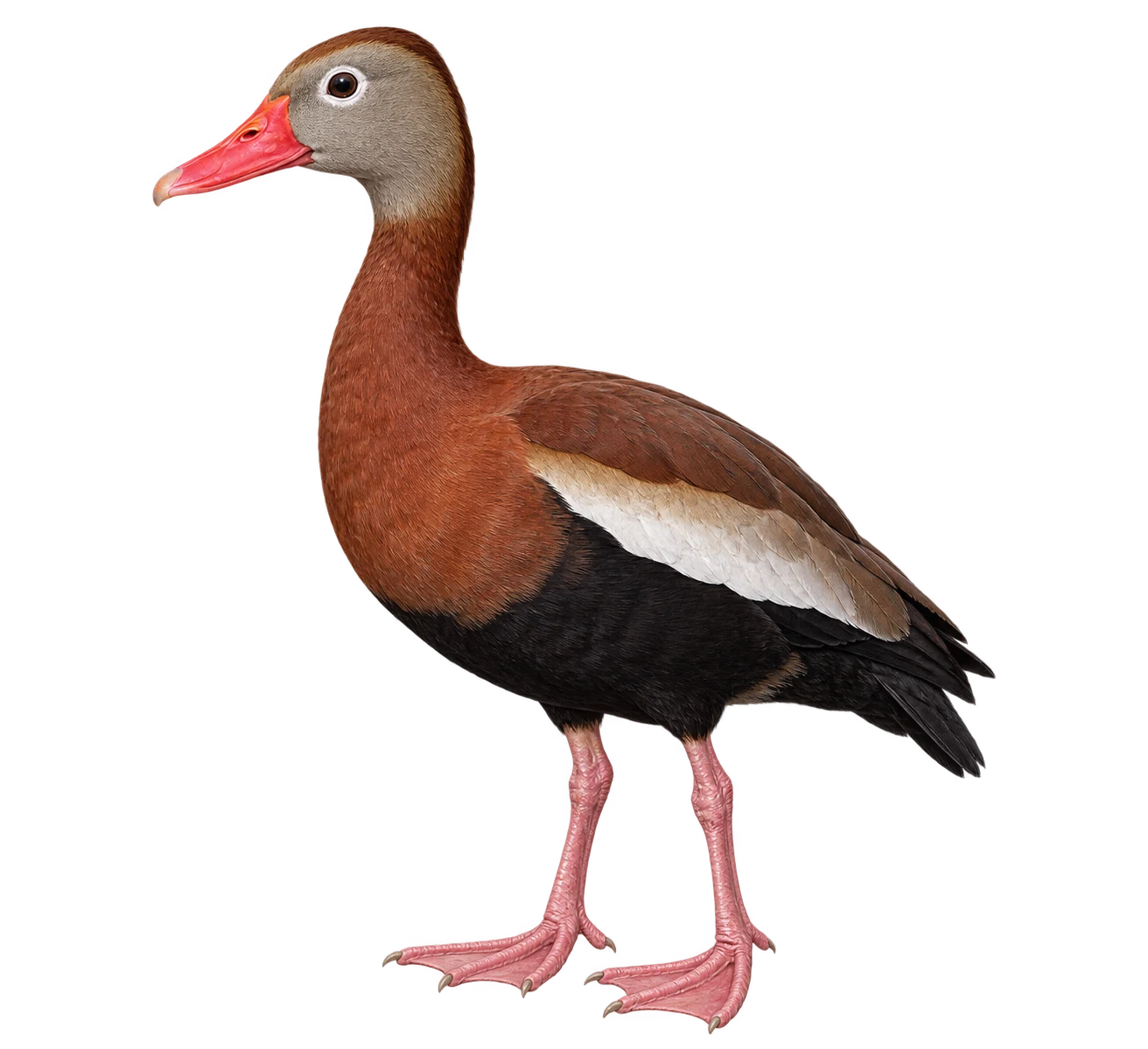
Birds
Black-Bellied Whistling Duck
Dendrocygna autumnalis
Classification and source reference
LivingAI illustration LC
Birds
Canada goose
Branta canadensis
The Canada goose is a large black-necked goose with a white chinstrap, native to North America and now settled on four continents.
Living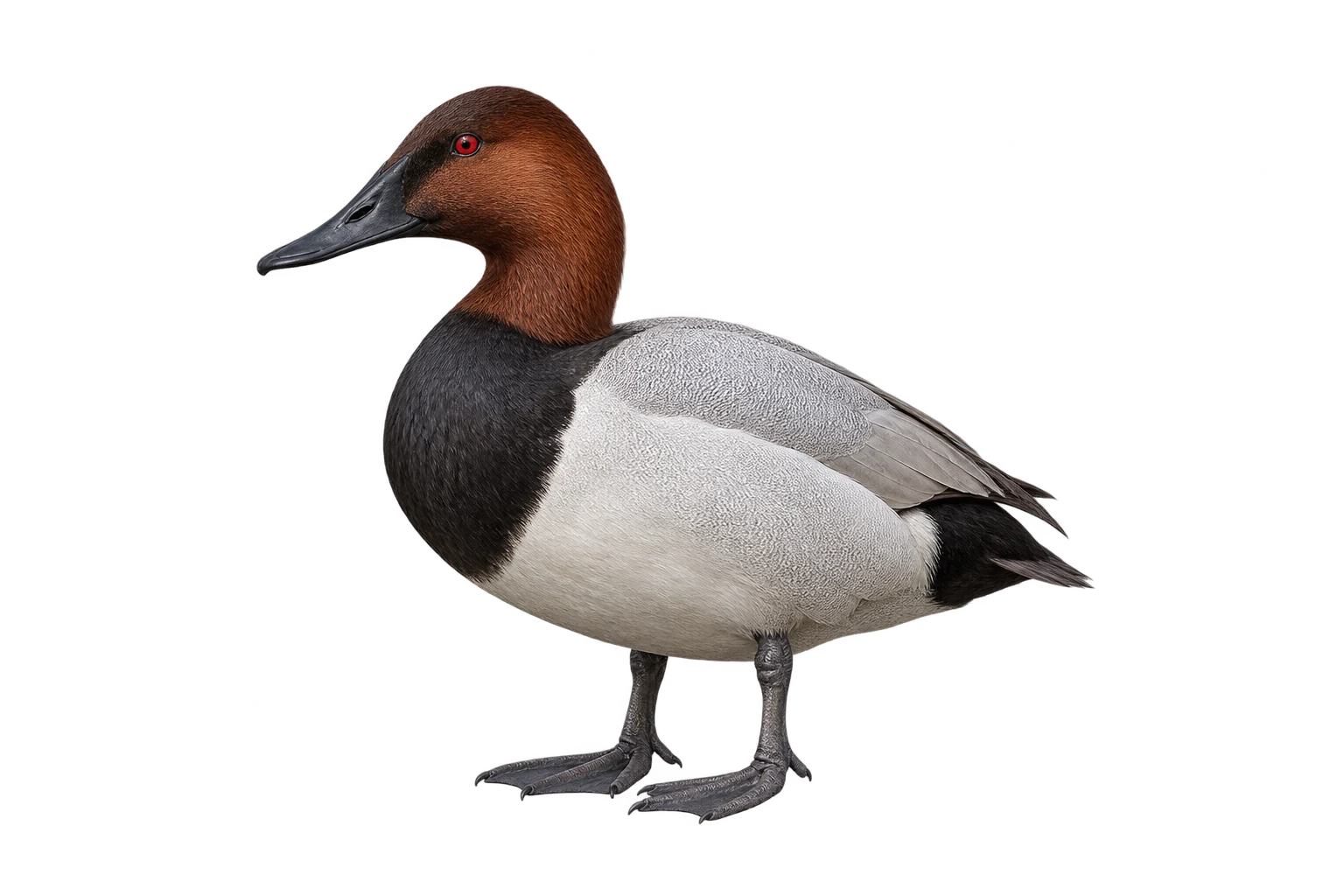
Birds
Canvasback
Aythya valisineria
Classification and source reference
LivingAI illustration
Birds
Chinese Geese
Anser cygnoides domesticus
Classification and source reference
LivingAI illustration