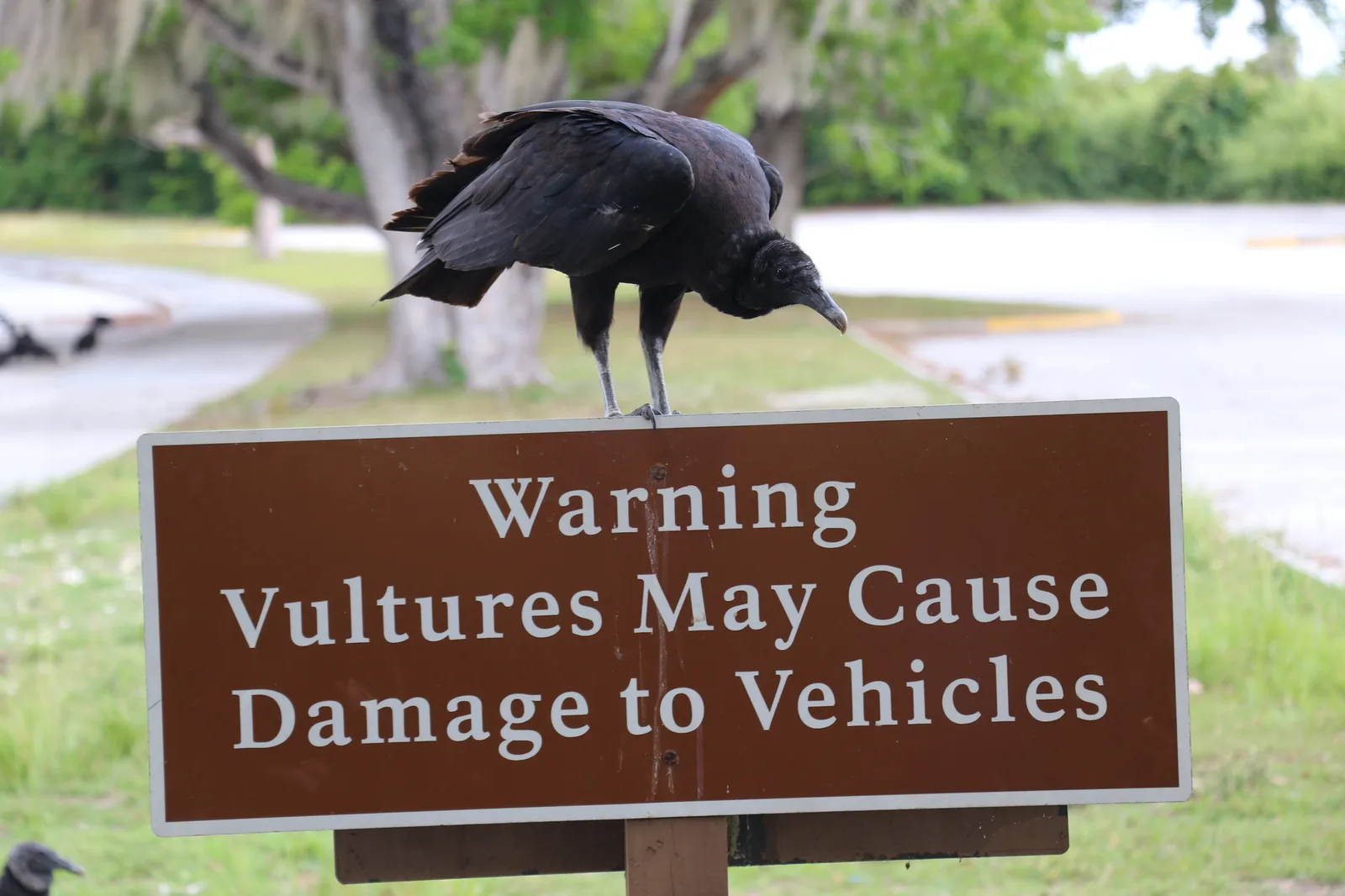
Black vulture
The scavenger that hunts by watching other vultures
Coragyps atratus
Also called American black vulture, Mexican vulture, Zopilote, Urubu, Gallinazo, Carrion crow
Living individuals or members of this group exist today. This does not mean they are safe from extinction.
Meet the black vulture
The black vulture is a glossy black scavenger of the Americas, with a bare grey head and white patches at the wingtips. It feeds on carrion, follows other vultures to a carcass, and roosts and forages in large flocks.
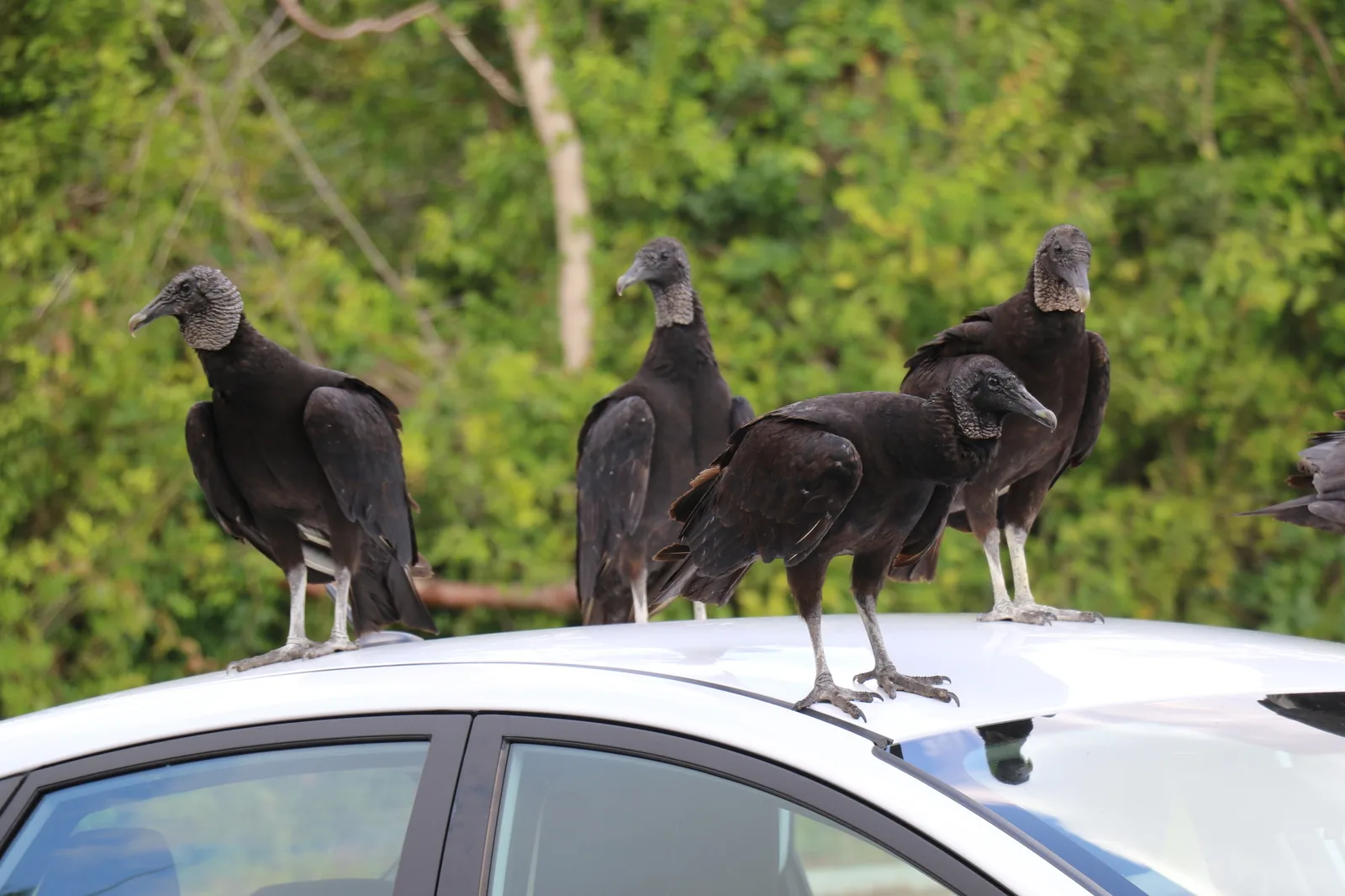
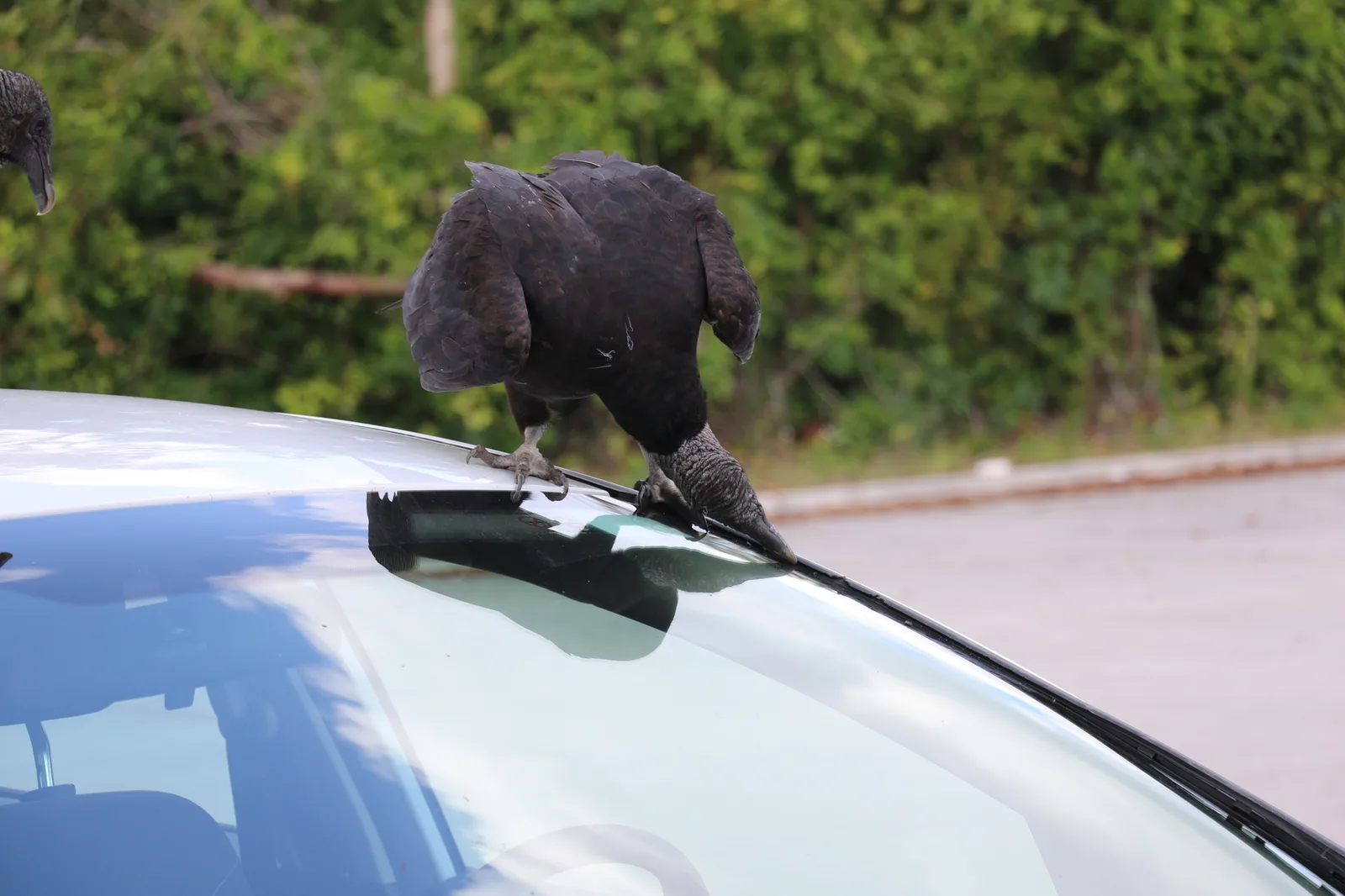
Images of the black vulture
Lifespan in the wild
Up to 25.5 years the oldest ringed wild bird in one ADW figure reached 16 years
Weight
1.18 to 3 kg
Length
56 to 74 cm
Wingspan
1.33 to 1.67 m
Fact file
Black vulture
- Location
- The eastern United States south to Peru, central Chile and Uruguay
- Habitat
- Grassland, Temperate forest, Wetlands, Towns and cities
- Diet
- Carnivore
- Prey / food
- Carrion, eggs, newborn calves and lambs, small mammals, young turtles, refuse
- Predators
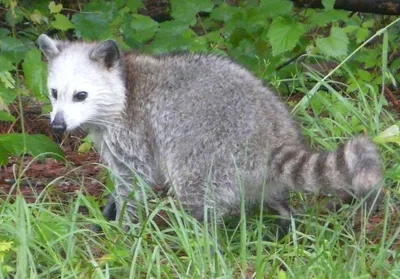
- Few; eagles kill some adults, and raccoons, coatis and foxes take eggs
- Lifestyle
- Active by day, highly social, roosting in large groups
- Group name
- Flock
- Name of young
- Chick
- Incubation
- Incubation 28 to 41 days
- Clutch size
- Usually 2 eggs
- Population
- About 50 to 100 million mature birds
- Biggest threat
- Loss of large hollow trees for nesting
- Distinctive feature
- White patches near the wingtips, seen from below
- Colour
- Glossy black, with bare wrinkled grey skin on the head
- Skin type
- Feathers
Size
Next to a person
Measurements
Size and speed
- Length
- 56 to 74 cm
- Wingspan
- 1.33 to 1.67 m
- Tail
- 16 to 21 cm
- Weight
- 1.18 to 3 kg tropical lowland birds weigh 1.18 to 1.94 kg, and North American and Andean birds 1.6 to 3 kg
Typical adult ranges. Source: Wikipedia.
Life cycle
Lifespan
- In the wildUp to 25.5 years the oldest ringed wild bird in one ADW figure reached 16 years
- In captivityUp to 21 years
- 025.5 years
The pale bar is the record. Source: Animal Diversity Web.
Appearance
Colour and coat
- Primary colours
- black
- Secondary colours
- greywhite
- Skin type
- feathers
- Male and female
- None known. Males and females look the same in plumage and in size. Young birds also resemble adults, with the same bare wrinkled skin on the head.
Life cycle
Mating and family
- Mating system
- monogamous pairs
- Social structure
- large flocks that forage and roost together, with family groups inside them
- Breeding
- one brood a year
Several males court a female on the ground with half-open wings and bobbing heads. The pair builds no nest and lays on the floor of a cave, a hollow log or an empty building. A clutch usually holds two eggs, which hatch after 28 to 41 days. Both parents feed the chicks by bringing food back up. The young stay about two months and fly well after 75 to 80 days.
Classification
Taxonomy
- Kingdom
- Animalia
- Phylum
- Chordata
- Class
- Aves
- Order
- Accipitriformes
- Family
- Cathartidae
- Genus
- Coragyps
- Species
- Coragyps atratus
Conservation
Red List status
- LC
- NT
- VU
- EN
- CR
- EW
- EX
Least Concern on the IUCN Red List
Range
Recorded in 11 countries
- Argentina
- Brazil
- Chile
- Colombia
- Costa Rica
- Ecuador
- Honduras
- Mexico
- Panama
- Peru
- United States of America
Habitat layer: temperate broadleaf and mixed forest, temperate conifer forest, boreal forest and taiga, tropical grassland, savanna and shrubland, temperate grassland, savanna and shrubland, flooded grassland and savanna, mangrove.
Countries from 92,270 wild records on GBIF (iNaturalist research grade), filtered and checked by hand. Country shapes: Natural Earth. Habitat: RESOLVE Ecoregions 2017, CC BY 4.0. Basemap: Natural Earth.
Habitats
Three things to know
- 1
It cannot smell a carcass, so it watches turkey vultures and follows them down.
- 2
It has no voice organ, and its only sounds are hisses and grunts.
- 3
It cools itself by passing urine down its own legs, which streaks them white.
Did you know
Seven more facts
- 1
The genus name Coragyps joins the Greek words for a raven and a vulture.
- 2
The nostrils have no dividing wall, so you can see through the bill from the side.
- 3
A larger relative lived through the Pleistocene and was 10 to 15% bigger than this bird.
- 4
Black vultures have been seen preening crested caracaras that bowed to invite it.
- 5
The species is the only New World vulture that preys on cattle.
- 6
A white bird was recorded in Ecuador in 2005 and was not an albino.
- 7
Black vultures have snipped the umbilical cords of newborn sea lions in California.
Field notes
How it looks and acts
Field notes
Distinguishing features
- Glossy black plumage over the whole body.
- A bare, wrinkled, dark grey head and neck.
- A pale patch near each wingtip, seen from below in flight.
- A short square tail that barely passes the folded wings.
- A wingspan of 133 to 167 centimetres over a body of 56 to 74 cm.
- Greyish white legs, often streaked with white uric acid.
Field notes
Unique adaptations
- A bare head keeps blood and fluid off the feathers while the bird feeds inside a carcass.
- A short hooked bill strips meat from a body.
- Very strong stomach acid destroys the pathogens in rotten meat.
- Urine passed down the legs cools the bird and kills bacteria on the skin.
- Group foraging lets a flock take a carcass from a larger, solitary rival.
Field notes
Interesting behaviours
- Soaring on thermals with the wings held level.
- Following turkey vultures down to a carcass they have smelled.
- Standing with the wings spread wide in the sun.
- Roosting in large mixed groups on bare dead trees.
- Bringing up the last meal when disturbed at close range.
Field notes
Temperament
- Aggressive at a carcass and quick to drive off rivals.
- Highly social, and rarely found alone.
- Bold around people, towns and rubbish tips.
- Silent and undemonstrative except when feeding or alarmed.
Field notes
Communication
- Hisses given when the bird is agitated.
- Grunts and low barking sounds exchanged over food.
- Head bobbing and strutting by males in courtship.
- Half-open wings held out during that courtship walk.
- Regurgitation, which appears to warn off any animal that comes too close.
Ecology
Ecological role
The black vulture is one of the main cleaners of the American landscape. It removes dead animals before they can spread disease.
- It clears carcasses and road kill from open country and from roadsides.
- Its gut destroys pathogens that would otherwise pass on from a dead animal.
- It takes eggs and hatchlings at heron and seabird colonies.
- It removes ticks from resting capybaras and tapirs.
Stories
Myths and legends
- In Maya tradition, the black vulture appears in the codices as a sign of death.
- In Maya art, the vulture glyph is often shown attacking a person.
- In pre-Columbian tradition, vultures held a high place in religious imagery.
- In Peruvian tradition, the bird is an important cultural symbol in Lima.
- In ancient Egyptian tradition, by contrast, a vulture goddess stood for protection.
People
Relationship with humans
People
Living alongside us
The black vulture lives closer to people than most large birds. It feeds at rubbish tips, roosts on buildings and clears road kill from highways. Ranchers blame it for the loss of newborn calves, though few attacks are actually seen. Large flocks near airports are a hazard to aircraft. United States law still protects the species, and killing one needs a permit.
- The bird appears to have no interest in adult people and flies off when approached.
- A cornered vulture brings up a foul and corrosive vomit.
- It kills newborn calves, lambs and piglets, which is a cost to farmers.
People
Status, uses and products
- Domestication
- Wild
- As a pet
- Not suitable. No. The Migratory Bird Treaty Act protects the species in the United States, and a permit is needed to hold one. It also needs carrion, a large flight space and the company of its own kind.
- Uses
- carcass removalwildlife tourism
- Products
- None recorded
The full account
About the black vulture
The black vulture is a New World vulture of the family Cathartidae. Its plumage is glossy black, and the skin of its head and neck is bare and grey. The body measures 56 to 74 centimetres, and the wings span 133 to 167 cm. Birds weigh from 1.18 kilograms in the tropics to 3 kg in North America and the Andes. A pale patch near each wingtip shows from below and names the bird in flight.
The range runs from the eastern United States to Peru, central Chile and Uruguay. The bird eats carrion, and it also raids rubbish tips, eggs and newborn livestock. It cannot smell a carcass, so it uses its eyes and follows vultures that can. It has no syrinx, the vocal organ of birds, so it only hisses and grunts. The IUCN lists it as Least Concern, with 50 to 100 million mature birds. United States law has protected it since the Migratory Bird Treaty Act of 1918.
Name and taxonomy
William Bartram wrote about this bird in his travel book of 1791. He called it Vultur atratus, and also the carrion crow. His work does not count for naming, because he used the binomial system loosely. Johann Matthäus Bechstein published the same name formally in 1793. The word vulture comes from the Latin vulturus, which means a tearer. The species name atratus means clothed in black.
Emmanuel Le Maout placed the bird in the genus Coragyps in 1853. That genus name joins the Greek words for a raven and for a vulture. Three subspecies were once named, from the Andes and from South America. Their differences turned out to be clinal, so no subspecies are recognised now. Spanish and Portuguese speakers call the bird zopilote, gallinazo or urubu. Despite the shared name, it is no close relative of the Eurasian black vulture.
Evolution and relatives
New World vultures form their own family and are not close kin of the vultures of Africa and Asia. The likeness between the two groups is probably the result of a shared way of life. The black vulture is the only living member of the genus Coragyps. It sits at the base of the line that produced the turkey vulture and the yellow-headed vultures. That split happened about 12 million years ago.
A larger relative, Coragyps occidentalis, lived through the Pleistocene across the same ground. It was some 10 to 15% bigger, with a flatter and wider bill. A genetic study in 2022 showed that it grew out of the modern bird about 400,000 years ago. It took its larger body when it moved into high country. A bone of that species turned up in an early human rubbish heap in Oregon. A further fossil species from Cuba was described in 2020.
Appearance
This is a fairly large scavenging bird, 56 to 74 cm long. The wingspan runs from 133 to 167 centimetres, which is about 1.5 metres in a typical bird. Weight varies by region, from 1.18 kg in tropical lowlands to 3 kg further north. Fifty birds in Texas averaged 2.15 kilograms. In Venezuela 119 birds averaged only 1.64 kg. The tail is short and square, at 16 to 21 cm.
The plumage is mainly a glossy black. The head and neck carry no feathers, and the skin there is dark grey and wrinkled. The eye is brown, with one row of lashes above and two below. The legs are greyish white, and the two front toes are long with small webs at the base. No wall divides the nostrils, so daylight passes right through the bill from side to side. The wings are broad but short, and the white bases of the primaries make a pale wingtip patch.
The bare head is an adaptation to feeding inside a carcass. Feathers there would trap blood and body fluid and draw parasites. Black plumage stays visibly cleaner than a pale coat would. The short hooked bill strips meat from a body. A white bird was seen in Ecuador in 2005, among a flock of about twenty normal ones. Its skin looked a normal dark colour, so it was not an albino.
Habitat and range
The species covers the mid-Atlantic states, the southern United States and Mexico. It continues through Central America and most of South America. In the south the range reaches Peru, central Chile, Uruguay and all of Brazil. Stray birds turn up on Caribbean islands. The northern edge has pushed further into the Midwest and the northeast since 2000. GBIF holds occurrence records from 39 countries.
Most birds stay in one area all year. Those at the far north of the range may move a short way south in autumn. Others shift locally when conditions turn against them. The favoured country is open land broken by woods or brush. Open ground makes a carcass easier to see from the air.
The bird also uses moist lowland forest, scrub, grassland, marsh and pasture. Parts of the Brazilian Pantanal hold large numbers. Chaparral and heavily cut-over forest both suit it. Rubbish tips, sewers, slaughterhouses and city centres draw big flocks. A perched bird is most often seen on a fence post or a dead tree.
Diet and feeding
Carrion is the main food in wild country. Near towns the bird takes refuse, offal and any edible waste from a tip. It also eats eggs, fish, dung, ripe fruit and rotting plant material. It kills hatchling herons and seabirds at nesting colonies. Domestic ducks, skunks, opossums, small birds, lizards, snakes and young turtles all appear in its diet. By clearing dead animals it removes a source of disease from the landscape.
The black vulture has no sense of smell to speak of, so it finds food by sight. It also watches vultures of the genus Cathartes and follows them down. Those birds detect ethyl mercaptan, a gas given off by a body as decay begins. That sense lets them find a carcass under a forest canopy. A black vulture is aggressive at a meal and drives the larger turkey vulture off. A flock beats a single turkey vulture easily, because that bird forages alone.
This is the only New World vulture that preys on cattle. It harasses a cow in labour and mainly takes newborn calves, lambs and piglets. A very young calf lets the birds come close. The flock then pecks at its eyes, nose and tongue until the animal goes into shock. Black vultures in northern California have cut the umbilical cords of newborn sea lions. The same birds have picked ticks off resting capybaras and tapirs.
Like other scavengers, the bird resists the microbes and toxins in rotten meat. Vulture stomach acid reaches about pH 1.0, and that destroys most of what the bird swallows. Antimicrobial substances from the gut lining or from its own gut bacteria may help as well. A vulture can therefore eat meat carrying botulinum toxin or anthrax.
Behaviour and social life
The black vulture soars high on rising air while it searches. It holds the wings level in a glide, unlike the turkey vulture. The flight is a few quick flaps followed by a short flat glide. Short wings give it less lift than other vultures, so it flaps more often. It rides thermals up and then covers ground with little effort. It usually starts later in the day than the turkey vulture does.
The species is gregarious and roosts in large groups. Where the ranges overlap, the roost holds turkey vultures too. Family units form, and birds associate with close and distant kin. Groups forage together, which probably explains their advantage at a carcass. A disturbed bird brings up its last meal, which lightens it for take-off. The vomit is foul and corrosive, so it also puts off an attacker.
Like other New World vultures, the bird passes urine down its own legs. The water evaporates and cools the blood in the bare legs and feet. Uric acid kills bacteria picked up while walking on a carcass. It also leaves the legs streaked white, which is the mark of the habit. A vulture often stands with its wings spread wide. That posture probably dries the feathers, warms the body and bakes off bacteria.
Communication and senses
The black vulture has no syrinx, the organ that gives most birds a voice. It is therefore silent most of the time. An agitated or feeding bird hisses, grunts, or gives a low barking sound. Those noises are heard most while birds squabble over a body. Posture appears to carry most of its signalling, rather than sound.
Eyesight is the sense that finds food. The bird spots a carcass from the air, or spots other vultures dropping towards one. Its sense of smell is poor next to that of the turkey vulture. In courtship, several males circle a female on the ground with half-open wings. They strut and bob their heads while they circle. Black vultures have also been seen preening crested caracaras that bowed to invite it.
Reproduction and life cycle
The breeding season shifts with latitude. Florida birds may start in January, while Ohio birds wait until March. In Argentina and Chile laying can begin in September, and further north in October. Birds in Trinidad often wait for November, and birds in Ecuador for February. Pairs form after the courtship walk, and sometimes after a chase or a dive over the nest site. The species is monogamous and raises one brood a season.
No nest is built at all. The eggs go on the floor of a cave, a hollow log, a rock crevice or an empty farm building. Where no predators threaten, a pair will use bare ground under thick plants. A site is seldom more than 3 metres above the ground. Some pairs decorate the ground nearby with bright plastic, glass or bottle caps.
A clutch usually holds two eggs, and rarely one or three. Each egg is oval and measures about 7.56 by 5.09 centimetres. The shell is smooth and grey-green, bluish or white, blotched at the wider end. Both parents sit, and the eggs hatch after 28 to 41 days. Chicks hatch under a buff-coloured down, while turkey vulture chicks are white. Both parents feed them by bringing food back up at the nest.
The young stay at the nest for about two months. They fly well after 75 to 80 days. The oldest wild bird on record reached 25.5 years. Captive birds have lived to 21 years. One ringed wild bird was recovered at the age of 16.
Predators and threats
A grown black vulture has few enemies. Its size and its temper keep most hunters away. Eagles kill some birds in fights over food. The ornate hawk-eagle takes adults, though it is slightly the smaller bird. Both North American eagles have also killed black vultures.
Eggs and chicks are the vulnerable stage. Raccoons, coatis and foxes eat them when they find a nest. In 1972 the species went on a watch list in the United States. Fire control had cut the number of large hollow trees available for nesting. Pesticides such as DDT had also thinned the eggshells. Numbers recovered afterwards, and the bird is now treated as a pest in some cities.
Population and conservation
The IUCN lists the black vulture as Least Concern. The estimated population is 50 to 100 million mature birds. The global trend is unknown, and the species is far from any threatened threshold. A listing would need a fall of more than 30% over ten years or three generations. Numbers have still dropped in parts of the southeastern United States.
The loss of big hollow trees remains the clearest threat to nesting. United States law protects the bird under the Migratory Bird Treaty Act of 1918. Canada and Mexico protect it under their own migratory bird conventions. Taking, killing or holding one in the United States needs a permit. A breach can bring a fine of up to 15,000 dollars and six months in prison. Vultures elsewhere in the world have fared far worse, and nine of 22 species were critically endangered in 2016.
Relationship with humans
Cattle ranchers regard the black vulture as a threat to newborn stock. Few people see an attack happen, and vultures gather fast at any dead animal. It is therefore unclear how many reported losses the birds actually caused. Complaints also cover damage to buildings, foul smells and the noise of a large roost. The species is an increasing problem at the rubbish tips of large cities.
Large flocks near a tip are a hazard to aircraft. The airport at Rio de Janeiro is the best known case. Between 1990 and 2024 black vultures hit civil aircraft in the United States 382 times. Set against that, the bird clears road kill and other carcasses for nothing. That work removes carrion that could otherwise spread disease.
In culture and myth
The black vulture appears in a range of Maya hieroglyphs in the codices. The glyphs link the bird to death or mark it as a bird of prey. One common glyph shows the vulture attacking a person. Some glyphs clearly show the open nostril and the hooked bill. Others are read as this species because they are vulture-like, painted black, and lack the king vulture's knob. The bird carries none of the religious weight that the king vulture holds.
Across pre-Columbian America, vultures held a high place in religious images. Maya and Aztec art gave them both good and bad meanings. In Old World belief the vulture could stand for protection instead. The Egyptian goddess Nekhbet took vulture form, and queens wore a vulture crown. That contrast probably reflects how differently people read the same habits.
The black vulture is an important cultural symbol in Lima, Peru. It has appeared on two postage stamps. Suriname issued one in 1990 and Nicaragua issued another in 1994. Local names for the bird include zopilote in Mexico, gallinazo in the Andes and urubu in Brazil. Early American writers knew it as the carrion crow.
A sentence with a dotted underline is inferred: it describes the group the animal belongs to, or is a reading of the sources, rather than a measured or reported fact about this species.
Questions
Black vulture questions, answered
How big is a black vulture?
It measures 56 to 74 centimetres long, with a wingspan of 133 to 167 cm. Weight runs from 1.18 kilograms in the tropics to 3 kg further north. That makes it small for a vulture.
What do black vultures eat?
Mainly carrion of any size. They also take eggs, fish, fruit, refuse, young turtles and small mammals. They are the only New World vulture that preys on cattle.
Can black vultures smell?
Barely. They find food by sight, and they watch turkey vultures instead. Those relatives smell the gas that a decaying body gives off and lead the way.
What is the difference between a black vulture and a turkey vulture?
The black vulture has a grey head, a shorter square tail and pale patches at the wingtips. The turkey vulture has a red head and holds its wings in a V. Black vultures flap far more often.
Do black vultures make any sound?
Only hisses, grunts and low barking noises. They have no syrinx, the vocal organ that other birds sing with. They are silent most of the time.
Where do black vultures live?
From the eastern and southern United States through Mexico and Central America to Peru, central Chile and Uruguay. They prefer open land with scattered trees. GBIF holds records from 39 countries.
Do black vultures kill livestock?
Sometimes. They take newborn calves, lambs and piglets, and they harass cows in labour. Most reported losses are hard to confirm, because vultures gather at any dead animal.
Why do vultures have bare heads?
Because they feed inside carcasses. Feathers on the head would soak up blood and body fluid and draw parasites. Bare skin also helps the bird shed heat.
How many eggs does a black vulture lay?
Usually two, and rarely one or three. No nest is built, so the eggs lie on bare ground in a cave, a log or an old building. They hatch after 28 to 41 days.
How long do black vultures live?
The record for a wild bird stands at 25.5 years. Captive birds have lived to 21. One ringed wild bird was found again at 16.
Are black vultures protected?
Yes. The Migratory Bird Treaty Act of 1918 protects them in the United States, and Canada and Mexico have their own conventions. Killing one without a permit can bring a fine and a prison term.
Are black vultures endangered?
No. The IUCN lists them as Least Concern, with 50 to 100 million mature birds. Numbers have dropped in parts of the southeastern United States.
Why do vultures stand with their wings out?
The posture probably dries the feathers, warms the body and kills bacteria in the sun. Old World vultures and storks do the same thing.
Why are a vulture's legs white?
The bird passes urine down its legs to cool itself as the water evaporates. Uric acid stays behind and streaks the skin white. It also kills bacteria picked up at a carcass.
Do black vultures attack humans?
No. They fly off from people and have no interest in a healthy adult. A cornered bird will vomit, which is unpleasant but not dangerous.
Are black vultures a danger to aircraft?
Yes, where flocks gather near rubbish tips. Between 1990 and 2024 they struck civil aircraft in the United States 382 times. Rio de Janeiro's airport is a well known trouble spot.
Food web
Prey and food
- carrion
- eggs
- newborn calves
- lambs
- mammals
- turtles
- refuse
Food web
Predators
 Raccoon
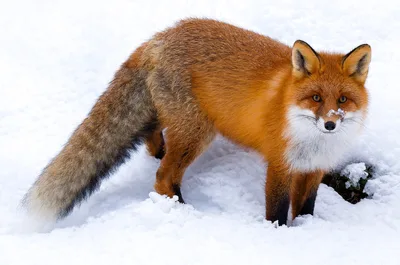 Red fox
Ecological equivalents
Related species on this site
Andean condor (same family), Argentavis Magnificens (same family), California condor (same family), King Vulture (same family), Turkey vulture (same family), African Fish Eagle (same order), and more.
 VU
Birds
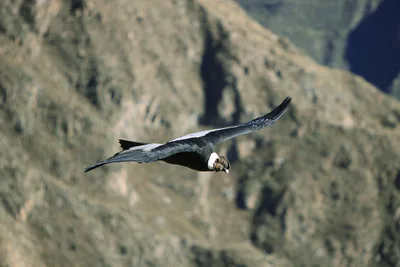
Andean condor
Vultur gryphus
The Andean condor is a huge black vulture of the Andes and the Pacific coast of South America.
Living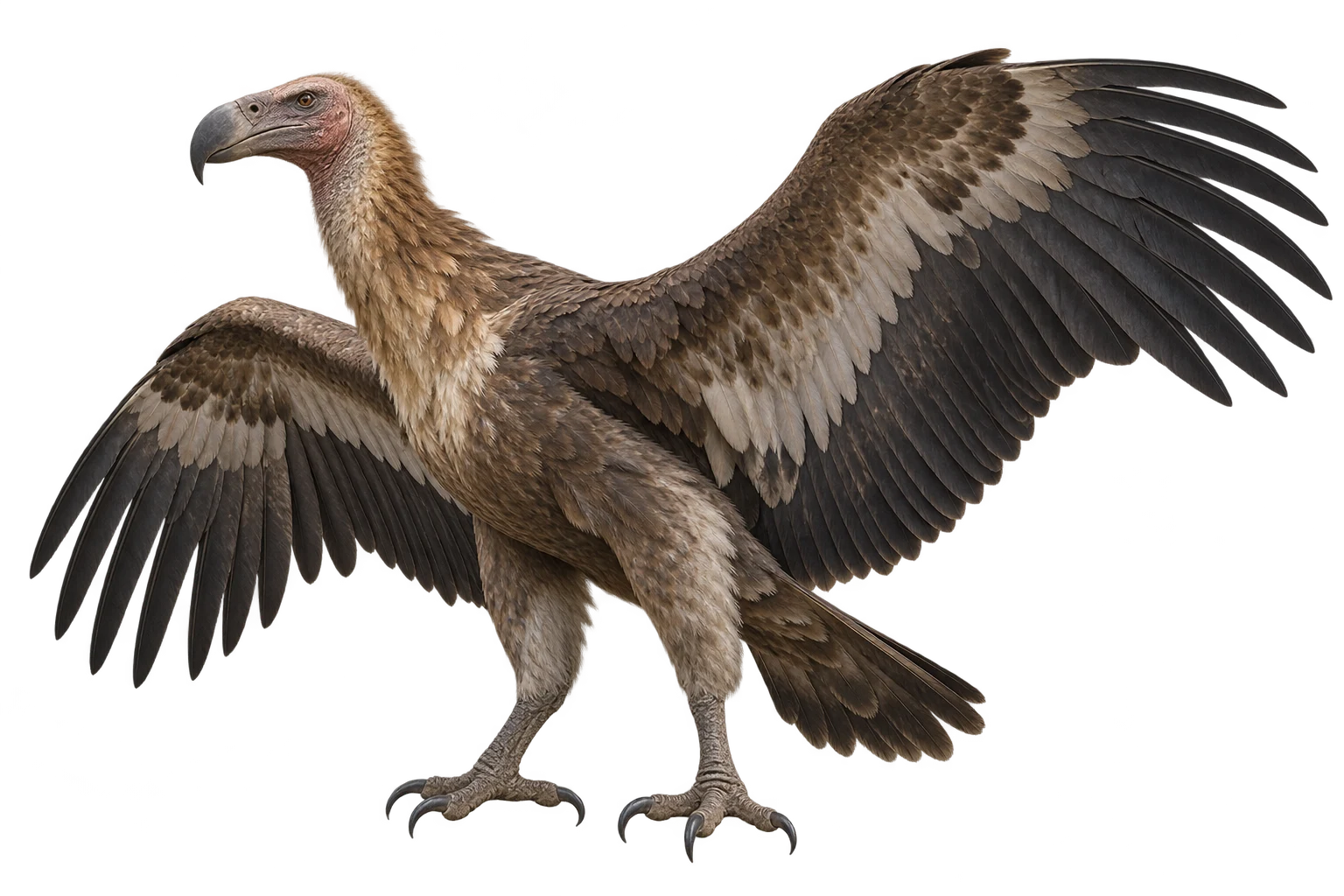
Birds
Argentavis Magnificens
Argentavis magnificens
Classification and source reference
ExtinctAI reconstruction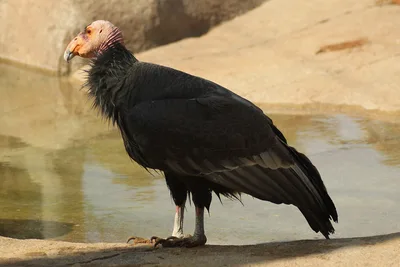 CR
Birds
California condor
Gymnogyps californianus
The California condor is the largest land bird in North America, with a wingspan of about 3 metres and a bare orange head.
Living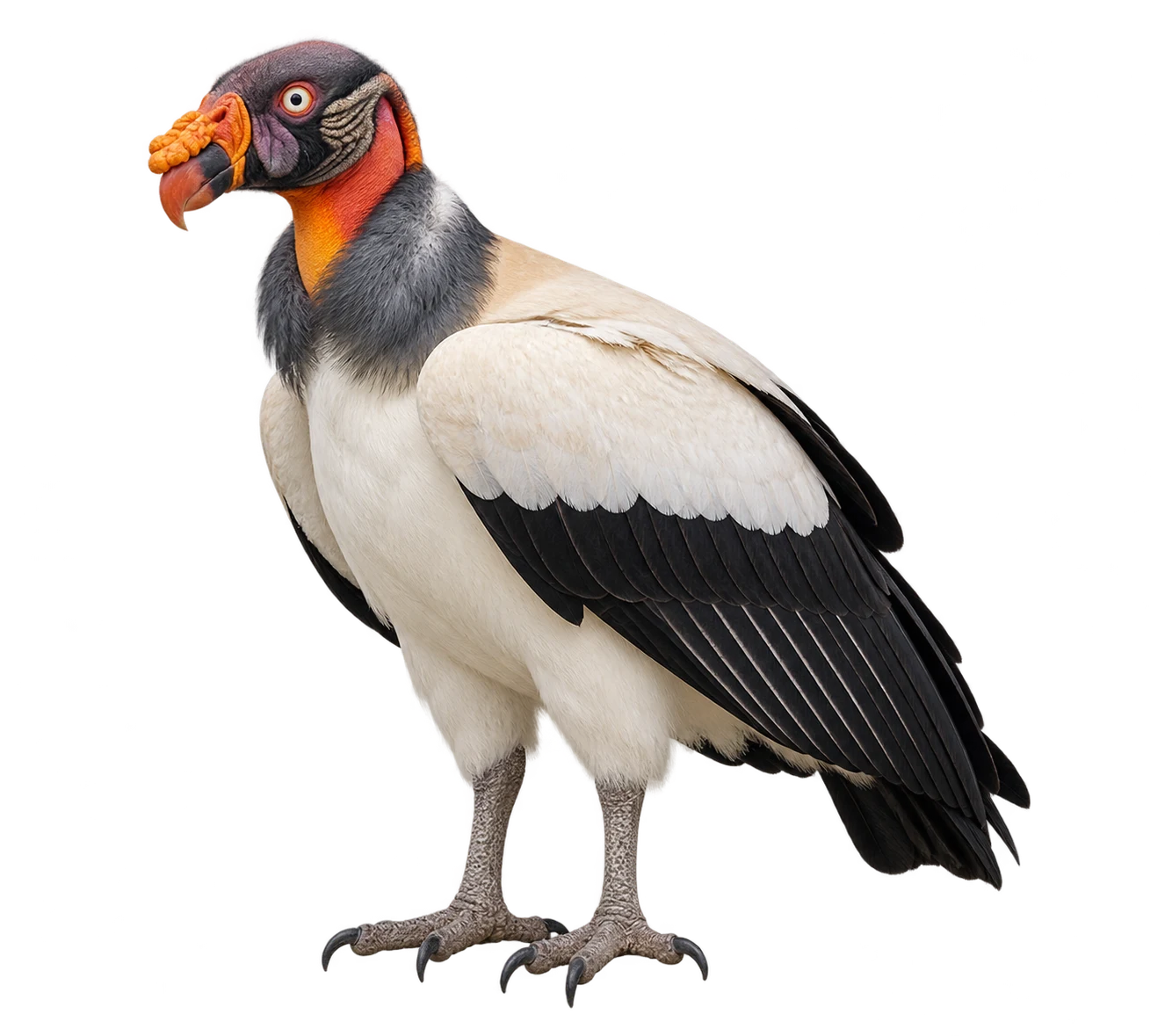
Birds
King Vulture
Sarcoramphus papa
Classification and source reference
LivingAI illustration LC
Birds
Turkey vulture
Cathartes aura
The turkey vulture is the most widespread vulture in the Americas, and it finds its food by smell.
Living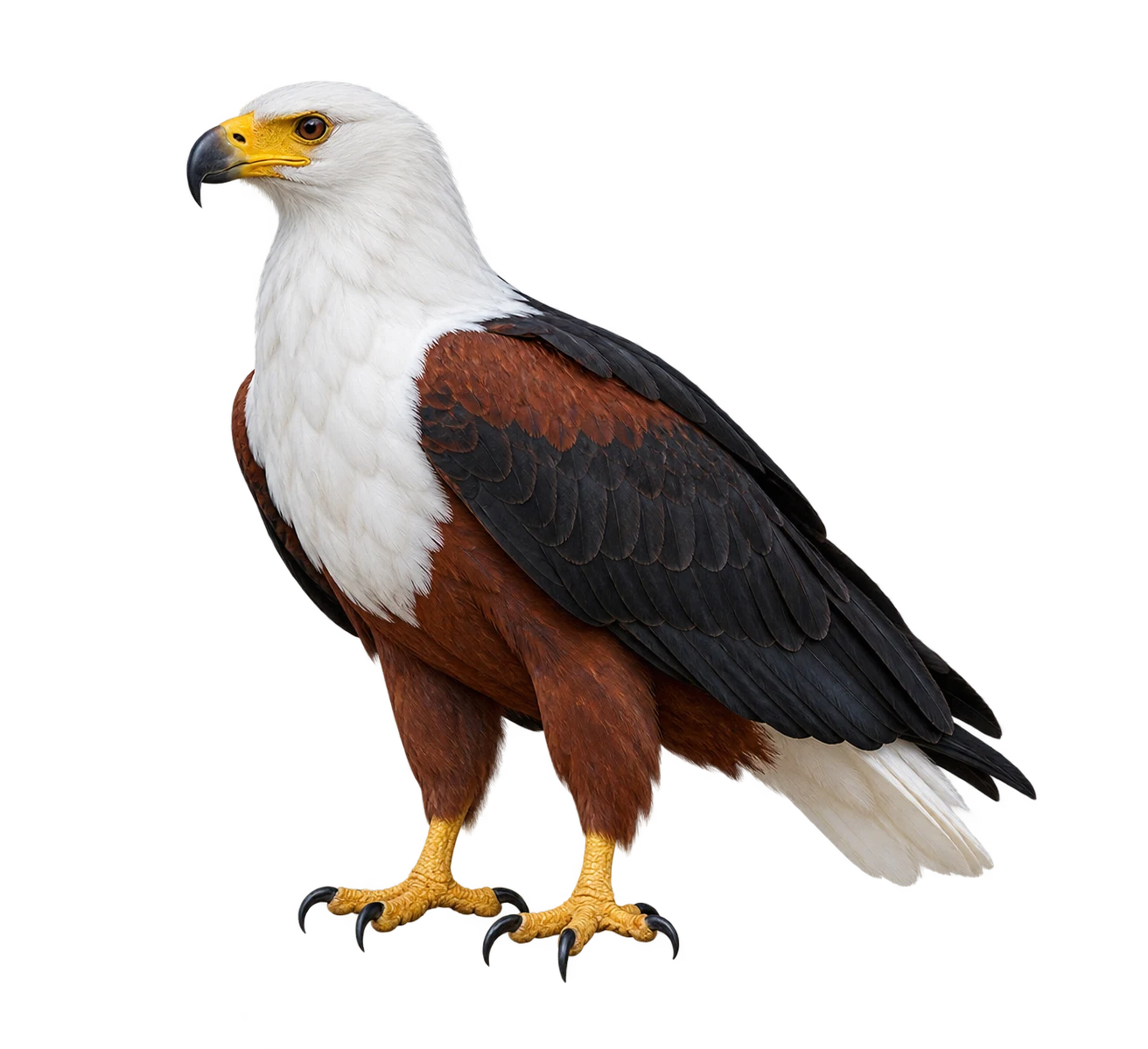
Birds
African Fish Eagle
Haliaeetus vocifer
Classification and source reference
LivingAI illustration