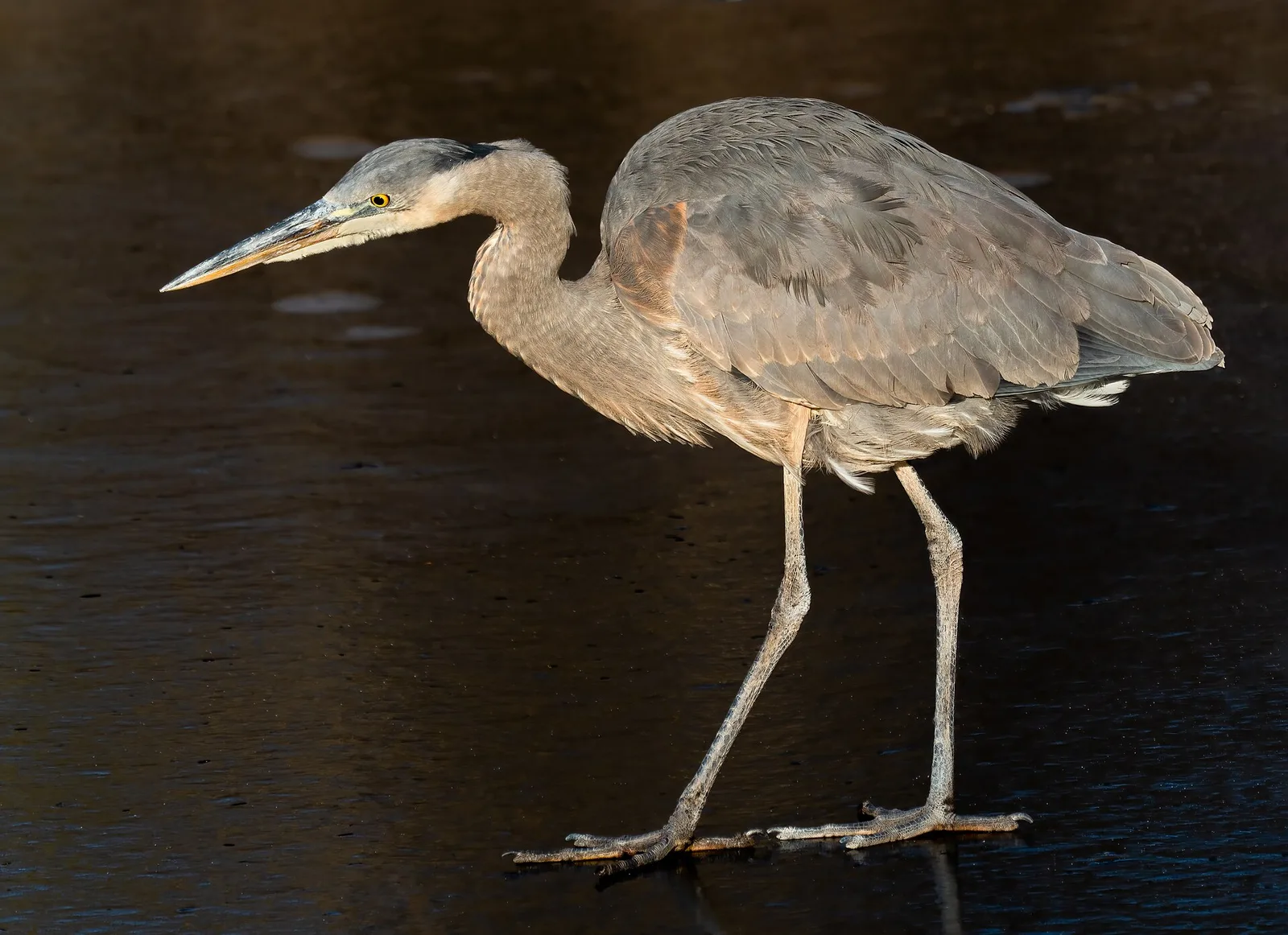
Great blue heron
A patient hunter that waits in the shallows
Ardea herodias
Also called Blue heron, Canadian heron, Great white heron
Living individuals or members of this group exist today. This does not mean they are safe from extinction.
Meet the great blue heron
The great blue heron is the biggest of the North American herons and a patient hunter of shallow water. It wades slowly, spears fish with a long bill and nests in tree top colonies called heronries.
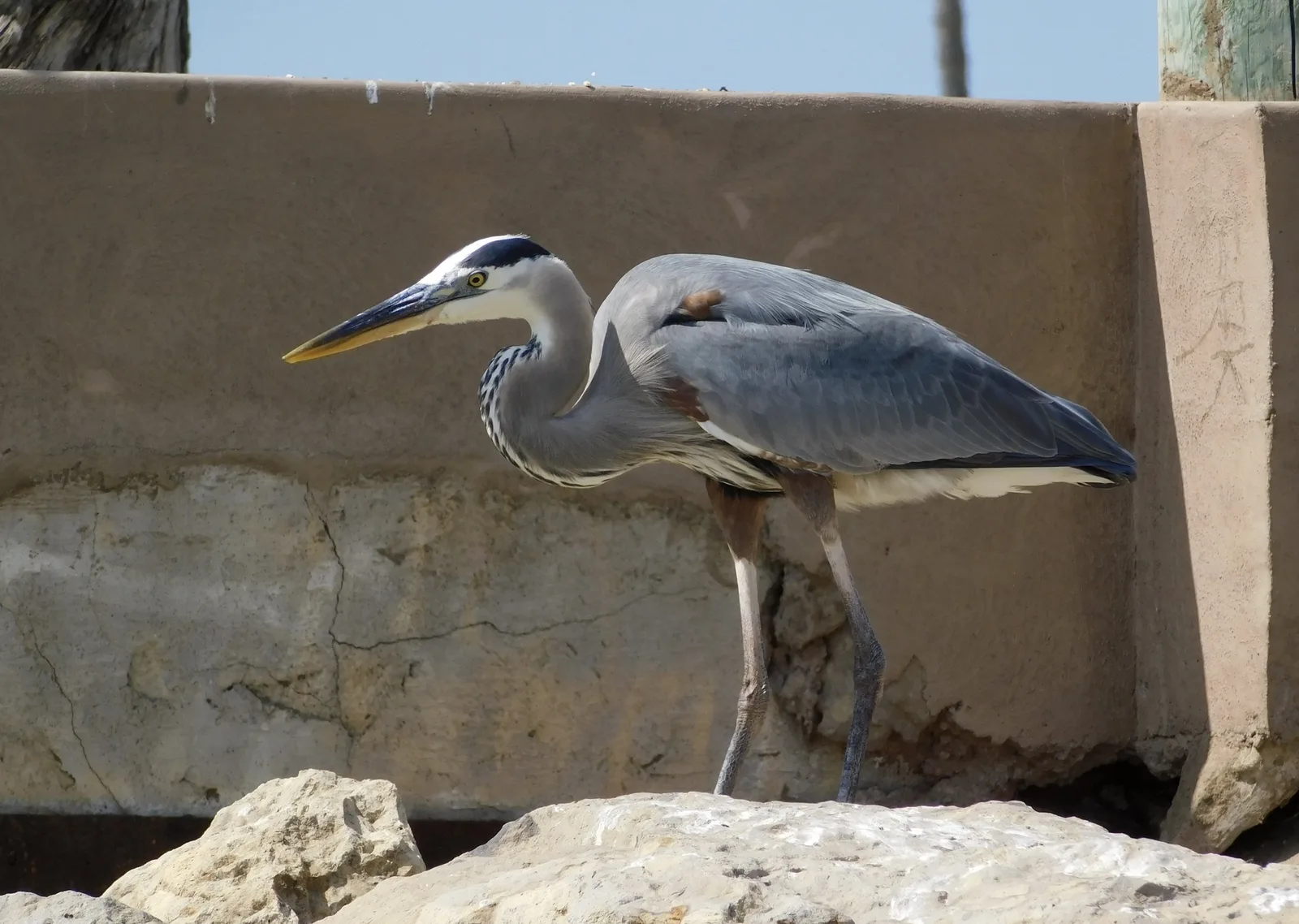
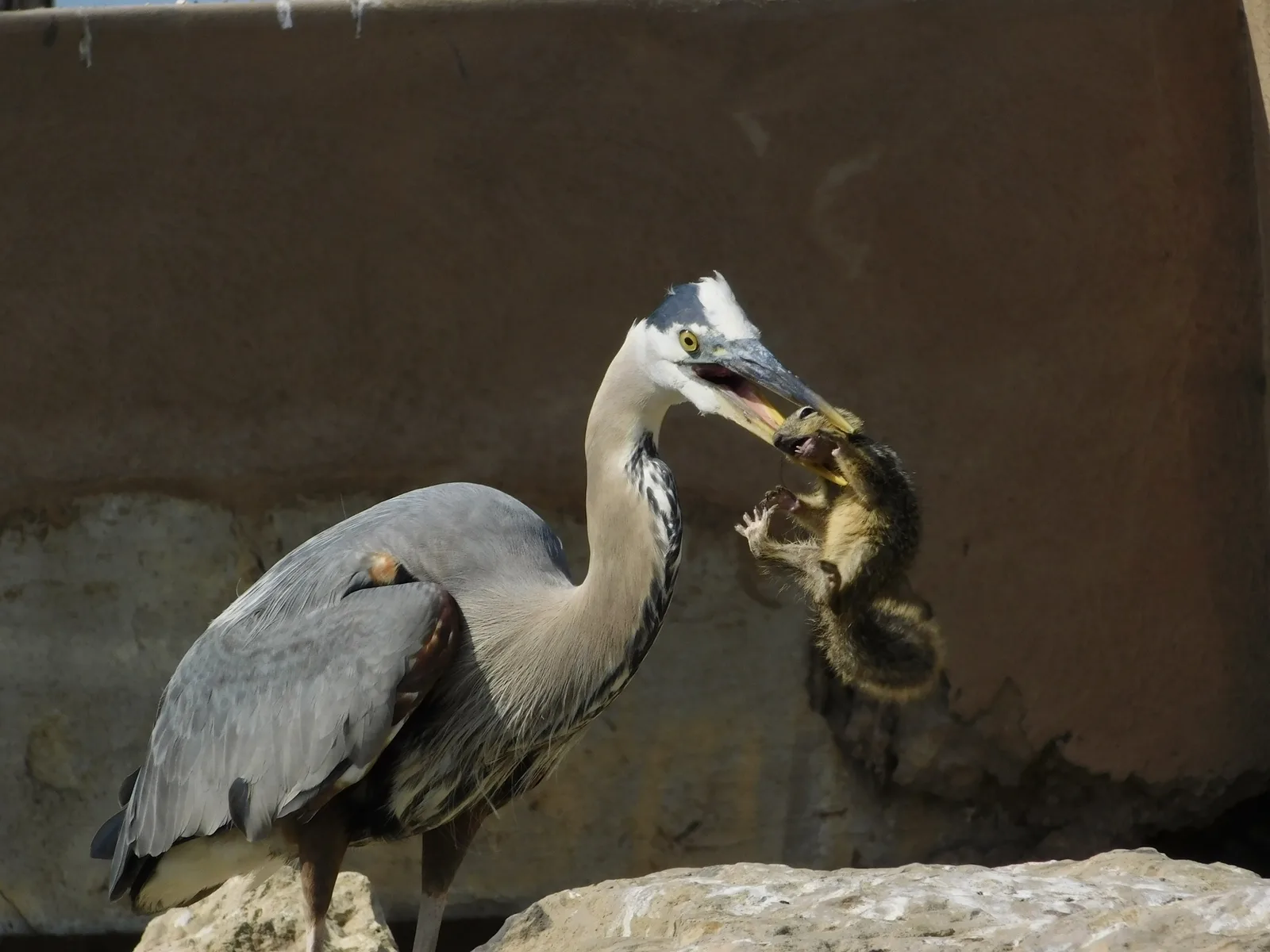
Images of the great blue heron
Lifespan in the wild
About 15 years
Weight
1.82 to 3.6 kg
Length
0.91 to 1.37 m
Height
1.15 to 1.38 m
Fact file
Great blue heron
- Location
- North and Central America, the Caribbean, north west South America and the Galapagos
- Habitat
- Wetlands, Rivers and lakes, Coast
- Diet
- Piscivore
- Prey / food
- Fish, frogs, salamanders, snakes, crayfish, voles, small birds
- Predators
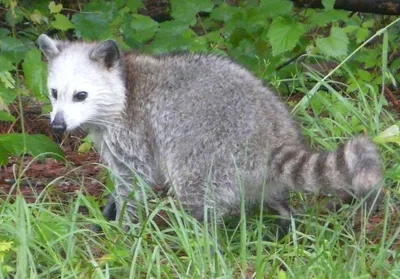
- Bald eagles; raccoons, ravens and crows take eggs and chicks
- Lifestyle
- Hunts alone by day, nests in colonies
- Group name
- Colony, called a heronry
- Name of young
- Chick
- Incubation
- Incubation about 27 days, shared by both parents
- Clutch size
- Three to six eggs
- Population
- Widespread and increasing
- Biggest threat
- Habitat loss and disturbance at nesting colonies
- Distinctive feature
- Long dagger bill and a neck folded into an S
- Colour
- Blue grey, with a white face and black head plumes
- Skin type
- Feathers
Size
Next to a person
Measurements
Size and speed
- Height
- 1.15 to 1.38 m
- Length
- 0.91 to 1.37 m head to tail
- Wingspan
- 1.67 to 2.01 m
- Tail
- 15.2 to 19.5 cm
- Weight
- 1.82 to 3.6 kg
Typical adult ranges. Source: Wikipedia.
Life cycle
Lifespan
- In the wildAbout 15, up to 24.5 years
- 024.5 years
The pale bar is the record. Source: Animal Diversity Web.
Appearance
Colour and coat
- Primary colours
- greyblue
- Secondary colours
- whiteblackbrown
- Skin type
- feathers
- Male and female
- Slight. Males are a little larger than females, and nothing in the plumage separates the two.
Life cycle
Mating and family
- Mating system
- monogamous pairs within one season
- Social structure
- solitary hunter that nests in colonies
- Breeding
- one brood a year
Males reach the colony first and claim a nest to court from. A pair builds or repairs a bulky platform of sticks in a tall tree. The clutch holds three to six pale blue eggs, laid at two day intervals. Both parents sit for about 27 days and then feed the chicks by bringing food back up. Young birds fly after about 55 to 80 days, then come back to be fed for three more weeks.
Classification
Taxonomy
- Kingdom
- Animalia
- Phylum
- Chordata
- Class
- Aves
- Order
- Pelecaniformes
- Family
- Ardeidae
- Genus
- Ardea
- Species
- Ardea herodias
Conservation
Red List status
- LC
- NT
- VU
- EN
- CR
- EW
- EX
Least Concern on the IUCN Red List
Range
Recorded in 3 countries
Habitat layer: flooded grassland and savanna, mangrove.
Countries from 332,937 wild records on GBIF (iNaturalist research grade), filtered and checked by hand. Country shapes: Natural Earth. Habitat: RESOLVE Ecoregions 2017, CC BY 4.0. Basemap: Natural Earth.
Habitats
Three things to know
- 1
The bird folds its neck into an S in flight, which sets it apart from a crane.
- 2
A single colony can hold as many as 500 stick nests.
- 3
South Florida holds an all white form, which people call the great white heron.
Did you know
Seven more facts
- 1
The bill turns orange for a short time at the start of the breeding season.
- 2
A heron takes a stride of about 22 centimetres, almost in a straight line.
- 3
In Nova Scotia flounder made up 98 per cent of what herons ate.
- 4
One study in Idaho found voles made up as much as 40 per cent of the diet.
- 5
A nest reused for years can grow wider than 120 centimetres.
- 6
Most herons take a new mate every year, even when they reuse a nest.
- 7
The heron holds 20 or 21 neck bones, more than most birds of its size.
Field notes
How it looks and acts
Field notes
Distinguishing features
- A blue grey body with a nearly white face.
- A pair of black plumes running back from above the eye.
- A long, straight, dagger shaped bill in dull yellow.
- Red brown thighs and a red brown stripe up each flank.
- A wingspan of 167 to 201 centimetres.
- A neck folded into an S during flight.
Field notes
Unique adaptations
- Long legs that reach deeper water than other herons can work.
- A modified neck that snaps forward to spear prey.
- Powder down feathers that clean and waterproof the plumage.
- A very broad diet, which lets the bird change food with the season.
- Colony nesting on islands and high branches, which probably lowers the risk from mammals.
Field notes
Interesting behaviours
- Wades slowly through shallow water and stabs at a fish.
- Stands motionless for long periods while watching the water.
- Dives head first or drops feet first onto the surface.
- Roosts at night in flocks of more than a hundred birds.
- Claps the two halves of the bill together during courtship.
Field notes
Temperament
- Solitary and quiet when hunting.
- Territorial over a fishing spot and over a nest.
- Tolerant of towns and cities where the water holds fish.
- Easily disturbed at a nesting colony.
Field notes
Communication
- A soft kraak from a bird flushed in flight.
- A harsh fraunk near the nest, lasting about 20 seconds.
- A short ar as a greeting to another heron.
- Bill clapping between a courting pair.
- Stretched necks and raised crest feathers in display.
Ecology
Ecological role
The great blue heron is a top predator in North American wetlands and a measure of their health.
- It controls populations of fish, amphibians and insects across many habitats.
- Its eggs and chicks feed eagles, raccoons, ravens and crows.
- Contaminants build up in its body, so it shows the state of a wetland.
- Its colonies give nest space to smaller herons and other waterbirds.
Stories
Myths and legends
- In ancient Egyptian religion the Bennu, drawn as a grey heron, stood for the sun and rebirth.
- In Greek retellings the Bennu became the phoenix.
- In older English usage the collective term for these birds is a siege.
- In English writing the word heronshaw survives, in a corrupted form, in a line of Hamlet.
- In Russian heraldry the town of Priozersk carries a grey heron on its arms.
People
Relationship with humans
People
Living alongside us
The great blue heron lives easily beside people wherever the water holds fish. It raids garden ponds, and owners use netting or a decoy bird to keep it away. Disturbance at a nesting colony is the real problem, because repeated visits make the birds abandon eggs. The bird is protected in the United States under the Migratory Bird Treaty Act.
- The heron weighs 1.82 to 3.6 kilograms and keeps well away from people.
- A cornered bird may stab with its long bill, so nobody should handle one.
- The bird has no known harmful effect on people beyond taking pond fish.
People
Status, uses and products
- Domestication
- Wild
- As a pet
- Not suitable. The great blue heron is a large protected wild bird that needs open water and live fish. Watch it from a distance instead.
- Uses
- birdwatchingwetland health monitoring
- Products
- None recorded
The full account
About the great blue heron
No heron in North America grows larger than this one. It stands 115 to 138 centimetres tall and spans 167 to 201 centimetres across the wings. The plumage is blue grey, with a nearly white face and a black plume behind the eye. The bird hunts in shallow water and spears its prey with a long, sharp bill. Fish come first in the diet, but the heron takes almost any animal it can swallow.
The species lives near open water across most of North and Central America. It also reaches the Caribbean, north west South America and the Galapagos Islands. Pairs nest in colonies of stick nests, usually in tall trees beside water. A white form in south Florida is known as the great white heron. The IUCN lists the great blue heron as Least Concern, and numbers are rising.
Name and taxonomy
Carl Linnaeus described the great blue heron in the 18th century. The scientific name uses two old words for a heron. Ardea is Latin and herodias comes from Ancient Greek. Five subspecies are recognised. They differ only slightly in size and in the tone of the plumage.
The Florida subspecies occidentalis also has an all white form. That form is the great white heron, and it lives mainly near salt water. It differs in bill shape, in plume length and in the total lack of pigment. People long treated it as a separate species, and the argument is not settled. Birds between the two forms are called Würdemann's heron. A Würdemann's bird has a blue grey body and a white head.
Evolution and relatives
The great blue heron belongs to the genus Ardea, the typical large herons. It forms a superspecies with the grey heron of Eurasia and the cocoi heron of South America. The grey heron fills the same role in the Old World. That bird is smaller, at 90 to 98 centimetres, and lacks the brown tones. The cocoi heron has a white neck and a solid black crown.
Only the goliath heron and the white-bellied heron are larger. A great blue heron weighs about twice as much as a great egret. A large goliath heron weighs roughly twice as much again. Like all herons, it carries 20 or 21 neck bones of a modified shape. That neck folds into a tight S, which cranes cannot do.
Appearance
The bird measures 91 to 137 centimetres from head to tail. It weighs 1.82 to 3.6 kilograms. Males in British Columbia averaged 2.48 kilograms and females 2.11 kilograms. The tail is short for the body, at 15.2 to 19.5 centimetres. A walking heron takes a stride of about 22 centimetres, almost in a straight line.
The flight feathers are slaty grey with a faint blue cast. The thighs are red brown, and a red brown and black stripe runs up each flank. The neck is rusty grey, streaked black and white down the front. The face is nearly white, and a pair of dark plumes runs back from above the eye. Long plume feathers hang from the lower neck.
The bill is a dull yellow for most of the year. It turns orange for a short time as the breeding season opens. The lower legs are grey and also flush orange at that time. Males are slightly larger than females, and nothing else separates the sexes. Young birds are duller, with a dark crown, no plumes and a weak flank pattern.
Habitat and range
The heron breeds north to Alaska and the southern provinces of Canada. In winter the range runs south through Florida, Mexico and the Caribbean. Birds reach Colombia and Venezuela regularly. GBIF records the species in 63 countries. Vagrant birds have reached England, Greenland, Hawaii and also the Azores.
Almost any wetland in the range will do. Herons use fresh and salt marshes, mangrove swamps, flooded meadows and lake edges. Some birds nest at elevations up to 1,500 metres. The species does well in built up places, so long as the water holds fish. Herons rarely move far from water, though they sometimes fly over dry land.
Birds east of the Rocky Mountains and in the north are migratory. They winter on the coasts of the southern United States and further south. From the southern states down, and along the lower Pacific coast, birds stay all year. A heron can sit out a cold northern winter where flowing water stays open. A frozen lake would starve a bird that lives on fish.
Diet and feeding
Fish are the main food. The heron prefers fish of about 10 to 20 centimetres, but it can take much larger ones. Recorded prey includes fish 60 centimetres long and weighing around 900 grams. In Nova Scotia flounder made up 98 per cent of the diet. Sticklebacks, sculpins, gunnels and perch dominate in British Columbia.
The bird also eats frogs, toads, salamanders, small turtles, snakes and lizards. It has swallowed water snakes 105 centimetres long. Crayfish, shrimp, crabs, dragonflies and grasshoppers add to the diet. Shrews, rats, ground squirrels and moles are taken on land. One study in Idaho found voles made up 24 to 40 per cent of the food. Herons occasionally take small birds, including grebes and rails.
The usual method is to wade slowly and then stab with the bill. Most feeding happens in water less than 50 centimetres deep, or right at the edge. Dawn and dusk are the busiest times, though the bird also feeds at night. Long legs let it work deeper water than smaller herons can reach. Prey is located by sight and swallowed whole. A heron can choke on prey that is too large.
Behaviour and social life
The great blue heron hunts alone and defends its fishing spot. Loose flocks sometimes gather where fish are shoaling. A group finds a shoal more easily than a single bird. At night birds may roost together in flocks of more than a hundred. The species is territorial and defends the nest hard.
Hunting styles vary more than the slow walk suggests. A heron will stand still, probe, peck, run, hover or dive head first. It also drops onto the water feet first and can swim on the surface. Some herons hunt mice in dry ground far from water. The neck stays folded in flight, which tells a heron from a crane at a distance.
Communication and senses
The great blue heron is quiet compared with other herons. A disturbed bird in flight gives a soft kraak. A bird disturbed near the nest gives a harsh fraunk that can last about 20 seconds. A short ar greets another heron. Researchers count up to seven different calls.
Birds also clap the two halves of the bill together. Courtship uses stretched necks, raised crests and fluffed neck plumes. A male may circle the nest in flight or shake a twig at a female. The heron finds its food by sight, so it hunts best in daylight. Like other herons, it carries powder down, which helps clean and waterproof the plumage.
Reproduction and life cycle
Great blue herons nest in colonies, called heronries. A colony may hold from five to 500 nests, and about 160 is average. Heronries sit within about 4 to 5 kilometres of good feeding water. Sites are hard to reach on foot, such as islands or high branches. Where trees are absent, birds nest on the ground, on cacti or on artificial platforms.
Northern birds breed from March to May, and southern birds from November to April. Males arrive first and take a nest, then court from it. Pairs are monogamous within one season, and most birds take a new mate the next year. The nest is a bulky platform of sticks, about 50 centimetres across when new. Years of reuse can widen it beyond 120 centimetres. Nests in trees usually sit 9 to 21 metres above the ground.
The female lays three to six pale blue eggs, one every two days. Each egg weighs 61 to 80 grams. Both parents incubate for about 27 days, and the male sits for about half the day. Chicks hatch over several days rather than together. The first chick handles food better and often grows faster than the rest. One brood is raised each year.
Both parents feed the chicks by bringing food back up from the crop. A parent feeding chicks eats up to four times as much as one that is only incubating. At 45 days old a chick weighs 86 per cent of an adult. First flight comes after about 55 days in Alberta and about 80 days in California. Young birds return to be fed for about three more weeks. Herons can breed at about 22 months old.
Predators and threats
A full grown heron is a hard target, because of its size and its dagger of a bill. Bald eagles attack the species at every stage, from egg to adult. Golden eagles and great horned owls take adults less often. In one recorded fight a heron fatally wounded a golden eagle and then died of its own injuries. A bobcat once killed an adult heron, and a young Harris's hawk killed a subadult.
Turkey vultures, ravens and crows take eggs and small chicks. Red-tailed hawks, black bears and raccoons take larger nestlings. More than two thirds of young herons die before their first birthday. A colony sometimes empties after a predator kills a bird inside it. Collisions with power lines kill many birds each year.
Population and conservation
The IUCN lists the great blue heron as Least Concern. The population is widespread and increasing. The species needs no special protection at present. In the United States the Migratory Bird Treaty Act covers it. Habitat destruction is the largest threat to the species.
Human disturbance at a heronry causes most breeding failures. Repeated visits early in the season make birds abandon eggs or chicks. Some colonies still thrive beside busy places. Stanley Park in Vancouver has held as many as 183 nests near its main entrance. The heron sits at the top of its food web, so contaminants build up in its body. That makes it a useful measure of the health of a wetland.
Relationship with humans
Great blue herons live comfortably alongside people where water holds fish. They visit garden ponds and take expensive ornamental fish. Netting over a pond keeps them out. Some pond owners set out a decoy heron, because the birds avoid an occupied spot. The bird has no other notable economic effect on people.
Egg collectors and hunters once disturbed colonies. Recreation near a heronry is now the main source of trouble. A heron is probably the easiest large bird to watch, because it stands still for long periods. Photographers and birdwatchers may cause a colony to fail, so they should keep well back. A cornered bird may defend itself with the bill.
In culture and myth
In ancient Egyptian religion the Bennu was a god of the sun, creation and rebirth. New Kingdom artists drew it as a big grey heron carrying a crest of two feathers. Its title says that it came into being by itself. Texts say it flew over the water that existed before creation and called out from a rock. The Bennu appears on funerary amulets to mean rebirth, and Greek writers tied the story to the phoenix.
In English tradition a group of herons is called a siege. Heronshaw is an old English word for the same bird. A corrupted form of that word appears in Hamlet. In Russian civic heraldry the arms of Priozersk carry a grey heron. People in North America sometimes call this bird a crane, which is wrong.
John James Audubon painted the great blue heron for Birds of America. The plate was engraved and coloured in London. The original watercolour is held in New York. An orange version of the bird has been the badge of a minor league baseball team since 1996. The great white heron appears in the badge of a football club in Miami.
A sentence with a dotted underline is inferred: it describes the group the animal belongs to, or is a reading of the sources, rather than a measured or reported fact about this species.
Questions
Great blue heron questions, answered
How big is a great blue heron?
It stands 115 to 138 centimetres tall and measures 91 to 137 centimetres from head to tail. The wingspan is 167 to 201 centimetres and the weight is 1.82 to 3.6 kilograms.
What do great blue herons eat?
Fish come first, usually ones of about 10 to 20 centimetres. The bird also takes frogs, salamanders, snakes, crayfish, insects, small mammals and the odd small bird.
How does a great blue heron hunt?
It wades slowly through shallow water and watches for movement. When prey comes close it snaps the folded neck forward and spears or grabs it with the bill. The catch is swallowed whole.
Is a great blue heron a crane?
No. Herons and cranes belong to different groups, and the easiest test is flight. A heron folds its neck into an S, while a crane holds its neck straight.
Where do great blue herons nest?
They nest in colonies called heronries, usually in tall trees near water. A colony holds five to 500 nests, with about 160 as the average.
How many eggs does a great blue heron lay?
Three to six pale blue eggs, laid about one every two days. Both parents incubate for about 27 days.
How long do great blue herons live?
The average is around 15 years, and the oldest wild bird on record reached 24.5 years. More than two thirds of young birds die in their first year.
Do great blue herons migrate?
Northern birds and those east of the Rocky Mountains move south for the winter. Birds from the southern states down stay all year, and some northern birds stay where the water does not freeze.
What is a great white heron?
It is an all white form of this species found in south Florida and the Florida Keys. Experts still argue whether it is a colour morph, a subspecies or a separate species.
Are great blue herons endangered?
No. The IUCN lists the species as Least Concern, and the population is increasing. Habitat loss is the main long term threat.
What sound does a great blue heron make?
It is a quiet bird for its size. A flushed heron gives a soft kraak, and a bird disturbed at the nest gives a harsh fraunk.
Do great blue herons eat pond fish?
Yes, and they will clear an ornamental pond. Netting over the water is the usual answer, and some owners set out a decoy heron.
What eats a great blue heron?
Bald eagles attack birds of every age. Golden eagles and great horned owls take adults less often, and raccoons, crows and ravens take eggs and chicks.
Why do herons stand still for so long?
The bird hunts by sight and waits for prey to come within reach of the bill. Standing still keeps it from scaring fish away.
Where do great blue herons live?
They live near open water across most of North and Central America, the Caribbean, north west South America and the Galapagos Islands. Any wetland with fish will do.
What is a group of herons called?
A nesting colony is a heronry. In older English usage a group of herons is a siege.
Food web
Prey and food
- fish
- frogs
- salamanders
- snakes
- crayfish
- voles
- birds
Food web
Predators
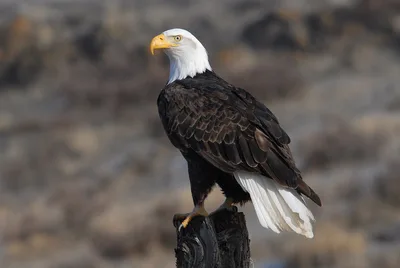 Bald eagle
 Raccoon
- ravens
- crows
Ecological equivalents
Related species on this site
Great egret (same genus), Grey heron (same genus), Egret (same family), Green Heron (same family), Heron (same family), Night Heron (same family), and more.
 LC
Birds
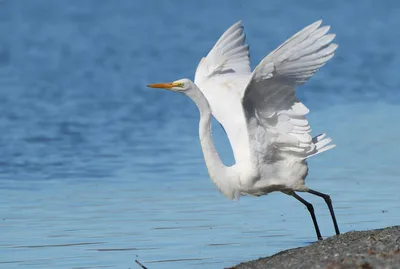
Great egret
Ardea alba
The great egret is a tall white heron that hunts fish in shallow water on six continents.
Living LC
Birds
Grey heron
Ardea cinerea
The grey heron is a tall grey and white wading bird of European, Asian and African wetlands.
Living
Birds
Egret
Ardeidae
Egrets are herons known for pale plumage in several species.
Living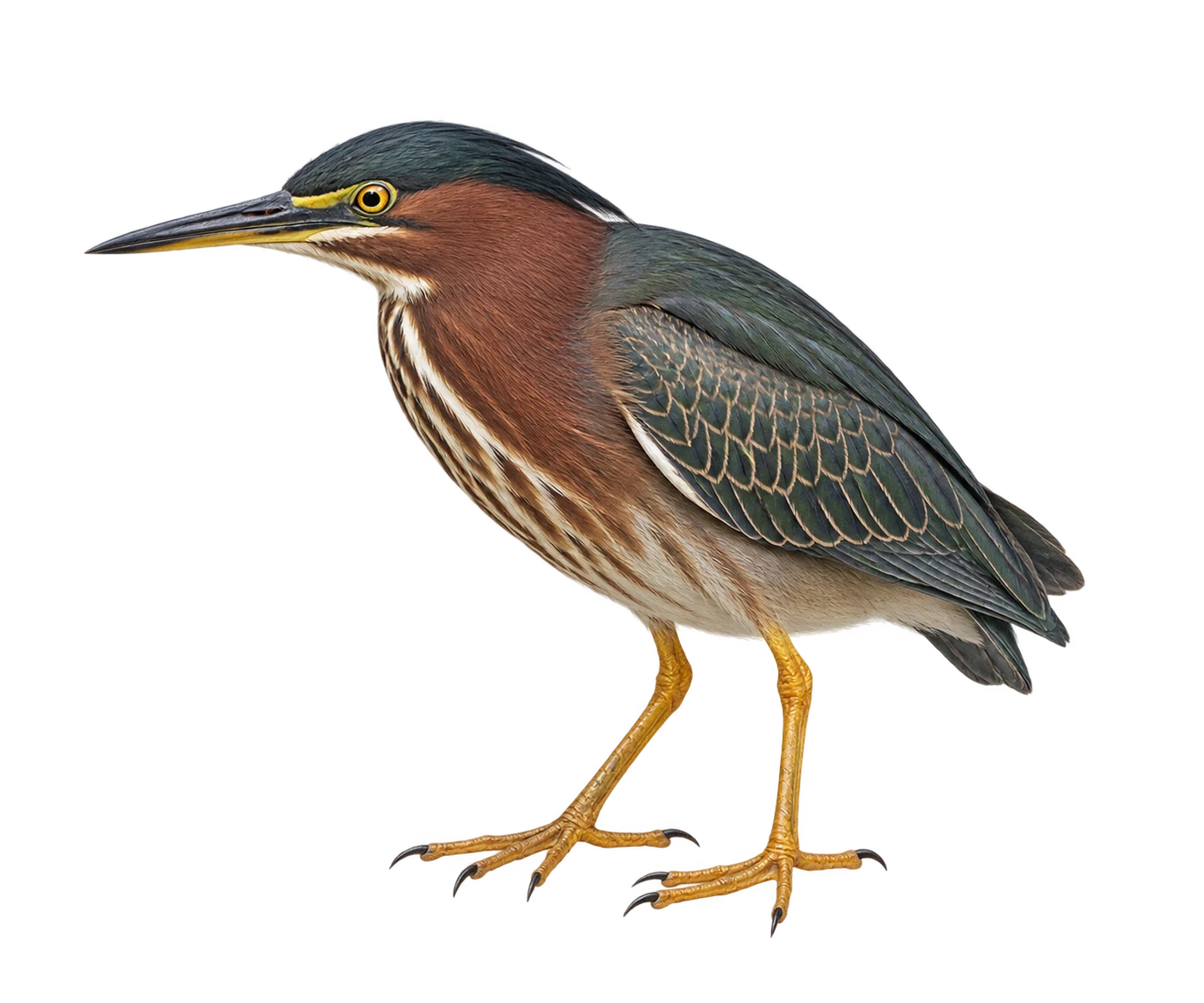
Birds
Green Heron
Butorides virescens
Classification and source reference
LivingAI illustration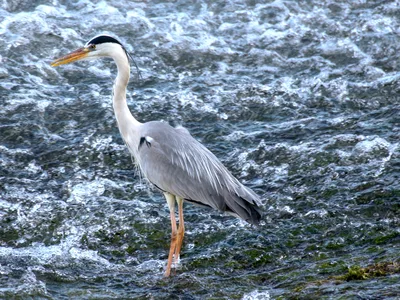
Birds
Heron
Ardeidae
Herons are long-legged waterbirds.
Living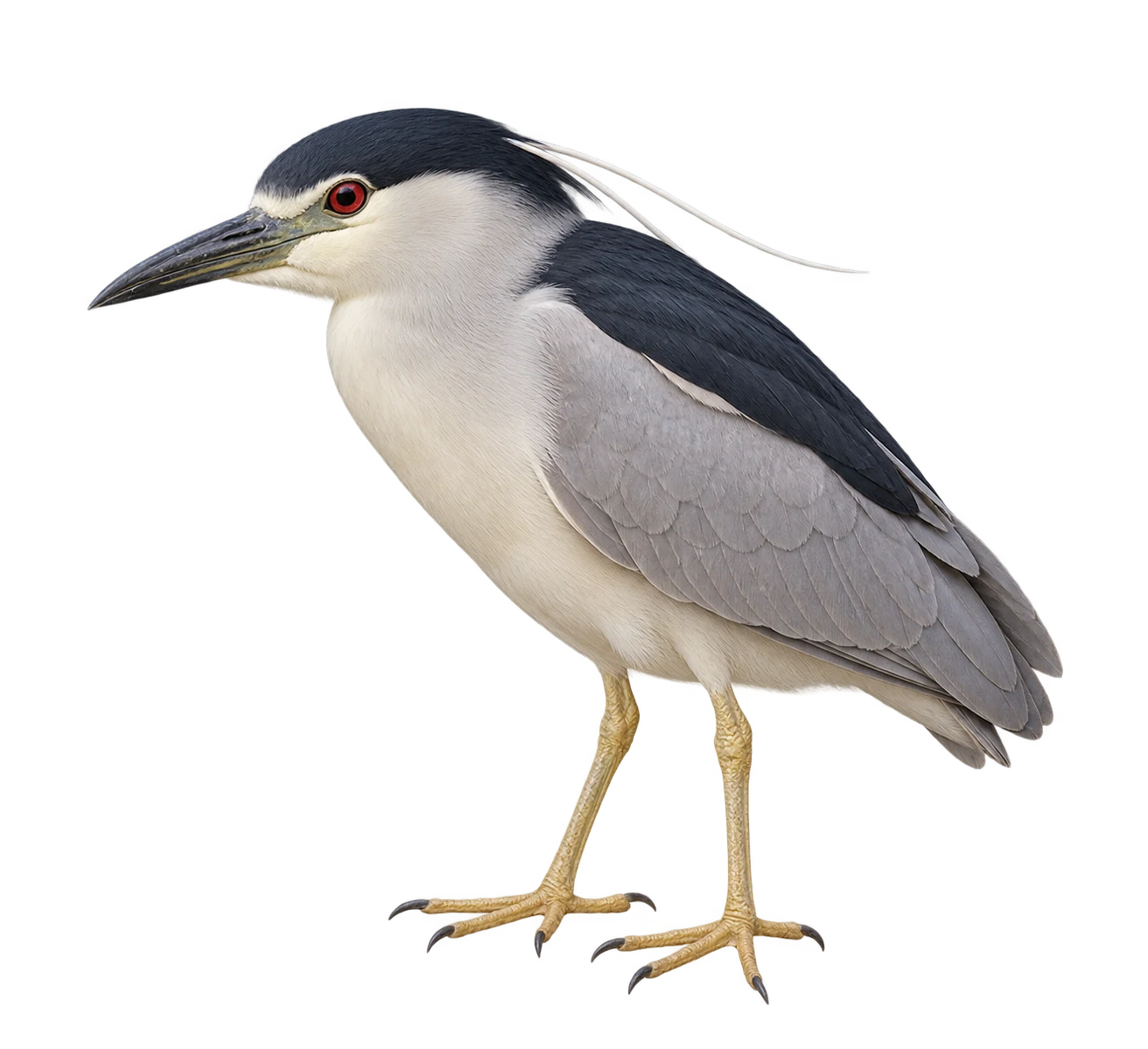
Birds
Night Heron
Nycticorax nycticorax
Classification and source reference
LivingAI illustration