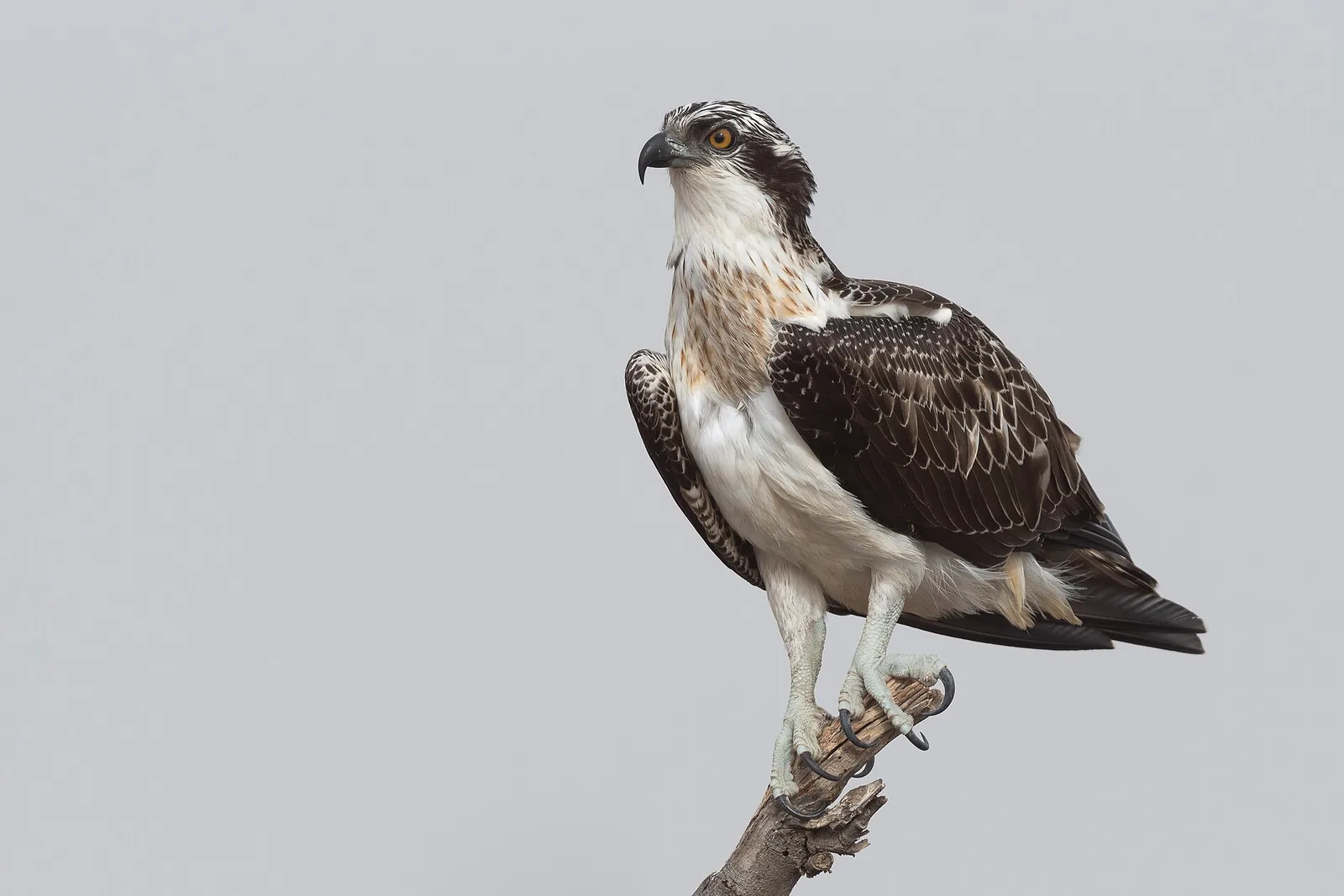
Osprey
The raptor that dives feet first for fish
Pandion haliaetus
Also called Fish hawk, Sea hawk, River hawk, Western osprey
Living individuals or members of this group exist today. This does not mean they are safe from extinction.
Meet the osprey
The osprey is a large brown and white raptor that lives on fish and hunts by plunging feet first into water. It breeds on every continent except Antarctica and is one of the most widespread birds of prey.
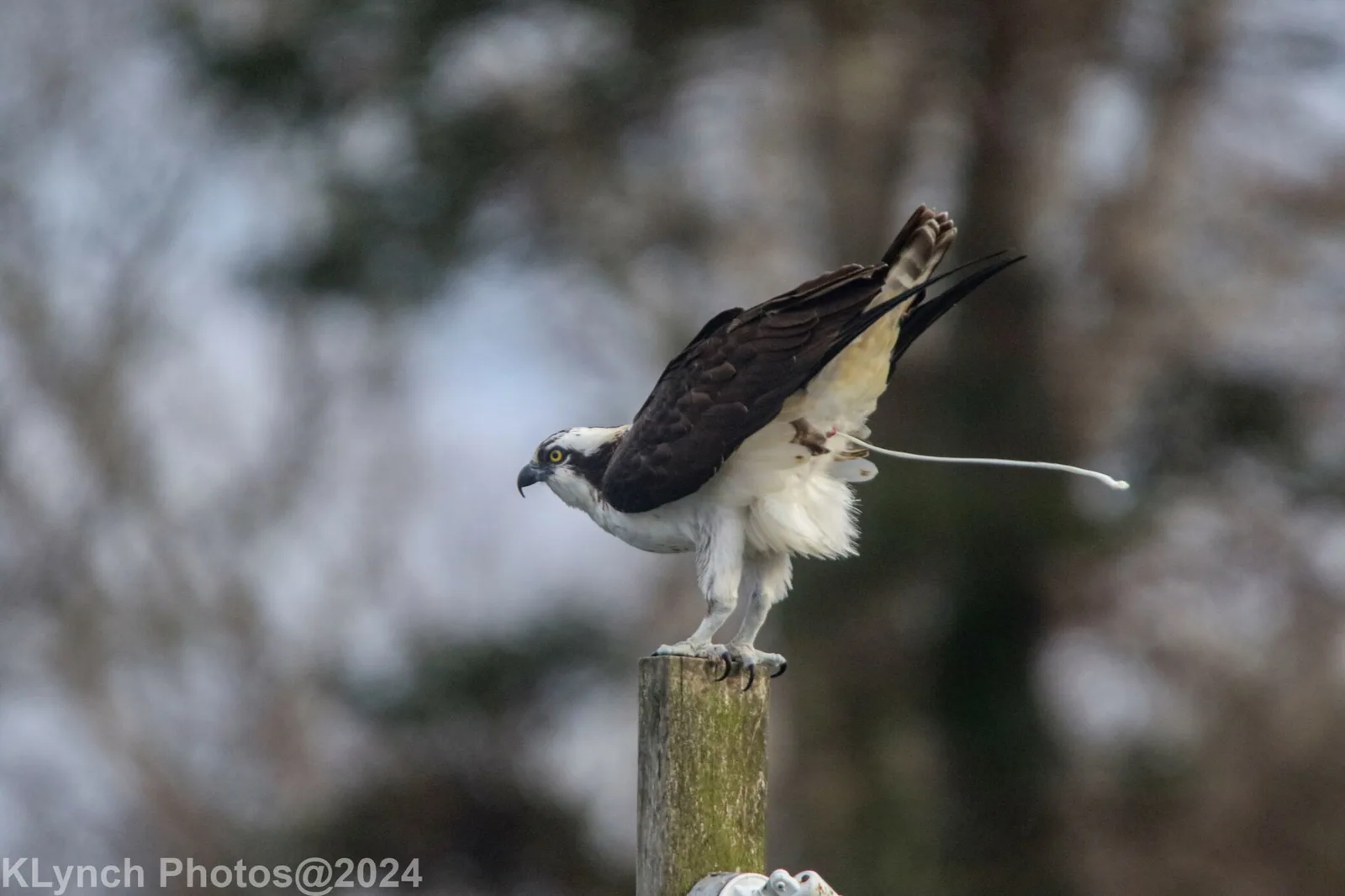
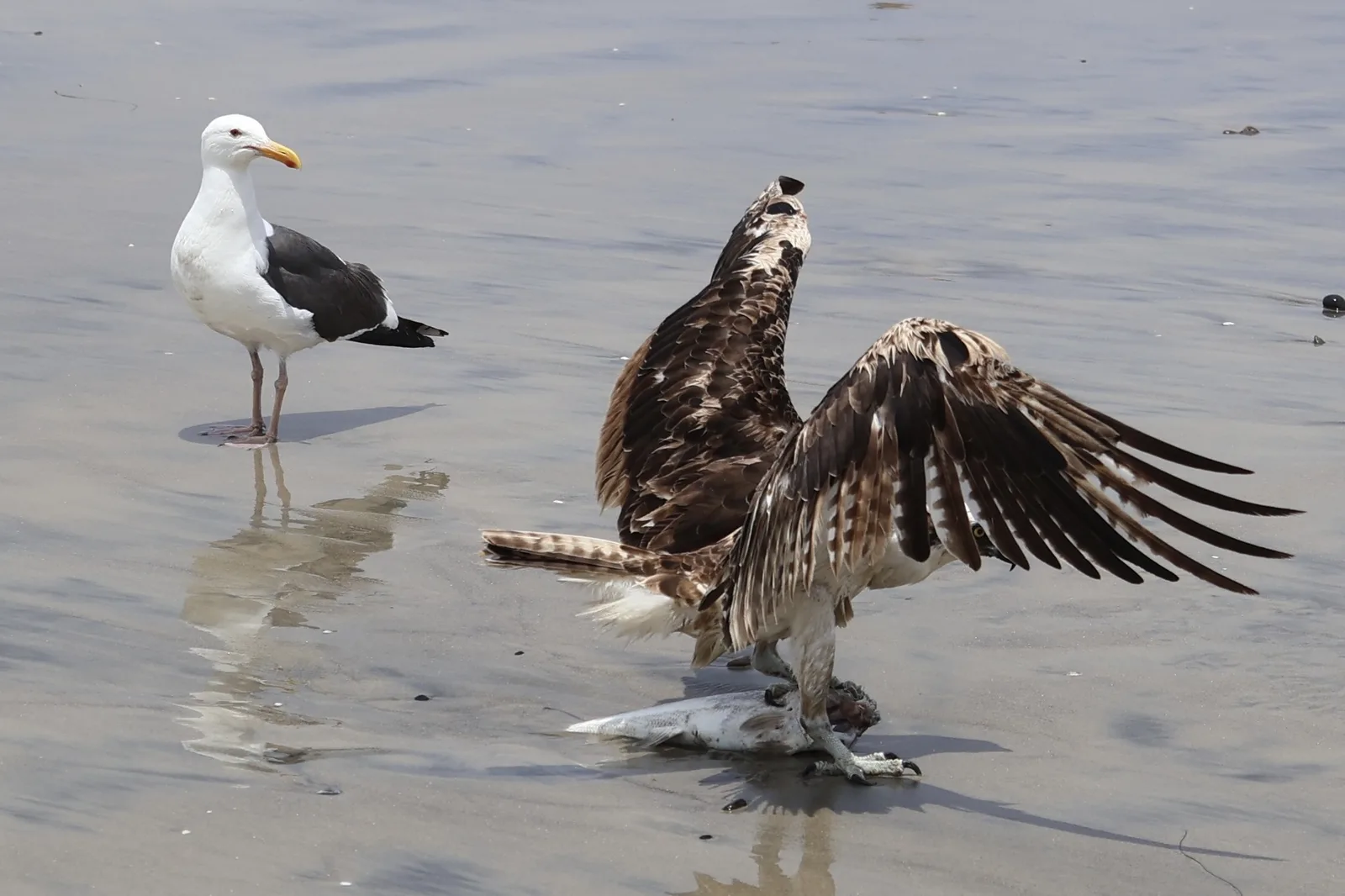
Images of the osprey
Lifespan in the wild
7 to 10 years the typical range comes from Wikipedia; AnAge records 32 years as the maximum
Weight
0.9 to 2.1 kg
Length
50 to 66 cm
Wingspan
1.27 to 1.8 m
Fact file
Osprey
- Location
- Every continent except Antarctica
- Habitat
- Rivers and lakes, Coast, Wetlands
- Diet
- Piscivore
- Prey / food
- Fish of many kinds, usually 25 to 35 cm long, including northern pike
- Predators
- Bald eagles and great horned owls take chicks; raccoons and snakes raid nests
- Lifestyle
- Active by day; many populations migrate
- Group name
- None; pairs nest alone or in loose groups
- Name of young
- Chick
- Incubation
- Incubation 35 to 43 days
- Clutch size
- 2 to 4 eggs
- Population
- About 460,000 worldwide
- Biggest threat
- Loss of nest sites, and pollution of fishing waters
- Distinctive feature
- A dark eye mask and a reversible outer toe
- Colour
- Dark brown above, white below
- Skin type
- Feathers
Size
Next to a person
Measurements
Size and speed
- Length
- 50 to 66 cm bill to tail
- Wingspan
- 1.27 to 1.8 m
- Weight
- 0.9 to 2.1 kg
- Weight, male
- 1.2 to 1.6 kg North America
- Weight, female
- 1.6 to 2 kg North America
Typical adult ranges. Sources: Wikipedia, Animal Diversity Web.
Life cycle
Lifespan
- In the wild7 to 10, up to 32 years the typical range comes from Wikipedia; AnAge records 32 years as the maximum
- 032 years
The pale bar is the record. Source: AnAge.
Appearance
Colour and coat
- Primary colours
- brownwhite
- Secondary colours
- blackgrey
- Skin type
- feathers
- Male and female
- Modest. Females are about 20 per cent heavier and carry a stronger brown necklace across the chest. Males are slimmer, with narrower wings and a fainter breast band.
Life cycle
Mating and family
- Mating system
- monogamous pairs, usually for life
- Social structure
- solitary pairs, sometimes in loose colonies
- Breeding
- one clutch a year
A pair returns to the same nest each season and rebuilds it. The female lays two to four eggs, and both birds incubate them for about 35 to 43 days. The chicks hatch in order, and the first out has the advantage when food is short. The male brings every fish while the female broods the young. The young fly at 48 to 76 days and first breed at about three years.
Classification
Taxonomy
- Kingdom
- Animalia
- Phylum
- Chordata
- Class
- Aves
- Order
- Accipitriformes
- Family
- Pandionidae
- Genus
- Pandion
- Species
- Pandion haliaetus
Conservation
Red List status
- LC
- NT
- VU
- EN
- CR
- EW
- EX
Least Concern on the IUCN Red List
Range
Recorded in 12 countries
- Ashmore and Cartier Islands
- Canada
- Germany
- Spain
- France
- United Kingdom
- Japan
- Mexico
- Portugal
- Russia
- Taiwan
- United States of America
Habitat layer: flooded grassland and savanna, mangrove.
Countries from 153,691 wild records on GBIF (iNaturalist research grade), filtered and checked by hand. Country shapes: Natural Earth. Habitat: RESOLVE Ecoregions 2017, CC BY 4.0. Basemap: Natural Earth.
Habitats
Three things to know
- 1
The outer toe of an osprey swivels backwards to grip a fish from both sides.
- 2
The bird shuts its nostrils before it hits the water.
- 3
Pesticides emptied whole regions of ospreys before the bans of the early 1970s.
Did you know
Seven more facts
- 1
Linnaeus first named the bird Falco haliaetus in 1758.
- 2
The genus honours Pandion, a mythical king of Athens.
- 3
Only the osprey and the owls have a reversible outer toe.
- 4
Barbs on the talons face backwards and stop a fish sliding free.
- 5
Migrating birds average 260 to 280 kilometres a day.
- 6
One bird flew 431 kilometres in a single day.
- 7
Only the peregrine falcon has a wider range among raptors.
Field notes
How it looks and acts
Field notes
Distinguishing features
- A dark band through the eye on a white head.
- Black wrist patches on white underwings.
- Long narrow wings that bend sharply at the wrist.
- Pale grey legs, not the yellow of most raptors.
- Rounded talons rather than grooved ones.
- A wingspan of 127 to 180 centimetres.
Field notes
Unique adaptations
- A reversible outer toe grips a fish from two sides.
- Spicules on the footpads bite into slippery scales.
- Nostrils that close keep water out during a dive.
- Dense oily feathers shed water after the plunge.
- Backward-facing scales on the talons work as barbs.
Field notes
Interesting behaviours
- It hovers before it dives, to fix the position of the fish.
- It carries a fish head first to cut drag.
- It returns to the same nest every year and repairs it.
- It sometimes fishes in loose groups.
- It guards the nest but leaves the fishing ground open.
Field notes
Temperament
- The osprey puts up with people near an established nest.
- It is noisy and aggressive towards intruders at the nest itself.
- It is not territorial about where it feeds.
- It is faithful to one mate and one nest site.
Field notes
Communication
- Up to five distinct calls have been recognised.
- The usual call is a run of sharp whistles.
- An alarm call comes with an upright posture and a diving flight.
- The sky-dance pairs a scream with hovering and short climbs.
- A female begs at the nest for fish from her mate.
Ecology
Ecological role
The osprey is a fish predator of lakes, rivers and estuaries, and its nests house other birds.
- It takes fish near the surface across a very wide range of waters.
- Its nests give swallows, starlings and sparrows a place to build.
- Beavers create the ponds and dead trees the bird needs.
- It probably works as an indicator of contamination in a large river.
Stories
Myths and legends
- In Roman writing, Pliny the Elder said parents tested their chicks against the sun.
- In medieval Europe, people believed fish turned belly up in surrender.
- In Chinese poetry, the calling ospreys of Guan ju stand for a faithful marriage.
- In Irish verse, W. B. Yeats made a grey osprey an image of sorrow.
- In European heraldry, the bird appears as a white eagle carrying a fish.
People
Relationship with humans
People
Living alongside us
The osprey lives alongside people across most of the world. It nests on poles, buoys, towers and platforms built for it. Pesticides nearly emptied whole regions in the middle of the last century. Bans and nest platforms brought the bird back. Nest cameras now make it one of the most watched raptors anywhere.
- The osprey eats fish and poses no threat to people.
- It will call and dive at anyone who comes close to its nest.
- A heavy nest on a power pole can start a fire, which is the real hazard.
People
Status, uses and products
- Domestication
- Wild
- As a pet
- Not suitable. The osprey is a protected wild raptor across its range. It needs open water and a steady supply of live fish. Many populations also travel thousands of kilometres on migration each year.
- Uses
- ecotourismnest camerasenvironmental monitoring
- Products
- None recorded
The full account
About the osprey
The osprey is a large bird of prey that eats almost nothing but fish. It occurs on every continent except Antarctica. Adults measure 50 to 66 centimetres from bill to tail. The long wings span 127 to 180 centimetres. Adults weigh 0.9 to 2.1 kilograms (kg).
The bird hunts by hovering over water and then dropping feet first. It often goes right under the surface after a fish. The outer toe turns backwards, so two toes grip in front and two behind. Spines on the underside of the toes hold a slippery catch.
The osprey is the only living species in the family Pandionidae. The IUCN lists it as Least Concern. The world population is put at about 460,000 birds. Numbers crashed under DDT in the 1950s and 1960s, then recovered.
Name and taxonomy
Carl Linnaeus described the osprey in 1758 and called it Falco haliaetus. Marie Jules Cesar Savigny introduced the genus Pandion in 1809. Pandion was a mythical king of Athens in Greek stories. The species name comes from the Greek words for sea and eagle. The English word osprey was first written down around 1460.
Four subspecies are usually recognised, and they differ only slightly. The Eurasian form ranges from the Azores east to Japan and Kamchatka. The North American form reaches from Alaska down into Central America. The Australasian form is the smallest, and some authors treat it as a species. Ridgway's osprey lives in the Caribbean and does not migrate.
Evolution and relatives
Molecular work places Pandionidae as the sister group of the hawks and eagles. The two families are estimated to have split about 50.8 million years ago. The osprey has always been awkward to classify. Some schemes fold it into the hawk family instead of its own.
Three extinct species of Pandion have been named from fossils. Pandion homalopteron came from Middle Miocene rocks in southern California. Pandion lovensis was described from Florida in 1985. The oldest fossils of the family come from Oligocene rocks in Egypt. Gerald Mayr described a claw from the Mainz basin in Germany in 2006.
Appearance
The upperparts are deep glossy brown and the underparts are white. A dark mask runs through the eye to the side of the neck. The bill is black, and the pale feet carry black talons. A black patch marks the wrist on the underside of each wing. In flight the wings arch and the tips droop, which looks gull-like.
Adults measure 50 to 66 cm long, with a span of 127 to 180 cm. Body weight runs from 0.9 to 2.1 kg. The wing chord measures 38 to 52 cm and the tail 16.5 to 24 cm. The Eurasian form averages 1.53 kg and the American form 1.7 kg. The Australasian form is lighter, at about 1.25 kg.
Toes of equal length set the osprey apart from other day-flying raptors. The talons are rounded in cross section rather than grooved. Young birds show buff edges on the back feathers, and their eyes are orange. Adult eyes are yellow, and the plumage change finishes by 18 months. The legs are pale grey, not the yellow of most other raptors.
Habitat and range
The osprey is the second most widespread raptor, after the peregrine falcon. It is one of only six land birds found nearly worldwide. It breeds beside lakes, rivers, estuaries and sheltered coasts. Nests usually sit within 3 to 5 kilometres of water. In South America the bird turns up only as a non-breeding visitor.
European birds breed north into Scandinavia, Finland and Britain. North American birds breed from Alaska south to the Gulf Coast. Australian birds sit patchily around the coast and mostly stay put. A gap of 1,000 kilometres along the Nullarbor coast splits that range. Fossil bones from Tonga suggest arriving people wiped the bird out there.
A safe nest site matters more to the osprey than any one habitat. It uses dead trees, cliffs, islets, buoys, poles and built platforms. Beaver dams create the shallow ponds and standing dead trees it likes. Nests placed over water stay safest from climbing predators.
Diet and hunting
Fish make up 99 per cent of the prey. Typical catches weigh 150 to 300 grams and run 25 to 35 centimetres long. The bird can handle anything from 50 grams up to 2 kg. Northern pike of 2.8 kg have been taken in Russia. Studies in North America list more than 80 fish species in the diet.
The osprey searches on the wing, 10 to 40 metres above the water. It hovers for a moment, swings its legs forward and plunges. It often submerges completely, then lifts off with heavy wingbeats. It corrects for the way water bends the image of the fish. Between 24 and 74 per cent of dives end in a catch.
Once airborne the bird turns the fish to face forward. That grip cuts drag on the flight back to a perch. The osprey eats from the head towards the tail. It does not store fish, and it rarely takes carrion. Fish flesh holds enough water, so the bird seldom drinks.
Other prey turns up now and then. Records include voles, squirrels, muskrats, snakes, birds and a small alligator. Dead white-tailed deer and opossums have both been eaten.
Behaviour and social life
Ospreys defend the nest but not a hunting territory. Fish move about, so guarding a feeding area would not pay. Nests can sit many kilometres apart or less than 100 metres apart. Loose colonies form where good sites cluster together. Birds sometimes fish in groups, which may raise the success rate.
A breeding bird may travel up to 14 kilometres from the nest to fish. Non-breeding birds move up to 10 kilometres between roost and feeding ground. Pairs return to the same nest year after year. They repair it each season and add fresh sticks before laying. Some Australian nest sites have been in use for 70 years.
Migration splits the species roughly along a line of latitude. European breeders winter in Africa, and many cross the Sahara twice a year. American breeders reach South America, though some stop in Florida. Migrating birds cover 260 to 280 kilometres a day on average. The best day recorded was 431 kilometres.
Communication and senses
Its voice is a run of sharp whistles. Researchers recognise up to five separate calls. Each call usually goes with a posture or a flight pattern. A bird disturbed at the nest gives a frantic alarm note.
The sky-dance is the best known display. A male carries a fish or a stick and screams while he flies. He alternates short rising flights with spells of hovering. The display runs through courtship and into early incubation. A female begs from her mate, and sometimes from a neighbouring male.
Vision is tuned to spotting objects below the surface from the air. A pale nictitating membrane covers the eye during a dive. The nostrils close to keep water out. Dense oily plumage stops the feathers from waterlogging.
Reproduction and life cycle
Ospreys usually mate for life. Migrating males often reach the nest several days before the female. Both birds gather material, and the female arranges most of it. The nest is a heap of sticks, driftwood, turf or seaweed. A big nest on a pole can be 2 metres wide and weigh about 135 kg.
The female lays two to four eggs, a day or two apart. Each egg is about 6.2 by 4.5 centimetres and weighs around 65 grams. Incubation lasts about 35 to 43 days. The eggs hatch in the order they were laid. The first chick out is bigger and beats the others to food.
A newly hatched chick weighs only 50 to 60 grams. The male brings 60 to 100 grams of fish an hour through the day. That works out at 3 to 10 fish delivered to the nest daily. The female broods almost without a break for the first two weeks. Chicks reach 70 to 80 per cent of adult size within a month.
Young birds fledge between 48 and 76 days old. The parents keep feeding them for two to eight weeks after that. Most ospreys first breed at about three years old. Where nest sites are scarce, first breeding slips to five years or later. Typical lifespan is 7 to 10 years, and a few birds pass 25.
Predators and threats
Bald eagles and great horned owls take osprey chicks and sometimes adults. Raccoons and snakes are suspected raiders of eggs and nestlings. That risk explains why so many nests sit over open water. The speckled down of a chick probably hides it from birds overhead.
Nile crocodiles kill ospreys that bathe or roost by African water. In Florida, introduced pythons and anacondas can take the birds. Migration is the dangerous season for a Swedish osprey. More than half of the yearly deaths happen on the move. Crossing the Sahara in spring kills many of them.
Power cables and aircraft cause further losses. A nest on a utility pole can start a fire and cut the electricity supply. Egg collectors and shooting hit the species hard around 1900.
Population and conservation
The IUCN Red List rates the osprey as Least Concern. The global population is estimated at 460,000 birds. The range covers 9,670,000 square kilometres in Africa and the Americas alone. No worldwide decline of the size the Red List needs has been measured.
Numbers fell sharply in the 1950s and 1960s. DDT upset calcium chemistry and left shells thin or eggs infertile. Many countries banned the pesticide in the early 1970s. Populations recovered as the poison faded and persecution eased. Artificial nest platforms helped as well.
Farmers found the platforms useful, because ospreys drive off red-tailed hawks. Regional declines continue in South Australia. Coastal recreation and building press on nest sites there. Old territories on the Spencer Gulf have stood empty for decades.
The bird died out as a British breeder by the early 20th century. Two Scandinavian ospreys nested at Loch Garten in 1954. The charity later bought the reserve, and it has guarded the site since then. Roughly 400 pairs breed in the United Kingdom today.
Relationship with humans
People watch ospreys far more than they trouble them today. Nest cameras and viewing hides draw visitors to breeding sites. Loch Garten in Scotland held a pair every year from 1959 to 2019. Money from those visitors supports rural areas near the lochs.
Ospreys tolerate short visits by researchers at the nest. The nests are conspicuous, which makes the birds easy to study. Plans for nesting platforms are published free and used worldwide. One design became the official pattern for the state of New Jersey. A global site maps nest locations and logs breeding success.
Ospreys share their nests with other birds. Grackles, swallows, starlings and sparrows build inside the stick pile. Geese, herons, eagles and owls sometimes take a nest over in spring. Plumes sold as osprey in the hat trade actually came from egrets.
In culture and myth
Pliny the Elder wrote that osprey parents made their young fly at the sun. He claimed the birds killed any chick that failed the test. Gerald of Wales passed on a story that the bird had one webbed foot. A medieval belief held that fish turned belly up before an osprey. Shakespeare used that belief in Coriolanus.
The opening poem of the Chinese Classic of Poetry begins with ospreys calling. Guan ju has been dated to the seventh century BC. In it the birds stand for fidelity between husband and wife. The Analects records that Confucius praised its balance of joy and sorrow. Some commentators argue the bird in the poem is a duck instead.
The Irish poet W. B. Yeats gave a grey wandering osprey the role of sorrow. In heraldry the bird appears as a white eagle holding a fish. There it stands for vision and abundance. More than 50 postage stamps carry the species.
Nova Scotia named the osprey its provincial bird in 1994. Oregon made it the state raptor after a debate in 2017. Sports teams take the name, including a rugby side based in Swansea. The Seattle Seahawks won their name from a contest with 1,740 other entries.
A sentence with a dotted underline is inferred: it describes the group the animal belongs to, or is a reading of the sources, rather than a measured or reported fact about this species.
Questions
Osprey questions, answered
What does an osprey eat?
Almost only fish, which make up 99 per cent of its prey. It takes voles, snakes and birds very occasionally.
How does an osprey catch fish?
It searches from 10 to 40 metres up, hovers, then plunges feet first. It often goes completely under the water.
How big is an osprey?
The body runs 50 to 66 cm long and the wings span 127 to 180 cm. Adults weigh 0.9 to 2.1 kg.
Where do ospreys live?
On every continent except Antarctica, near lakes, rivers, estuaries and coasts. In South America they occur only outside the breeding season.
Are ospreys endangered?
No. The IUCN rates the species Least Concern, with about 460,000 birds worldwide.
Is an osprey an eagle?
No. It sits in its own family, Pandionidae, which is the sister group of the hawks and eagles.
How long do ospreys live?
Most live 7 to 10 years, and a few reach 25. AnAge records a maximum of 32 years.
How many eggs do ospreys lay?
Two to four, laid a day or two apart. They hatch in the order they were laid.
Do ospreys migrate?
Many do. European breeders winter in Africa and American breeders reach South America, while Australasian birds stay put.
How far can an osprey fly in a day?
On migration they average 260 to 280 kilometres a day. The record for one day is 431 kilometres.
Why did osprey numbers crash?
DDT thinned their eggshells through the 1950s and 1960s. Numbers rose again once countries banned the pesticide.
Do ospreys mate for life?
Usually yes, and they reuse the same nest each year. A pair may add sticks to that nest for decades.
Are ospreys dangerous?
No. They hunt fish and have no interest in people, though they call and dive near a nest.
Why do ospreys carry fish head first?
The fish is more streamlined that way, so it is easier to carry. The bird rearranges its feet in the air to do it.
What is an osprey's nest made of?
Sticks, driftwood, turf and seaweed, plus whatever the birds pick up. A large nest can be 2 metres wide.
Where can I watch ospreys in Britain?
Loch Garten in Scotland is the best known site, with a hide and a nest camera. Roughly 400 pairs breed in the UK each year.
Food web
Prey and food
- fish of many kinds
- usually 25 to 35 cm long
- including northern pike
Food web
Predators
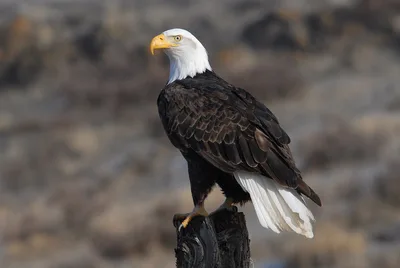 Bald eagle
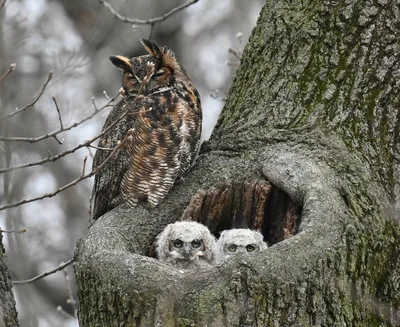 Great horned owl
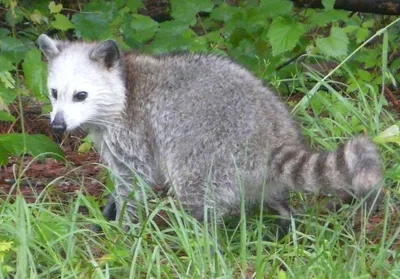 Raccoon
- snakes raid nests
Ecological equivalents
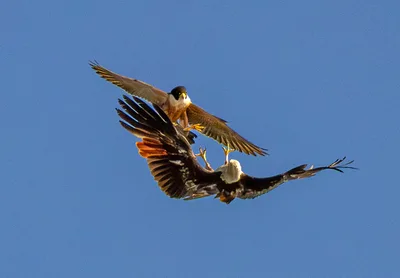
Related species on this site
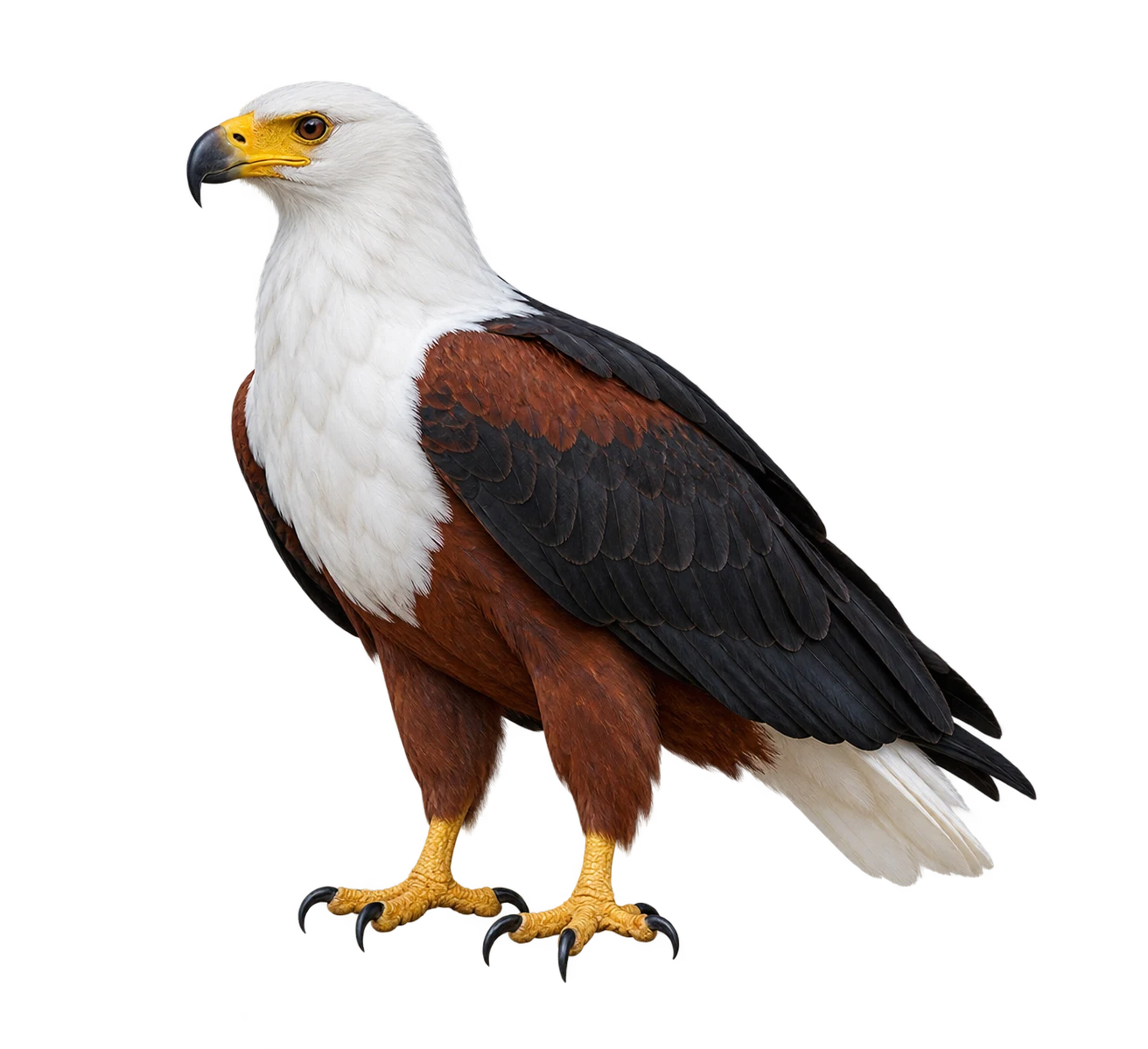
African Fish Eagle (same order), Andean condor (same order), Argentavis Magnificens (same order), Australian Firehawk (same order), Bald eagle (same order), Bearded vulture (same order), and more.
Birds
African Fish Eagle
Haliaeetus vocifer
Classification and source reference
LivingAI illustration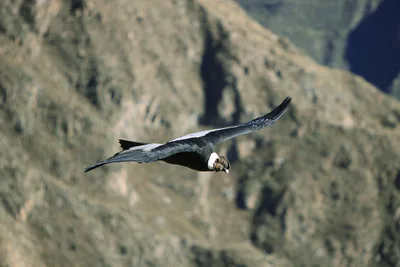 VU
Birds
Andean condor
Vultur gryphus
The Andean condor is a huge black vulture of the Andes and the Pacific coast of South America.
Living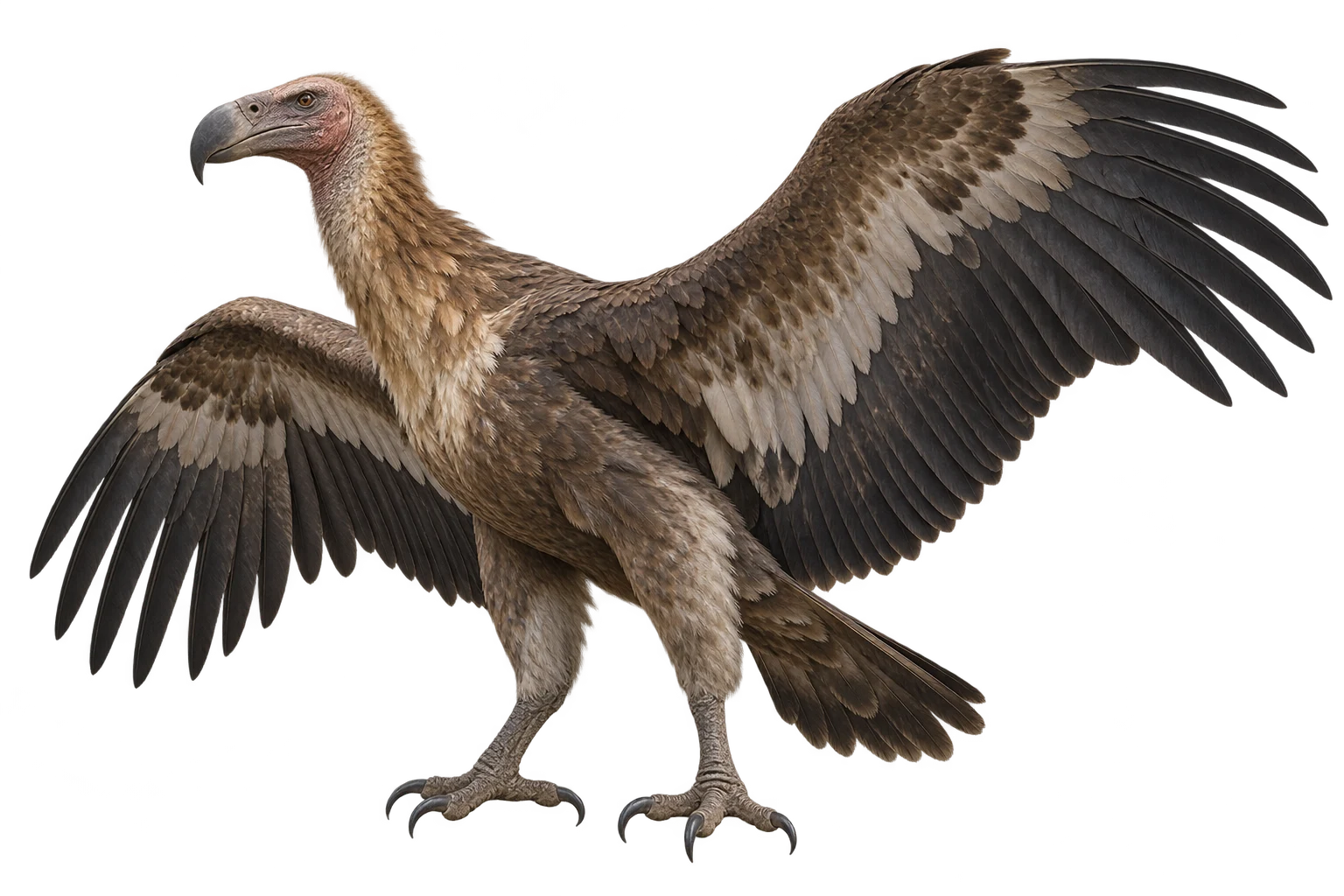
Birds
Argentavis Magnificens
Argentavis magnificens
Classification and source reference
ExtinctAI reconstruction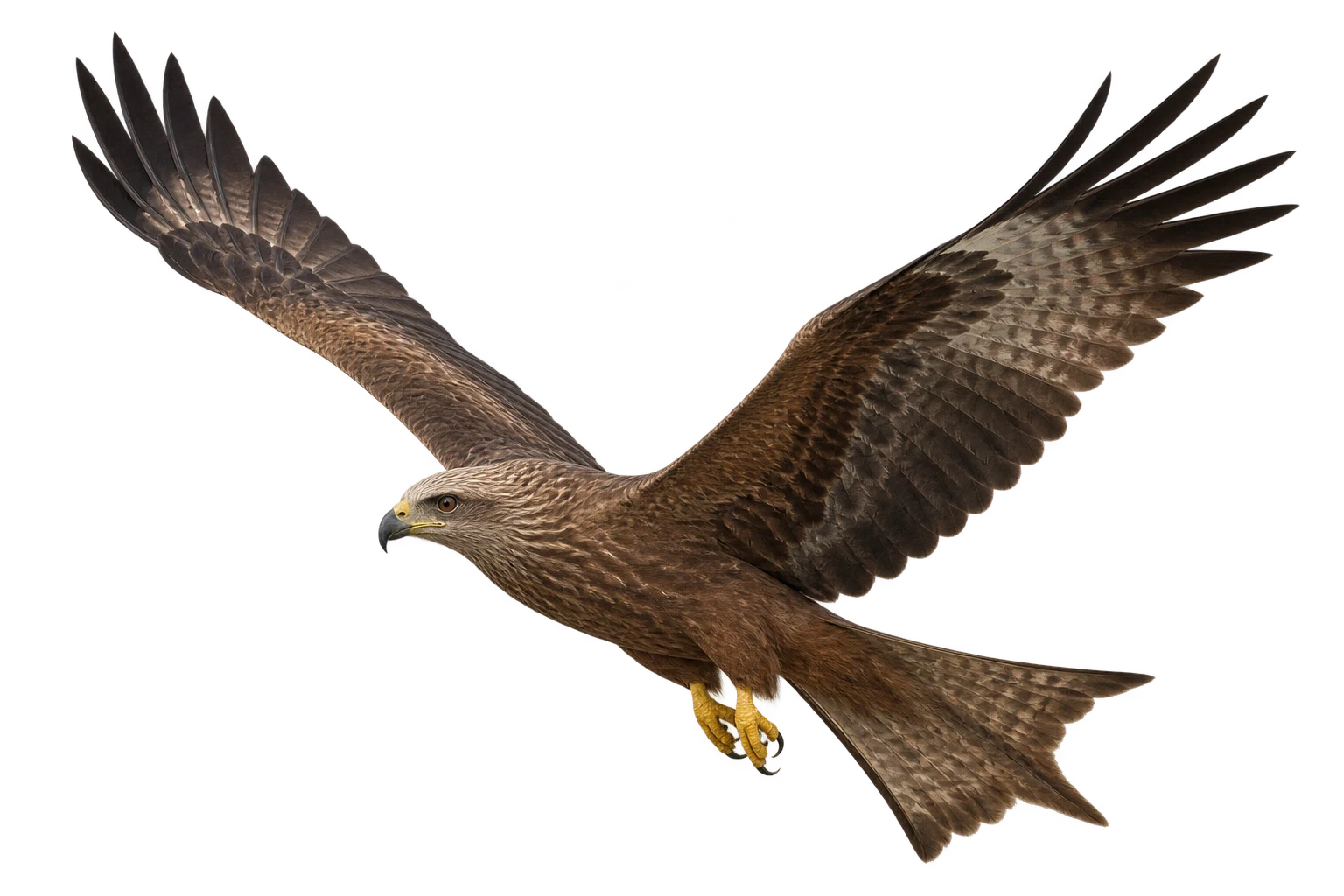
Birds
Australian Firehawk
Milvus migrans
Classification and source reference
LivingAI illustration- LC
Birds
Bald eagle
Haliaeetus leucocephalus
The bald eagle is the national bird of the United States.
Living  NT
Birds
Bearded vulture
Gypaetus barbatus
The bearded vulture is a huge mountain raptor that lives almost entirely on bone.
Living