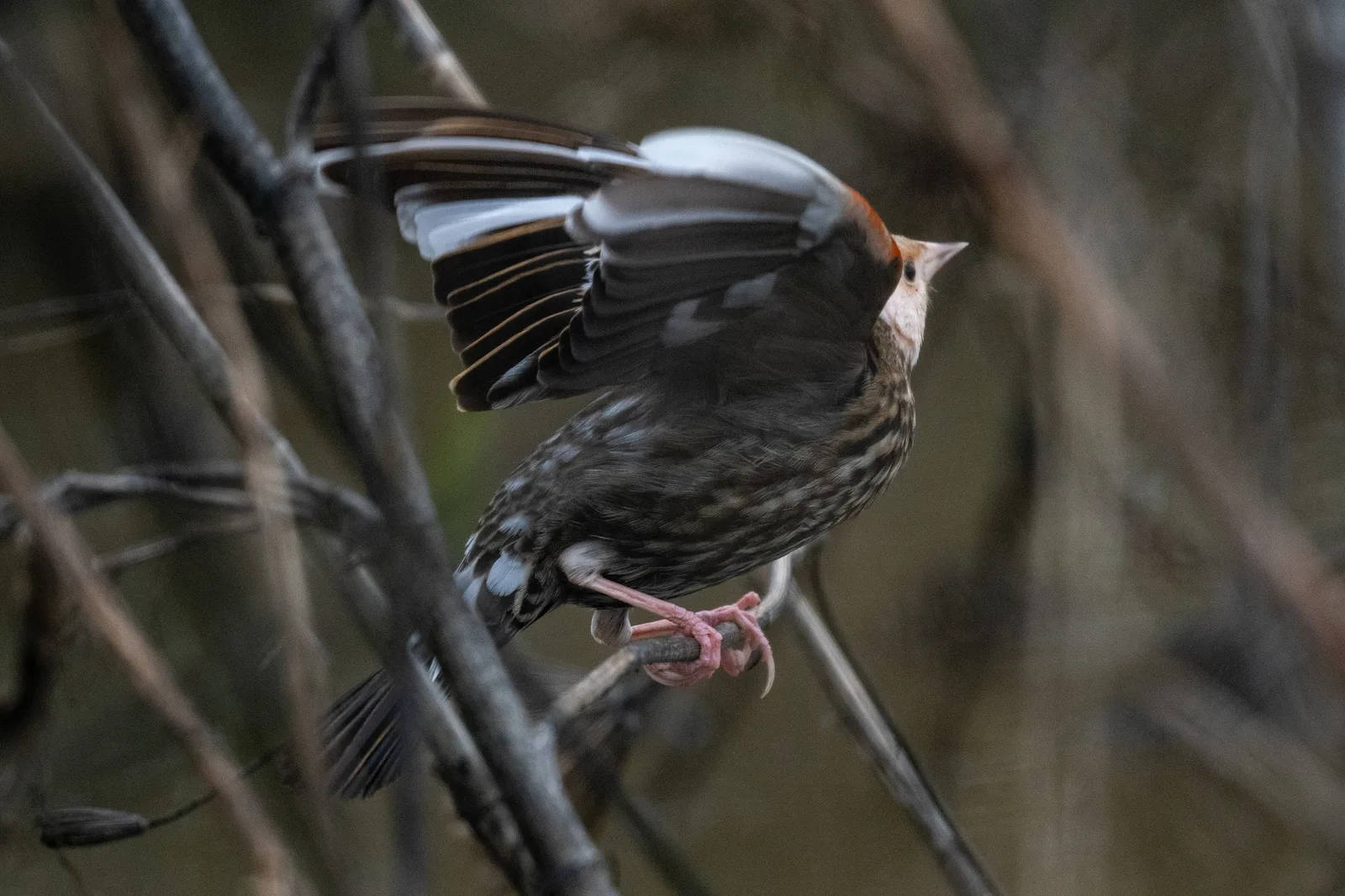
Red-winged blackbird
The marsh bird whose red shoulder means keep out
Agelaius phoeniceus
Also called Redwing blackbird, Swamp blackbird, Bicolored blackbird
Living individuals or members of this group exist today. This does not mean they are safe from extinction.
Meet the red-winged blackbird
The red-winged blackbird is a cattail-marsh bird of North and Central America, and possibly the most numerous land bird on the continent. The male is glossy black with a red shoulder patch, and he flashes it at every rival that crosses his reeds.
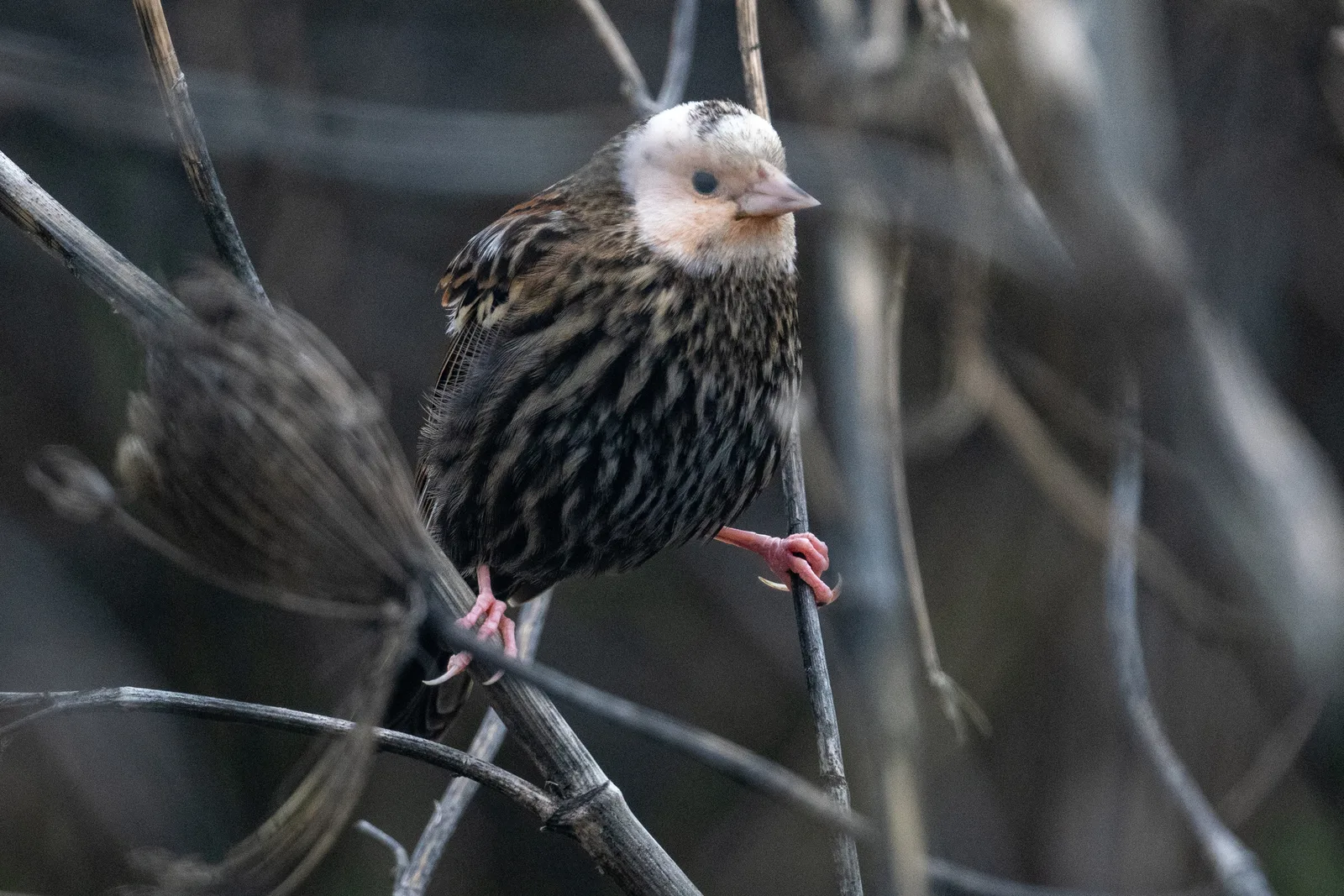
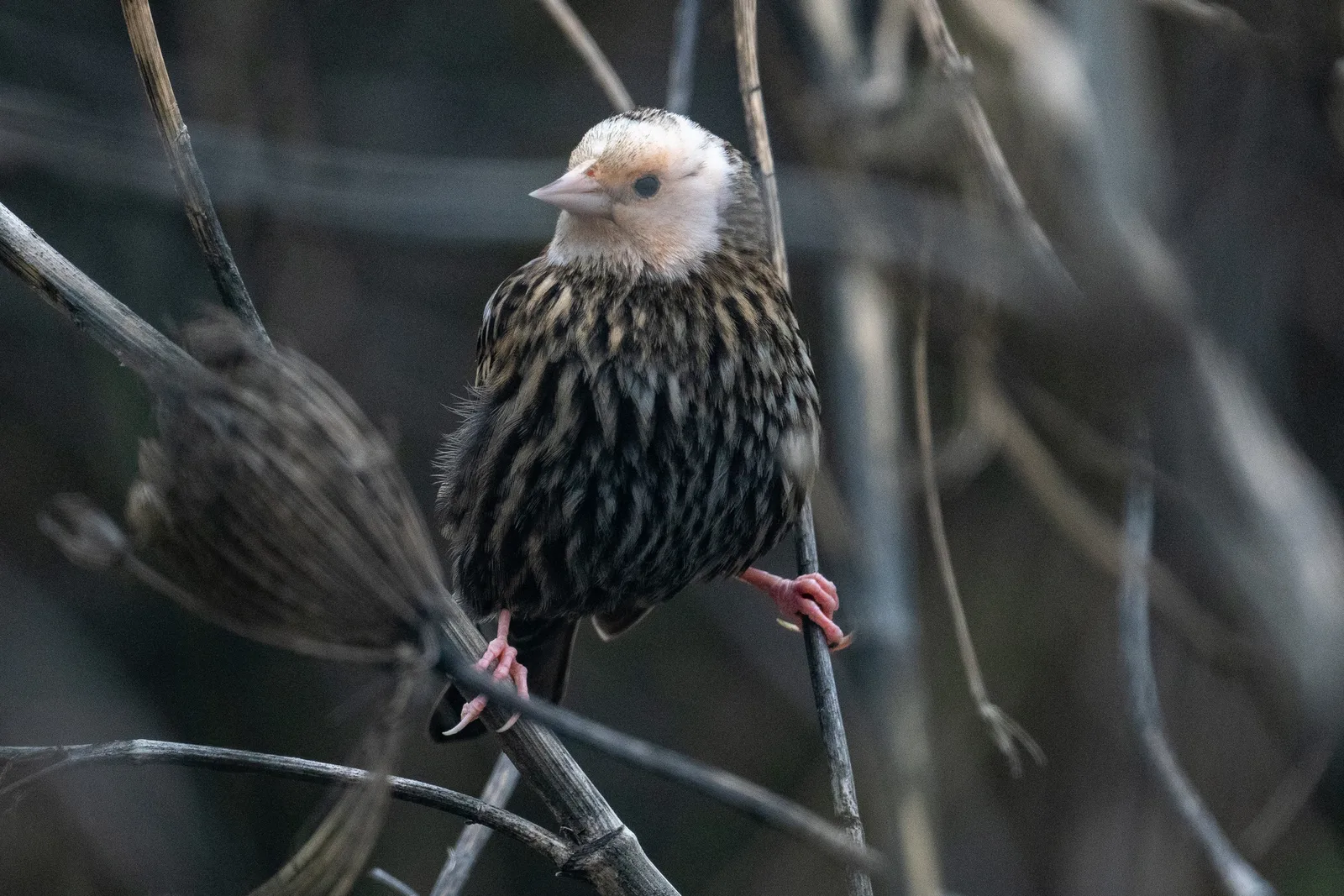
Images of the red-winged blackbird
Lifespan in the wild
About 2.14 years most birds die young; the banding record for the wild is far higher
Weight
29 to 82 g
Length
17 to 24 cm
Wingspan
31 to 40 cm
Fact file
Red-winged blackbird
- Location
- Alaska and Newfoundland south to Costa Rica
- Habitat
- Wetlands, Grassland, Rivers and lakes
- Diet
- Omnivore
- Prey / food
- Weed seeds, waste grain, dragonflies, caterpillars, beetles, snails, spiders
- Predators
- Raccoons, mink, weasels, magpies, grackles, hawks, owls, snakes
- Lifestyle
- Territorial and polygynous, in huge flocks outside the breeding season
- Group name
- Flock
- Name of young
- Chick
- Incubation
- Incubation 11 to 12 days
- Clutch size
- 3 or 4 eggs, rarely 5
- Population
- Possibly more than 250 million breeding pairs in a good year
- Biggest threat
- Loss of wetland, and changes in the way hay and grain are grown
- Distinctive feature
- A red shoulder patch above a pale yellow wingbar
- Colour
- The male is glossy black; the female is streaked dark brown
- Skin type
- Feathers
Size
Next to a person
Measurements
Size and speed
- Length
- 17 to 24 cm females 17 to 18 cm, males 22 to 24 cm
- Length, male
- 22 to 24 cm
- Length, female
- 17 to 18 cm
- Wingspan
- 31 to 40 cm
- Tail
- 6.1 to 10.9 cm
- Weight
- 29 to 82 g females about 41.5 grams, males about 64 g, from 29 g in the smallest female to 82 g in the largest male
- Weight, male
- About 64 g
- Weight, female
- About 41.5 g
Typical adult ranges. Source: Wikipedia.
Life cycle
Lifespan
- In the wildAbout 2.14, up to 20 years most birds die young; the banding record for the wild is far higher
- 020 years
The pale bar is the record. Source: Animal Diversity Web.
Appearance
Colour and coat
- Primary colours
- blackbrown
- Secondary colours
- redyellow
- Skin type
- feathers
- Male and female
- Strong. The male is glossy black with a red and yellow shoulder, and he weighs about 64 grams. The female is streaked dark brown and weighs about 41.5 g.
Life cycle
Mating and family
- Mating system
- polygynous, with frequent mating outside the pair
- Social structure
- territorial males in loose colonies, huge flocks in winter
- Breeding
- two or three broods between late April and July
A male defends a patch of marsh that may hold as many as 10 nesting females. The female builds a woven basket lashed to standing stems over water. She lays three or four eggs and incubates them alone for 11 to 12 days. The chicks leave the nest 11 to 14 days after hatching and feed themselves two to three weeks later. Most birds die young, though a female may keep breeding for ten years.
Classification
Taxonomy
- Kingdom
- Animalia
- Phylum
- Chordata
- Class
- Aves
- Order
- Passeriformes
- Family
- Icteridae
- Genus
- Agelaius
- Species
- Agelaius phoeniceus
Conservation
Red List status
- LC
- NT
- VU
- EN
- CR
- EW
- EX
Least Concern on the IUCN Red List
Range
Recorded in 3 countries
Habitat layer: tropical grassland, savanna and shrubland, temperate grassland, savanna and shrubland, flooded grassland and savanna, mangrove.
Countries from 223,081 wild records on GBIF (iNaturalist research grade), filtered and checked by hand. Country shapes: Natural Earth. Habitat: RESOLVE Ecoregions 2017, CC BY 4.0. Basemap: Natural Earth.
Habitats
Three things to know
- 1
Winter flocks can hold more than a million birds, and a Tennessee roost once held 11 million.
- 2
When researchers dyed the red shoulder patches black, 64 percent of the males lost their territories.
- 3
One male may hold a territory with as many as 10 nesting females in it.
Did you know
Seven more facts
- 1
The male can hide the red patch and show only the yellow bar when he wants to.
- 2
The female is streaked brown and looks nothing like her mate.
- 3
Chicks leave the nest 11 to 14 days after they hatch.
- 4
Great Lakes birds fly nearly 1,200 kilometres to their winter range.
- 5
Females of that population travel about 230 km farther than the males.
- 6
The genus name means gregarious and the species name means crimson.
- 7
The species is protected by the Migratory Bird Treaty Act of 1918.
Field notes
How it looks and acts
Field notes
Distinguishing features
- The male shows a red shoulder patch above a pale yellow bar.
- The rest of the male is glossy black, including bill, eyes and feet.
- The female is dark brown with heavy streaks and a pale eyebrow.
- The bill is short, straight and sharply pointed.
- The tail is of middling length and ends in a rounded edge.
- A first-year male carries a smaller, more orange patch than an adult.
Field notes
Unique adaptations
- The red patch probably settles most contests before they turn into a fight.
- A nest lashed to standing stems over water keeps land predators away.
- Nesting in a loose colony puts many watchful adults in one place.
- A very broad diet lets the bird follow the season from insects to grain.
- The dull plumage of the female probably hides her while she sits.
Field notes
Interesting behaviours
- The male sings from the highest stem in his patch.
- He swoops at people and at much larger birds near the nest.
- The female builds the nest by herself in three to six days.
- Flocks follow a plough to take the grubs it turns up.
- Thousands roost together with grackles, cowbirds and starlings in autumn.
Field notes
Temperament
- The male is aggressive through the whole breeding season.
- He is bold in the open, and he seems to choose a song post where everything can see him.
- The female is quiet and stays down among the stems.
- Outside the season the birds are sociable and gather in huge numbers.
Field notes
Communication
- The male sings a scratchy oak-a-lee that ends in a buzzy trill.
- Both sexes give a throaty check as a contact call.
- Alarm calls differ with the kind of danger.
- Only males give a flight call, which marks their exit from the territory.
- The song spread display shows off the red shoulder as the wings arch.
Ecology
Ecological role
The red-winged blackbird is so numerous that its ordinary daily behaviour changes the marshes and fields it lives in.
- It eats large numbers of insects and weed seeds, which helps other plants grow.
- It feeds raccoons, mink, hawks and snakes with its eggs, chicks and adults.
- Its huge roosts may take pressure off ducks and other marsh nesters.
- A roost of millions changes the ground and the trees beneath it.
Stories
Myths and legends
- In Lakota tradition the song is put into words, and one version means oh, that I might die.
- In Lakota tradition the bird's name means wings of red.
- In Ojibwe tradition the name describes a very red little shoulder blade.
- In northern Algonquian tradition it counts as a marked or spotted kind of grackle.
- In Hoocak tradition the name points at the round red spot on the wing.
People
Relationship with humans
People
Living alongside us
This bird lives beside farms across North America. It eats crop pests and weed seeds, and it also spoils sweet corn and rice. Growers have answered with traps, poisoned bait and illegal pesticides. In 2009 a United States agency reported poisoning over 950,000 of them in Texas and Louisiana. The Migratory Bird Treaty Act of 1918 protects the species, with an exception for birds caught damaging crops.
- A male dives at people who walk near his nest in spring and early summer.
- The bird is, in general, far too small to injure anyone.
- Large roosts foul the ground, and they may carry bird diseases.
People
Status, uses and products
- Domestication
- Wild
- As a pet
- Not suitable. The Migratory Bird Treaty Act makes it illegal to keep this bird, its eggs or its feathers without a permit. It is a wild marsh bird that needs reeds, open water and a flock. Scatter seed on the ground instead and it will come to a garden on its own.
- Uses
- birdwatchingresearch on animal behaviourpest control
- Products
- None recorded
The full account
About the red-winged blackbird
The red-winged blackbird, Agelaius phoeniceus, is a marsh bird of North and Central America. The male is glossy black with a red shoulder patch and a pale yellow bar below it. The female is streaked dark brown and looks like a large sparrow. Males measure 22 to 24 centimetres long and females 17 to 18 cm. A male weighs about 64 grams and a female about 41.5 g.
The species breeds from Alaska and Newfoundland south to Costa Rica. It nests in cattail marshes, wet meadows, old fields and farmland. Some people call it the most numerous land bird in North America. Breeding pairs may pass 250 million in a good year. Winter flocks sometimes hold more than a million birds. The IUCN lists the species as Least Concern.
Name and taxonomy
Carl Linnaeus described the bird in 1766 as Oriolus phoeniceus. The description appeared in the twelfth edition of Systema Naturae. Louis Pierre Vieillot moved it to the genus Agelaius in 1816. Linnaeus gave the type locality only as America. A later author narrowed it to Charleston, South Carolina, in 1928.
The genus name comes from a Greek word that means gregarious. The species name is the Latin word for crimson. Both halves of the name appear to describe the bird well. Agelaius holds five species in all. The closest relative is the red-shouldered blackbird, which lives only in Cuba. Those two together sit beside the tricolored blackbird of California.
Evolution and relatives
The species belongs to the Icteridae, the New World blackbirds and orioles. That family lives only in North and South America. Like other members of that family, it sits near the grackles, cowbirds and meadowlarks. The red-winged blackbird has many named subspecies across its huge range. The bicolored blackbirds of California are among them.
Western birds sing a different song from eastern ones. The species is one of the best studied wild birds anywhere. Its numbers, its open marsh habitat and its bold males probably explain that. Work on this bird probably shaped much of what biologists know about territory and polygyny. The strong difference between the sexes may have drawn researchers as well.
Appearance
The adult male is black all over except for the shoulder. There he carries a red patch, called an epaulet, over a pale yellow bar. At rest he can cover the red and show only the yellow. A male under one year old has a smaller patch that leans towards orange. The female is blackish brown above and heavily streaked below, with a pale eyebrow. Young birds look like the female, with buff edges to the feathers.
Males measure 22 to 24 centimetres and females 17 to 18 cm. The wings span 31 to 40 cm. The smallest females weigh 29 grams and the largest males 82 g. The tail is of middling length, at 6.1 to 10.9 cm, and it ends in a rounded shape. The bill is sharply pointed, and the eyes, bill and feet are black. The shoulder of a female reddens as she ages, from brown towards orange-red.
Habitat and range
The breeding range runs from central Alaska and Yukon east to Newfoundland. It reaches south to Florida, the Gulf coast, Mexico, Guatemala and northern Costa Rica. The bird avoids desert, high mountains, the Arctic and closed forest. Fresh and salt marsh suit it best, above all where cattail grows. It also nests in meadows, prairie, old fields, hayfields and roadside ditches.
Northern birds move south in autumn, and southern birds stay put all year. Migration starts in September or October, and sometimes in August. Great Lakes birds travel nearly 1,200 kilometres between summer and winter. Females go farther than males, by about 230 km in that population. In the winter of 1975 to 1976 a Tennessee roost held 11 million birds. They packed into a pine plantation of only 4.5 hectares.
Diet and feeding
About three quarters of the food is plant matter. Weed seeds make up most of that, together with spilt corn and rice. Insects and other small animals make up the last quarter, and far more in summer. Dragonflies, damselflies, moths, butterflies and flies are the favourites. The bird also eats snails, spiders, worms, frogs, eggs and carrion.
It picks insects off plants and catches others in the air. It prises open plant stems with its bill to reach grubs inside. Marsh birds take newly emerged dragonflies as they climb a stem to harden. A year when periodical cicadas emerge brings more food than the birds can use. Flocks follow the plough to pick up grubs, earthworms and caterpillars. In season the birds turn to blueberries, blackberries and other fruit.
Behaviour and social life
The species is territorial, polygynous, gregarious and a short-distance migrant. It flies with quick wingbeats broken by short glides. Males sit high on reeds, fence posts and wires where every rival can see them. Females keep low and move through the stems. A female probably spends most of her day building, feeding and watching the nest. A male attacks birds far larger than himself inside his patch.
During the breeding season a male will swoop at a person who walks into the marsh. Males arrive first in spring and spend some weeks in flocks of their own sex. Most males keep the same territory for years. The ones that do move are usually two or three years old. A male that moves a short way breeds better than one that moves far. In autumn the birds join grackles, cowbirds and starlings in flocks of thousands.
Communication and senses
The male's song is a scratchy oak-a-lee, with a buzzy trill on the last note. Western birds sing a different phrase again. The everyday call of both sexes is a throaty check. An alarmed male whistles a thin cheer or peet. The female answers with a scolding chatter or a sharp scream. Some calls seem to name the danger, with one for a raccoon and another for a crow.
The shoulder patch appears to do as much work as the voice. In the song spread display the male fluffs up, lifts his shoulders and fans his tail. The wings arch further as the display grows stronger, which shows more red. Researchers dyed the patches black, and 64 percent of those males lost their ground. Only 8 percent of the untreated males lost theirs. Females use the display against each other early in the season.
Reproduction and life cycle
The birds nest in loose colonies in the marsh. The female builds alone, over three to six days. She weaves a basket of grass, sedge and moss, lines it with mud and lashes it to the stems. The nest sits anywhere from 7.6 centimetres to 4.3 metres above the water. The breeding season runs from late April to the end of July.
A clutch holds three or four eggs, and five only rarely. The eggs are pale blue-green with brown, purple and black marks at the blunt end. They are smooth, slightly glossy and oval in shape. Each egg measures about 24.8 by 17.55 millimetres. The female incubates alone, and the eggs hatch after 11 to 12 days. Chicks hatch blind and naked and leave the nest 11 to 14 days later. They feed themselves two to three weeks after that.
A male may hold a territory containing as many as 10 nesting females. Females often mate with other males, so one nest can hold chicks of several fathers. A pair raises two or three broods a season, in a fresh nest each time. Females can go on breeding for up to ten years. The average bird lives only about 2.14 years. The record for the wild is 20 years.
Predators and threats
Raccoons, mink, long-tailed weasels and snakes raid the nests. Magpies, grackles, ravens and marsh wrens take eggs and small chicks. Owls, red-tailed hawks and short-tailed hawks catch grown birds. Which predator matters most changes with the region. Marsh wrens lead in British Columbia, magpies in Washington and raccoons in Ontario.
Nesting in a group means more adults on watch at once. A nest over water is harder for a land animal to reach. Males act as sentinels and chase off animals much bigger than they are. They leave night raiders such as raccoons and mink alone. The dull colour of the female probably hides her on the nest. Lice, mites, blood parasites and worms all live on or in the birds.
Population and conservation
The global listing for the species is Least Concern. Little has been spent on protecting a bird this common. Numbers in Illinois doubled between 1908 and 1958. The birds moved out of marshes and into hayfields, ditches and roadsides. That flexibility probably carried them through a century of drainage.
The range has narrowed since the middle of the twentieth century. In Ohio the birds fell back between 1966 and 1996. Less hay, earlier cutting and more row crops all worked against them. Further loss of wetland would probably shrink the population again. NatureServe still ranks the bird as secure across most of Canada. iNaturalist holds 314,445 observations of the species. GBIF has records from 27 countries.
Relationship with humans
Farmers seem to have argued about this bird for two centuries. It eats weed seeds and crop pests, which helps the grower. It also tears open sweet corn while the grain is still soft. In the southern states it pulls up rice seedlings and strips the soft grain. Hard, ripe corn defeats it, because its bill and gut cannot handle whole kernels. A common grackle has a longer, stronger bill and takes the hard grain instead. Males eat more grain than females do, which the study of stomach contents showed.
Control has, in general, been harsh. Aircraft have spread treated corn bait at about 3.4 kilograms a hectare. Pesticides such as parathion have been used illegally against flocks. In 2009 a United States agency reported poisoning over 950,000 of these birds. That work has been blamed for part of the fall of the rusty blackbird. The Migratory Bird Treaty Act of 1918 protects the species, with an exception for crop damage.
In culture and myth
Many Indigenous languages of North America name this bird for its shoulder. In Ojibwe it is memiskondinimaanganeshiinh, a word built around a very red little shoulder blade. Odawa names point at the small red mark on the wing. In Lakota it is wablosa, which means wings of red. In the Hoocak language the name describes the round red spot and calls the bird a blackbird.
Northern Algonquian languages group it with the juncos and grackles. Their names for it come from a word meaning spotted or marked. Oji-Cree and Ojibwe use jachakanoob and jachakanoo for the same bird. Lakota speakers put words to the song, and one version means oh, that I might die. Other readings of the song run and me, me too, and a beaver's running sore.
For many people in the north the first oak-a-lee of the year probably marks the start of spring. The bird seems to be a fixture of North American nature writing and bird study. Edward Howe Forbush described the flocks following the plough for grubs.
A sentence with a dotted underline is inferred: it describes the group the animal belongs to, or is a reading of the sources, rather than a measured or reported fact about this species.
Questions
Red-winged blackbird questions, answered
How big is a red-winged blackbird?
Males are 22 to 24 centimetres long and females 17 to 18 cm. The wings span 31 to 40 cm. Males weigh about 64 grams, and females about 41.5 g.
Why do red-winged blackbirds attack people?
Males defend a nesting territory and treat anything that enters it as a threat. They swoop at walkers, cyclists and much larger birds from spring to midsummer. They stop once the young have left the nest.
What does a red-winged blackbird sound like?
The male sings a scratchy oak-a-lee with a buzzy trill at the end. Both sexes give a throaty check call. The female adds a scolding chatter.
What do red-winged blackbirds eat?
About three quarters of the diet is weed seeds and waste grain. The rest is insects, spiders, snails and other small animals, and much more of that in the breeding season.
Where do red-winged blackbirds nest?
In cattails, rushes, sedges and low bushes, usually over water. The female lashes the nest to standing stems, from 7.6 centimetres to 4.3 metres up.
How many eggs do red-winged blackbirds lay?
Three or four, and five only rarely. The female incubates them alone for 11 to 12 days. A pair raises two or three broods in a season.
Why is the female red-winged blackbird brown?
She is streaked brown so that she is hard to see on the nest. The male has to be seen, because his red shoulder is a signal to rivals.
What does the red shoulder patch do?
It warns other males off. In one experiment, 64 percent of males whose patches were dyed black lost their territories, against 8 percent of the untreated birds.
Do red-winged blackbirds migrate?
Northern birds do, moving to the southern United States and Mexico. Birds of the Pacific coast, the Gulf coast and Central America stay all year.
How long do red-winged blackbirds live?
The average is about 2.14 years, because most young birds die early. The record for a wild bird is 20 years.
Are red-winged blackbirds endangered?
No. The IUCN lists the species as Least Concern, and it may be the most numerous land bird in North America. Loss of wetland is still a long-term worry.
How many red-winged blackbirds are there?
Nobody has an exact figure. Breeding pairs across North and Central America may pass 250 million in a peak year, and a single winter flock can top a million birds.
Are red-winged blackbirds a pest?
They damage sweet corn and rice while the grain is soft. They also eat weed seeds and crop pests, which growers gain from. Control programmes have poisoned very large numbers.
How many females does one male have?
As many as 10 may nest in a single male's territory. Those females often mate with other males, so one nest can hold chicks of several fathers.
How can I tell a red-winged blackbird from a common grackle?
The blackbird is smaller, with a short pointed bill and a red shoulder on the male. A grackle is longer, with a heavier bill, a long keel-shaped tail and a bronze or purple sheen.
Food web
Prey and food
- weed seeds
- waste grain
- dragonflies
- caterpillars
- beetles
- snails
- spiders
Food web
Predators
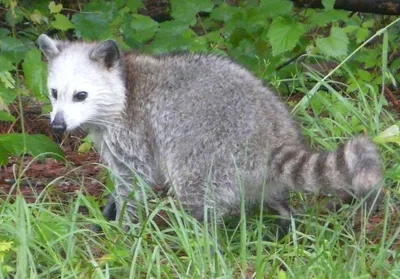 Raccoon
- mink
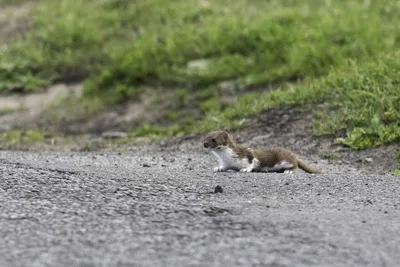 Least weasel
- magpies
- grackles
- hawks
- owls
- snakes
Ecological equivalents
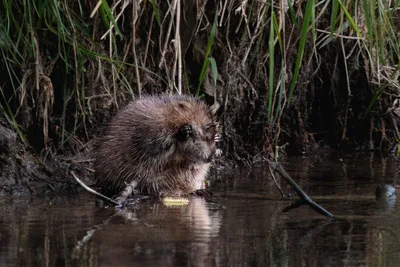
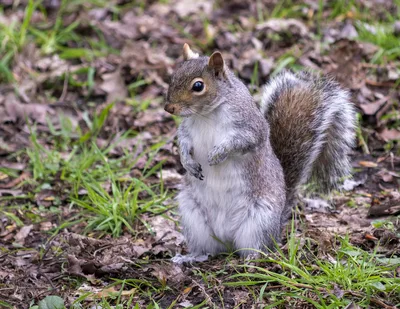
Related species on this site
Bobolink (same family), Brown Headed Cowbird (same family), Common Grackle (same family), Eastern Meadowlark (same family), Hooded Oriole (same family), Orchard Oriole (same family), and more.
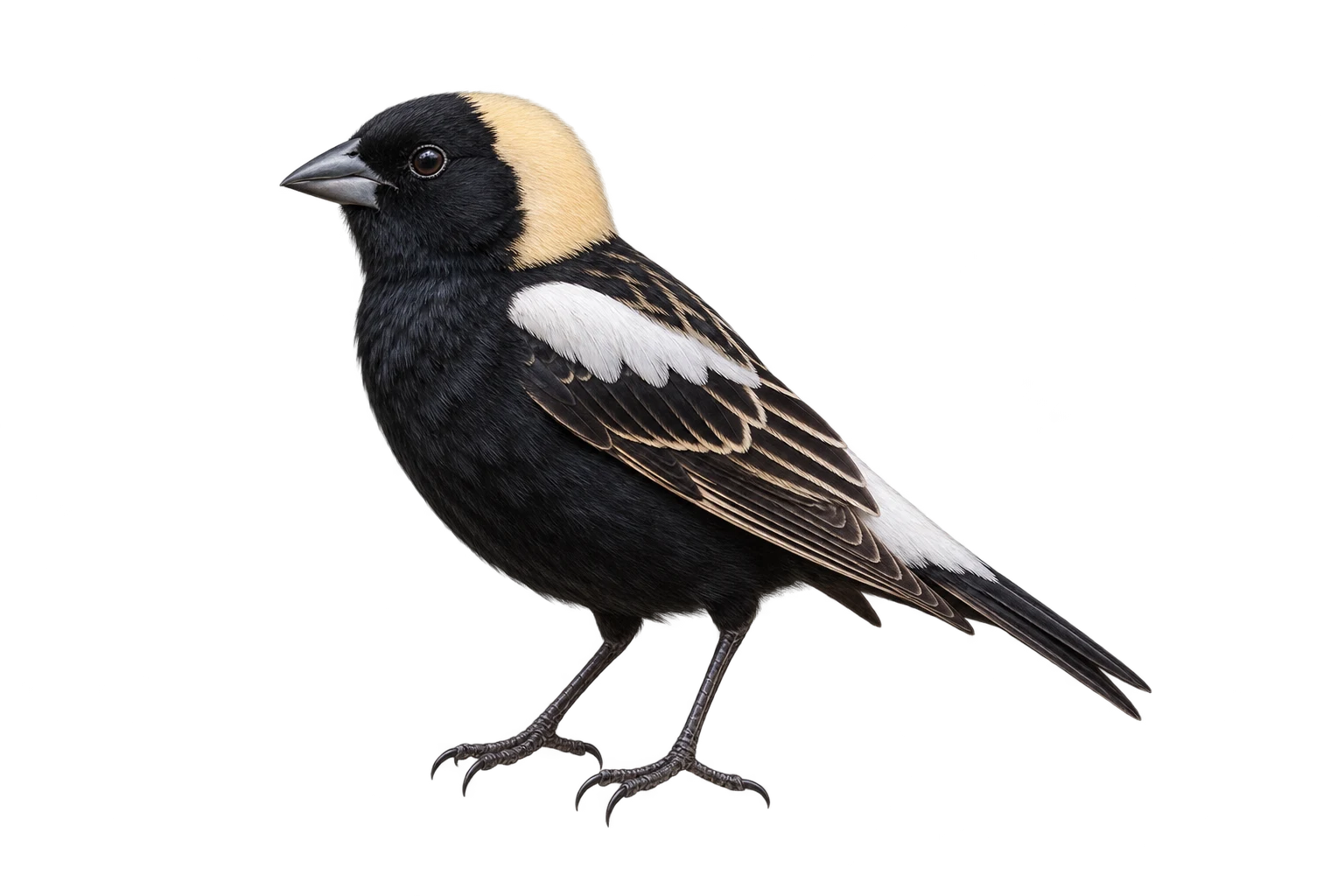
Birds
Bobolink
Dolichonyx oryzivorus
Classification and source reference
LivingAI illustration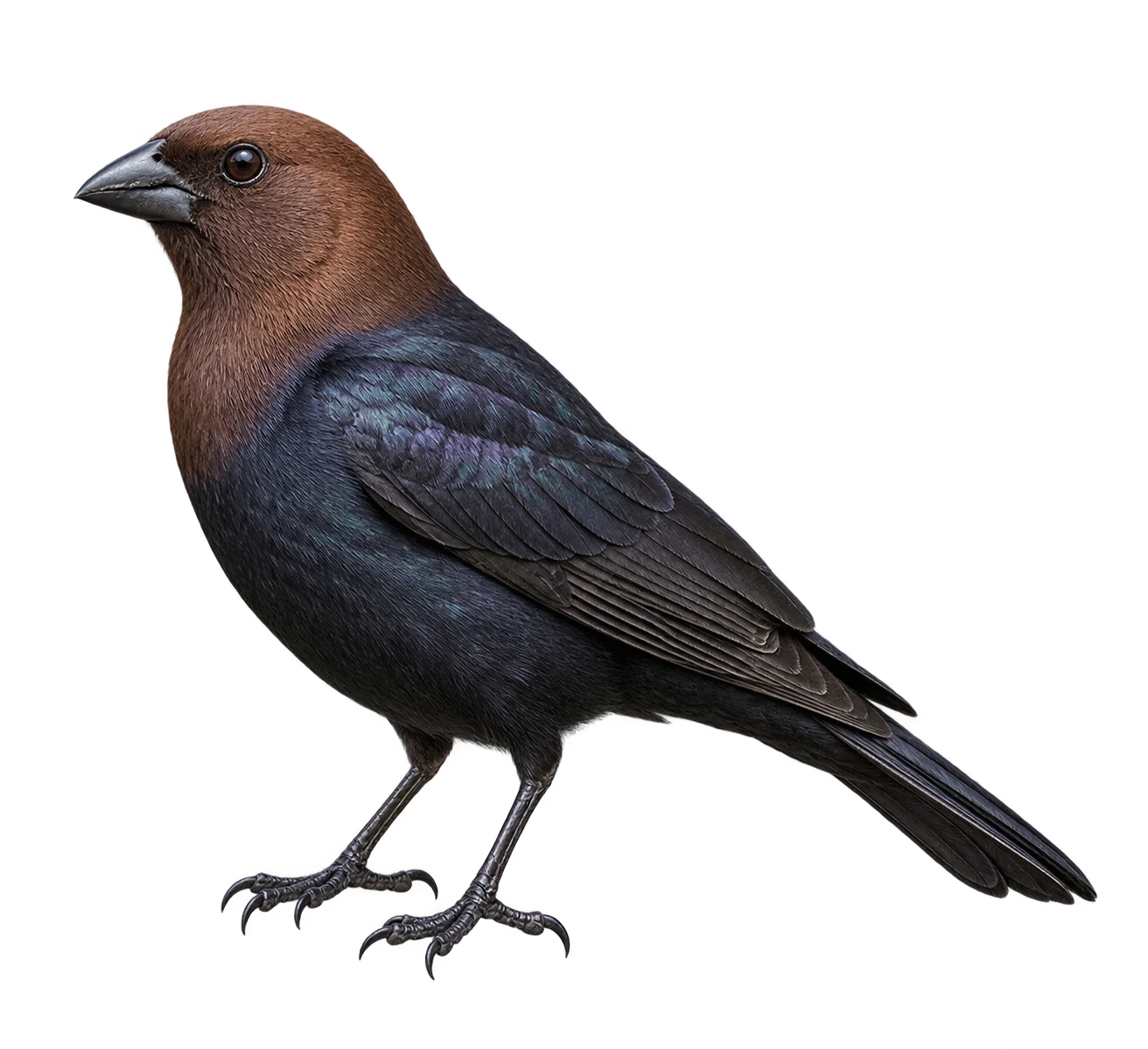
Birds
Brown Headed Cowbird
Molothrus ater
Classification and source reference
LivingAI illustration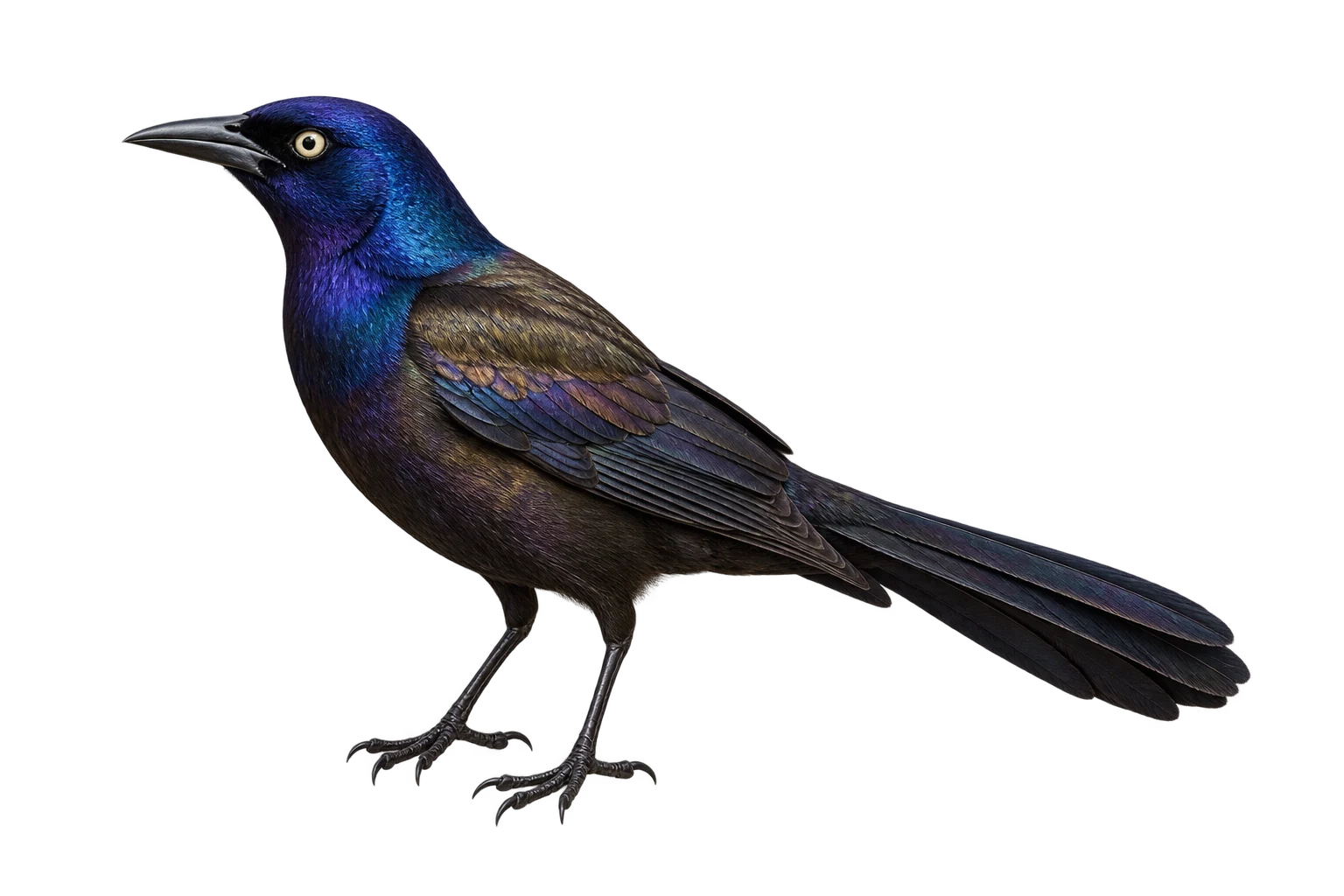
Birds
Common Grackle
Quiscalus quiscula
Classification and source reference
LivingAI illustration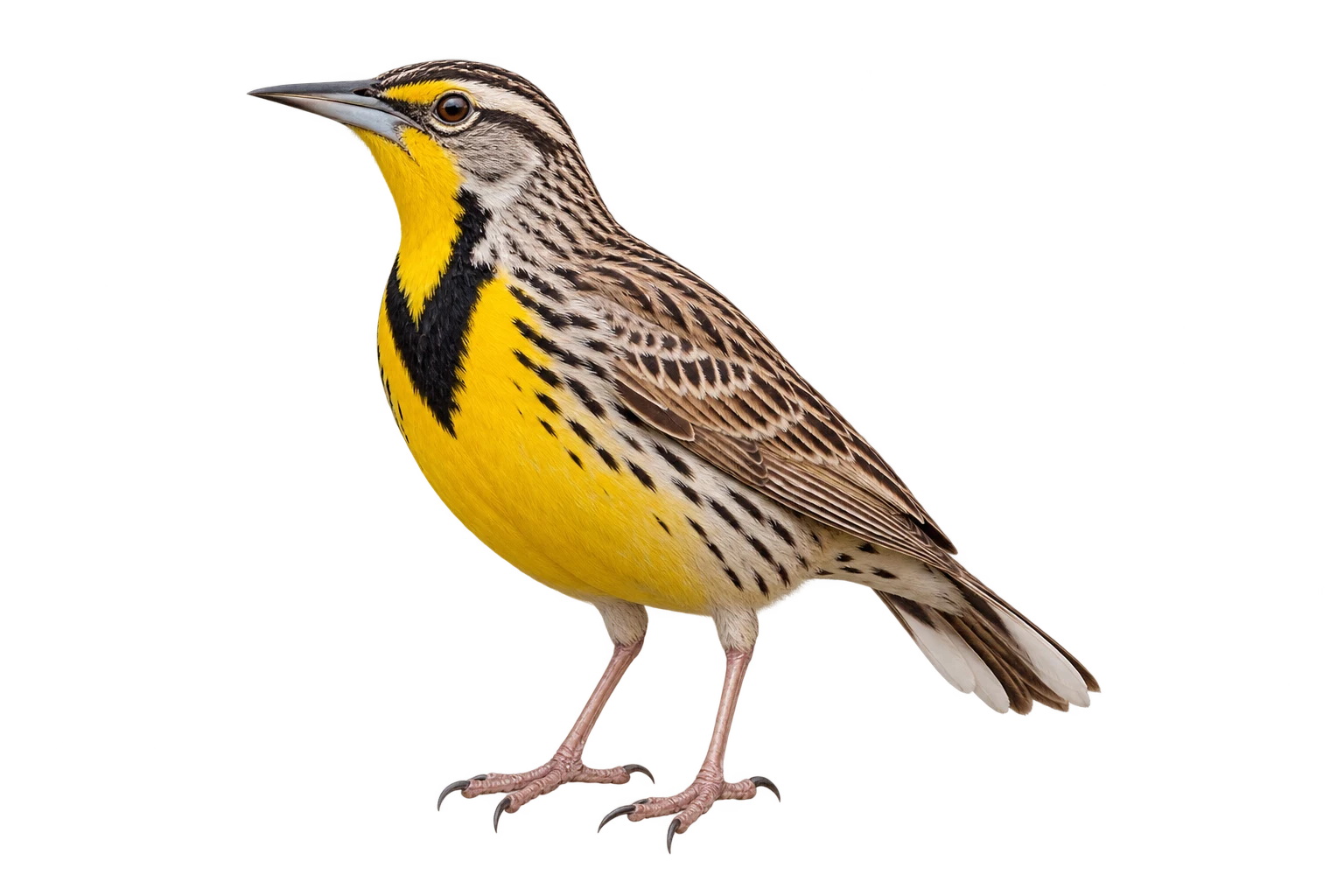
Birds
Eastern Meadowlark
Sturnella magna
Classification and source reference
LivingAI illustration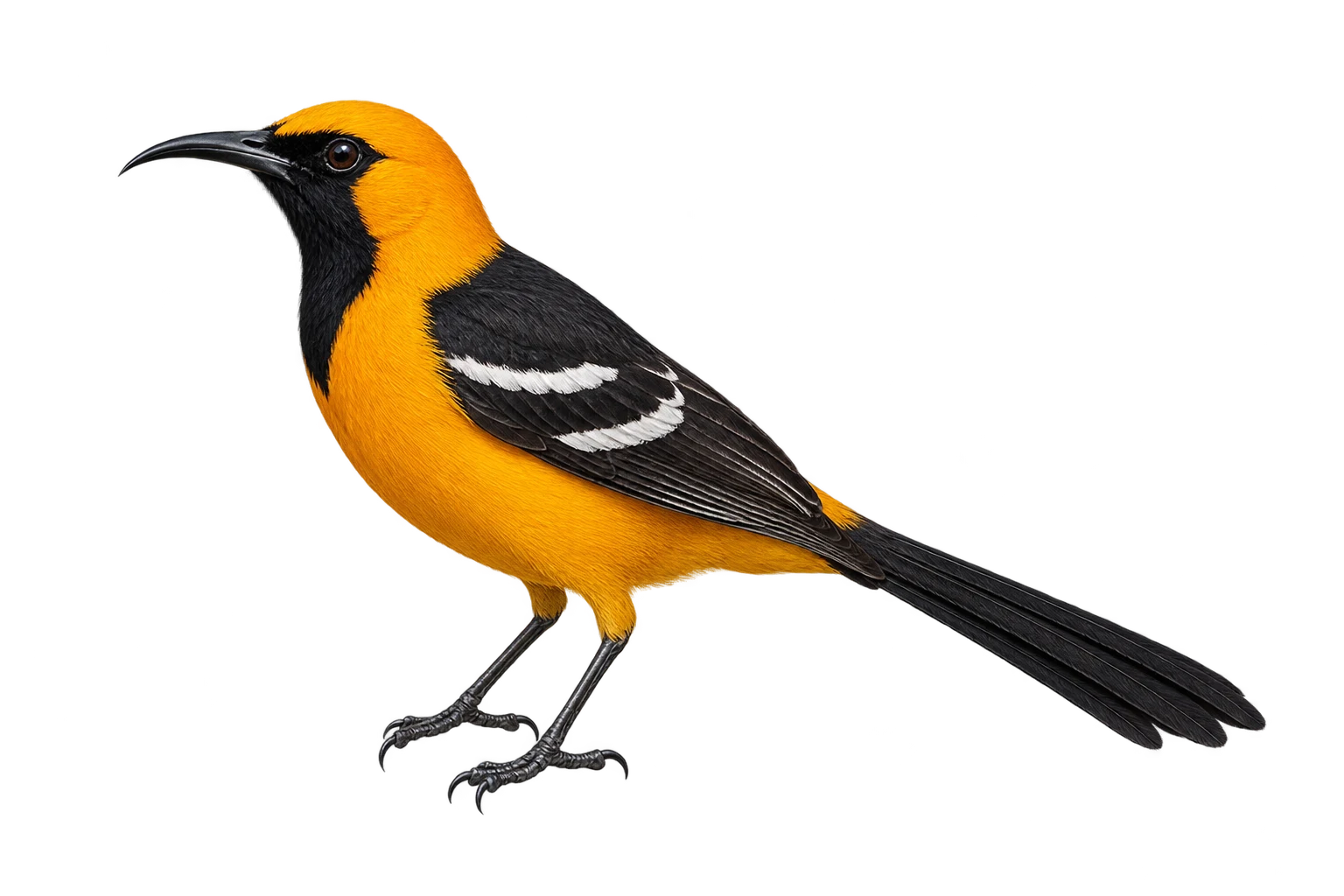
Birds
Hooded Oriole
Icterus cucullatus
Classification and source reference
LivingAI illustration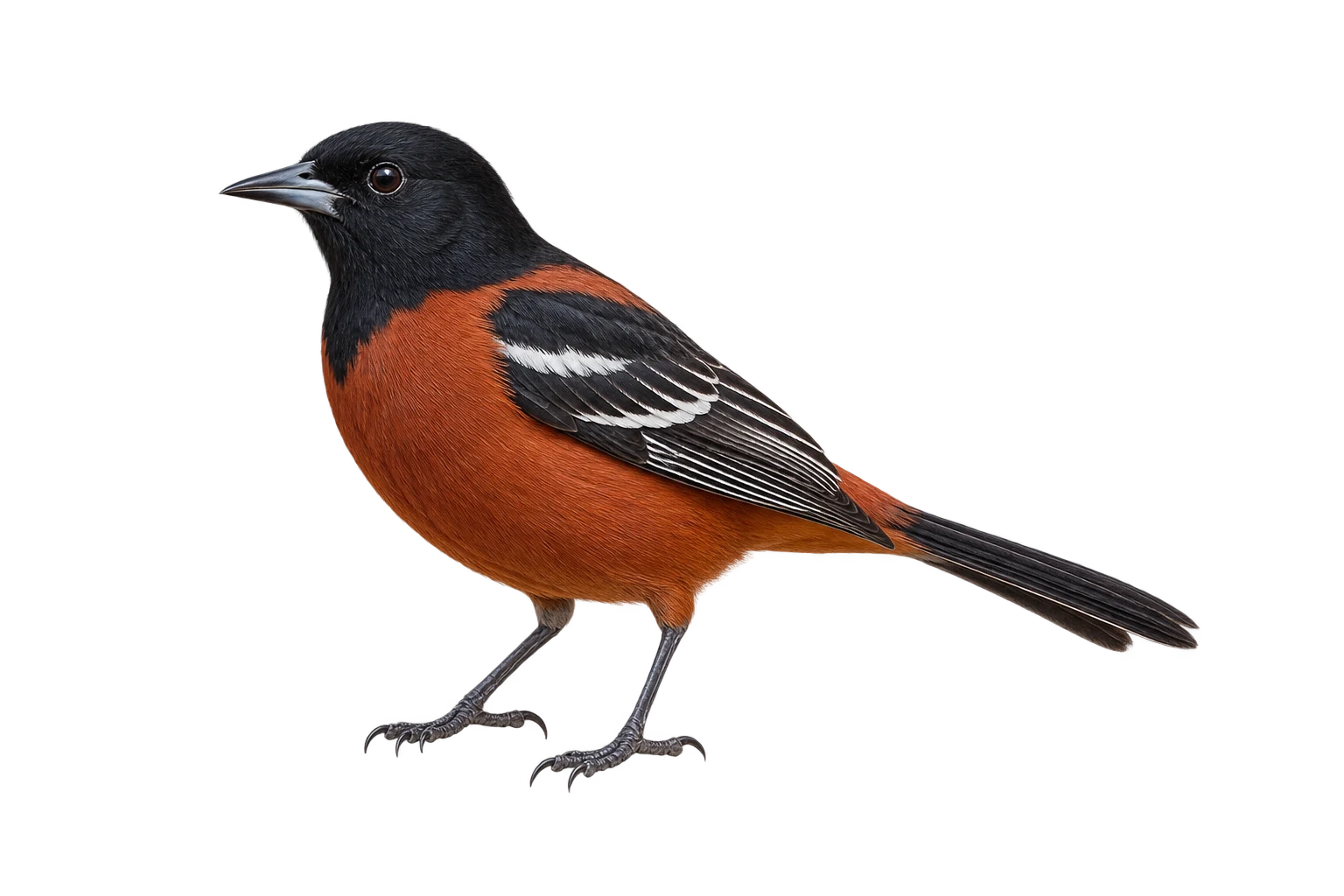
Birds
Orchard Oriole
Icterus spurius
Classification and source reference
LivingAI illustration