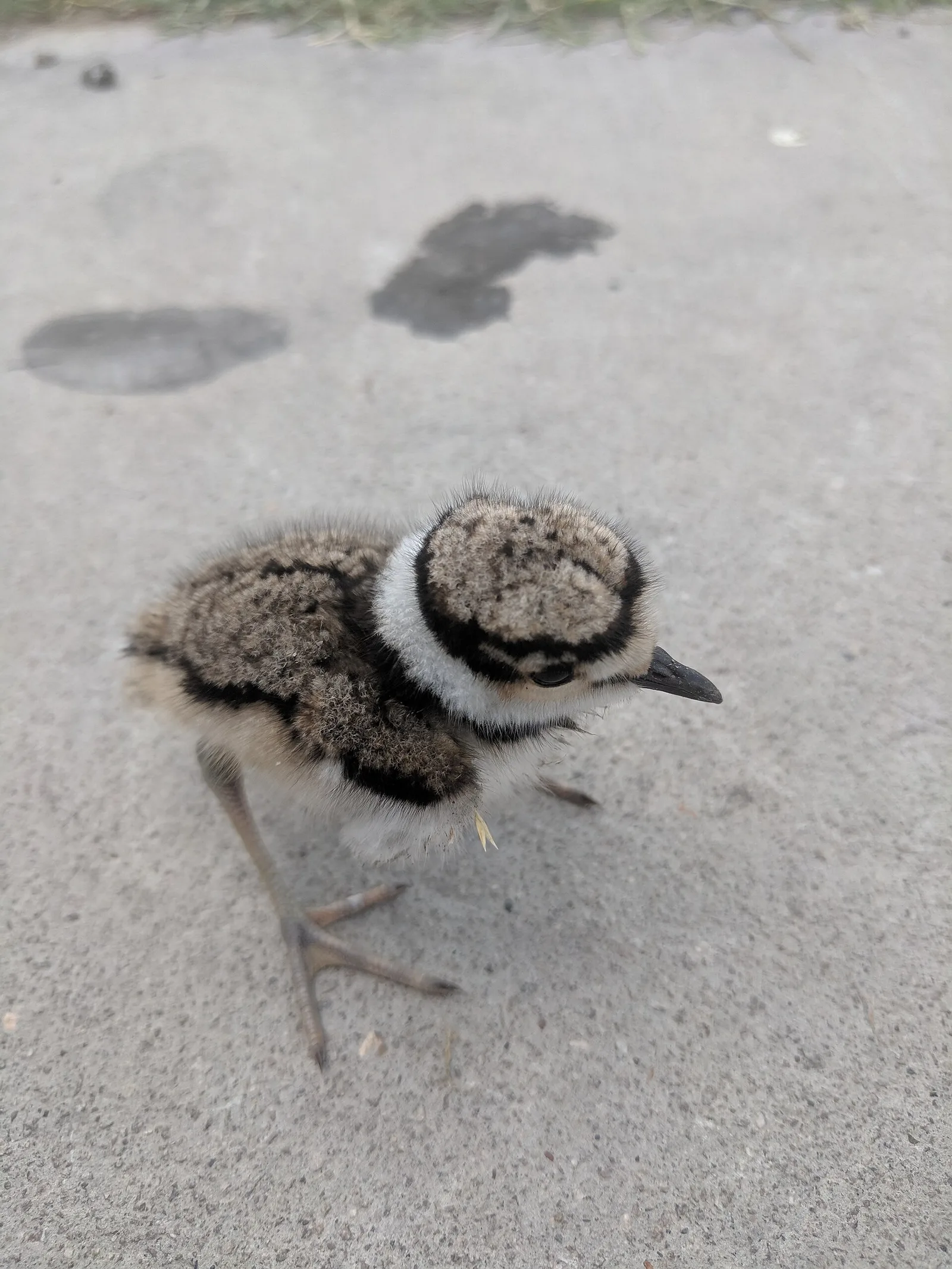
Killdeer
The plover that fakes a broken wing to save its eggs
Charadrius vociferus
Also called Killdeer plover, Soldier bird, Pond bird
Living individuals or members of this group exist today. This does not mean they are safe from extinction.
Meet the killdeer
The killdeer is a large plover of open ground across the Americas, named for its loud two-note call. It nests in a bare scrape, often far from water, and it lures predators away by dragging a wing as though it were broken.
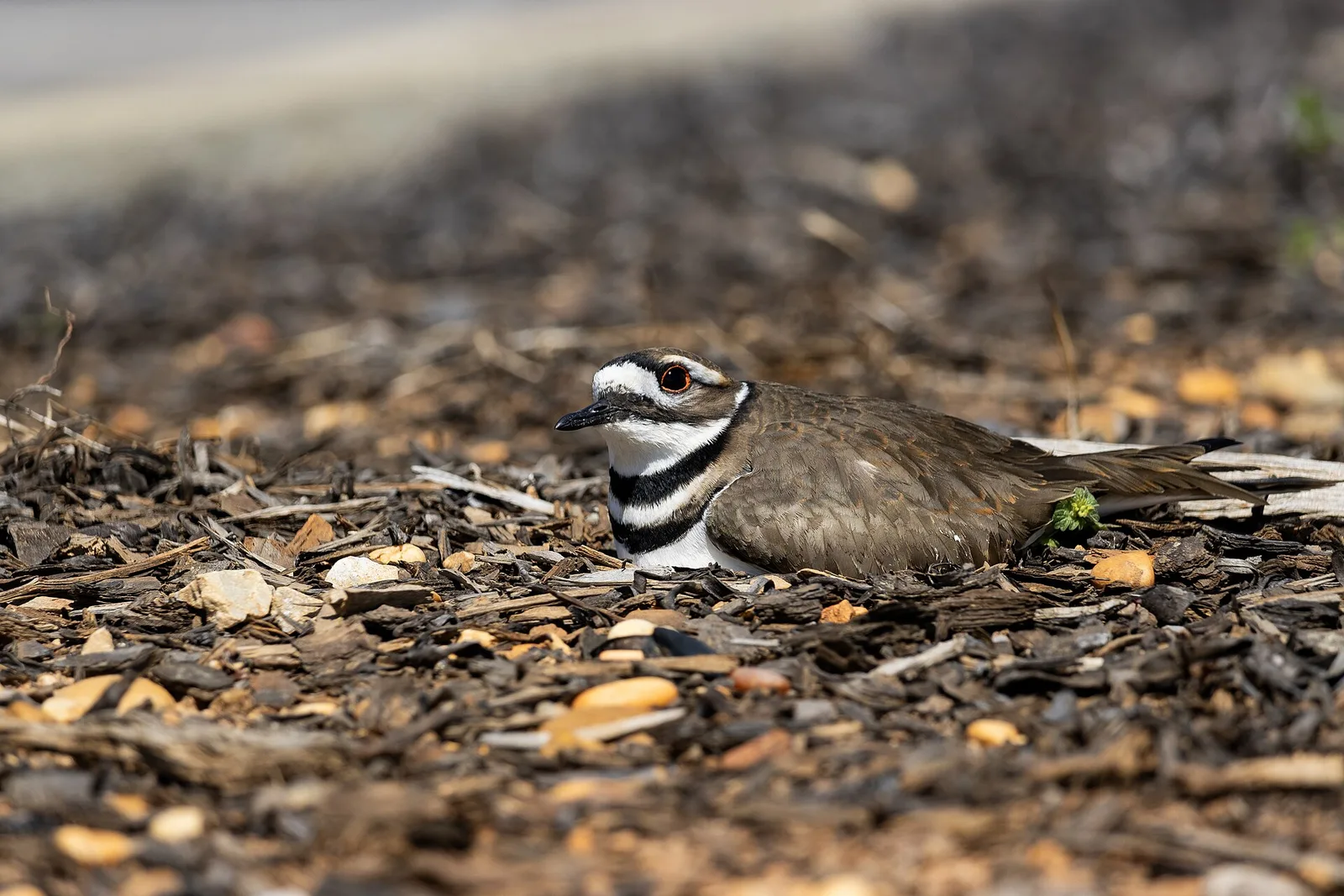
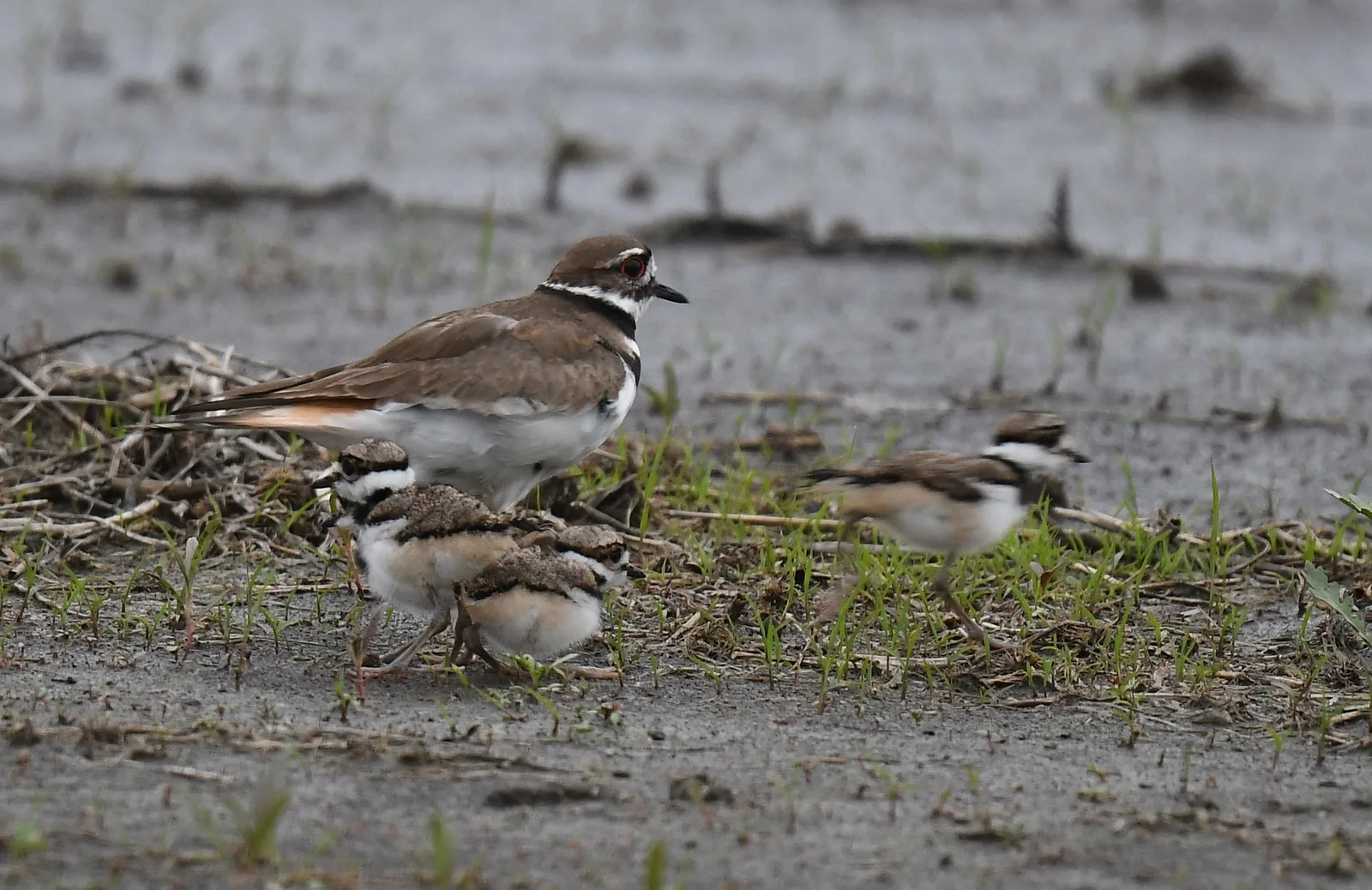
Images of the killdeer
Lifespan in the wild
Up to 10.9 years the oldest known wild bird reached 10 years and 11 months
Weight
72 to 121 g
Length
20 to 28 cm
Wingspan
59 to 63 cm
Fact file
Killdeer
- Location
- North America south to Peru, plus the West Indies
- Habitat
- Grassland, Wetlands, Coast, Towns and cities
- Diet
- Insectivore
- Prey / food
- Beetles, flies, grasshoppers, caterpillars, worms, snails, spiders, millipedes
- Predators
- Gulls, crows, hawks, raccoons, skunks, foxes, coyotes, snakes, cats
- Lifestyle
- Active by day and on bright nights
- Group name
- Flock
- Name of young
- Chick
- Incubation
- Incubation 22 to 28 days
- Clutch size
- 4 to 6 eggs
- Population
- About one million birds
- Biggest threat
- A falling population and the loss of open ground
- Distinctive feature
- Two black bands across a white breast
- Colour
- Brown above and white below, with a red-orange rump
- Skin type
- Feathers
Size
Next to a person
Measurements
Size and speed
- Length
- 20 to 28 cm
- Wingspan
- 59 to 63 cm
- Weight
- 72 to 121 g 72 to 121 grams
Typical adult ranges. Source: Wikipedia.
Life cycle
Lifespan
- In the wildUp to 10.9 years the oldest known wild bird reached 10 years and 11 months
- 010.9 years
The pale bar is the record. Source: AnAge.
Appearance
Colour and coat
- Primary colours
- brownwhite
- Secondary colours
- blackorange
- Skin type
- feathers
- Male and female
- Slight. Males and females are the same size and pattern. A breeding female often shows browner face and breast bands, where the male's are blacker.
Life cycle
Mating and family
- Mating system
- monogamous pairs
- Social structure
- solitary or paired, with loose winter flocks
- Breeding
- one or two broods a year, and up to five replacement clutches
A male claims open ground and advertises with calls, display flights and dummy scrapes. The pair chooses a bare hollow and the female lays four to six speckled eggs. Both birds incubate for 22 to 28 days, and the male usually takes the night shift. Chicks hatch with down, walk within a day and find their own food under their parents' watch. They fly at about 31 days and can breed the following spring.
Classification
Taxonomy
- Kingdom
- Animalia
- Phylum
- Chordata
- Class
- Aves
- Order
- Charadriiformes
- Family
- Charadriidae
- Genus
- Charadrius
- Species
- Charadrius vociferus
Conservation
Red List status
- LC
- NT
- VU
- EN
- CR
- EW
- EX
Near Threatened on the IUCN Red List
Range
Recorded in 3 countries
Habitat layer: tropical grassland, savanna and shrubland, temperate grassland, savanna and shrubland, flooded grassland and savanna, mangrove.
Countries from 110,115 wild records on GBIF (iNaturalist research grade), filtered and checked by hand. Country shapes: Natural Earth. Habitat: RESOLVE Ecoregions 2017, CC BY 4.0. Basemap: Natural Earth.
Habitats
Three things to know
- 1
Two black bands cross its white breast, and no other North American plover has them.
- 2
A killdeer drags a wing along the ground to draw a fox away from its eggs.
- 3
It often nests on a gravel roof or a car park, nowhere near water.
Did you know
Seven more facts
- 1
A killdeer nest is often lined with white pebbles or pieces of seashell.
- 2
Pale nest material can keep eggs several degrees cooler than the ground around them.
- 3
The birds feed at night when the moon is full.
- 4
A killdeer will follow a plough to snatch the worms it turns up.
- 5
Chicks feed themselves from the day they leave the nest.
- 6
The oldest wild killdeer on record reached 10 years and 11 months.
- 7
Seeds and small water animals survive a trip through a killdeer and travel with it.
Field notes
How it looks and acts
Field notes
Distinguishing features
- Two black bands across a white breast.
- A bright red-orange rump that shows in flight and in display.
- A red ring around each eye.
- A white forehead with a black border and a white stripe behind the eye.
- A length of 20 to 28 centimetres and a wingspan of 59 to 63 cm.
- Long pale legs and a short, thick, dark bill.
Field notes
Unique adaptations
- Cryptic brown upper parts that vanish against bare soil and gravel.
- A scrape nest that needs no material and can sit almost anywhere flat.
- Chicks that walk and feed themselves within a day of hatching.
- The broken-wing display, which turns a parent into bait and saves the clutch.
- Night feeding under a full moon, when insects are many and hunters are few.
Field notes
Interesting behaviours
- Running a short distance, stopping, then pecking at prey.
- Foot-trembling, in which the bird shakes one foot in shallow water.
- Scraping dummy nests as part of a male's display.
- Chasing rivals on the ground and in the air.
- Shading the eggs with the body when the day turns hot.
Field notes
Temperament
- Loud and easily disturbed, and the bird calls at the first sign of trouble.
- Bold at the nest, where a parent will charge an animal far bigger than itself.
- Tolerant of people, and it nests in car parks and on playing fields.
- Solitary or paired, and it joins only loose flocks in winter.
Field notes
Communication
- The ringing kil-deee call that gives the bird its name.
- A repeated kil-deer or kee-deeyu during display flights.
- A fast kee-di-di-di when the bird is disturbed.
- A long trill as an alarm, which other species also heed.
- Visual signals, above all the flash of the orange rump.
Ecology
Ecological role
The killdeer keeps insect numbers down on open ground and feeds a wide range of predators in return.
- It eats mosquitoes, ticks, locusts, beetles and flies in large numbers.
- Its eggs and chicks feed gulls, crows, raccoons, skunks and foxes.
- It carries seeds and small water organisms between wetlands in its droppings.
- It hosts at least 13 species of parasite.
Stories
Myths and legends
- In medieval European tradition, the caladrius was a white bird that could tell whether a sick person would live.
- In medieval European tradition, that bird lifted the illness towards the sun and destroyed it there.
- In Christian tradition, writers turned the caladrius into an image of Christ.
- In colonial American naming, Mark Catesby called the killdeer the chattering plover.
- In American country naming, the bird is the soldier bird and the pond bird.
People
Relationship with humans
People
Living alongside us
The killdeer is one of the few waders that thrives beside people. It nests on gravel roofs, road shoulders, playing fields and car parks. Farmers benefit from the insects it eats, and grazed pasture gives it the short grass it needs. Law protects the bird in both the United States and Canada. A nest found on a work site can therefore stop the work until the chicks have gone.
- The bird weighs little more than a hundred grams, so it probably cannot hurt anyone.
- A parent may run at an intruder near the nest, but the charge is a bluff.
- No harmful effect of the killdeer on people has ever been recorded.
People
Status, uses and products
- Domestication
- Wild
- As a pet
- Not suitable. The killdeer is a protected wild bird in the United States and Canada, so keeping one is illegal. It needs wide open ground, live insects and constant movement, and it will not settle in a cage.
- Uses
- insect controlbirdwatching
- Products
- None recorded
The full account
About the killdeer
The killdeer is a large plover of the Americas, and science calls it Charadrius vociferus. It takes its English name from its sharp two-note call. Adults measure 20 to 28 centimetres long with a wingspan of 59 to 63 cm. They weigh 72 to 121 grams. Two black bands cross a white breast, which no other plover in North America shows.
The bird is a shorebird that often lives nowhere near a shore. It feeds in short grass, on mudflats, in car parks and on airfields. Insects make up most of the diet, with worms, snails and spiders added. The nest is a scrape on bare ground, and rooftops sometimes serve. The IUCN moved the killdeer to Near Threatened in 2024 after a steady decline. About one million birds remain, and the species is protected on both sides of the border.
Name and taxonomy
Carl Linnaeus described the killdeer in 1758 and gave it the name it still holds. He worked from an account written by the English naturalist Mark Catesby in 1731. Catesby called the bird the chattering plover. In Late Latin, charadrius named a yellowish bird that appears in the Vulgate Bible. That word goes back to a Greek term for a bird of ravines and river valleys. The species name vociferus joins the Latin words for cry and carry.
The common name copies the call, which sounds like the two words kill deer. Older American names for the bird include soldier bird and pond bird. Three subspecies are described. The nominate form breeds from southeastern Alaska and southern Canada down to Panama. C. v. ternominatus lives in the Bahamas, the Greater Antilles and the Virgin Islands. C. v. peruvianus stays all year in western Ecuador, Peru and the far north of Chile.
Evolution and relatives
The killdeer sits in Charadrius, the genus of the ringed and banded plovers. That genus belongs to the plover family, Charadriidae, in the wader order Charadriiformes. Like other plovers, it hunts by sight rather than by probing mud with a long bill. The short thick bill and the long legs are typical of the group. Most relatives wear one breast band, so the killdeer's second band stands out.
The three subspecies differ in size and in the rufous edging on the back and wings. Birds of the West Indian form are smaller, paler and greyer. The South American form is also smaller but carries broader rufous fringes. The Caribbean and Peruvian birds do not migrate, unlike many northern ones. Their separation probably follows from the long distance between the breeding areas.
Appearance
The killdeer is a tall, slender plover with a fairly long tail. Adults measure 20 to 28 centimetres long and span 59 to 63 cm across the wings. Weight runs from 72 to 121 grams. The bill is short, thick and dark, and the legs are the colour of flesh. A red ring circles each eye.
The crown, back and wings are brown with rufous edges to the feathers. The forehead is white, and a white stripe runs back behind the eye. Black marks the area between the eye and the bill, and the top of the white forehead. A white collar with a black upper edge circles the neck. The breast and belly are white, cut by the two black bands. The rump is red-orange, and a white wing stripe flashes in flight.
A breeding female often shows browner face and breast markings than a male. Young birds look much like adults, with buff edges to the feathers. A chick is dusky and buff above and white below, with a single breast band. The extra band probably appears with the first full plumage.
Habitat and range
The nominate subspecies breeds through the United States, southern Canada and Mexico. Scattered breeding ground reaches south to Panama. Birds in the southern half of that range stay put all year. Northern breeders leave after the middle of July, and passage peaks in August and September. They winter as far south as Colombia, Ecuador and the islands off Venezuela. The return north begins in February and finishes in the middle of May.
In winter the killdeer uses beaches, coastal marsh and open fields. It breeds on flat ground where the plants stand under a centimetre tall. Ploughed fields, meadows, gravel roads, lawns and airfields all serve. A breeding home range covers about 6 hectares, and more when the nest sits far from water. In autumn some birds turn up in mountain meadows right at the snow line. GBIF holds records from 61 countries, and iNaturalist carries 153,370 observations.
Diet and feeding
Insects make up most of the diet, and beetles and flies lead the list. The bird also eats millipedes, worms, snails and spiders. It takes some seeds and berries, and it will pick up a dead minnow or a tree frog. Killdeer eat mosquitoes, ticks and locusts, so farmers gain from having them about. Almost all foraging happens in fields rather than on the tide line. Short grass, cattle and standing water together make the best feeding field.
The killdeer hunts by sight, and it runs a few steps and then stops to look. In foot-trembling it stands on one leg and shakes the other in shallow water. It pecks at whatever the shaking stirs up, after about five seconds of it. In a ploughed field it follows the plough and takes the worms turned up. Outside the breeding season it feeds at night when the moon is full. Night feeding brings more insects and fewer hunters.
Behaviour and social life
Killdeer live alone or in pairs, and loose flocks form outside the breeding season. They are active in the day and also at night. Most birds stay in one area, and cold weather pushes them south. A drop below about 10 degrees Celsius seems to start the movement. The species has settled into parks, farms and other ground that people have changed.
A male claims his territory as soon as he reaches the breeding ground. He calls from a high spot and scrapes out a dummy nest to advertise. In a killdeer flight he crosses the territory with slow, deliberate wingbeats. A bird that is approached too often on the ground will chase the intruder off. Flight chases follow when the challenge comes from the air. Breeding home ranges in two studies ran from 0.23 to 0.68 hectares.
Communication and senses
The killdeer is one of the noisiest birds of open country and calls even after dark. Its notes are nasal, and the best known is the ringing kil-deee. A display flight brings a repeated kil-deer or kee-deeyu. A disturbed bird fires off a fast run of notes such as kee-di-di-di. The alarm call is a long, quick trill.
Other animals use those alarms as a warning, so the killdeer guards more than itself. The species hunts by sight, so good eyes probably matter more than touch. Colour also carries a message, and the orange rump appears in threat displays. Posture does the rest, from a drooped wing to a raised tail. A pair calls to each other in flight during courtship.
Reproduction and life cycle
Killdeer are monogamous, and pairs form as soon as the birds reach the breeding ground. A resident pair may stay together all year and breed together for several seasons. Nesting starts as early as March in the southern states and as late as June in central Canada. In Puerto Rico and other Caribbean islands the birds may nest in any month. A killdeer often breeds close to the place it used the year before.
The nest is a shallow scrape in bare ground, edged with stones and grass blades. Pale material usually lines it, such as white pebbles or bits of seashell. Pale lining keeps the eggs cooler and hides them better against the ground. A study of piping plovers found such nests 2 to 6 degrees Celsius cooler than the soil. On a rooftop the birds pick flat gravel and add white stones or shell.
A clutch holds four to six buff eggs with brown marks and black speckles. Each egg is about 38 by 27 millimetres, and they arrive 24 to 48 hours apart. Both parents incubate for 22 to 28 days, and the male usually sits at night. In hot weather a parent shades the clutch instead of warming it. A pair can lay up to five replacement clutches after a failure.
Chicks hatch covered in down and walk within their first days. Both parents lead them from the nest to thick cover where they can hide. The young feed themselves, which is unusual among birds. They fledge about 31 days after hatching and move to damper ground. Parents may still tend them for 10 days after that, and rarely much longer. Killdeer breed at one year old, and the oldest known wild bird reached 10 years and 11 months.
Predators and threats
Eggs and chicks feed a long list of hunters. Herring gulls, crows, ravens, birds of prey, raccoons, striped skunks and opossums all take them. Snakes, foxes, coyotes and free-roaming cats and dogs add to the toll. Weasels and their relatives can kill a sitting adult on the nest. About 53% of eggs are lost, and 52 to 63% of nests raise nothing at all.
The bird answers a predator with display rather than flight. In the broken-wing display it runs from the nest, calls, then droops a wing and fans its tail. It turns the orange rump towards the hunter and shuffles away from the eggs. In the ungulate display it lifts its wings, lowers its head and charges the intruder. That charge sometimes kills the bird that makes it. Displays are strongest just after hatching, when a brood is worth most.
The killdeer carries thorny-headed worms, tapeworms, roundworms and flukes. One count found at least 13 species of parasite in the bird. Nests on roads, car parks and roofs may be crushed or disturbed by accident. The wider decline probably comes from changes in farming and open land.
Population and conservation
The IUCN once listed the killdeer as Least Concern. The range covers about 26.3 million square kilometres. The IUCN puts the population near one million birds. The Handbook of the Birds of the World Alive gives a figure closer to two million. In 2024 the bird moved to Near Threatened.
The trigger was a fall of more than 20% across three generations. The decline is not fast enough to make the species Vulnerable. The Migratory Bird Treaty Act of 1918 protects the killdeer in the United States. The Migratory Birds Convention Act does the same in Canada. Regional lists in Quebec, Nova Scotia, Newfoundland and Labrador and the Yukon rank the breeding birds as vulnerable. The bird still nests on ground that people use daily, which probably softens the loss of wild habitat.
Relationship with humans
Few wild birds probably live as close to people as the killdeer does. It nests on gravel roofs, road shoulders, car parks and playing fields. Grazed pasture suits it, because cattle keep the grass short. Farmers gain from the insects it removes, including mosquitoes and ticks. The species does no known harm to people or to crops.
The loud call makes the bird easy to find, so beginners probably learn it early. Its droppings carry seeds and small water organisms between wet places. Both American and Canadian law forbid killing the bird or taking its eggs. A nest on a building site may therefore halt work until the chicks leave. The broken-wing display is probably the best known piece of bird behaviour in North America.
In culture and myth
The genus name links the killdeer to an old legend. Medieval bestiaries describe the caladrius, a snow-white bird with the power to heal. The name comes from the same Greek word that gave the genus its name. A sick person recovered if the bird met their gaze, and died if it turned aside. The caladrius was said to carry the illness up towards the sun and burn it away. Christian writers used the story as a figure for Christ.
Art historians have suggested that a white plover lay behind the legend. Doves and herons have also been put forward as the model. The real link to the killdeer appears to be a name rather than a story. Mark Catesby gave the bird its first English description in 1731. He called it the chattering plover, a name that seems to fit as well as the modern one.
American country names appear to catch the same idea in different ways. Soldier bird probably points to the two dark bands across the chest. Pond bird may point to the wet fields where the birds gather. The modern name simply repeats what the bird shouts all summer. Few animals appear to have named themselves so plainly.
A sentence with a dotted underline is inferred: it describes the group the animal belongs to, or is a reading of the sources, rather than a measured or reported fact about this species.
Questions
Killdeer questions, answered
Why is it called a killdeer?
The name copies the call. The bird shouts a shrill two-note kil-deee that sounds like the words kill deer. It has nothing to do with deer.
How big is a killdeer?
Adults are 20 to 28 centimetres long with a wingspan of 59 to 63 cm. They weigh 72 to 121 grams. It is a large plover but a small bird.
What does a killdeer eat?
Mostly insects, especially beetles and flies. It also takes millipedes, worms, snails and spiders, plus a few seeds and berries. It hunts by sight in short grass.
Why does a killdeer pretend to have a broken wing?
To lead a predator away from the nest. The parent drags a wing, fans the tail and shows the orange rump. When the hunter has followed far enough, the bird flies off.
Where do killdeer nest?
In a shallow scrape on bare flat ground. Farm fields, meadows, gravel roads, car parks and flat gravel roofs all work. The nest is often nowhere near water.
How many eggs does a killdeer lay?
Four to six, buff with brown marks and black speckles. They come one every 24 to 48 hours. Both parents incubate them for 22 to 28 days.
Are killdeer endangered?
Not yet. The IUCN made the killdeer Near Threatened in 2024, after the population fell by more than 20% over three generations. About one million birds remain.
Do killdeer migrate?
Northern birds do. They leave after mid-July and return between February and mid-May. Birds in the southern United States, the Caribbean and South America stay all year.
How long do killdeer live?
Most die young, because more than half of all nests fail. The oldest wild bird on record lived 10 years and 11 months.
Is a killdeer a shorebird?
Yes, it is a plover and belongs with the waders. It does not need a shore, though, and often breeds in dry fields far inland.
What should I do if a killdeer nests in my yard?
Leave it alone and keep pets away. The eggs hatch in about four weeks and the chicks walk off within a day. The nest is protected by law in the United States and Canada.
Do killdeer feed their chicks?
No. The parents lead the chicks to a good feeding place and stand guard, but the young pick up their own food from the first day.
What eats killdeer?
Gulls, crows, ravens and birds of prey take the most eggs and chicks. Raccoons, skunks, foxes, coyotes, snakes, cats and dogs also hunt them, and weasels kill sitting adults.
Why do killdeer call at night?
They are active after dark as well as by day. When the moon is full they feed at night, because insects are easier to find and fewer predators are about.
Are killdeer good for the garden?
Yes. They eat mosquitoes, ticks, locusts, beetles and flies. Short grass and a little bare ground will attract them.
Food web
Prey and food
- beetles
- flies
- grasshoppers
- caterpillars
- worms
- snails
- spiders
- millipedes
Food web
Predators
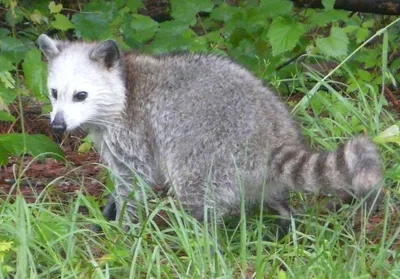 Raccoon
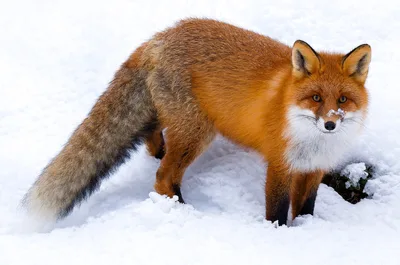 Red fox
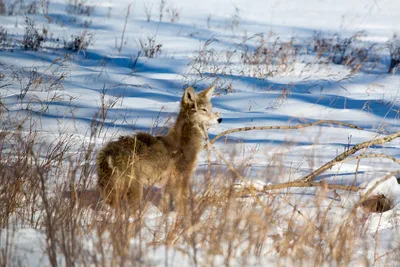 Coyote
Ecological equivalents
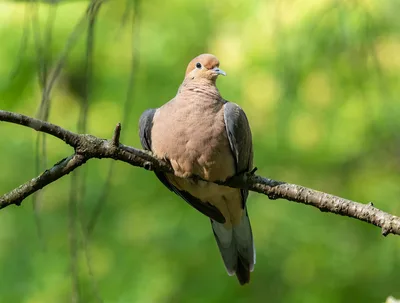
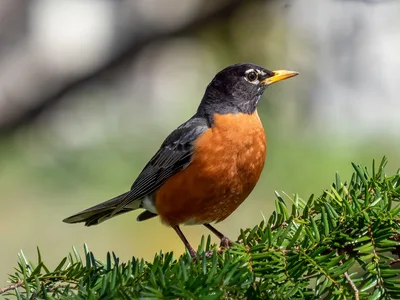
Related species on this site
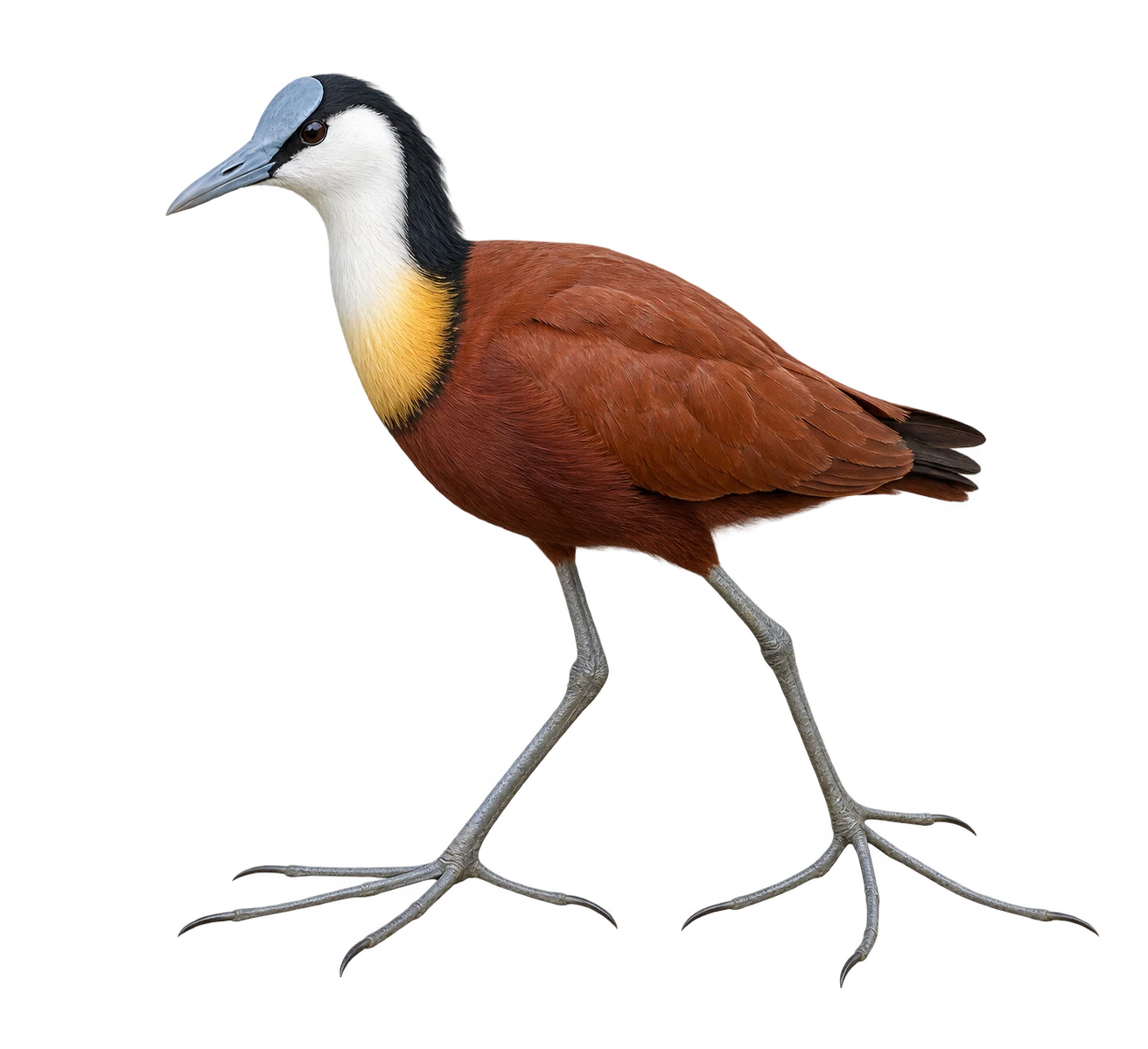
African Jacana (same order), Atlantic puffin (same order), Bronze-winged Jacana (same order), Comb-crested Jacana (same order), Elegant Tern (same order), Great auk (same order), and more.
Birds
African Jacana
Actophilornis africanus
Classification and source reference
LivingAI illustration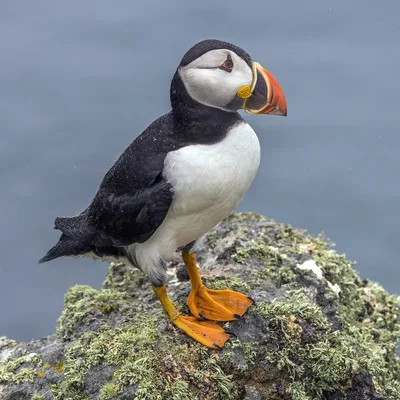 VU
Birds
Atlantic puffin
Fratercula arctica
The Atlantic puffin is a small black and white seabird with a bright triangular bill.
Living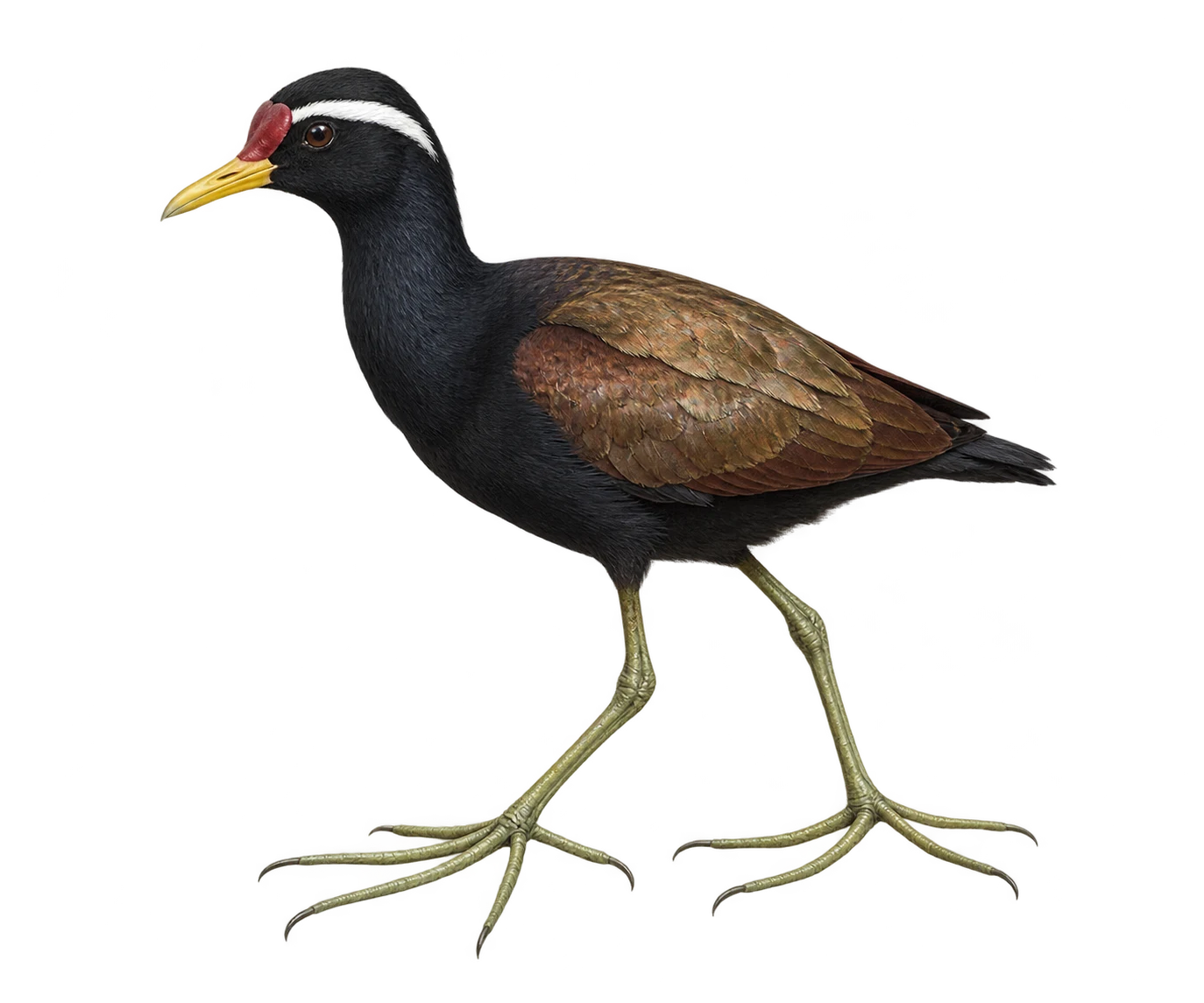
Birds
Bronze-winged Jacana
Metopidius indicus
Classification and source reference
LivingAI illustration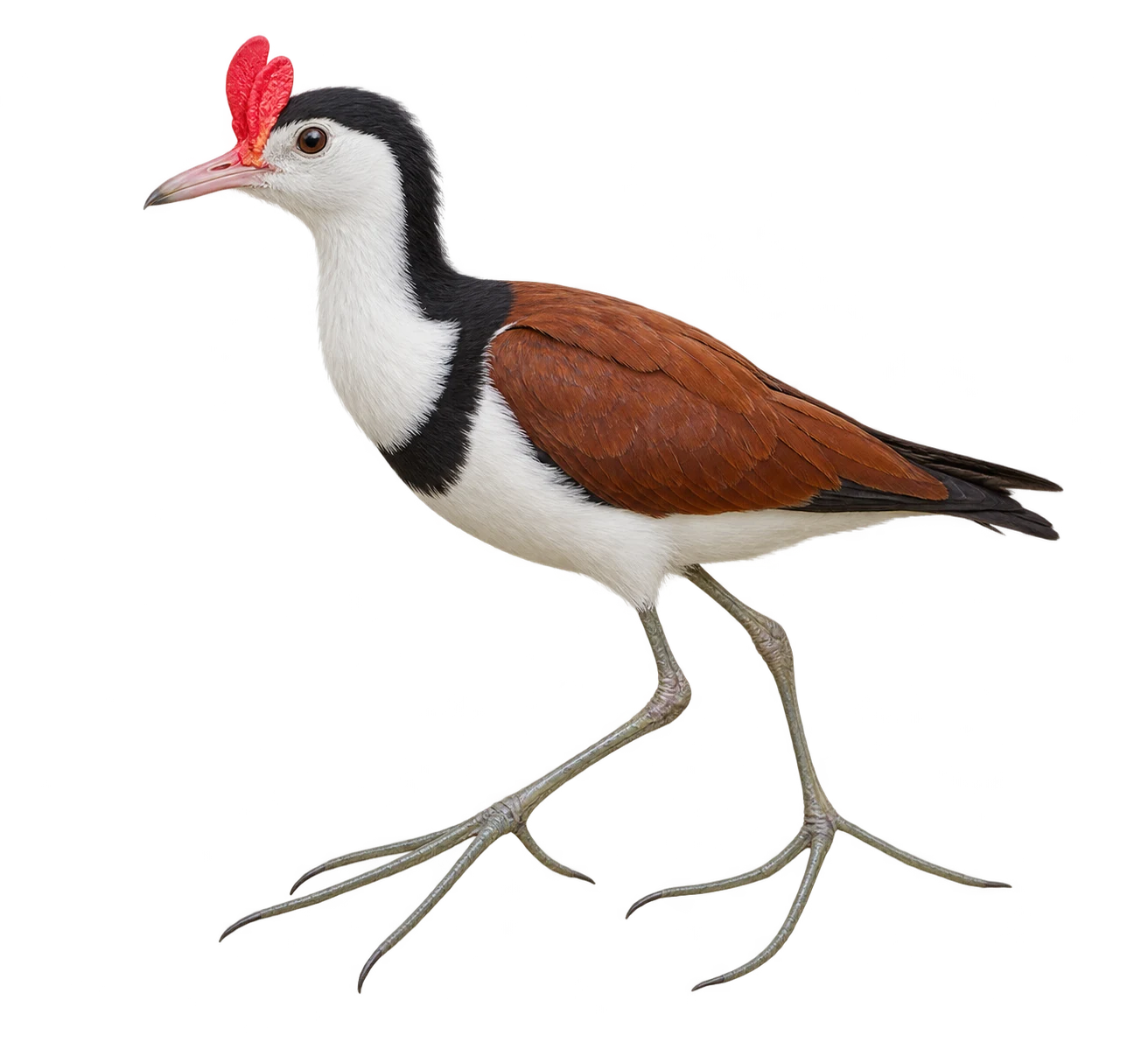
Birds
Comb-crested Jacana
Irediparra gallinacea
Classification and source reference
LivingAI illustration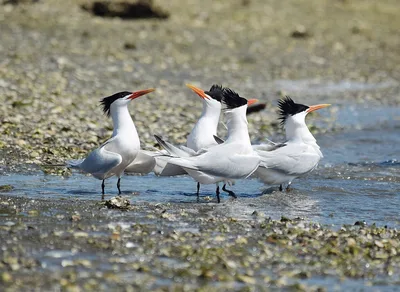
Birds
Elegant Tern
Thalasseus elegans
The elegant tern is a slender coastal seabird with a long orange bill and shaggy dark crest.
Living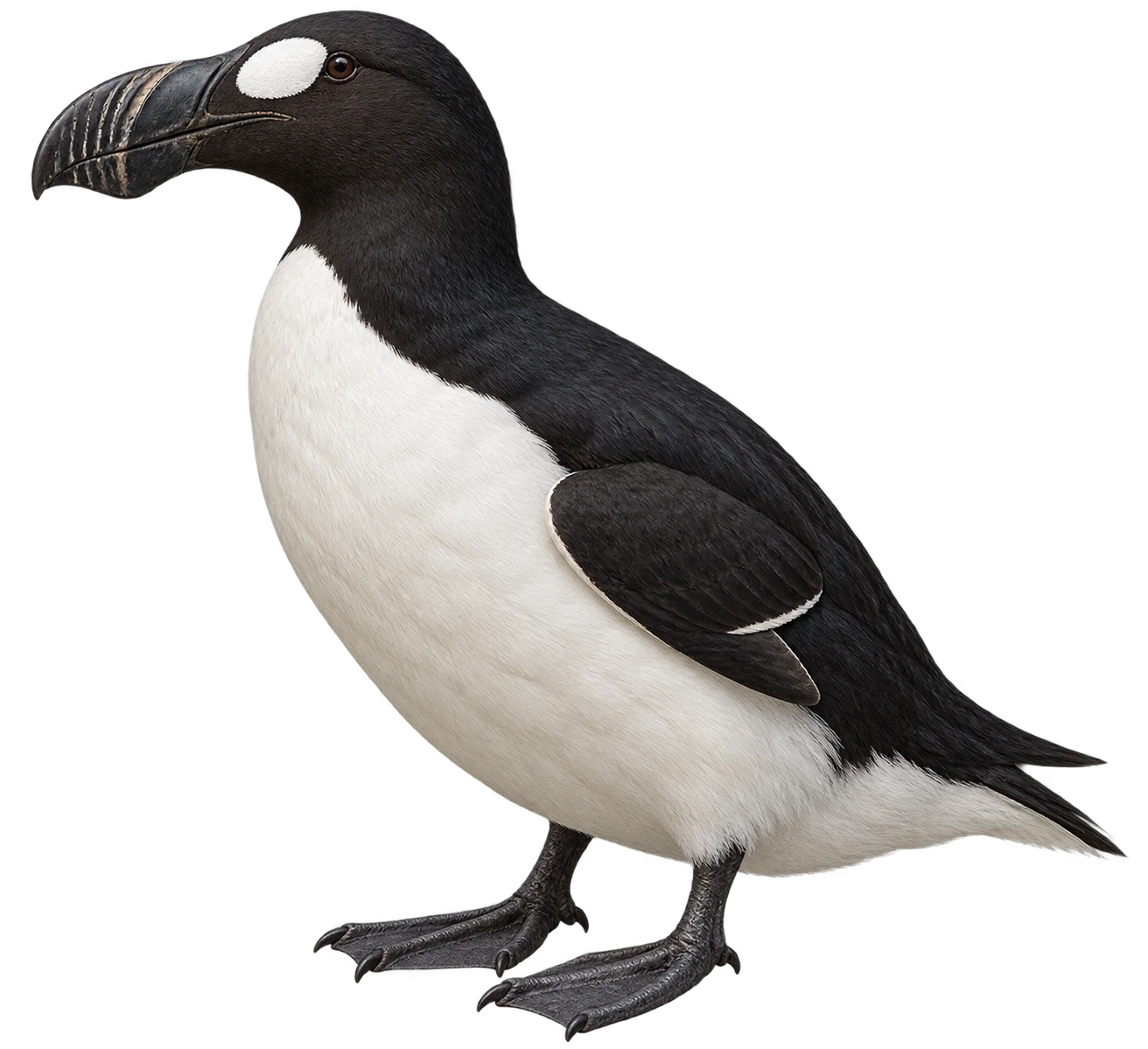 EX
Birds
Great auk
Pinguinus impennis
The great auk was a large flightless seabird of the North Atlantic that swam with its wings and caught fish under water.
ExtinctAI reconstruction