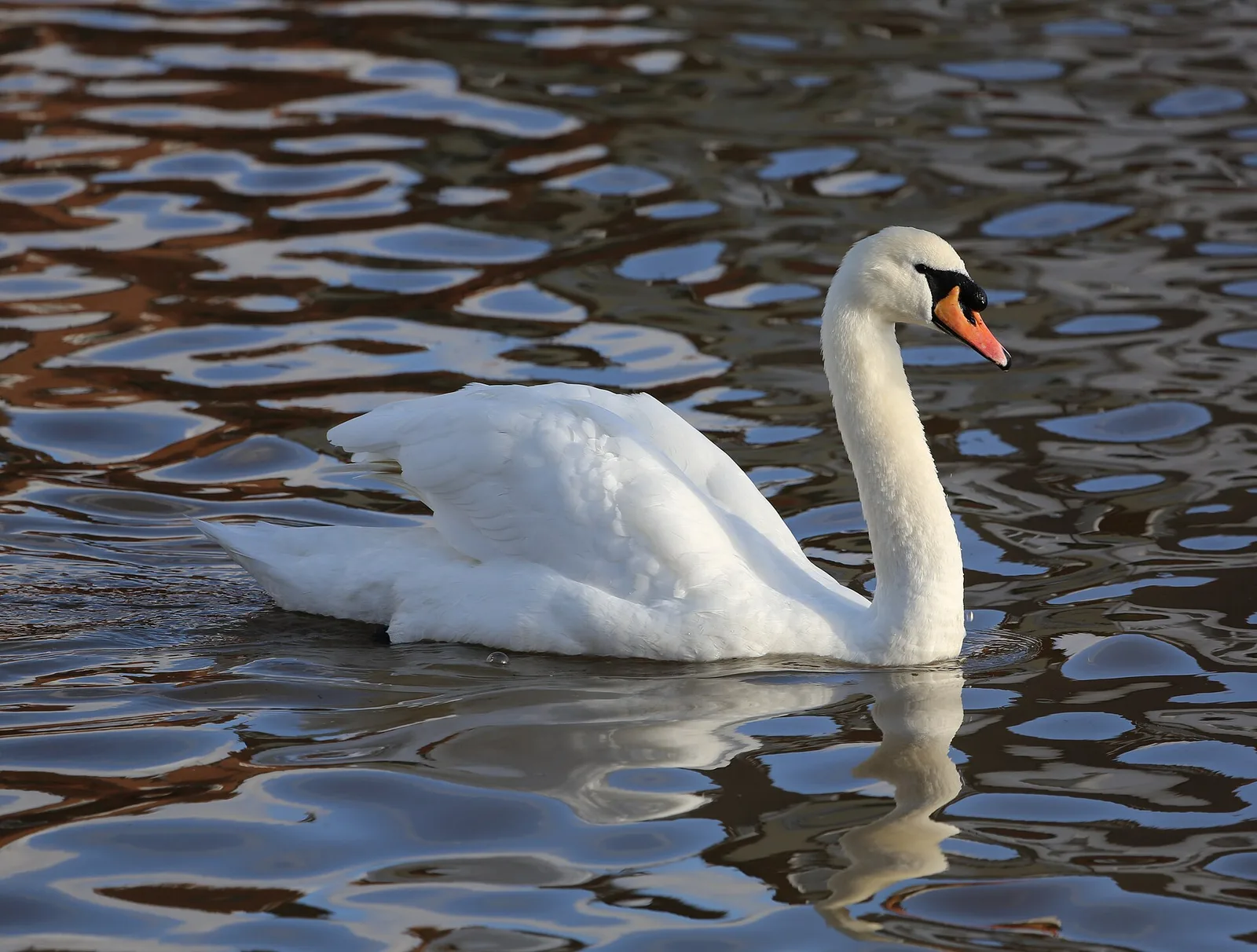
Mute swan
The heaviest flying bird in Europe, and the crossest
Cygnus olor
Also called Swan, Polish swan
Living individuals or members of this group exist today. This does not mean they are safe from extinction.
Meet the mute swan
The mute swan is a large white waterbird of lakes, rivers and sheltered coasts across Europe and Asia. It is one of the heaviest birds that can still fly, and it defends its nest with real force.
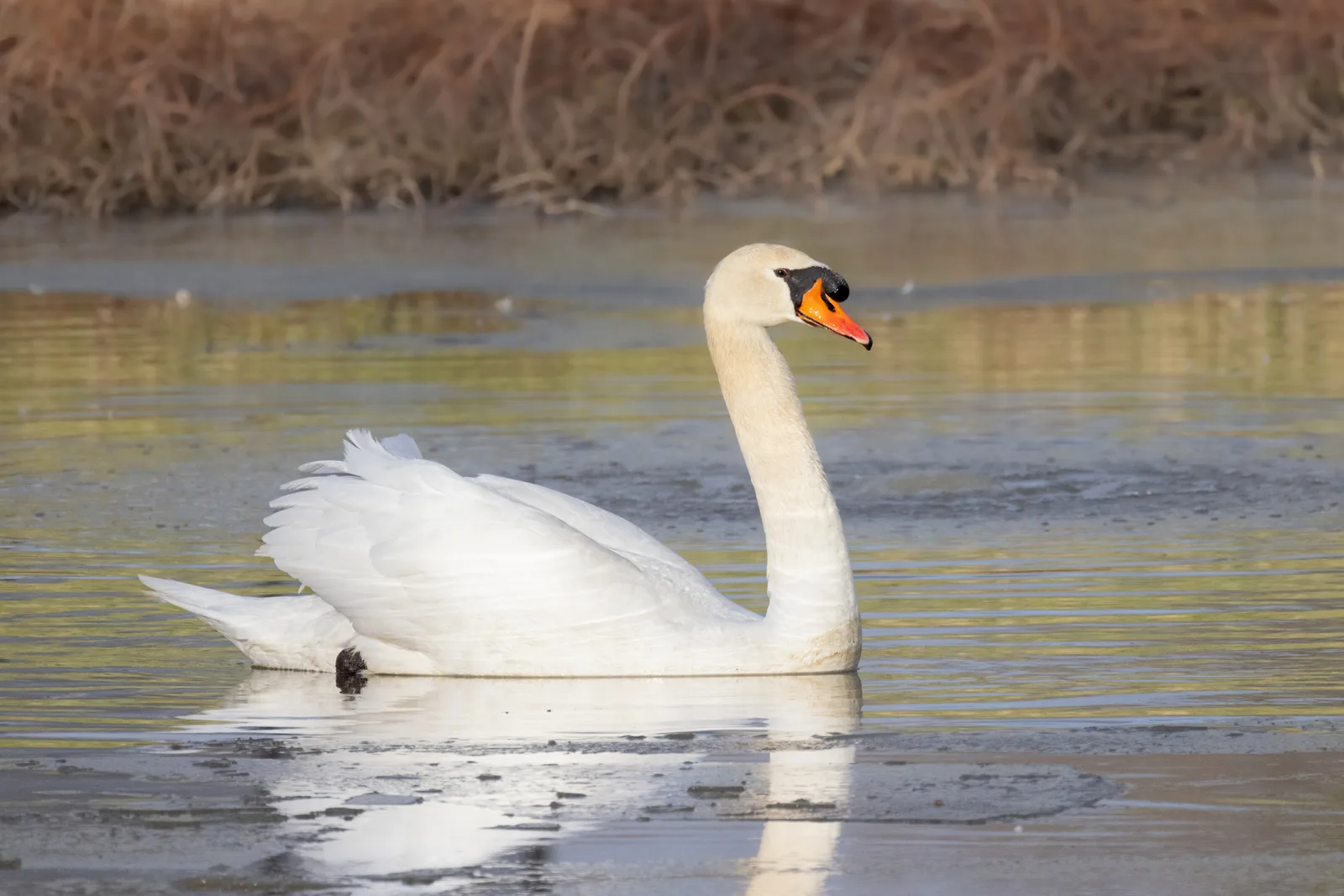
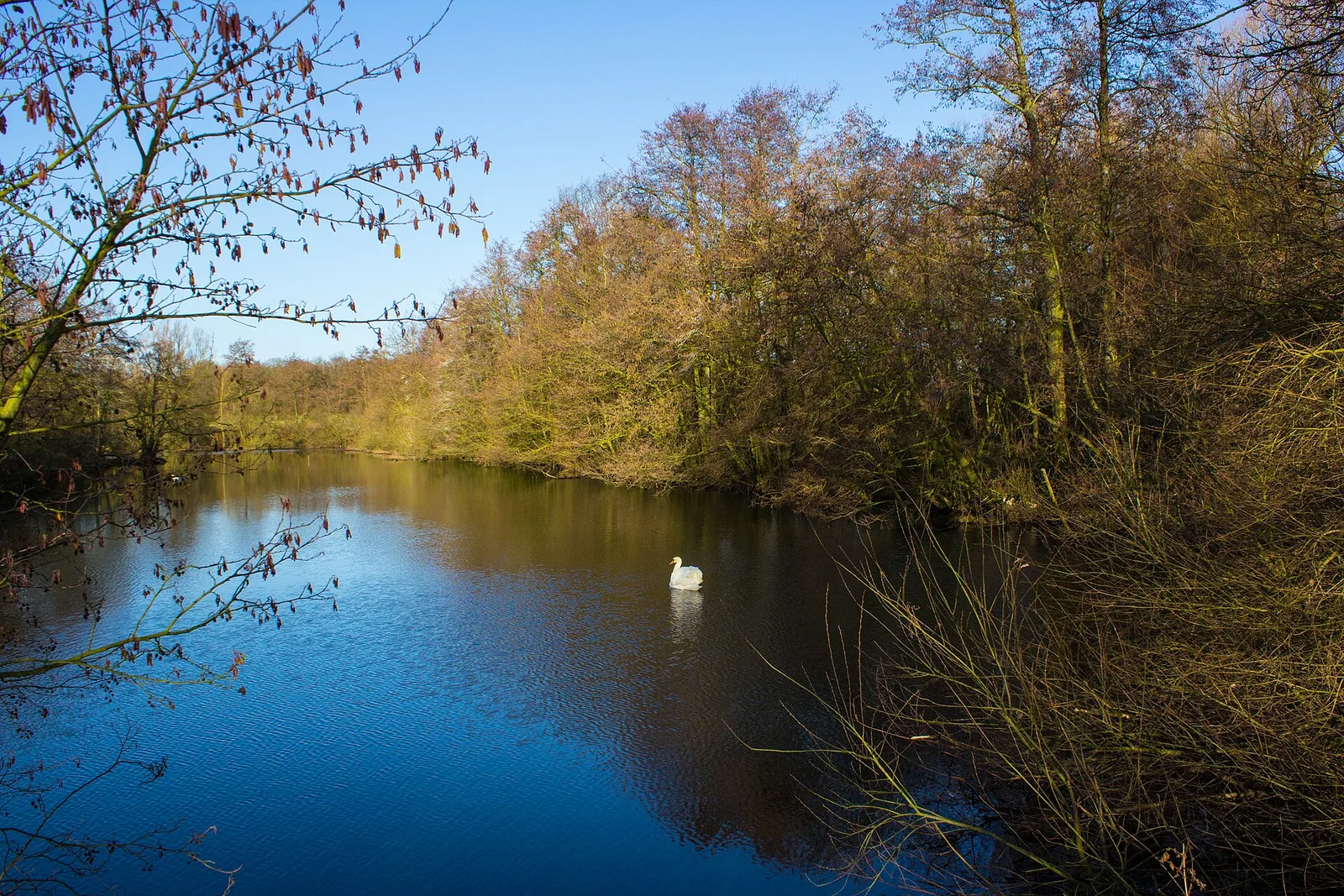
Images of the mute swan
Lifespan in the wild
Up to 26.8 years a ringed Danish bird found dead in 2008 was estimated at 40 years
Weight
7.6 to 14.3 kg
Length
1.4 to 1.6 m
Top speed
Up to 88.5 km/h
Fact file
Mute swan
- Location
- Europe and temperate Asia, with introduced birds in North America
- Habitat
- Rivers and lakes, Wetlands, Coast, Towns and cities
- Diet
- Herbivore
- Predators
- Foxes, mink, pike and crows take eggs and cygnets
- Lifestyle
- Territorial pairs in summer, flocks in winter
- Group name
- Herd
- Name of young
- Cygnet
- Incubation
- Eggs hatch after about 36 days
- Clutch size
- 5 to 8 eggs
- Population
- About 500,000 in the native range
- Biggest threat
- Lead poisoning and collisions with power lines
- Distinctive feature
- Orange bill with a black knob at the base
- Colour
- White, with dark grey legs and an orange bill
- Skin type
- Feathers
Size
Next to a person
Measurements
Size and speed
- Height
- About 1.2 m
- Length
- 1.4 to 1.6 m, up to 1.7 m extreme birds run from 125 to 170 cm
- Wingspan
- 2 to 2.4 m
- Weight
- 7.6 to 14.3 kg, up to 23 kg females 7.6 to 10.6 kg, males 9.2 to 14.3 kg, one Polish male almost 23 kg
- Weight, male
- 9.2 to 14.3 kg, up to 23 kg
- Weight, female
- 7.6 to 10.6 kg
- Top speed
- Up to 88.5 km/h
Life cycle
Lifespan
- In the wildUp to 26.8 years a ringed Danish bird found dead in 2008 was estimated at 40 years
- In captivity30 to 40 years
- 040 years
The pale bar is the record. Sources: AnAge, Animal Diversity Web.
Appearance
Colour and coat
- Primary colours
- white
- Secondary colours
- orangeblackgrey
- Skin type
- feathers
- Male and female
- Moderate. Males are larger and carry a bigger black knob at the base of the bill. The plumage of the two sexes is the same.
Life cycle
Mating and family
- Mating system
- monogamous pairs, though a bird may change mate
- Social structure
- territorial pairs in summer, and flocks of non-breeders
- Breeding
- one brood a year, from March or April
A pair builds a large mound of waterside plants in shallow water. The female lays 5 to 8 eggs and does most of the sitting while the male guards. The eggs hatch after about 36 days, and cygnets leave the nest within a day. The young fly at 60 to 65 days and fledge fully after 120 to 150 days. Parents drive them away before the next season, and the young birds first breed at about three years old.
Classification
Taxonomy
- Kingdom
- Animalia
- Phylum
- Chordata
- Class
- Aves
- Order
- Anseriformes
- Family
- Anatidae
- Genus
- Cygnus
- Species
- Cygnus olor
Conservation
Red List status
- LC
- NT
- VU
- EN
- CR
- EW
- EX
Least Concern on the IUCN Red List
Range
Recorded in 22 countries
- Austria
- Belgium
- Belarus
- Canada
- Switzerland
- Czech Republic
- Germany
- Denmark
- Spain
- Finland
- France
- United Kingdom
- Ireland
- Italy
- Netherlands
- Norway
- Poland
- Romania
- Russia
- Sweden
- Ukraine
- United States of America
Habitat layer: flooded grassland and savanna, mangrove.
Countries from 136,282 wild records on GBIF (iNaturalist research grade), filtered and checked by hand. Country shapes: Natural Earth. Habitat: RESOLVE Ecoregions 2017, CC BY 4.0. Basemap: Natural Earth.
Habitats
Three things to know
- 1
One Polish male weighed almost 23 kilograms, the heaviest flying bird ever confirmed.
- 2
The wings throb in flight, and the sound carries 1 to 2 kilometres.
- 3
The British Crown still owns every unmarked mute swan on open water.
Did you know
Seven more facts
- 1
A male swan is a cob, a female is a pen and a young bird is a cygnet.
- 2
The mute swan is quieter than other swans because its windpipe is straight.
- 3
Cygnets ride on a parent's back when they tire on the water.
- 4
One mute swan egg weighed over 500 g, which is heavier than a mallard.
- 5
Its nearest kin are Australia's black swan and the black-necked swan of South America.
- 6
The birds can fly at up to 88.5 km/h.
- 7
Rusty brown stains on the head come from iron in the water, not from age.
Field notes
How it looks and acts
Field notes
Distinguishing features
- The bill is orange with a black base and a black knob.
- The neck curves in an S while swimming, with the bill angled down.
- The legs and feet are dark grey.
- The wingspan of 200 to 240 cm is the widest of any European waterbird.
- The knob at the base of the bill is larger on a male.
- Cygnets are grey or buff for the first year, with a dull dark bill.
Field notes
Unique adaptations
- A long neck reaches weed in water too deep for any duck.
- Bony spurs in the wings turn a wing blow into a real weapon.
- Large webbed feet paddle the busking display and probably carry the bird over soft mud.
- The straight windpipe makes a quiet bird, and the wings appear to carry the signal instead.
- Cygnets that ride on a parent's back probably lose less heat and stay safe from pike.
Field notes
Interesting behaviours
- A pair holds a territory of 4 to 10 acres and drives other swans out.
- The bird busks with an arched neck and half-raised wings to warn a rival.
- It pushes head and neck underwater to reach submerged plants.
- Unpaired young birds gather in flocks of several hundred at traditional sites.
- It attacks intruding birds by climbing on them and pushing their heads under.
Field notes
Temperament
- Highly territorial in the breeding season and quick to attack.
- Tolerant of people in a park, where a swan defends less ground.
- Sociable in winter, when non-breeders gather in large flocks.
- Bonded to a mate, and a widowed bird appears to mourn.
Field notes
Communication
- A hiss warns a rival off the territory.
- Grunts, snorts and hoarse whistles carry only a short way.
- The throbbing wings act as a contact sound between flying birds.
- A courting pair sings in rhythm with the swing of their heads.
- Cygnets whistle when content and chirp harshly when lost.
Ecology
Ecological role
The mute swan is the largest grazer of shallow fresh water in its range, and it can reshape the plant life of a whole lake.
- Its grazing thins the beds of submerged plants where numbers are high.
- Weed it tears loose floats up and feeds ducks and other waterbirds.
- Its eggs and cygnets feed foxes, mink, pike and crows.
- Outside its native range it appears to displace native waterfowl from nest sites.
Stories
Myths and legends
- In ancient Greek belief a swan sang once, at the moment of death.
- In Irish legend the children of Lir lived as swans for 900 years.
- In British law and custom the unmarked swan is the property of the monarch.
- In Danish national symbolism the mute swan has stood for the country since 1984.
- In Andersen's tale the rejected duckling turns out to be a swan.
People
Relationship with humans
People
Living alongside us
Britain farmed mute swans for the table for centuries and marked them for ownership. That system of ownership kept the species alive there when hunting cleared it from much of western Europe. The Crown still claims every unmarked bird on open water, and swan upping counts them each July. In North America the same bird is treated as an invasive pest and its numbers are controlled. Most people meet the swan in a park, where it is tame until it has cygnets.
- A nesting swan will attack a person, and a wing blow or a bite hurts badly.
- An adult swan can seriously injure a child who comes near the cygnets.
- Swans have knocked riders off jet skis and struck at canoes near a nest.
People
Status, uses and products
- Domestication
- Wild
- As a pet
- Not suitable. No. The mute swan needs open water, weighs up to 14.3 kg and turns aggressive when breeding. Ownership is restricted by law in Britain and in many other countries.
- Uses
- ornamental waterfowlhistoric food birdpark wildlife
- Products
- quill pensdownleather from the webs
The full account
About the mute swan
The mute swan, Cygnus olor, is the large white swan of European lakes and rivers. Adults measure 140 to 160 centimetres long, and the wings span 200 to 240 cm. A female weighs 7.6 to 10.6 kilograms and a male 9.2 to 14.3 kg. The bill is bright orange with a black knob at its base. The knob is larger on a male, and it is the easiest way to tell the sexes apart.
The name records a bird that is quieter than the whooper and tundra swans. It is not silent, and it hisses, snorts and grunts. The species is native to Europe, temperate Asia and the far north of Africa. People took it to North America in the late nineteenth century, where it is now treated as invasive. The IUCN lists the mute swan as Least Concern.
Name and taxonomy
Johann Friedrich Gmelin named the bird Anas olor in 1789. Johann Matthaus Bechstein moved it into the new genus Cygnus in 1803. Both parts of the modern name mean swan in Latin. Cygnus is a variant of cycnus, which came from the Greek kyknos. English calls the male a cob, the female a pen and the young a cygnet.
The species is monotypic, so there are no living subspecies. One colour morph is named the Polish swan and carries a gene for leucism. Polish swans have pink legs rather than dark grey ones, and their cygnets hatch dull white. The morph turns up only where the birds have a history of being kept, so domestication seems to explain it.
Evolution and relatives
The mute swan belongs to Anatidae, the family of ducks, geese and swans. Its closest living relatives are not the northern swans it lives beside. Genetic work puts Australia's black swan nearest to it, along with the black-necked swan of South America. That result suggests the group spread widely and then split by hemisphere.
Subfossil bones about 6,000 years old have come out of peat beds in East Anglia. Older material dates a French record to 13,000 years before the present. A fossil subspecies from Azerbaijan differed from the living bird only in size. A giant flightless relative, Cygnus falconeri, lived on Malta and Sicily in the Middle Pleistocene. Swan fossils from California, Arizona, Idaho and Oregon run from the Miocene to about 10,000 years ago.
Appearance
The adult is white all over, with dark grey legs and feet. Head and neck feathers often stain orange-brown, because iron and tannins in the water soak into them. The bill is orange, with black at the nostrils and a black nail at the tip. Adults measure 140 to 160 cm, and extreme birds run from 125 to 170 cm. The wingspan reaches 200 to 240 cm.
This is one of the heaviest birds that can still leave the ground. Males in British studies averaged about 10.6 to 11.87 kg, with a spread of 9.2 to 14.3 kg. Females averaged about 8.5 to 9.67 kg and ranged from 7.6 to 10.6 kg. About 15 kg is the top normal weight for a big male. One Polish male weighed almost 23 kg, and no heavier flying bird has been confirmed.
Cygnets look nothing like their parents in the first year. Their down runs from grey to buff, and their bills are a dull greyish black. They reach close to adult size about three months after hatching. Grey feathers stay until the bird is at least a year old. A swimming mute swan curves its neck and points the bill down, which no other northern swan does.
Habitat and range
Mute swans use fresh water of medium to large size. Lagoons, lakes and slow rivers all hold them. In winter more birds move onto sheltered salt water and open bays. Ground near water serves the birds outside the breeding season, because they graze on land as well. Town parks and city rivers appear to suit the species as well as any wild lake.
The native range covers temperate Europe and the Palearctic east to Primorsky Krai. Winter takes some birds south to North Africa, the Near East, northwest India and Korea. Birds in Britain, Ireland and northwest Europe mostly stay put all year. Birds from Mongolia, eastern Russia and China fly thousands of kilometres to the lower Yellow River. That journey takes 30 to 32 days.
North America holds the largest population outside the native range. The birds arrived there in the late nineteenth century and spread from park collections. Smaller introduced groups live in Australasia and southern Africa. Japan has about 200 birds and South Africa about 120. A feral flock near Northam in Western Australia numbered 80 in the 1980s and about 10 by 2015.
Diet and feeding
The mute swan eats water plants above all else. It does not dive, and it pushes its head and long neck under instead. That reach lets it feed in deeper water than ducks can work. Ducks and gulls often sit near a feeding swan and take the weed that floats up. Small amounts of aquatic insects, fish and frogs go down with the plants.
The birds also graze on dry land. Oilseed rape and wheat both appear in the diet where farms run to the water. A winter flock can do real damage to a crop. Much of that loss comes from trampling with the large webbed feet rather than from eating. Heavy grazing also thins the submerged plants of a lake, which is the core of the North American complaint.
Behaviour and social life
A breeding pair holds a territory and drives other swans off it. One pair may take a whole small lake, and territories run from 4 to 10 acres. Where food is very rich the birds nest close together instead. The largest colonies pass 100 pairs, and Abbotsbury in Dorset is the best known. Nests in such places can sit as little as 2 metres apart.
Young birds that have not paired gather into flocks. These flocks can hold several hundred birds and return to the same sites each year. A count on the Tweed estuary at Berwick reached 787 birds. Birds join these flocks at about three or four years old and leave them when they pair.
Busking is the threat display of this species. The bird arches its neck back, half raises its wings and paddles with both feet at once. The same posture catches the wind, and swans use it to sail several hundred metres. Birders call that trick windsurfing. Swans are also known to mourn a lost mate, and a widowed bird may stay or join a flock.
Communication and senses
The mute swan has sharp sight and good hearing. It is quieter than other northern swans, because its windpipe runs straight instead of looping. The usual sounds are grunts, snorts, hoarse whistles and short barking notes. A hiss is the standard warning to any rival or intruder.
The loudest signal appears to be no call at all. The wings throb in flight with a sound unique to this species. That throb carries 1 to 2 km and probably keeps flying birds in contact. Cygnets whistle and chirp when content and give harsher chirps when lost.
Courting birds perform a rhythmic song that matches the movement of their heads and necks. In an established pair the rhythm and the movement fit together. In a new pair they do not, so the display appears to show how long two birds have been together. Much of the rest of the signalling is posture, and an angry male arches his wing feathers over his back.
Reproduction and life cycle
Mute swans form monogamous pairs, but not always for life. Some birds have taken four mates over their lives, and some leave one partner for another. Established pairs raise more young than newly formed ones. Breeding starts in March or early April, and first breeding comes at about three years old.
The nest is a large mound of waterside plants, lined with down and feathers. The birds build it in shallow water, on an island or at the lake edge. Pairs often use the same mound year after year and repair it each spring. A clutch usually holds 5 to 8 eggs, and both latitude and season affect the number. Each egg weighs 294 to 396 grams, and one exceptional egg passed 500 g.
The female does most of the sitting while the male stands guard. Incubation lasts about 36 days, and cygnets normally hatch between May and July. A cygnet hatches at 180 to 248 g and leaves the nest after about a day. Tired cygnets climb onto a parent's back on the water, and they shelter under a wing in heavy rain.
The young can fly 60 to 65 days after hatching. They fledge properly after 120 to 150 days, at 70 to 75 percent of adult mass. Parents drive them off before the next breeding season. The oldest ringed wild bird on record lived to 26.8 years. Captive swans reach 30 to 40 years.
Predators and threats
A healthy adult swan is rarely killed by a wild predator. Wild boar and hooded crows take eggs in the native range. Red foxes, northern pike and American mink take cygnets. Snapping turtles are the main cygnet predator in New York state. Golden eagles have killed adult swans in a few recorded cases.
Human activity kills far more swans than wild predators do. Power lines and lead poisoning are the two large causes. British numbers fell from about 1960 to the early 1980s, as birds swallowed lead shot and fishing weights. Numbers rose again once lead weights and shot were replaced. Loose dogs now attack swans in British parks, which is a criminal offence there.
Population and conservation
Counted after breeding, with the young included, the native population comes to about 500,000 birds. Up to 350,000 of those are in Russia, and 11,000 pairs breed in the Volga Delta alone. Britain held about 22,000 birds in the winter of 2006 to 2007, including about 5,300 breeding pairs. Germany holds 6,800 to 8,300 pairs, Denmark 4,500 and Poland 4,000 to 4,200. Naturalists have logged 185811 records of the species on iNaturalist.
Hunting almost cleared western Europe of mute swans between the thirteenth and nineteenth centuries. Only the semi-domestic birds of large estates came through. Protection from the late nineteenth century let the species take back most of its old range. GBIF holds records from 99 countries and territories.
North America appears to run the opposite policy. Numbers in the lower Great Lakes grew by at least 10 percent a year from 1971 to 2000. The US Fish and Wildlife Service proposed a 67 percent cut in the Atlantic Flyway in 2003. The Department of the Interior declared the bird non-native and unprotected in 2005. New Zealand lowered its protection in 2010, so the bird may now be killed at the minister's discretion.
Relationship with humans
Britain kept mute swans as poultry for centuries. Owners cut nicks into the webs or the bill of a bird to mark it, and registered the marks with the Crown. Any unmarked bird belonged to the Crown, which is the root of the phrase royal bird. That system of ownership saved the species from being hunted out of Britain. Feathers went into quill pens, the webs into purses and the wing bones into whistles.
The monarch still owns every unmarked mute swan on open water. King Charles III exercises the right only on parts of the Thames and its tributaries. The Vintners' and Dyers' Companies have shared that ownership since the fifteenth century. Swan upping counts and rings the Thames birds each July over five days. The ceremony goes back to the twelfth century and now works as a health check.
Swans defend a nest against people as readily as against a fox. A blow from the wing is painful and a bite from the bill is worse. Birds have knocked riders off jet skis and have attacked canoes near their young. An adult swan can seriously hurt a child. The old claim that a swan can break a man's leg is false.
In culture and myth
Greek writers held that each swan sings one time only, as it dies. Aeschylus put the image into Agamemnon in 458 BC, and Plato read that final song as joy. Aristotle called swans musical birds that sing near the end of life. Pliny the Elder rejected the story in AD 77 and said that watching swans proved it wrong. The whooper swan is the likely source, because a loop in its windpipe gives a long run of notes.
In Irish legend the four children of Lir spent 900 years as white swans. Their stepmother Aoife cursed them into three spells of 300 years on three waters. The tale ends with an order that protects every swan in Ireland from killing. Hans Christian Andersen wrote The Ugly Duckling about a cygnet rejected by farmyard birds. The story appears to turn on the moment the bird grows into a swan.
Denmark has named the mute swan its national bird since 1984. At Wells in England, swans on the palace moat learned to pull a string and ring for food. Two of the Wells birds can still ring for lunch. Boston keeps a pair in the Public Garden named Romeo and Juliet, and both turned out to be female. The Sydney Swans took the mute swan as a badge because it matched the club colours.
A sentence with a dotted underline is inferred: it describes the group the animal belongs to, or is a reading of the sources, rather than a measured or reported fact about this species.
Questions
Mute swan questions, answered
How big is a mute swan?
An adult measures 140 to 160 cm long with a wingspan of 200 to 240 cm. Males weigh 9.2 to 14.3 kg and females 7.6 to 10.6 kg.
Why is it called a mute swan?
It is quieter than the whooper and tundra swans, because its windpipe runs straight. It still hisses, grunts and snorts, so it is not truly silent.
What do mute swans eat?
Mostly water plants, reached by pushing the head and neck under the surface. They also graze grass and crops such as wheat and oilseed rape. Small numbers of insects, fish and frogs go down too.
Are mute swans dangerous?
They can be, near a nest. A wing blow or a bite is painful and can injure a child. No wild swan has been shown to break a person's leg.
Do mute swans mate for life?
Usually, but not always. Some birds take several mates over a life and some leave one partner for another. Established pairs raise more young than new ones.
How long do mute swans live?
The oldest ringed wild bird on record lived 26.8 years. A captive bird can pass 30 years and reach 40.
How many eggs does a mute swan lay?
Usually 5 to 8. Incubation lasts about 36 days, and the cygnets hatch between May and July.
How fast can a mute swan fly?
Up to 88.5 km/h in level flight. On take-off the bird runs across the water at about 48 km/h to get lift.
Does the King own all the swans in England?
He owns the unmarked mute swans on open water. In practice the right is used only on parts of the Thames. Two City livery companies, the Vintners and the Dyers, share it.
What is swan upping?
It is a yearly count of the Thames swans, held over five days in July. The birds are caught, weighed, checked and ringed, then released. The custom dates from the twelfth century.
Why are mute swans a problem in America?
They were introduced and now spread fast. They graze down submerged plants and drive native waterfowl off nest sites. The United States declared them non-native and unprotected in 2005.
Why do swans hiss?
A hiss is the first warning to anything that comes too close to the nest or the cygnets. If the hiss fails, the bird attacks.
What is a baby swan called?
A cygnet. Cygnets hatch at 180 to 248 g, are grey or buff for the first year and cannot fly until about 60 days old.
Do swans really sing before they die?
No. The idea comes from Greek writers such as Aristotle and Plato. Pliny the Elder rejected it in AD 77, and the mute swan makes no such sound.
How can you tell a male mute swan from a female?
The male is larger and has a bigger black knob at the base of the bill. The plumage of the two sexes is identical.
Are mute swans endangered?
No. The IUCN lists the species as Least Concern. The native population is about 500,000 birds, and introduced populations are growing.
Food web
Prey and food
Not recorded.
Food web
Predators
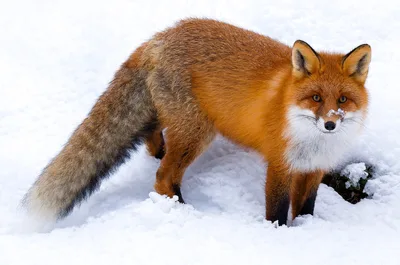 Red fox
- mink
- pike
- crows
Ecological equivalents
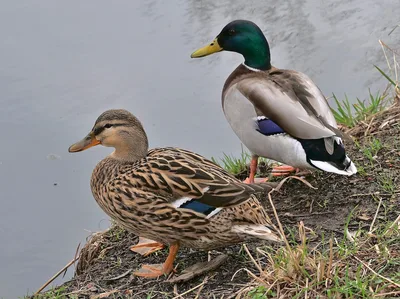
Related species on this site
Black swan (same genus), Tundra Swan (same genus), Black-Bellied Whistling Duck (same family), Canada goose (same family), Canvasback (same family), Chinese Geese (same family), and more.
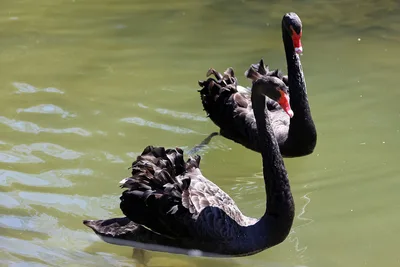 LC
Birds
Black swan
Cygnus atratus
The black swan is a large Australian waterbird with black plumage, white flight feathers and a bright red bill.
Living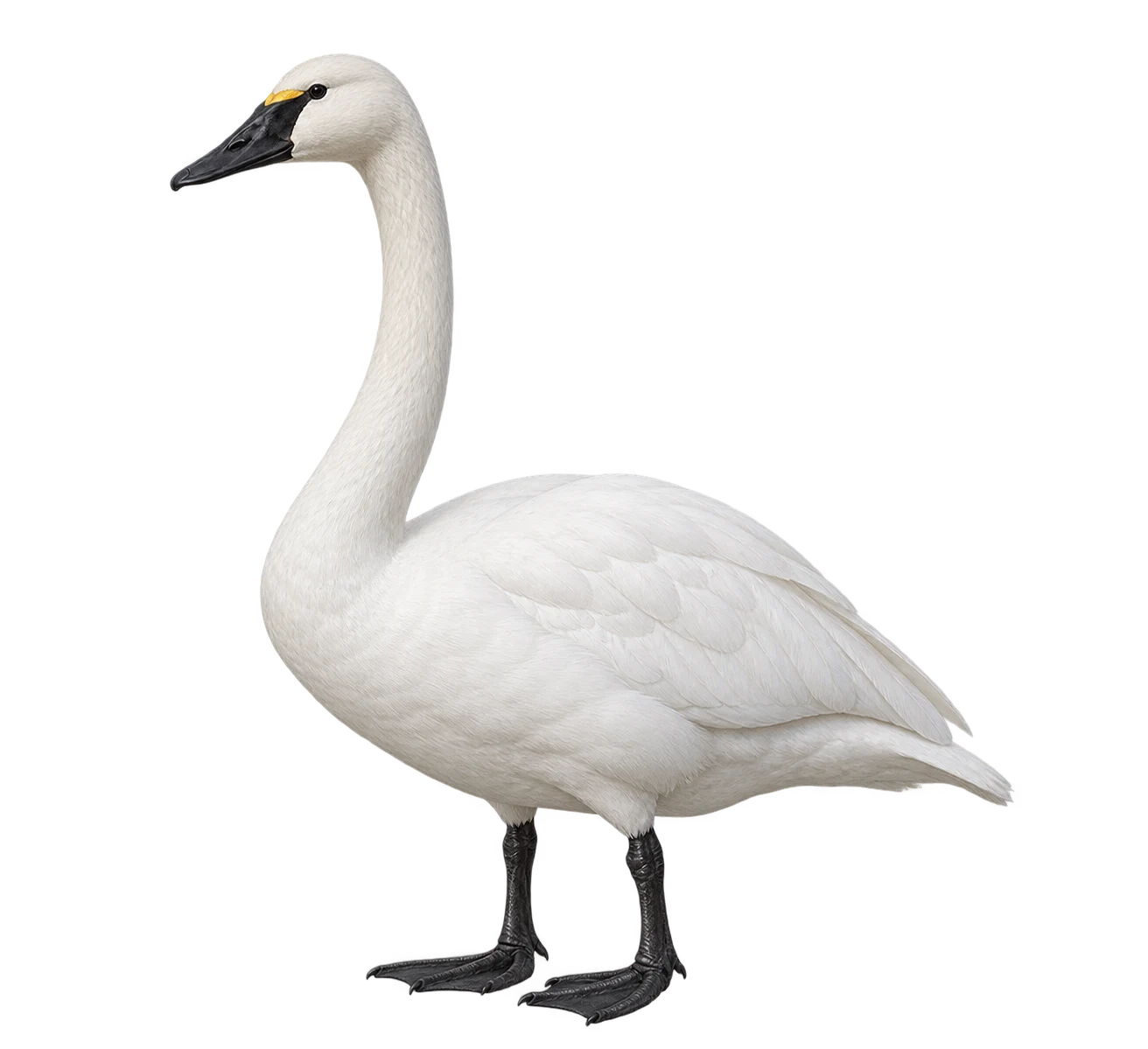
Birds
Tundra Swan
Cygnus columbianus
Classification and source reference
LivingAI illustration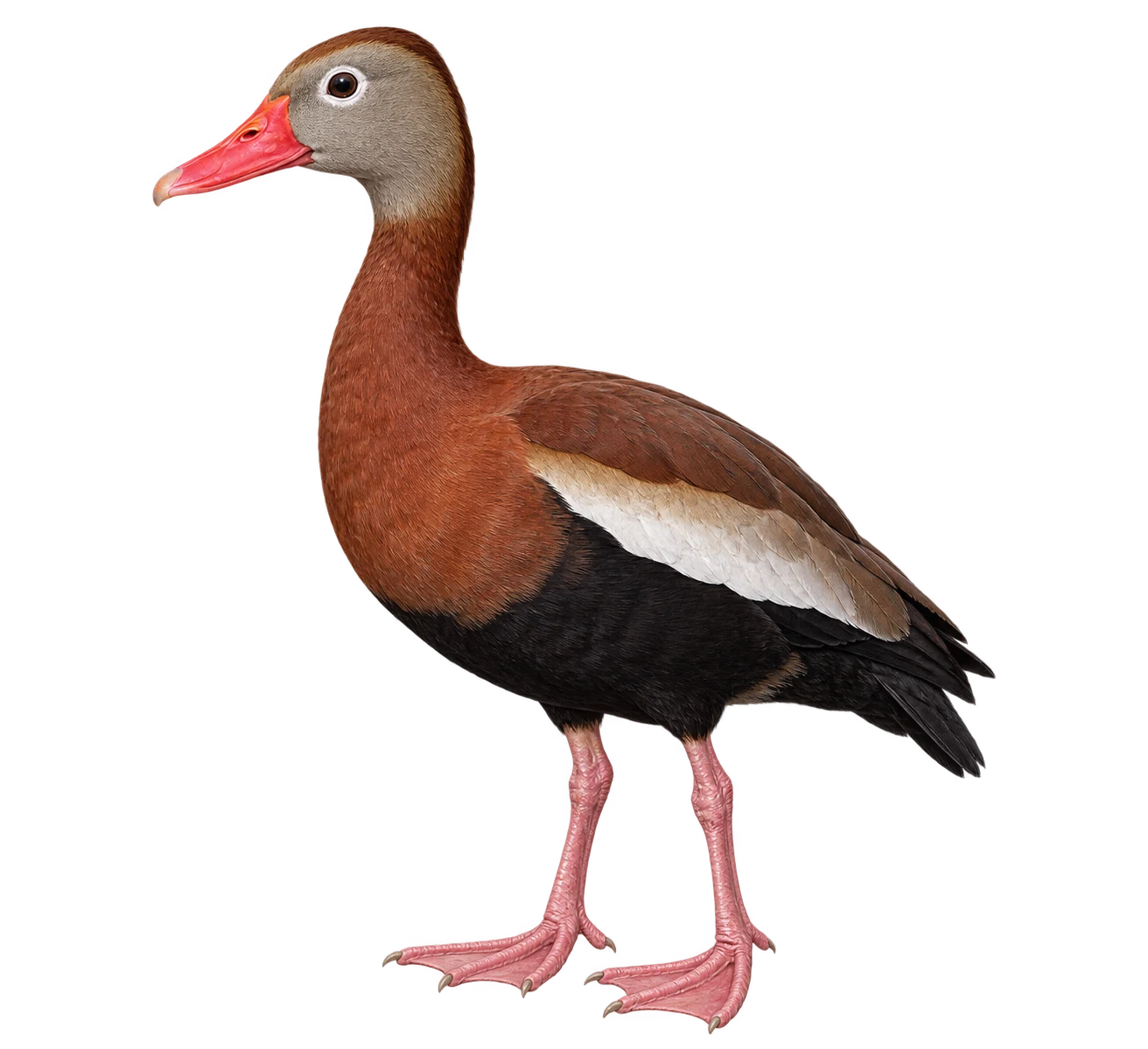
Birds
Black-Bellied Whistling Duck
Dendrocygna autumnalis
Classification and source reference
LivingAI illustration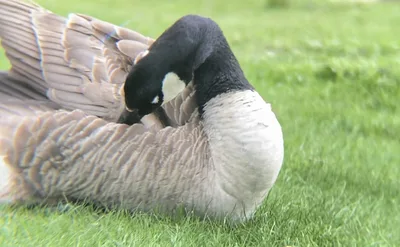 LC
Birds
Canada goose
Branta canadensis
The Canada goose is a large black-necked goose with a white chinstrap, native to North America and now settled on four continents.
Living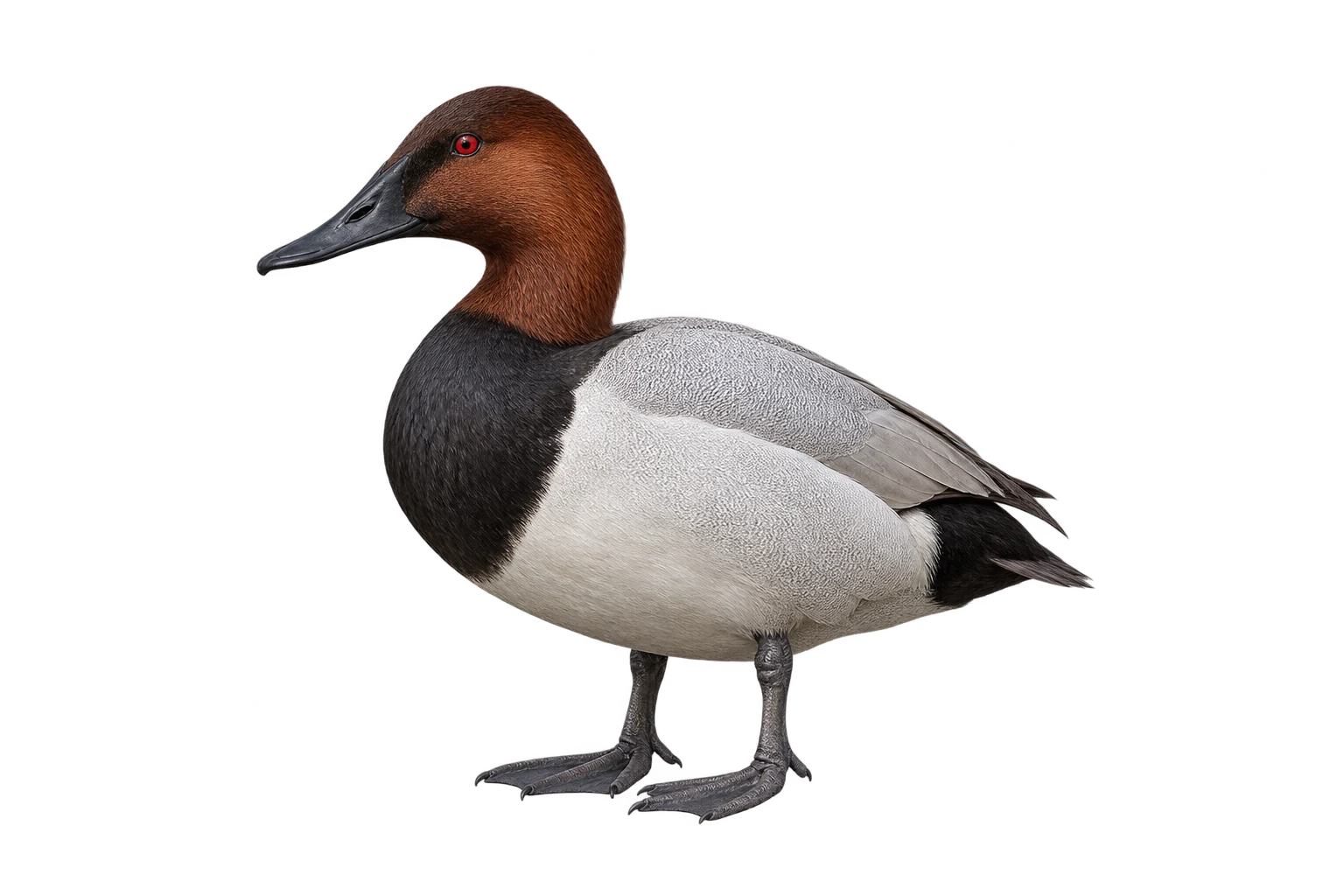
Birds
Canvasback
Aythya valisineria
Classification and source reference
LivingAI illustration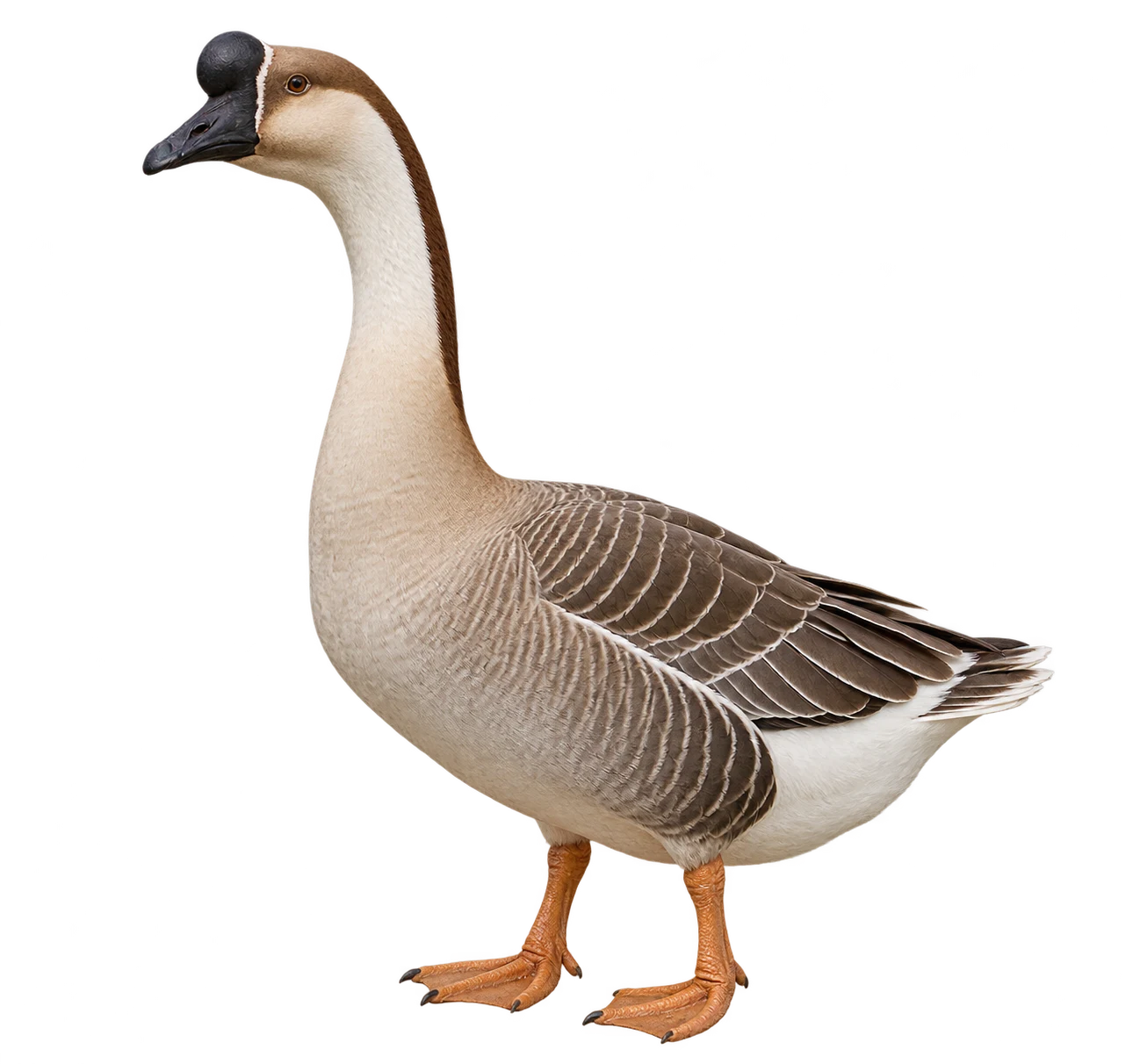
Birds
Chinese Geese
Anser cygnoides domesticus
Classification and source reference
LivingAI illustration