Emu
Australia's tallest bird, and the father does the sitting
Dromaius novaehollandiae
Also called Common emu, New Holland cassowary
Living individuals or members of this group exist today. This does not mean they are safe from extinction.
Meet the emu
The emu is a tall flightless bird found only in Australia, and no native bird there stands higher. The male alone sits on the clutch for eight weeks, and he neither eats nor drinks while he does it.
Images of the emu
Lifespan in the wild
5 to 10 years
Weight
18 to 60 kg
Length
1.39 to 1.64 m
Top speed
Up to 48 km/h
Fact file
Emu
- Location
- Mainland Australia, inland and near the coast
- Habitat
- Savanna, Grassland, Temperate forest, Desert
- Diet
- Omnivore
- Prey / food
- Grass, seeds, fruit, shoots, grasshoppers, crickets, beetles, ants, spiders
- Predators
- Dingoes and wedge-tailed eagles; foxes and pigs take eggs and chicks
- Lifestyle
- Active by day, nomadic, in pairs or loose mobs
- Group name
- Mob
- Name of young
- Chick
- Incubation
- Incubation 56 days
- Clutch size
- 5 to 15 eggs in a clutch
- Population
- About 630,000 to 725,000
- Biggest threat
- Habitat clearance, vehicles and predation of eggs
- Distinctive feature
- Shaggy double-shafted feathers over a bare blue neck
- Colour
- Grey-brown, with a pale blue neck
- Skin type
- Feathers
Size
Next to a person
Measurements
Size and speed
- Height
- 1.5 to 1.9 m standing height; the largest birds reach the top of the range
- Length
- 1.39 to 1.64 m bill to tail
- Weight
- 18 to 60 kg males average about 31.5 kg and females about 37 kg
- Top speed
- Up to 48 km/h
Typical adult ranges. Source: Wikipedia.
Life cycle
Lifespan
- In the wild5 to 10 years
- In captivity15 to 20 years
- 020 years
Source: Animal Diversity Web.
Appearance
Colour and coat
- Primary colours
- browngrey
- Secondary colours
- blackblue
- Skin type
- feathers
- Male and female
- Males and females look almost the same. Females are usually a little heavier and wider across the rump, and they do most of the booming.
Life cycle
Mating and family
- Mating system
- polyandrous, with females often taking a second male
- Social structure
- pairs and family parties, with loose mobs at good feed
- Breeding
- one nesting attempt a year for the male, and up to three for a female in a good season
Pairs form in the Australian summer and mate between April and June. The female lays 5 to 15 large green eggs and then usually leaves. The male sits for 56 days without food or water and loses a third of his weight. Chicks hatch striped and follow their father for up to seven months. They reach full size in five or six months and breed in their second season.
Classification
Taxonomy
- Kingdom
- Animalia
- Phylum
- Chordata
- Class
- Aves
- Order
- Casuariiformes
- Family
- Dromaiidae
- Genus
- Dromaius
- Species
- Dromaius novaehollandiae
Conservation
Red List status
- LC
- NT
- VU
- EN
- CR
- EW
- EX
Least Concern on the IUCN Red List
Range
Recorded in 2 countries
Habitat layer: temperate broadleaf and mixed forest, temperate conifer forest, boreal forest and taiga, tropical grassland, savanna and shrubland, temperate grassland, savanna and shrubland, desert and xeric shrubland.
Countries from 6,896 wild records on GBIF (iNaturalist research grade), filtered and checked by hand. Country shapes: Natural Earth. Habitat: RESOLVE Ecoregions 2017, CC BY 4.0. Basemap: Natural Earth.
Habitats
Three things to know
- 1
The male incubates the eggs for 56 days and loses a third of his weight doing it.
- 2
An emu egg is dark green, weighs about 650 grams at the top of its range, and is thick enough to be carved.
- 3
Many Aboriginal peoples see a giant emu in the black clouds that cross the Milky Way.
Did you know
Seven more facts
- 1
Emus swallow stones to grind their food, and one bird may carry 745 grams of them.
- 2
The neck pouch that makes the booming call is more than 30 centimetres long.
- 3
Emu eggs start pale green, darken through incubation, and bleach white if they never hatch.
- 4
A nest may hold eggs from several females, and half the chicks may not be the sitting male's.
- 5
The first proven case of genetically identical twins in any bird was found in the emu.
- 6
Emus hold a steady body temperature from minus 5 to 45 degrees Celsius.
- 7
The bird has calf muscles with four bellies where most birds have three.
Field notes
How it looks and acts
Field notes
Distinguishing features
- A height of 150 to 190 centimetres, taller than any other bird in Australia.
- Shaggy grey-brown plumage with black shafts and black tips.
- A long bare neck of pale blue skin under thin feathers.
- Feathered stub wings about 20 cm long, each ending in a claw.
- Three-toed feet with thick pads and a heavy claw on every toe.
- A small soft bill of 5.6 to 6.7 centimetres, shaped for grazing.
Field notes
Unique adaptations
- Long legs with heavy muscle carry the bird at 48 kilometres per hour.
- Panting lungs work as an evaporative cooler in the heat of the day.
- Folded nasal passages warm cold air and take the moisture back out of each breath.
- Stored fat lets an emu go weeks without food, and it carries the male through incubation.
- Clear sideways eyelids keep blown dust out of the eye in windy dry country.
Field notes
Interesting behaviours
- Nomadic travel: the bird walks hundreds of kilometres to reach new feed.
- Dust bathing: emus work dust through the plumage during the day.
- Broken sleep: an emu wakes about every ninety minutes through the night.
- Jump and kick: the bird springs upward to keep its neck clear of a dingo.
- Egg turning: the sitting male rolls the clutch about ten times a day.
Field notes
Temperament
- Curious, and willing to walk up to a person to inspect a strange movement.
- Calm most of the year, but a sitting or guarding male is dangerous to approach.
- Females turn aggressive in the breeding season and fight each other over males.
- Generally sociable, though pairs and small groups are more typical than big mobs.
Field notes
Communication
- Booming from the inflated neck pouch carries about 2 kilometres.
- Grunting is mostly male, and it warns off other males in the breeding season.
- Low drumming calls from a courting female bring a male closer.
- Strutting and snaking head movements carry the courtship dance.
- Raised feathers and sharp grunts from a guarding male tell other emus to leave.
Ecology
Ecological role
The emu is the main long-distance seed carrier of the Australian interior.
- It swallows large fruit and drops the seeds far from the parent plant.
- Some seeds germinate better after they pass through an emu.
- The bird eats insects in bulk, which puts it in the middle of the food web as well.
- Emus feed dingoes and wedge-tailed eagles, and their eggs feed foxes and pigs.
Stories
Myths and legends
- In many Aboriginal traditions the dark lanes of the Milky Way form a giant emu in the sky.
- In Yuwaalaraay story the sun was made when someone threw an emu egg into the sky.
- In a Western Australian story a man loses his arms to a boomerang and becomes an emu.
- In Kaurna tradition the hunt for the emu belongs to the Tjilbruke story of the Adelaide plains.
- In Central Australia the kurdaitcha man is said to wear emu-feather sandals to hide his tracks.
People
Relationship with humans
People
Living alongside us
The emu has fed people in Australia for thousands of years. Aboriginal Australians used the meat, the fat, the bones, the tendons and the feathers. Settlers ate the bird and later fought it over wheat crops. Farms now raise emus in Australia and abroad for meat, leather and oil. Wild emus are protected by Australian law.
- An emu kicks forward with a clawed foot, and the legs can tear down metal fencing.
- Only two attacks on people are documented, so injury is rare.
- A male guarding chicks is the bird most likely to charge, and people should give him room.
People
Status, uses and products
- Domestication
- Wild
- As a pet
- Not suitable. Emus are sometimes kept, and the United Kingdom stopped treating them as dangerous wild animals in 2007. They still need a large paddock, so almost no household can house one properly.
- Uses
- meatfarmingecotourismtraditional hunting
- Products
- emu oilleatherfeatherseggsmeat
The full account
About the emu
The emu is a large flightless bird that lives only in Australia. No other native Australian bird stands as high. Adults reach 150 to 190 centimetres tall, and the body measures 139 to 164 cm from bill to tail. Weight runs from 18 to 60 kilograms, and females are usually a little larger than males. Only the two ostriches of Africa stand taller among living birds.
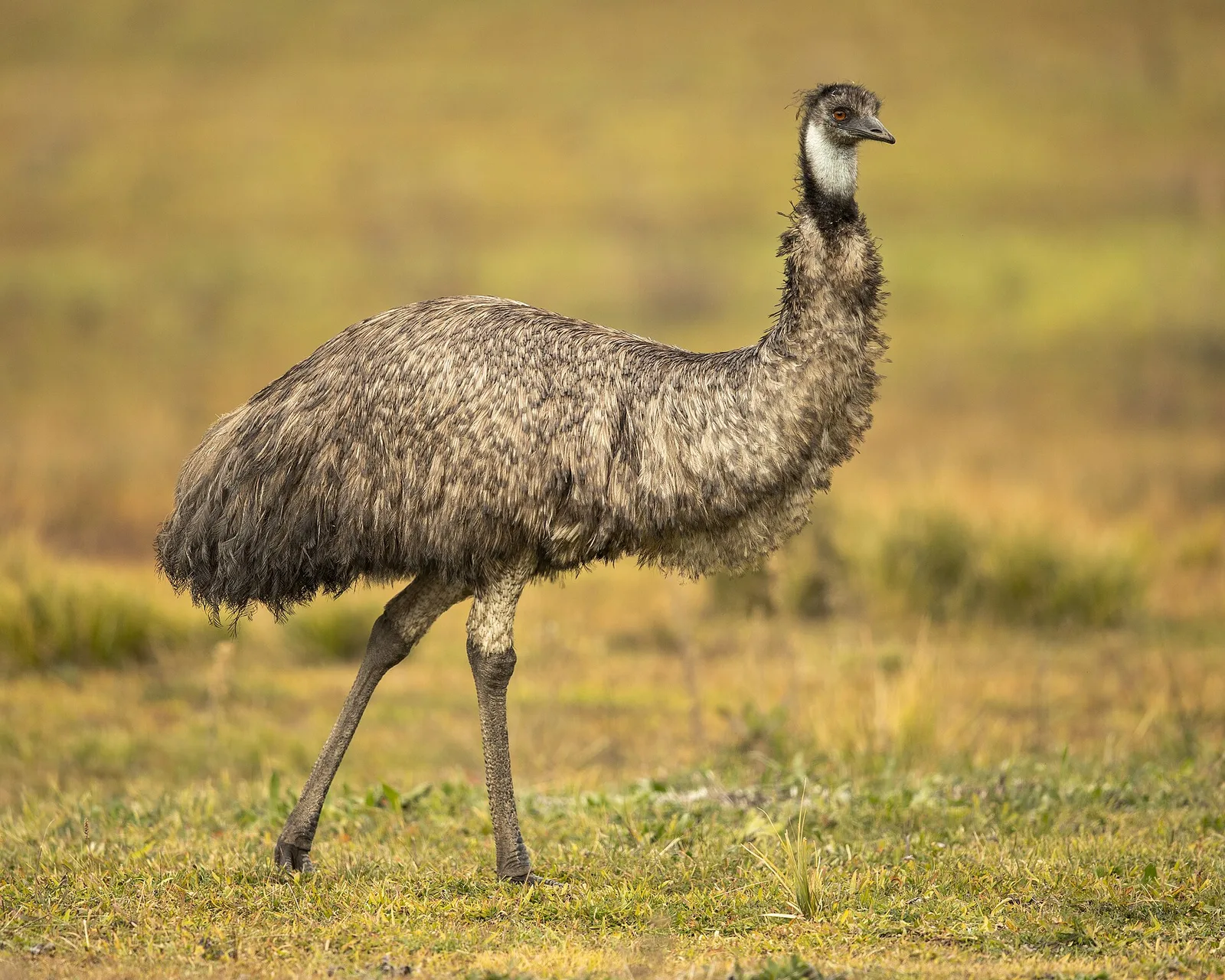
Soft grey-brown feathers hang loose over the body, and a bare pale blue neck shows through them. The wings are tiny leftovers, but the legs are long and hold most of the bird's muscle. An emu can sprint at 48 kilometres per hour when it must. It walks the country all year in search of feed, and it can go for weeks with nothing to eat. The male alone sits on the eggs, and the chicks follow him for months after they hatch.
Name and taxonomy
The scientific name of the emu is Dromaius novaehollandiae. Dromaius comes from a Greek word for a runner, and the species name is the Latin form of New Holland. New Holland was the European name for Australia when John Latham described the bird in 1790. The whole name therefore reads as the fast-footed bird of New Holland.
Nobody is certain where the English word emu came from. One account traces it to an Arabic word for a big bird that Portuguese sailors applied to the cassowary. Another points at the Portuguese word ema, used for an ostrich or a crane. Australian languages had their own names, among them barrimal in Dja Dja Wurrung and murawung in the Sydney basin. Arthur Phillip's book of 1789 first put the bird in print, under the name New Holland cassowary.
Evolution and relatives
Emus are ratites, the group of flightless birds that also holds ostriches, rheas, kiwis and cassowaries. The cassowaries are the nearest living relatives of the emu. A study of mitochondrial DNA in 2014 moved the emu into a family of its own, Dromaiidae. That work left the cassowaries alone in Casuariidae and placed both families in the order Casuariiformes.
Australia held more than one emu when Europeans arrived. Dwarf forms lived on Kangaroo Island, King Island and Tasmania, and all three died out in the 1800s. The Tasmanian bird was gone by about 1865. The mainland bird remains common, and the plumage differences across the continent probably reflect soil and rainfall rather than separate races.
Appearance
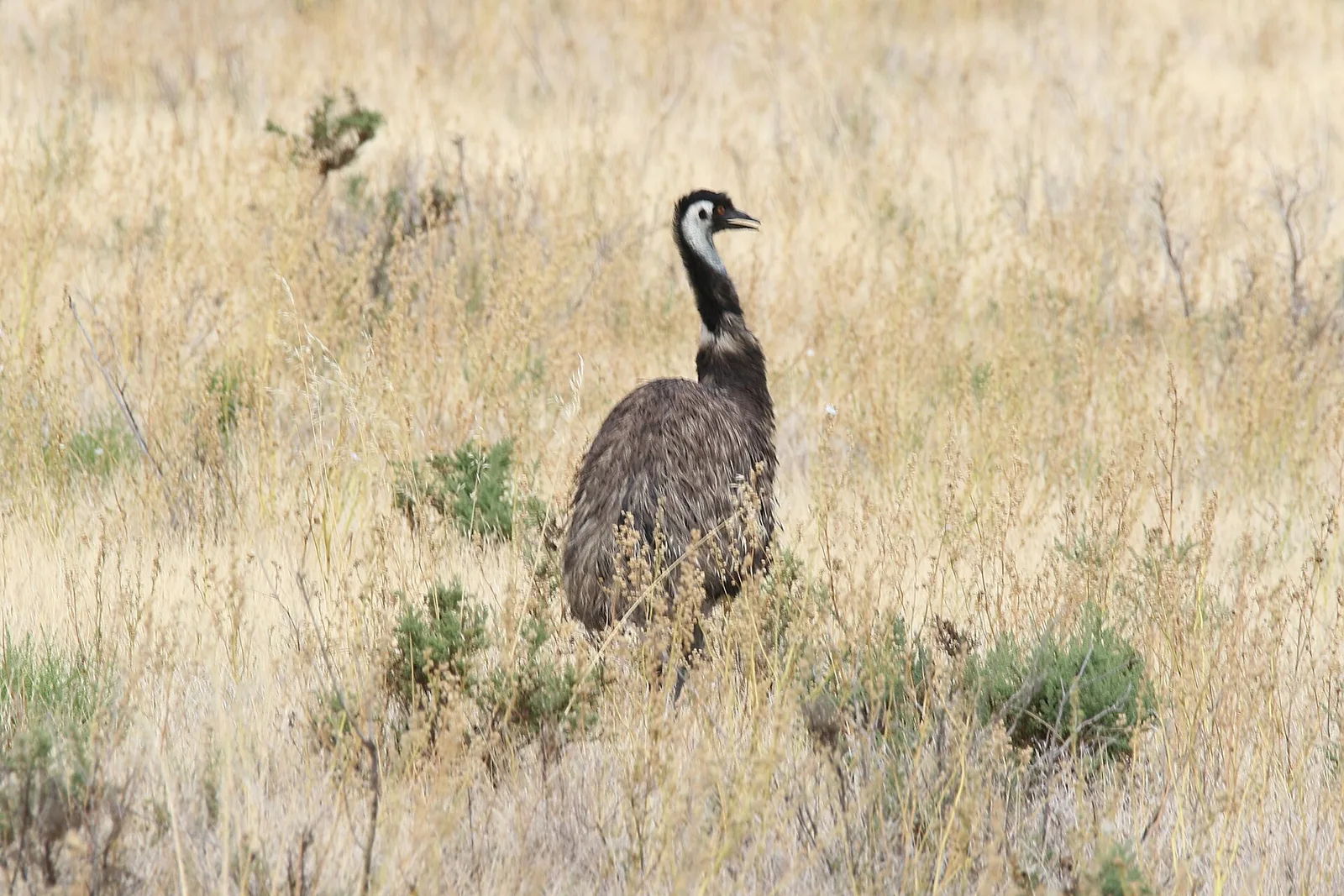
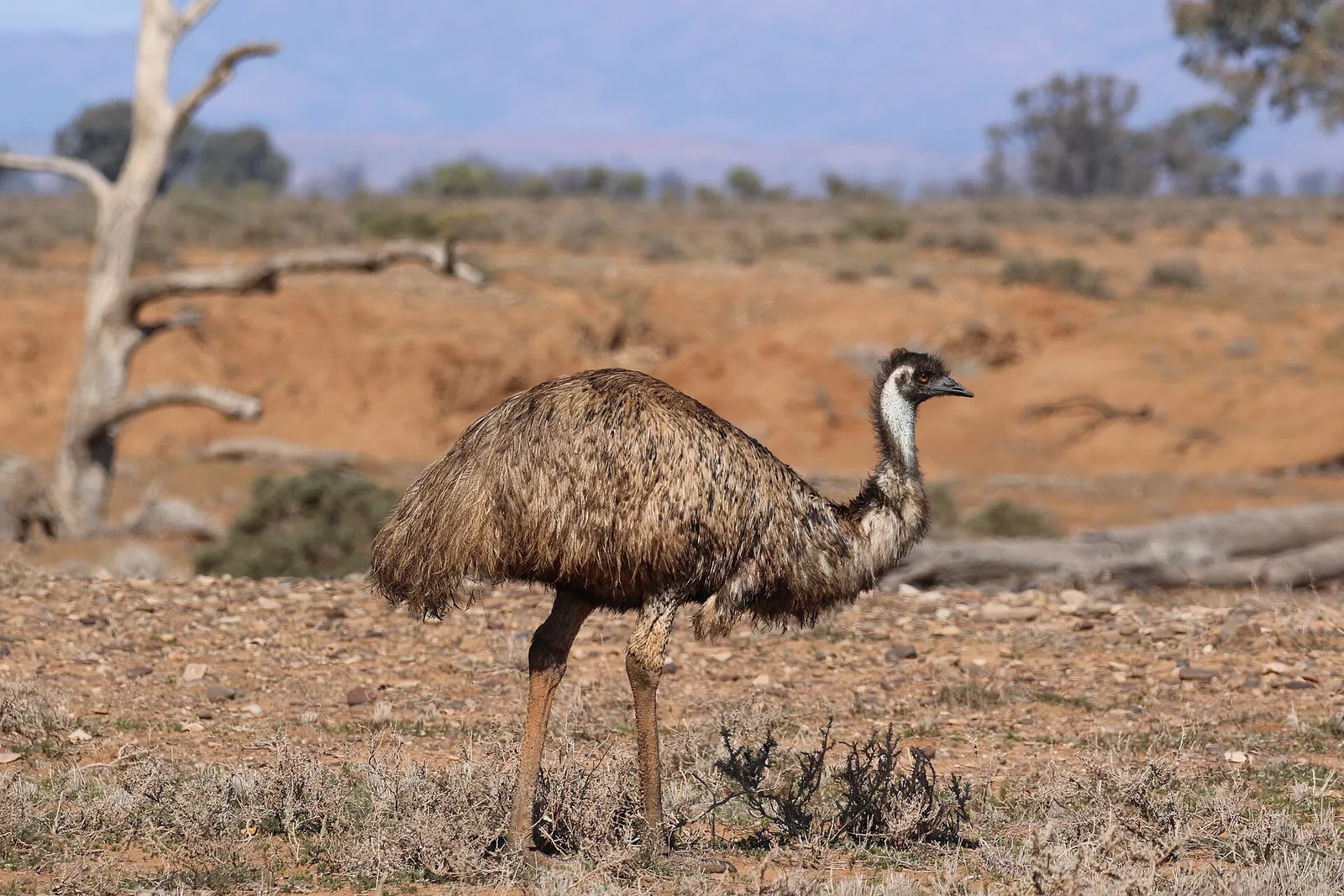
An emu stands 150 to 190 centimetres tall and weighs 18 to 60 kilograms. Males average about 31.5 kg and females about 37 kg, and females are broader across the rump. The plumage is shaggy and grey-brown, with black shafts and black feather tips. Each feather carries two shafts from one base, which is unusual among birds. Dark tips soak up the sun while the inner down keeps the heat off the skin.
The neck is pale blue and the sparse feathers on it hide little. The legs carry no feathers and the feet have three toes with thick pads beneath. Each toe ends in a claw, and the toe and claw together run to 15 cm. The wings are stubs about 20 cm long, each with a small claw at the tip. Birds on red desert soils look rusty, while birds in damp country look darker.
Habitat and range
Emus range across nearly all of mainland Australia, inland and near the coast. They do best in savanna woodland and in dry sclerophyll forest. They are scarce in crowded districts and in country with under 600 millimetres of rain a year. Bores and dams sunk for livestock have carried the bird deeper into the interior. The east coast, where emus were once ordinary, now holds few of them.
The bird travels to find feed, and it can cover hundreds of kilometres in a season. The Australian Museum records daily movements of 15 to 25 kilometres during such journeys. Western Australian birds run north in summer and south in winter. Birds on the east coast wander with no clear pattern that anyone has found. Pairs are the usual unit, and a large mob forms only where food draws many birds together.
Diet and feeding
The emu is an omnivore that feeds by day and takes whatever the season offers. Acacia seed, casuarina and fresh grass make up much of the plant food. Grasshoppers, crickets, beetles, ants, spiders and moth caterpillars supply most of the protein. Wheat and orchard fruit go the same way, and a hungry emu climbs a high fence to reach them. The bill is small and soft, and it suits grazing rather than tearing.
There is no crop to hold food, so the bird swallows small stones to grind it in the gizzard. One stone may weigh 45 grams, and a bird may carry 745 g of them at once. Emus also swallow charcoal, and nobody has explained why. They drink about once a day, and they inspect the water in a group before they kneel to it. An undisturbed bird may drink for ten minutes, and it can then go several days without water.
Behaviour and social life
Emus are active by day and spend it feeding, preening, dust bathing and resting. They swim well but enter water only in a flood or to cross a river. Sleep comes in short pieces, and a bird wakes about every ninety minutes to feed or to pass droppings. Deep sleep folds the neck into an S and lowers the body to the ground. The shape of a sleeping emu is thought to pass for a low mound at a distance.
Heat holds no terror for the bird, because panting turns its lungs into a cooling system. Cold air warms in the folded nasal passages, and moisture is taken back out of each breath. An emu keeps a steady body temperature from minus 5 to 45 degrees Celsius. Curiosity is strong, and a wild emu will follow a person to see what happens. Captive birds peck another animal and then run off, which probably works as play.
Communication and senses
The emu booms, drums and grunts, and it makes no song of any kind. An inflatable pouch in the throat produces the boom, and the bird sets the pitch by the size of the opening. The pouch runs more than 30 centimetres long and swells in the breeding season. A loud boom carries about 2 kilometres across open country. Females do most of the booming, in courtship, in holding ground and in threatening a rival.
Males do most of the grunting, and they use it in defence of a territory and while the female lays. Both sexes call when a strange object appears. Eyesight and hearing are both sharp, and a bird spots trouble a long way off. Clear inner eyelids sweep sideways across the eye and keep blown dust out of it. Body language matters in courtship, and the birds strut with snaking movements of the head and neck.
Reproduction and life cycle
Pairs form in the Australian summer, in December and January, and may hold together for about five months. Mating follows between April and June, in the coolest part of the year. Females do the courting, and they fight each other for a male more often than males fight. A contest over an unattached male can run for five hours. Bare skin below the eye turns turquoise-blue in a courting female.
The male scrapes a flat nest in a sheltered hollow and lines it with bark, grass, sticks and leaves. The female lays one very large green egg every second or third day, for a clutch of 5 to 15. An egg measures about 13 cm by 9 cm and weighs 450 to 650 grams. The shell is about 1 millimetre thick and dark green, and it bleaches white in the sun if it never hatches. Several females may add eggs to one nest, so a nest can hold 15 to 25 in all.
The male sits for 56 days and turns the eggs about ten times a day. He does not eat, drink or pass droppings, and he lives on stored fat and on dew. He loses a third of his weight over the eight weeks. Chicks hatch striped brown and cream, stand about 12 centimetres tall and weigh half a kilogram. The father guards them for up to seven months, and they reach full size in five or six.
Predators and threats
The dingo is the main predator of a grown emu, and it goes for the head and neck. An emu answers by jumping and kicking down at the dingo as it lands. The jump is well timed, because a dingo cannot spring high enough to reach a raised neck. The wedge-tailed eagle is the only bird that can take a full-grown emu, and it stoops at the head. Against an eagle the jump fails, so the emu runs in the open and swerves to shake the bird off.
Eggs and small chicks are the vulnerable stage, and dingoes, foxes, feral pigs, dogs and monitor lizards all take them. The guarding male drives attackers off with grunts, raised feathers and kicks. Vehicles kill emus on outback roads, and cleared and broken habitat costs the bird more. Lice, ticks, mites and several roundworms infect the species, though farmed emus carry fewer parasites than ostriches.
Population and conservation
The IUCN Red List rates the emu as Least Concern. A census in 1992 put the total at 630,000 to 725,000 birds. Numbers rise and fall with the rain from one decade to the next. The occupied range covers between 4,240,000 and 6,730,000 square kilometres.
Mainland numbers are probably higher now than they were before European settlement. Some local populations are still at risk, and New South Wales lists the north coast birds as endangered. Killing was once official policy, and culls in Western Australia reached 57,000 birds in the 1930s. Wild emus now have legal protection under Australian environment law. Naturalists have logged 12574 emu observations on iNaturalist.
Relationship with humans
Aboriginal Australians hunted the emu for meat and used every part of the carcass. Fat became oil for skin, tools and paint, bones became knives and tendons became string. Hunters speared birds at waterholes, netted them, or drew them in by imitating their calls. A ball of rags hung from a tree worked as bait, because the bird came to look. The rule was to kill only from need, and hunting for any other reason met disapproval.
European settlers ate emus and burnt the fat in lamps. In 1932 the Australian army took machine guns to birds raiding wheat in Western Australia. The emus scattered and mostly escaped, and the episode is remembered as the Emu War. Commercial farming began in Western Australia about 1970, and farms now run in North America and elsewhere. The birds yield meat, leather, feathers, eggs and oil, and about 95% of a carcass is used.
In culture and myth
Many Aboriginal groups read a giant emu in the dark clouds that break up the Milky Way. Its head is the Coalsack, the black patch beside the Southern Cross, and the body trails towards Scorpius. The Wiradjuri call that figure Gugurmin, and it served as both a calendar and a guide for travel. The Yuwaalaraay of New South Wales tell how the sun began when an emu egg was thrown into the sky. A Western Australian story turns a man into a flightless emu after a small bird cuts off his arms.
The Kaurna of the Adelaide region hunt the emu, kari, in the Tjilbruke story. Emus appear in Sydney rock engravings and in Aboriginal dance. The bird stands beside the red kangaroo on the coat of arms of Australia and on the 50-cent coin. Around six hundred gazetted Australian place names contain the word emu. Rod Hull's puppet emu made the bird a comic figure on British television for years.
A sentence with a dotted underline is inferred: it describes the group the animal belongs to, or is a reading of the sources, rather than a measured or reported fact about this species.
Questions
Emu questions, answered
How tall is an emu?
An emu stands 150 to 190 centimetres tall. That makes it the tallest bird native to Australia, and only the two ostriches of Africa are taller.
Can emus fly?
No. The wings are stubs about 20 cm long with a claw at the tip, and they cannot lift the bird.
How fast can an emu run?
An emu can sprint at 48 kilometres per hour. Its stride reaches 275 centimetres at a gallop, against about 100 cm when walking.
What do emus eat?
Emus eat grass shoots, seeds, fruit, insects and the odd small animal. They also swallow stones to grind the food in the gizzard.
Do male emus really sit on the eggs?
Yes. The male incubates for 56 days on his own and does not eat, drink or pass droppings, and he loses a third of his weight.
How many eggs does an emu lay?
A female lays 5 to 15 eggs in a clutch, one every second or third day. Several females may use one nest, so it can hold 15 to 25 eggs.
How big is an emu egg?
An emu egg measures about 13 cm by 9 cm and weighs 450 to 650 grams. The shell is dark green and about 1 millimetre thick.
How long do emus live?
Wild emus usually live 5 to 10 years. In captivity they reach 15 to 20 years.
Are emus dangerous?
They can be, but rarely are. An emu kicks forward with a clawed foot, and only two attacks on people are recorded.
Where do emus live?
Only in Australia, across almost all of the mainland. They favour savanna woodland and dry forest, and avoid the wettest and the driest country.
Are emus endangered?
No. The IUCN rates the emu as Least Concern, and a census put the population at 630,000 to 725,000 birds.
What is the difference between an emu and an ostrich?
The ostrich is African, taller and has two toes on each foot. The emu is Australian, has three toes, and its feathers grow two shafts from one base.
What was the Emu War?
In 1932 Australian soldiers were sent with machine guns against emus raiding wheat in Western Australia. The birds scattered and mostly survived, so the operation failed.
Why do emus swallow stones?
They have no crop, so stones in the gizzard do the grinding instead. One stone may weigh 45 grams, and a bird can hold 745 g of them.
What sound does an emu make?
Emus boom, drum and grunt rather than sing. The boom comes from an inflatable throat pouch and carries about 2 kilometres.
Is the emu on the Australian coat of arms?
Yes. The emu and the red kangaroo hold up the shield, and the same design appears on the 50-cent coin.
Food web
Prey and food
- grass
- seeds
- fruit
- shoots
- grasshoppers
- crickets
- beetles
- ants
- spiders
Food web
Predators
- dingoes
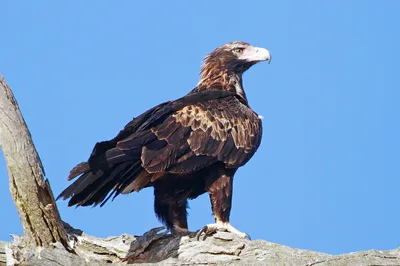 Wedge-tailed eagle
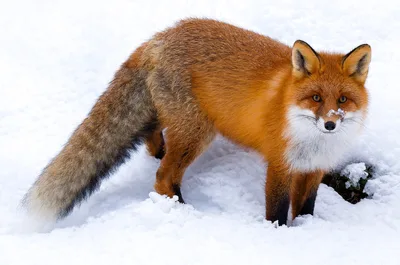 Red fox
- pigs
Ecological equivalents
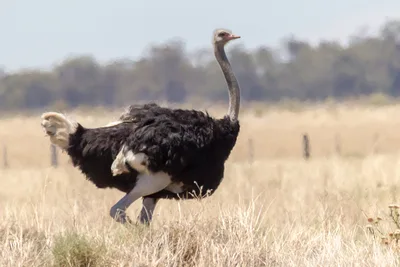
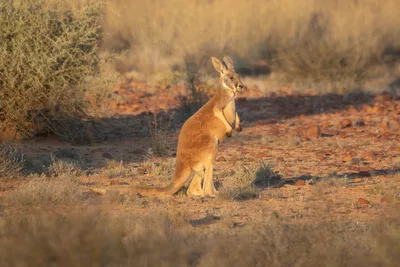
Related species on this site
Southern cassowary (same order).