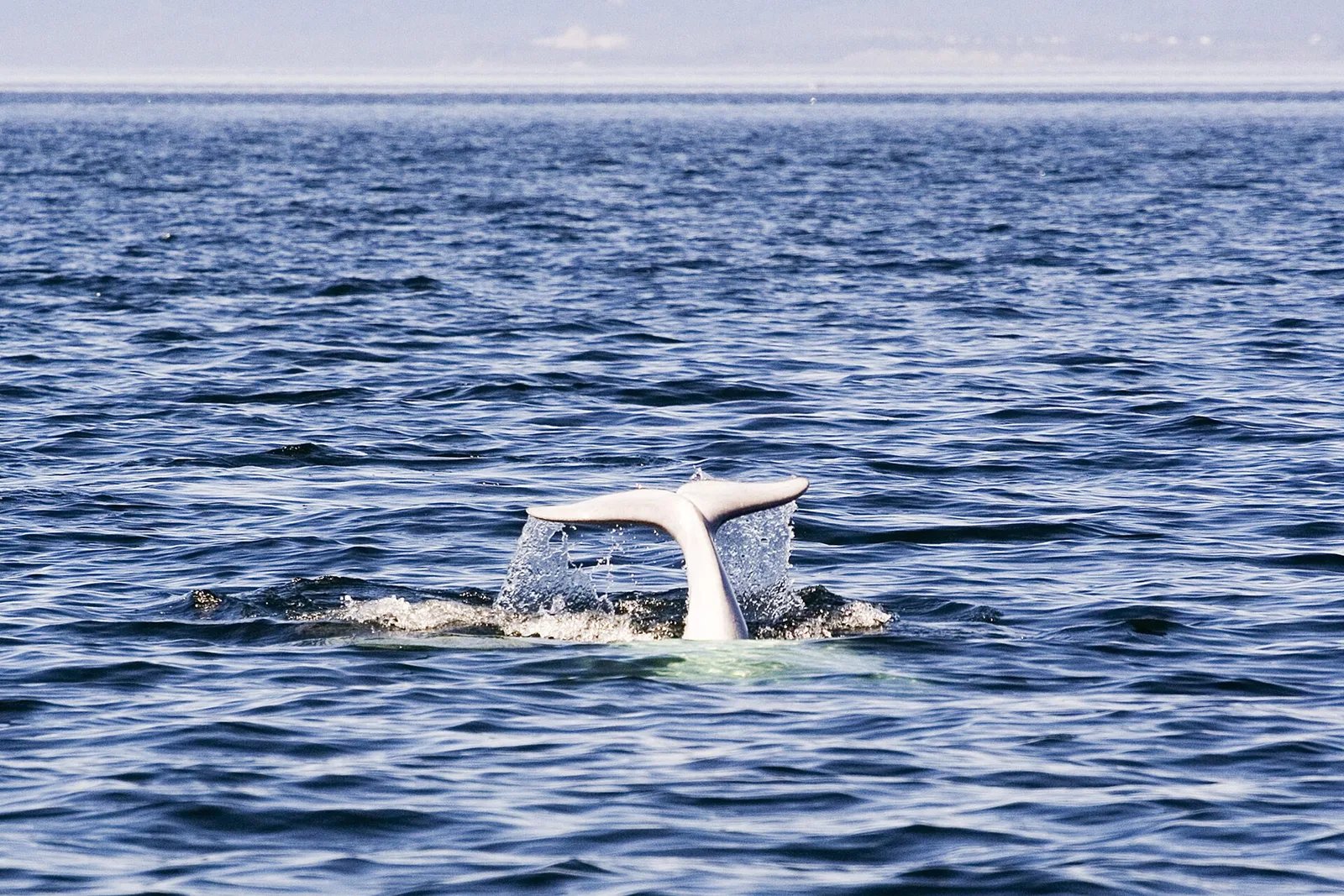
Beluga whale
The white whale that sings like a canary
Delphinapterus leucas
Also called White whale, Sea canary, Belukha
Living individuals or members of this group exist today. This does not mean they are safe from extinction.
Meet the beluga whale
The beluga whale is a white toothed whale of Arctic and sub-Arctic seas. It lives in pods, gathers in river estuaries each summer and talks in whistles and chirps.
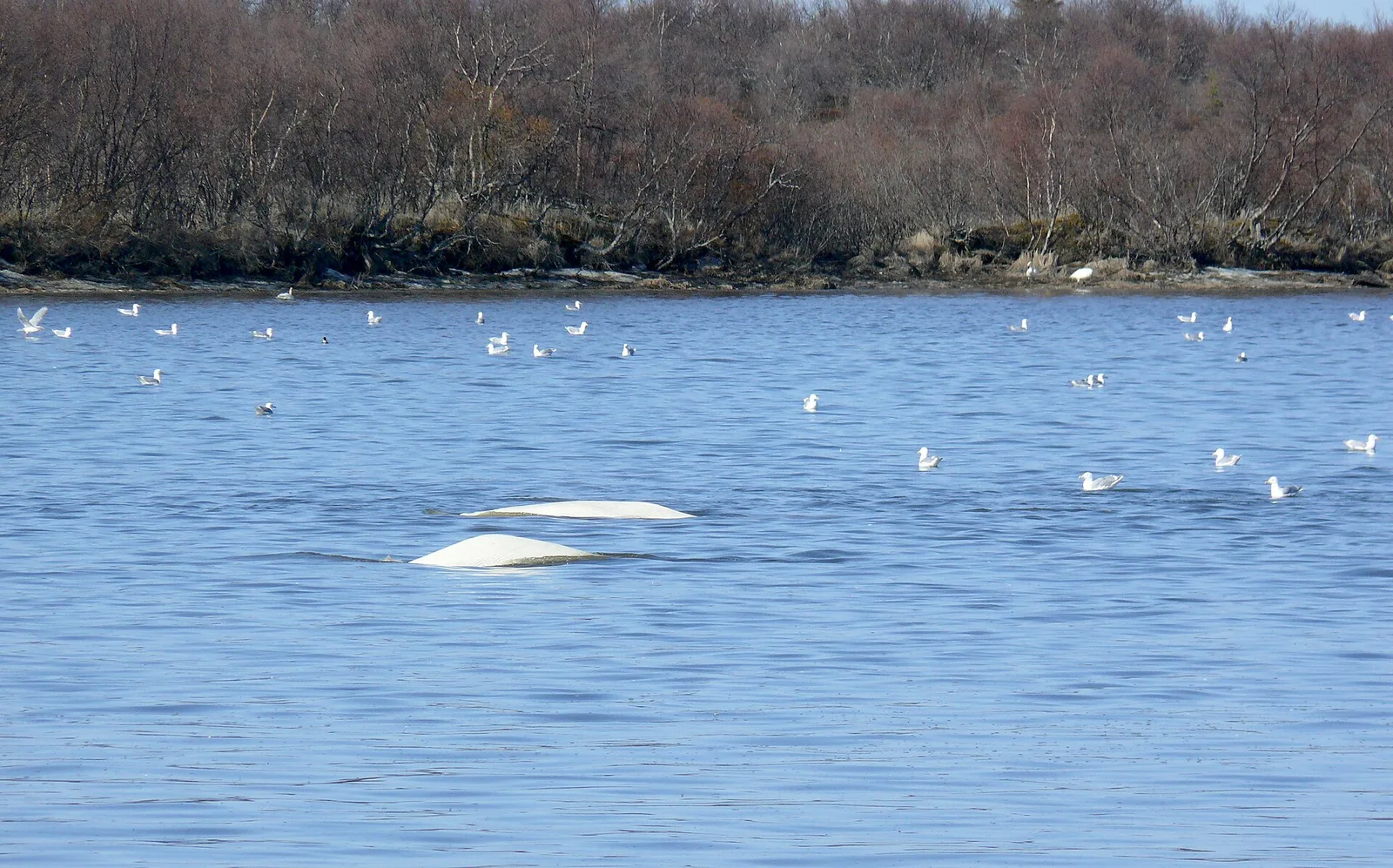
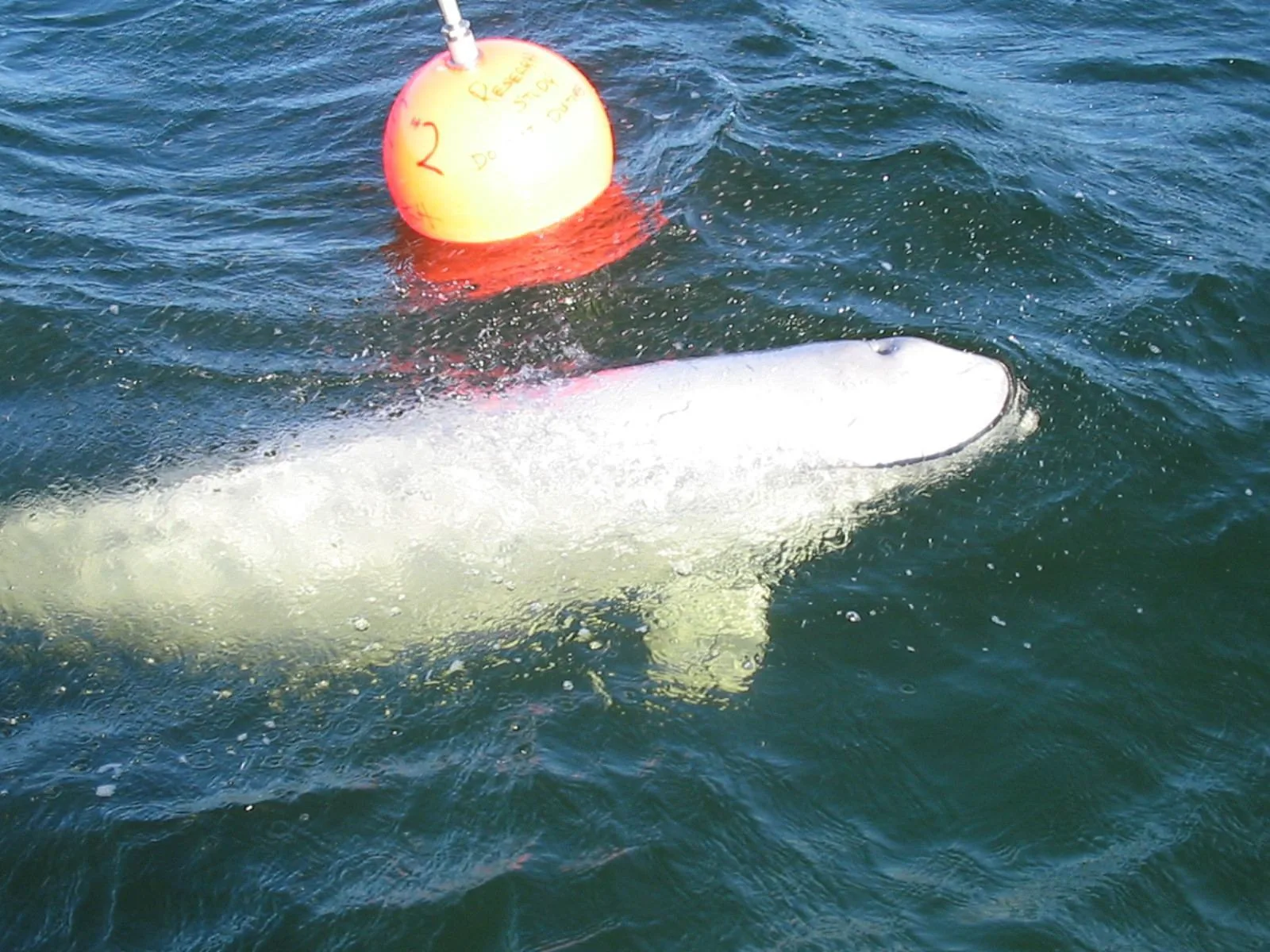
Images of the beluga whale
Lifespan in the wild
40 to 60 years
Weight
0.7 to 1.6 t
Length
3 to 5.5 m
Top speed
3 to 9 km/h
Fact file
Beluga whale
- Location
- Arctic and sub-Arctic seas of North America, Greenland, Europe and Russia
- Habitat
- Open ocean, Coast, Polar ice, Rivers and lakes
- Diet
- Carnivore
- Prey / food
- Arctic cod, salmon, herring, capelin, halibut, shrimp, squid
- Predators
- Killer whales, polar bears
- Lifestyle
- Social and migratory
- Group name
- Pod
- Name of young
- Calf
- Gestation
- 12 to 15 months
- Litter size
- 1 calf
- Population
- About 200,000 in the wild
- Biggest threat
- Hunting, pollution and the loss of sea ice
- Distinctive feature
- All-white body with no dorsal fin
- Colour
- White
- Skin type
- Smooth skin
Size
Next to a person
Measurements
Size and speed
- Length
- 3 to 5.5 m females from 3 m, males to 5.5 m
- Length, male
- 3.5 to 5.5 m
- Length, female
- 3 to 4.1 m
- Weight
- 0.7 to 1.6 t, up to 1.9 t females from 700 kg, males to 1,600 kg; the heaviest male 1,900 kg
- Weight, male
- 1.1 to 1.6 t, up to 1.9 t
- Weight, female
- 0.7 to 1.2 t
- Top speed
- 3 to 9 km/h, up to 22 km/h usual cruising speed; 22 km/h held for up to 15 minutes
Typical adult ranges. Source: Wikipedia.
Life cycle
Lifespan
- In the wild40 to 60 years
- In captivityUp to 40 years
- 060 years
The pale bar is the record. Sources: Animal Diversity Web, AnAge.
Appearance
Colour and coat
- Primary colours
- white
- Secondary colours
- grey
- Skin type
- smooth skin
- Male and female
- Moderate. Males are about 25% longer than females and heavier, with curled tips to the flippers.
Life cycle
Mating and family
- Mating system
- promiscuous, with several males around one female
- Social structure
- pods of 2 to 25, split by sex and age, which merge into summer herds
- Breeding
- one calf every three years
Belugas mate mainly from February to May. The female carries her calf for about 14 months and gives birth in a warm bay or estuary. The single calf is grey, nurses for at least a year and stays near its mother for years after. Females mature at about four to seven years and males at seven to nine. Wild belugas reach 40 to 60 years of age.
Classification
Taxonomy
- Kingdom
- Animalia
- Phylum
- Chordata
- Class
- Mammalia
- Order
- Cetacea
- Family
- Monodontidae
- Genus
- Delphinapterus
- Species
- Delphinapterus leucas
Conservation
Red List status
- LC
- NT
- VU
- EN
- CR
- EW
- EX
Least Concern on the IUCN Red List
Range
Recorded in 5 countries
Habitat layer: flooded grassland and savanna, tundra, mangrove.
Countries from 1,285 wild records on GBIF (iNaturalist research grade), filtered and checked by hand. Country shapes: Natural Earth. Habitat: RESOLVE Ecoregions 2017, CC BY 4.0. Basemap: Natural Earth.
Habitats
Three things to know
- 1
The seven neck bones are not fused, so a beluga can turn its head and nod.
- 2
Summer herds of more than 7,000 belugas have gathered in one estuary of Hudson Bay.
- 3
Dives can pass 900 metres in depth and last more than 20 minutes.
Did you know
Seven more facts
- 1
A beluga calf is born grey and takes seven to nine years to turn white.
- 2
Belugas shed their skin every summer and rub on gravel to scrub it off.
- 3
A beluga hears sounds up to 120 kilohertz, six times the top of the human range.
- 4
A captive beluga named NOC copied the rhythm of human speech.
- 5
Belugas can swim backwards, which most whales cannot do.
- 6
In Vermont a beluga skeleton lay buried 240 km from the sea.
- 7
A tame beluga in a Russian harness turned up off Norway in 2019.
Field notes
How it looks and acts
Field notes
Distinguishing features
- Pure white skin in adults.
- No dorsal fin, only a ridge along the back.
- A large rounded melon on the forehead.
- A visible neck that gives the look of shoulders.
- Small rounded flippers, with curled tips in males.
- A short beak and a mouth that curves up towards the eyes.
Field notes
Unique adaptations
- White skin probably hides the whale against the ice from polar bears and killer whales.
- Blubber up to 15 centimetres thick keeps it warm in water close to 0 °C.
- The lack of a dorsal fin lets it swim close beneath the sea ice.
- A hard head crest breaks holes in ice up to 8 centimetres thick.
- High myoglobin in the muscle stores oxygen for long dives.
Field notes
Interesting behaviours
- Migrates up to 6,000 km a year between the pack ice and summer estuaries.
- Gathers in summer herds of hundreds or thousands to moult and calve.
- Herds fish into shallow water with other pod members.
- Plays with wood, plants and bubbles.
- Rubs on gravel in river mouths to shed old skin.
Field notes
Temperament
- Sociable and curious, often swimming up to boats.
- Docile in captivity and quick to seek contact with other belugas.
- Cautious around ships, moving away from engine noise.
Field notes
Communication
- Whistles, chirps, clicks, trills and squawks, up to 11 kinds.
- A bell tone that no other whale makes.
- Clicks focused by the melon for echolocation.
- Jaw clapping to make a sharp signal.
- A change of call pitch when killer whales are near, which is thought to warn the pod.
Ecology
Ecological role
The beluga is the most abundant toothed whale of the Arctic and one of its top predators.
- Eats large amounts of Arctic cod, salmon, shrimp and squid.
- Feeds polar bears and killer whales, above all when trapped in ice.
- Hosts many parasitic worms, including the nematode Pharurus pallasii in its ear canals.
- Serves as a sentinel species, because its blubber stores the pollutants of the whole food web.
Stories
Myths and legends
- In Inuit tradition, Sedna, the woman of the sea, decides which whales the hunters may take.
- In an Inuit story, a grandmother pulled into the sea by a beluga became a narwhal.
- In sailors' lore, a white beluga glimpsed at the surface may have passed for a mermaid.
- In modern popular culture, the beluga stands for gentleness and song, as in Raffi's Baby Beluga.
People
Relationship with humans
People
Living alongside us
Arctic peoples have hunted belugas for centuries, and about 1,000 are still taken each year. Commercial whalers once took thousands a year for oil and leather. Belugas were among the first whales kept in aquariums, and the trade continues from Russia. Today whale watching in Canada earns money for coastal towns. Ship noise, pollution and melting ice are the main pressures people put on the species.
- Belugas are docile and curious, and they approach boats without any sign of attack.
- A captive beluga in Harbin lifted a paralysed diver to the surface and saved her life.
- The only real risk is the size of the animal, which could probably injure a swimmer by accident.
People
Status, uses and products
- Domestication
- Wild
- As a pet
- Not suitable. A beluga needs cold sea water, a pod and about 25 kilograms of fish a day. It is a protected marine mammal, and private ownership is illegal almost everywhere.
- Uses
- subsistence huntingwhale watchingaquarium displaynaval training
- Products
- meatmuktuk skinblubber oilcarved teeth and vertebrae
The full account
About the beluga whale
The beluga whale, Delphinapterus leucas, is a white toothed whale of the Arctic and sub-Arctic seas. It shares the family Monodontidae with only one other living species, the narwhal. Sailors and scientists call it the sea canary because of its chirps, whistles and squeals.
An adult beluga measures 3 to 5.5 metres long and weighs from 700 to 1,600 kilograms. It has no dorsal fin, a rounded forehead and a neck that can turn. The white skin probably hides it against the ice from polar bears and killer whales.
Belugas live in pods and gather in their thousands in river estuaries each summer. About 200,000 belugas swim in the wild, and the IUCN lists the species as Least Concern. A few small populations, such as the Cook Inlet group in Alaska, are close to extinction.
Name and taxonomy
The common name comes from the Russian word for white. Peter Simon Pallas described the species in 1776 from an animal at the mouth of the Ob River. The genus name means a dolphin without a fin, and the species name means white. English speakers also call it the white whale, and Inuit languages call it qilalugaq or sisuaq.
The beluga belongs to the toothed whales, the parvorder Odontoceti. Its family, Monodontidae, holds only the beluga and the narwhal. Scientists once placed the Irrawaddy dolphin in the same family, but genetic work moved it to the true dolphins. No subspecies are recognised, although belugas from the high Arctic grow larger than those from sub-Arctic waters.
Evolution and relatives
Modern whales share a common ancestor that lived between 25 and 34 million years ago. The group that holds belugas, dolphins and porpoises split from the other toothed whales 11 to 15 million years ago. The closest living relatives of the beluga are the narwhal, then the porpoises and the dolphins. The oldest known relatives include Denebola brachycephala from the late Miocene, 9 to 10 million years ago. Fossils from Baja California and Virginia show that the family once lived in warm water.
A 2017 genome study found that beluga and killer whale DNA match at 97.87%. In 1849 railway workers in Vermont dug up a beluga skeleton 240 km from the sea. The bones came from the Champlain Sea, an arm of the Atlantic that flooded the land after the ice ages. Hybrids between a beluga and a narwhal are known from a skull taken in a hunt.
Appearance
An adult beluga is white or pale grey over the whole body. Calves are born grey, and females turn white at about seven years, males at nine. The body is stocky and tapers at both ends, with folds of fat along the belly. Blubber makes up 40% to 50% of the body weight and can reach 15 centimetres thick. Belugas shed their skin each summer, and they rub on gravel in river mouths to help it come off.
Males measure 3.5 to 5.5 metres and females 3 to 4.1 metres. Males weigh 1,100 to 1,600 kilograms, and the heaviest males reach 1,900 kg. Females weigh 700 to 1,200 kg. The beluga has no dorsal fin, only a low ridge along the back. The forehead holds a large, soft melon that changes shape when the whale makes sounds. The seven neck bones are not fused, so the head can turn and nod. Each side of the jaw carries about eight to ten small blunt teeth, 36 to 40 in all.
Habitat and range
Belugas live around the top of the world in Arctic and sub-Arctic seas. In summer most groups gather off Alaska, the Canadian north, west Greenland and Arctic Russia. Isolated populations live further south in the St Lawrence River and in the Sea of Okhotsk. The species uses coves, fjords, bays, estuaries and the open sea over the continental shelf. GBIF holds beluga records from 28 countries, though many are strays or captive animals.
Most populations migrate, and some travel up to 6,000 kilometres in a year. In winter they stay in the open sea beside the pack ice and breathe at gaps called polynyas. When the ice melts they move into shallow coastal water 1 to 3 metres deep. Belugas swim up large rivers such as the Ob, the Yenisei, the Yukon and the St Lawrence. One young beluga was found dead in the Tanana River in Alaska, about 1,700 km from the sea. Some groups, such as those in Cook Inlet and Cumberland Sound, stay in one area all year. Lost animals have turned up in the Thames, the Seine and off Japan.
Diet and hunting
Belugas take whatever prey is common where they are, so the diet changes with place and season. In the Beaufort Sea they eat mainly Arctic cod, while in Alaska salmon is a staple. Other prey includes herring, capelin, smelt, halibut, flatfish, sculpin, shrimp, squid and octopus. Feeding is heaviest in winter, when the blubber grows thickest. Captive animals eat about 2.5% to 3% of their body weight a day, 18.2 to 27.2 kilograms.
Most foraging on the seabed happens at 20 to 40 metres, but a beluga can dive past 700 m for food. The teeth are small, so the whale sucks prey into its mouth and swallows it whole. Some belugas blow water at the silt to flush out hidden animals. Groups of five or more herd shoals of fish into the shallows and take turns to feed. Belugas have been seen feeding beside bowhead whales and following them to open water.
Behaviour and social life
Belugas live in pods of 2 to 25 animals, with about 10 the usual size. Pods are loose, and an animal tracked by radio moved hundreds of miles from its pod within days. There are nursery pods of mothers and calves, bachelor pods of males, and mixed pods. Many pod members are not close relatives, and unrelated adult males often travel together. In summer, pods merge into herds of hundreds or thousands in river estuaries. The largest herd on record held more than 7,000 belugas in the Seal River estuary of Hudson Bay.
Belugas chase one another, rub against each other and surface and dive together. They play with wood, plants, dead fish and bubbles in the wild. In the breeding season adults have carried plants, nets and even a reindeer skeleton on their heads. A female that has lost a calf may carry a float or buoy, which is thought to be a substitute. Belugas swim slowly, usually at 3 to 9 kilometres per hour, and can hold 22 km/h for 15 minutes. They can swim backwards and rarely leap clear of the water. Most dives last three to five minutes, but a dive can go past 20 minutes and below 900 metres.
Communication and senses
Belugas are among the most vocal of all whales. They produce clicks, whistles, chirps, trills, squawks and a bell-like tone found in no other whale. Researchers count up to 11 different sound types. The sounds come from air moved between nasal sacs, because toothed whales have no vocal cords. Captive males have mimicked the rhythm of human speech, and one called NOC made a diver leave his tank.
Clicks pass through the melon, which focuses them into a beam for echolocation. The returning echoes tell the whale the distance, size, shape and even the inner structure of an object. Belugas use this sense to find breathing holes under the ice and to hunt in dark water. Hearing spans 1.2 to 120 kilohertz, far above the human range. Eyesight works in air and in water but is weaker than a dolphin's. Like other toothed whales, the beluga has no olfactory bulbs, so it probably cannot smell.
Reproduction and life cycle
Most mating happens from February to May, in the winter range or on migration. Gestation lasts about 12 to 15 months, with 14 months the usual figure. A female gives birth to a single calf, usually once every three years. Calves arrive from spring to late summer in bays and estuaries where the water is 10 to 15 °C. A newborn is about 1.5 metres long and weighs about 80 kilograms. It swims beside its mother at once and starts to nurse within hours.
Milk is the only food for the first year, when the teeth appear. Most calves nurse until about 20 months, and some for more than two years. Other females help to care for calves, and captive females have even produced milk for them. Young belugas gather in groups called kindergartens while their mothers feed. Females mature at about four to seven years and males at seven to nine, though estimates vary widely. Females first give birth at an average age of 8.5 years, and none has bred after 41. Wild belugas live 40 to 60 years, and the oldest known animal reached 79.
Predators and threats
Killer whales take belugas of all ages off Greenland, Russia, Canada and Alaska. Belugas can sometimes hear killer whales coming and crowd into shallow water. Under sea ice they are safer, because the tall dorsal fin of a killer whale blocks its path. Polar bears wait at breathing holes and drag belugas onto the ice. In one case a bear of 150 to 180 kg killed a beluga that weighed 935 kg. Whales trapped in ice far from open water are the easiest victims.
People remain the third predator, and hunting continues in Alaska, Canada, Greenland and Russia. Pollution is a serious threat in the St Lawrence, where 27% of 129 adults examined had cancer. Ship noise makes belugas dive deeper, split up and fall silent. They can detect an icebreaker 50 km away and flee for up to 80 km.
Population and conservation
The IUCN lists the beluga as Least Concern, with about 200,000 animals in the wild. The rating changed from Vulnerable to Near Threatened in 2008 and to Least Concern in 2017. Scientists recognise 22 stocks. Western Hudson Bay holds the largest, about 55,000 animals, and the Eastern Beaufort Sea about 39,300. The Cook Inlet stock is Critically Endangered on the IUCN list and numbered about 279 in 2018. The Ungava Bay stock has about 32 animals and may no longer breed. The south-west Greenland population is extinct.
Hunters kill about 1,000 belugas a year, mostly under quotas set by each country. Canada and the United States set quotas with a formula that allows for population growth. The St Lawrence population fell from about 10,000 in 1885 to around 900 in 2012. It has had legal protection since 1983. The Marine Mammal Protection Act of 1972 bans commercial hunting in United States waters. Melting sea ice lets killer whales reach further north and lets ships and drilling rigs into beluga habitat.
Relationship with humans
Arctic peoples have hunted belugas for centuries for meat, skin and oil. The skin, called muktuk, is eaten and sold, and vertebrae and teeth are carved. European, American and Russian whalers took large numbers in the 18th and 19th centuries. Beluga oil once lubricated clocks and lighthouse lamps, and the thick skin made harnesses and belts. In 1928 Quebec paid 15 dollars for each dead beluga because fishermen blamed the whales for lost catches. Russia killed up to 7,000 a year in the 1960s.
The first captive beluga went on show at Barnum's Museum in New York in 1861. Aquariums still keep belugas, and Russia now supplies most new animals. A 2018 count found 81 belugas in aquariums across Canada and the United States. Navies in the United States and the Soviet Union trained belugas to find objects and guard ships. Whale watching in the St Lawrence and Churchill rivers brings income to local towns. Belugas approach boats out of curiosity, but engine noise disturbs their feeding and calls.
In culture and myth
In Inuit tradition, the sea goddess Sedna rules whales and the other sea animals. The story says her father cut off her fingers, and the joints became seals, walrus and whales. Another Inuit tale tells of a grandmother who was dragged under by a harpooned beluga. Some writers suggest that the pale body and folds of fat gave rise to mermaid sightings by sailors.
A Canadian film of 1963, Pour la suite du monde, records a beluga hunt on the St Lawrence. The singer Raffi released the album Baby Beluga in 1980 after he saw a calf at Vancouver Aquarium. Airbus named its huge cargo plane the Beluga because the fuselage looks like the whale. In the 2016 Pixar film Finding Dory, the beluga Bailey uses echolocation to help his friends. The Charlotte whale, a beluga fossil, is the official state fossil of Vermont.
A sentence with a dotted underline is inferred: it describes the group the animal belongs to, or is a reading of the sources, rather than a measured or reported fact about this species.
Questions
Beluga whale questions, answered
How big is a beluga whale?
An adult beluga is 3 to 5.5 metres long. Females weigh 700 to 1,200 kilograms and males 1,100 to 1,600 kg. The heaviest males reach 1,900 kg.
Why are beluga whales white?
The white skin probably hides the whale against the ice from polar bears and killer whales. Calves are born grey and turn white over seven to nine years.
Where do beluga whales live?
Belugas live in Arctic and sub-Arctic seas around Alaska, Canada, Greenland and Russia. Small isolated groups live in the St Lawrence River and the Sea of Okhotsk.
What do beluga whales eat?
Belugas eat fish such as Arctic cod, salmon, herring, capelin and halibut. They also take shrimp, squid, octopus and worms from the seabed. The diet changes with the place and the season.
Are beluga whales endangered?
No. The IUCN lists the species as Least Concern, with about 200,000 in the wild. The Cook Inlet population in Alaska is Critically Endangered, with fewer than 300 animals.
How long do beluga whales live?
A wild beluga lives 40 to 60 years. Tooth studies suggest some reach 70 or 80, and the oldest known animal was 79.
Why is the beluga called the sea canary?
Belugas make chirps, whistles, squeals and trills that sound like bird song. Sailors could hear the calls through the hull of a ship.
Can beluga whales talk?
Not in words. A captive male called NOC copied the rhythm and pitch of human speech, and other belugas have mimicked human voices.
How deep can a beluga dive?
Most dives go to about 20 metres. Wild belugas have been recorded below 700 m, and the deepest known dive passed 900 m.
How fast can a beluga whale swim?
A beluga usually cruises at 3 to 9 kilometres per hour. It can hold 22 km/h for about 15 minutes.
Do beluga whales have a dorsal fin?
No. A beluga has a low ridge along its back instead. The missing fin lets it swim close beneath the sea ice.
Why can a beluga move its head?
The seven neck bones are not fused, unlike those of most whales. The whale can turn and nod its head, which helps it hunt on the seabed.
Are beluga whales dangerous to humans?
No attacks on people are recorded. Belugas are docile and curious, and one captive animal saved a drowning diver.
Do people still hunt beluga whales?
Yes. Inuit and other Arctic peoples in Alaska, Canada, Greenland and Russia take about 1,000 a year under quotas. Commercial hunting is banned.
How many babies does a beluga have?
One calf at a time, usually every three years. Pregnancy lasts 12 to 15 months, and the calf nurses for at least a year.
Where is the best place to see beluga whales?
Summer estuaries such as the Churchill River on Hudson Bay and the St Lawrence in Quebec. Thousands gather there from June to September.
Food web
Prey and food
- arctic cod
 Atlantic salmon
- herring
- capelin
- halibut
- shrimp
- squid
Food web
Predators
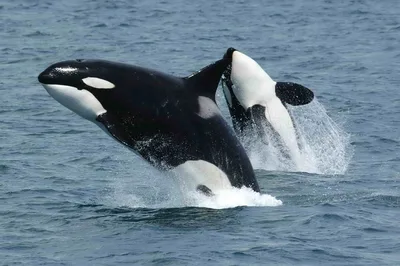 Orca
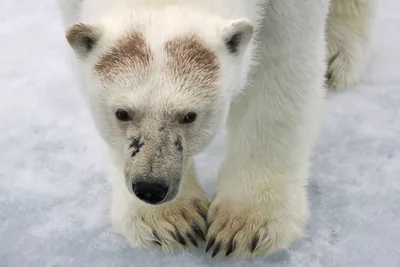 Polar bear
Ecological equivalents
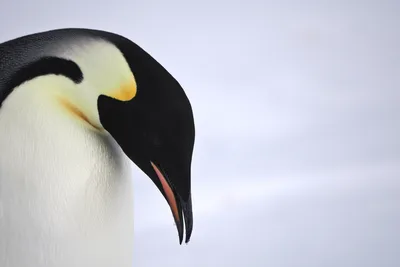
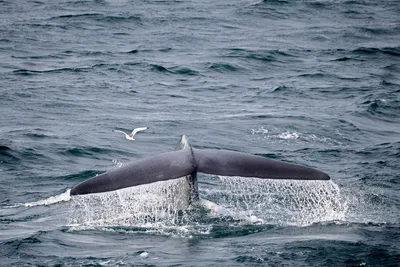
Related species on this site
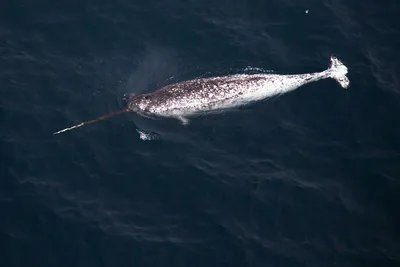
Narwhal (same family), Amazon River Dolphin (Pink Dolphin) (same order), Basilosaurus (same order), Bottlenose Dolphin (same order), Bowhead whale (same order), Dolphin (same order), and more.
 LC
Mammals
Narwhal
Monodon monoceros
The narwhal is an Arctic toothed whale, and the male carries a spiral tusk up to 3 metres long.
Living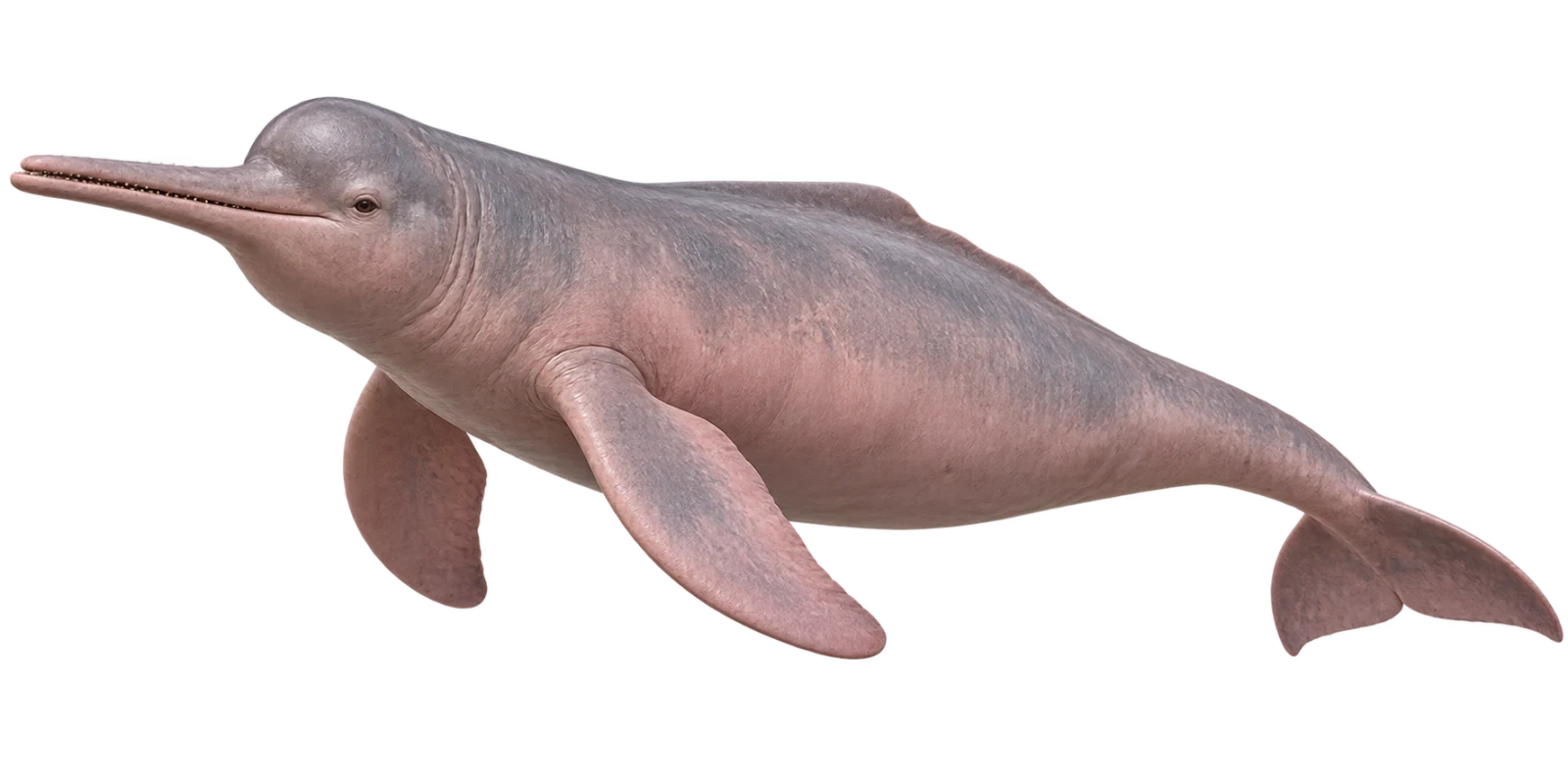
Mammals
Amazon River Dolphin (Pink Dolphin)
Inia geoffrensis
Classification and source reference
LivingAI illustration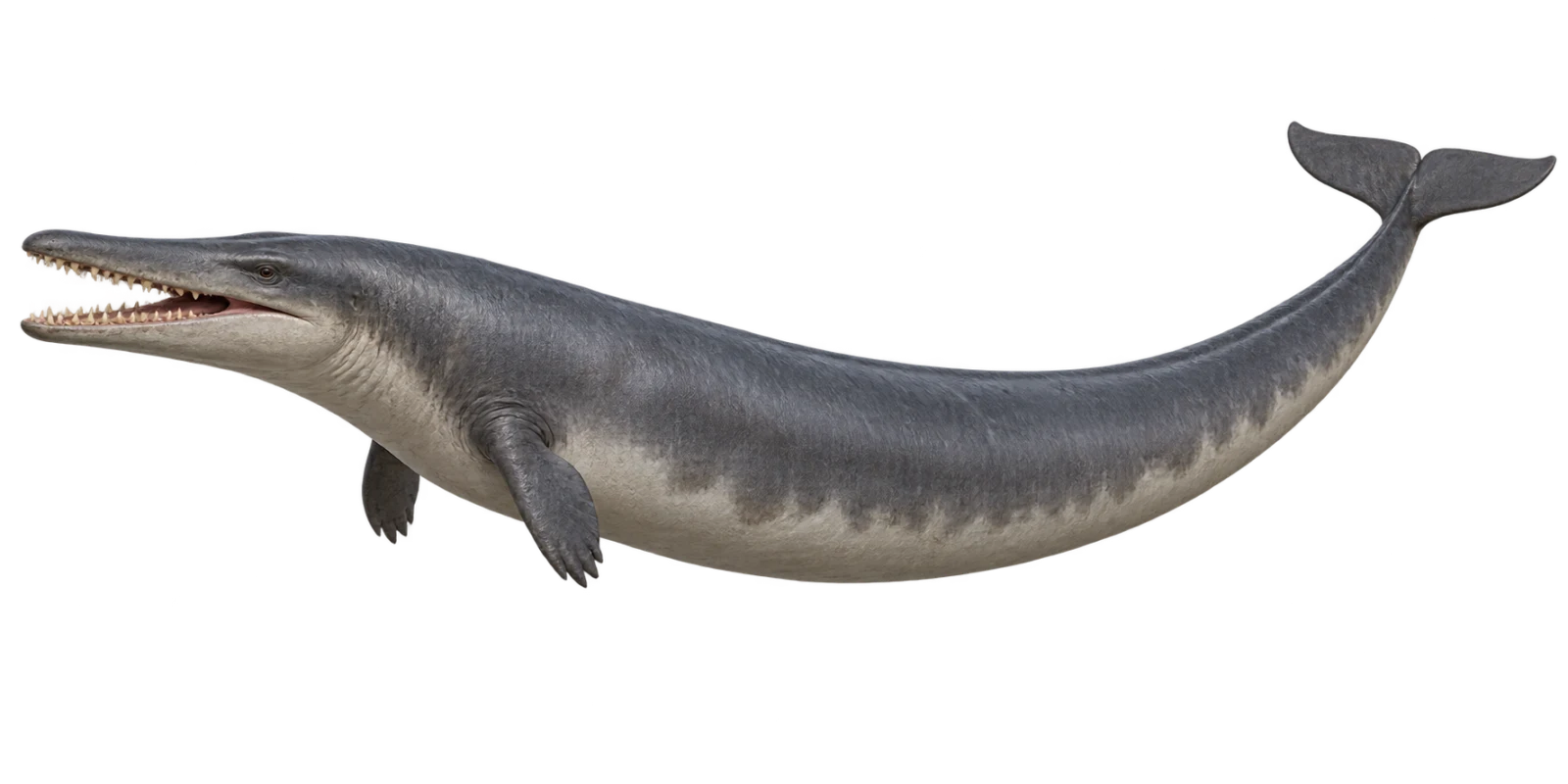
Mammals
Basilosaurus
Basilosaurus
Classification and source reference
ExtinctAI reconstruction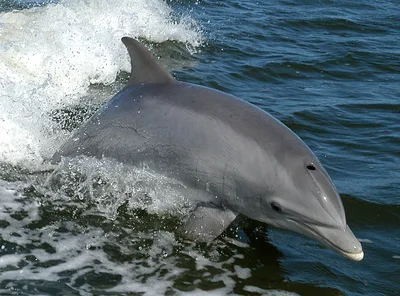
Mammals
Bottlenose Dolphin
Tursiops truncatus
The common bottlenose dolphin is a social marine mammal with a curved dorsal fin.
Living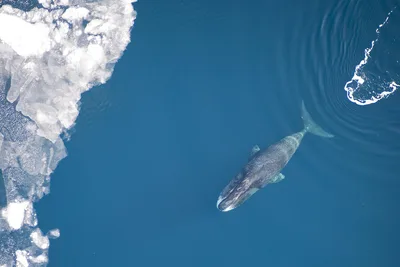 LC
Mammals
Bowhead whale
Balaena mysticetus
The bowhead whale is a heavy Arctic baleen whale that breaks sea ice with its huge arched head.
Living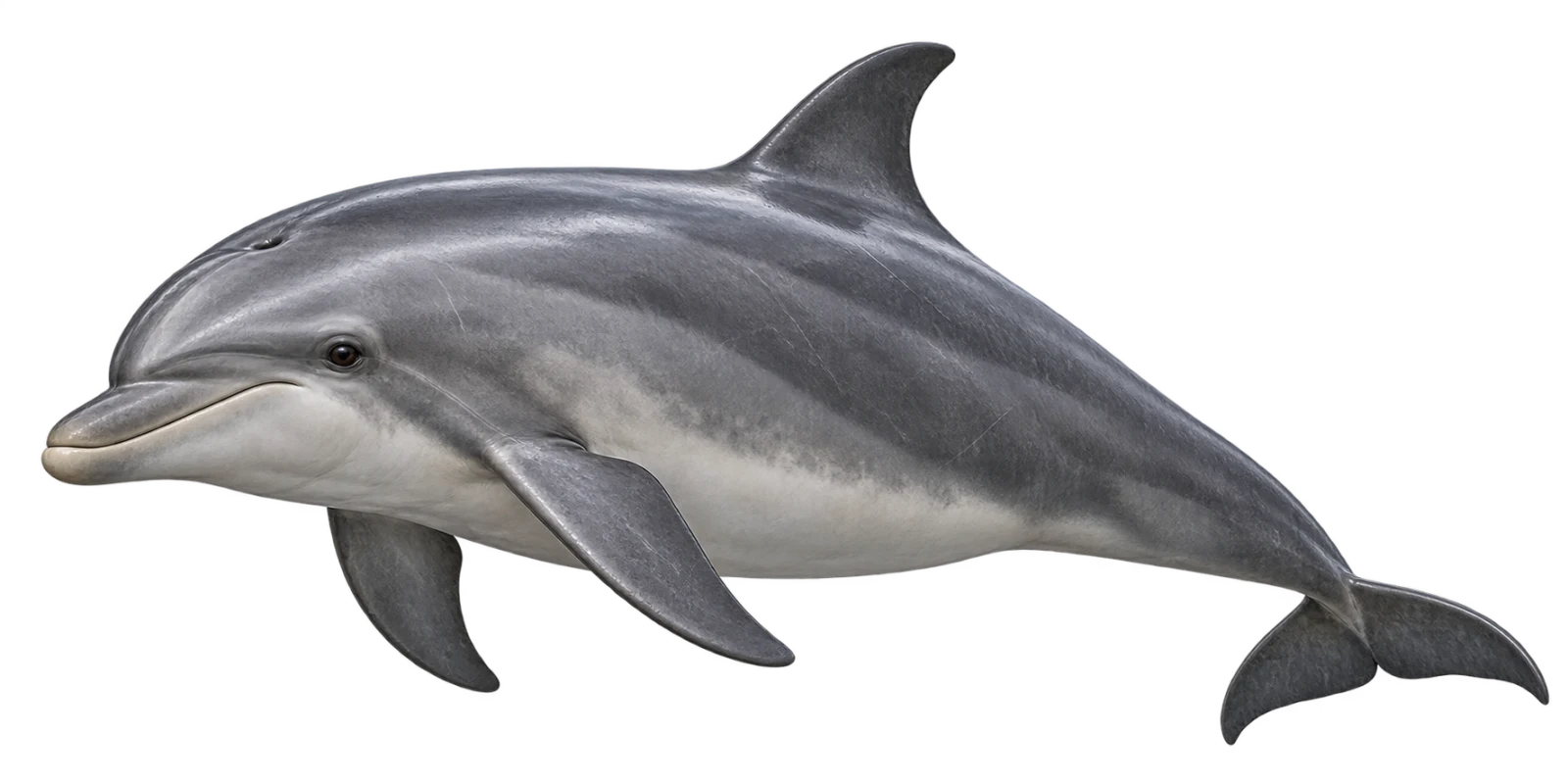
Mammals
Dolphin
Delphinidae
Classification and source reference
LivingAI illustration