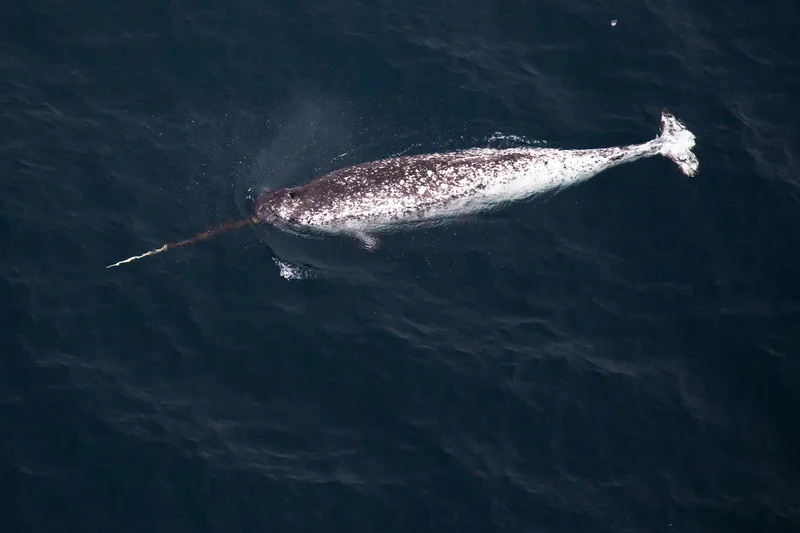
Narwhal
The Arctic whale with a spiral tooth three metres long
Monodon monoceros
Also called Unicorn whale, Sea unicorn, Horned whale, Narwhale
Living individuals or members of this group exist today. This does not mean they are safe from extinction.
Meet the narwhal
The narwhal is an Arctic toothed whale, and the male carries a spiral tusk up to 3 metres long. It dives deeper than 1,500 metres under the pack ice to hunt halibut, cod and squid.
Images of the narwhal
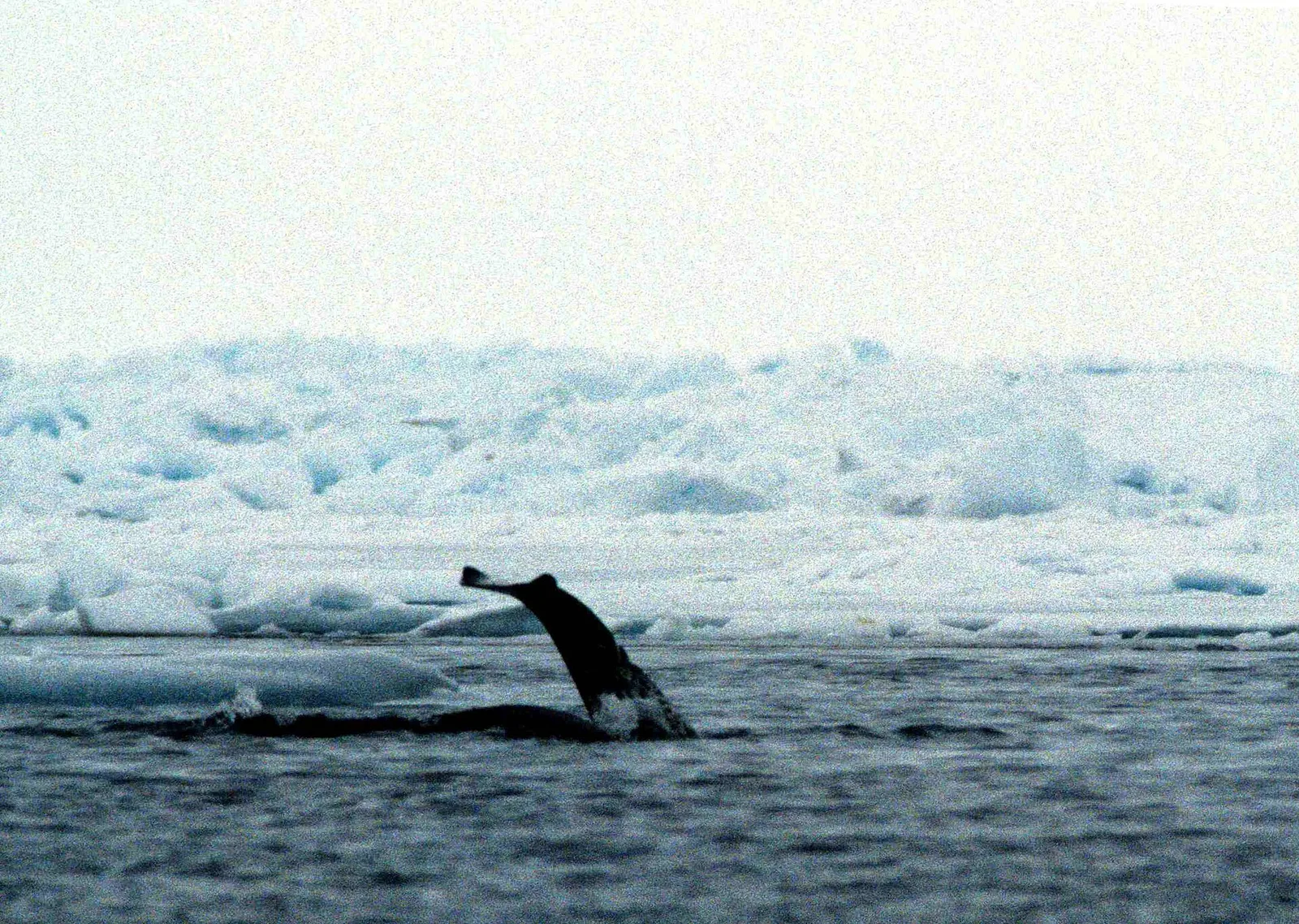
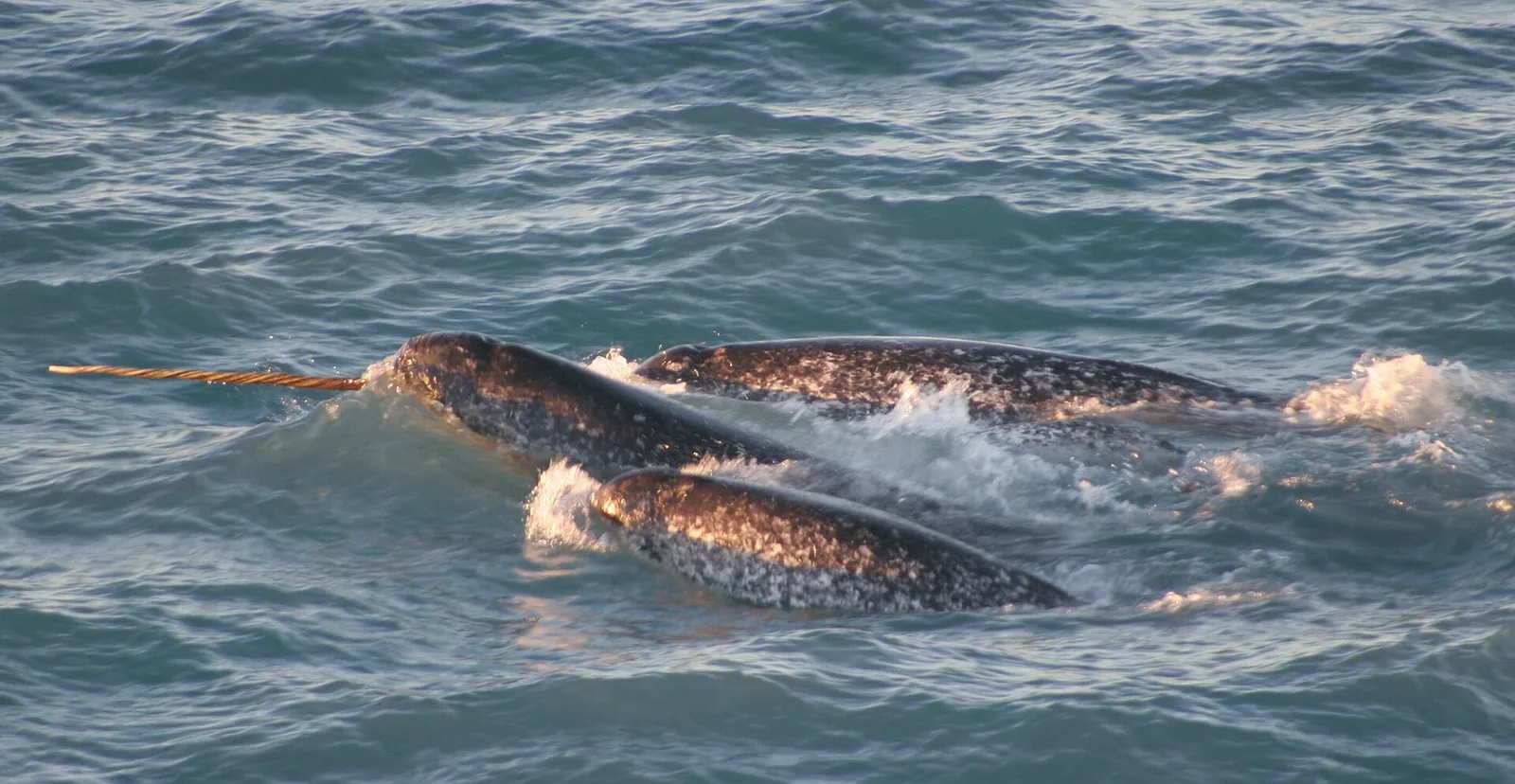
Lifespan in the wild
About 50 years about 50 by jaw layers; eye-lens dating suggests females reach about 115 and males 84
Weight
0.8 to 1.6 t
Length
3 to 5.5 m
Fact file
Narwhal
- Location
- Arctic waters of Canada, Greenland, Svalbard and Russia
- Habitat
- Open ocean, Polar ice, Coast
- Diet
- Piscivore
- Prey / food
- Arctic cod, polar cod, Greenland halibut, armhook squid, shrimp
- Predators
- Orca, polar bear, Greenland shark
- Lifestyle
- Social; migrates with the ice
- Group name
- Pod
- Name of young
- Calf
- Gestation
- About 14 to 15 months
- Litter size
- 1 calf
- Population
- About 170,000, of which 123,000 are mature
- Biggest threat
- Sea ice loss, hunting and shipping
- Distinctive feature
- A spiral tusk and no dorsal fin
- Colour
- Mottled dark grey over white, paler with age
- Skin type
- Smooth skin
Size
Next to a person
Measurements
Size and speed
- Length
- 3 to 5.5 m body only; the male tusk adds 1.5 to 3 metres
- Weight
- 0.8 to 1.6 t
Typical adult ranges. Source: Wikipedia.
Life cycle
Lifespan
- In the wildAbout 50, up to 115 years about 50 by jaw layers; eye-lens dating suggests females reach about 115 and males 84
- 0115 years
The pale bar is the record. Source: Wikipedia.
Appearance
Colour and coat
- Primary colours
- greywhite
- Secondary colours
- brownblack
- Skin type
- smooth skin
- Male and female
- Strong. Nearly every male has a tusk, and few females do. Males are about 70 centimetres longer and more than 75 percent heavier, and their tail flukes bend inwards.
Life cycle
Mating and family
- Mating system
- probably polygynous, one dominant male with several females
- Social structure
- pods of three to eight, merging into summer herds of hundreds
- Breeding
- one calf every two to three years
Narwhals mate among the pack ice from March to May. Gestation lasts about 14 to 15 months, and one calf is born in July or August of the next year. The calf nurses for about 20 months, so a female breeds only every two to three years. Females mature at six to nine years and males at 12 to 20. Females stop breeding in later life and can live for decades afterwards.
Classification
Taxonomy
- Kingdom
- Animalia
- Phylum
- Chordata
- Class
- Mammalia
- Order
- Cetacea
- Family
- Monodontidae
- Genus
- Monodon
- Species
- Monodon monoceros
Conservation
Red List status
- LC
- NT
- VU
- EN
- CR
- EW
- EX
Least Concern on the IUCN Red List
Range
Recorded in 2 countries
Habitats
Three things to know
- 1
The tusk is a left canine tooth that grows straight out through the upper lip.
- 2
Narwhals dive to 2,370 metres, among the deepest dives of any whale.
- 3
Medieval Europeans sold narwhal tusks as unicorn horns for many times their weight in gold.
Did you know
Seven more facts
- 1
The name narwhal means corpse whale in Old Norse.
- 2
The narwhal has no dorsal fin, which helps it swim under ice.
- 3
A narwhal and a beluga can produce a hybrid called a narluga.
- 4
Drone film showed narwhals stunning cod with a tap of the tusk.
- 5
The Danish royal throne is made of narwhal tusk.
- 6
Narwhals eat little in summer and feed hardest under the winter ice.
- 7
A narwhal can hold its breath for up to 25 minutes on a dive.
Field notes
How it looks and acts
Field notes
Distinguishing features
- A spiral tusk of 1.5 to 3 metres on the male.
- A low ridge on the back instead of a dorsal fin.
- Mottled dark grey or brown markings over white, paler with age.
- A stocky body of 3 to 5.5 metres with a blunt snout and large melon.
- Short flippers with tips that curl upwards.
- Tail flukes that bend inwards in the male.
Field notes
Unique adaptations
- Blubber 50 to 100 millimetres thick keeps out the Arctic cold.
- Slow-twitch muscle and high myoglobin store oxygen for deep dives.
- A jointed neck lets the head turn while the whale hunts under ice.
- Counter-shaded colour hides the whale from above and below.
- Echolocation clicks find fish and breathing holes in the dark.
Field notes
Interesting behaviours
- Logging, or lying still at the surface in summer.
- Tusking, when males rub their tusks together.
- Seasonal migration between coastal summer bays and offshore winter ice.
- Deep repeated dives past 800 metres in winter.
- Bunching into a tight group when orcas chase the pod.
Field notes
Temperament
- Shy, and it sinks away from ships.
- Social, and it rarely travels alone.
- Careful with its tusk around pod mates, even when trapped in ice.
Field notes
Communication
- Echolocation clicks to find prey and ice.
- Whistles and throbs between pod members.
- Knocks, trumpets and squeaking-door sounds.
- Pod-specific call patterns that may act as dialects.
Ecology
Ecological role
The narwhal is a top predator of the deep Arctic water column and a link between the sea floor and the ice.
- It takes large numbers of Greenland halibut and Arctic cod under the winter ice.
- It is prey for orcas and polar bears, and a food source for Inuit communities.
- Its body hosts whale lice and many internal parasites.
- As a migrant it probably spreads its feeding pressure across several regions in a year.
Stories
Myths and legends
- In Inuit tradition, the tusk is the twisted hair of a woman who was pulled into the sea and became a narwhal.
- In medieval European tradition, the tusk was the horn of the unicorn and a cure for poison.
- In Norse tradition, the animal was the corpse whale, named for its grey skin.
- In Danish royal tradition, the coronation throne was built from unicorn horn, which was narwhal tusk.
People
Relationship with humans
People
Living alongside us
Inuit communities in Canada and Greenland hunt about 1,000 narwhals a year for muktuk, meat and tusks. The tusk was Europe's unicorn horn for centuries and sold for many times its weight in gold. Trade in tusks is now controlled by CITES and banned in several countries. Ships, oil surveys, pollution and the loss of sea ice are the main harms people do to the species today. No narwhal has survived long in captivity.
- Narwhals are shy and slip away from boats.
- No harm to people has been recorded.
- Ice around a trapped pod may be unsafe to approach, but the whales themselves pose no threat.
People
Status, uses and products
- Domestication
- Wild
- As a pet
- Not suitable. No. Every attempt to keep a narwhal in captivity has ended in death within four months.
- Uses
- subsistence huntingwhale watchingdog food
- Products
- muktukmeativorycarved vertebrae
The full account
About the narwhal
The narwhal, Monodon monoceros, is a toothed whale of the Arctic Ocean. The male carries a single spiral tusk that grows through the upper lip. The tusk reaches 1.5 to 3 metres, and it gave the animal the name unicorn of the sea. Adults measure 3 to 5.5 metres and weigh 800 to 1,600 kilograms. The narwhal has no dorsal fin, only a low ridge along the back.
Narwhals live in the seas around Canada, Greenland, Svalbard and northern Russia. They follow the ice, and in winter they hunt under thick pack ice far from shore. They dive to at least 800 metres many times a day, and the record is 2,370 metres. The diet is mostly Arctic cod, Greenland halibut and squid. About 170,000 narwhals exist, and the IUCN lists the species as Least Concern. Inuit hunters have taken narwhals for thousands of years, and regulated hunts continue.
Name and taxonomy
Carl Linnaeus named the narwhal in 1758 in Systema Naturae. The scientific name comes from Greek and means one tooth, one horn. The common name comes from the Old Norse word nárhval, which means corpse whale. The Norse probably chose it for the grey, blotched skin and for the way the animal lies still at the surface. GBIF lists older English names such as sea unicorn, horned whale and unicorn whale.
The narwhal is the only species in the genus Monodon. It belongs to the family Monodontidae with one other living species, the beluga whale. Both have a large melon on the forehead, a short snout and no true dorsal fin. The two species can interbreed, and a skull found in West Greenland around 1990 proved to be a hybrid. A DNA study confirmed the narluga in 2019.
Evolution and relatives
Genetic studies place the narwhal and beluga closest to the porpoises. That group split from the other dolphins about 11 million years ago. A 2020 study put the split between narwhal and beluga at about 4.98 million years ago. A fossil from the early Pliocene of Italy, Casatia thermophila, may be an early relative. Other extinct genera come from the Pliocene of the United States.
The fossils show that early monodontids lived in warm seas. They probably moved north as the ocean food web changed, and their descendants became Arctic specialists. The beluga today shares the narwhal's jointed neck, low dorsal ridge and blunt head.
Appearance
The narwhal has a stocky body, a short blunt snout and small flippers with upturned tips. Adults measure 3 to 5.5 metres long and weigh 800 to 1,600 kg. Males are about 70 centimetres longer than females and more than 75 percent heavier. A ridge runs along the back where other whales have a fin. The neck bones are not fused, so the head can turn.
A calf is born light grey. White patches spread with age, and an adult is mottled dark grey or brown over a white belly. Very old animals, and old males above all, can be almost white. A layer of blubber 50 to 100 millimetres thick makes up about a third of the body mass. The tail flukes differ by sex, and the male's flukes bend inwards, perhaps to offset the drag of the tusk.
The tusk is the left canine tooth, and it grows out through the lip when a male is two to three years old. It spirals to the left, grows throughout life and reaches 1.5 to 3 metres. The tusk is hollow, and the heaviest weigh 7.45 kilograms. A few males grow two tusks, and a few females grow a short one. Apart from the tusks, the narwhal has only a pair of tiny useless teeth in the upper jaw.
Habitat and range
The narwhal is the most northerly whale. It lives in the Atlantic and Russian parts of the Arctic Ocean, mostly between 70 and 80 degrees north. The main areas are the Canadian Arctic Archipelago, Baffin Bay, Hudson Bay, and the coasts of Greenland. A thinner band runs east past Svalbard and Franz Josef Land to Severnaya Zemlya. The northernmost record is about 85 degrees north, beyond Franz Josef Land. Strays have reached Newfoundland, the Netherlands, Britain and Japan.
Narwhals migrate with the seasons and return to the same summer grounds year after year. In summer they gather in shallow coastal bays and fjords, in pods of 10 to 100. In autumn the Baffin Bay animals travel about 1,700 kilometres south to the Davis Strait. They spend the winter under dense pack ice with less than 5 percent open water, where Greenland halibut are plentiful. They breathe through cracks and leads in the ice until spring opens the channels again.
Diet and hunting
The narwhal eats a narrow range of prey. A study of 73 stomachs found Arctic cod most often, then Greenland halibut and large amounts of armhook squid. Males also ate polar cod and redfish, which live below 500 metres. Wolffish, capelin, shrimp, skate eggs and even stones turn up in stomachs as well. Winter is the main feeding season, when the whales take flatfish from the sea floor under the ice. In summer many stomachs are empty.
With no working teeth, the narwhal is thought to suck prey into its mouth at close range. Drone film from Tremblay Sound in Nunavut in 2016 showed narwhals tapping Arctic cod with the tusk to stun them. The tusk cannot be a main feeding tool, because most females lack one and they live longer than males. The hunting dives are long and deep. In winter a narwhal dives past 800 metres more than 15 times a day, and dives last up to 25 minutes.
Behaviour and social life
Narwhals live in small groups of three to eight. A group may hold only mothers and calves, only young animals, or only bulls, and mixed groups also occur. In summer many groups merge into herds of 500 to more than 1,000. After the migration the herds break up into the old small pods. Scientists do not yet know whether pod members are related.
Males rub their tusks together, a habit called tusking. Some biologists see it as a fight for rank, and others think it cleans the tusk. Narwhals lie still at the surface, a behaviour called logging, and they sink away quietly when a ship comes near. That habit and their colour make them hard to study.
Sometimes a pod stays too long in a bay and the sea freezes around it. The whales then share one shrinking hole and can starve or drown. Trapped animals have been seen taking care not to hurt each other with their tusks. About 1,000 carcasses were found after such traps in the winter of 1914 to 1915, many in Disko Bay.
Communication and senses
Like other toothed whales, the narwhal finds its way and its food by sound. It makes clicks, whistles and knocks with air moved between chambers near the blowhole. The melon on the forehead focuses the clicks, and the echoes reveal prey and ice at short range. Whistles and throbs carry messages between pod members. Calls from one pod sound more alike than calls from different pods, so each group may have its own dialect. Other sounds include trumpets and a noise like a squeaking door.
The tusk is also a sense organ. It holds about ten million nerve endings and can register the temperature and salt content of the water. The nerves may also sense pressure and the particles in the water. The narwhal's calls resemble the beluga's, but the clicks differ in pitch and rate.
Reproduction and life cycle
Mating takes place in the offshore ice between March and May. A dominant male is thought to mate with several females. Females are probably choosing mates by the size of the tusk, though the evidence is still thin. Gestation lasts about 14 to 15 months, and most calves arrive in July and August of the next year. A female gives birth to one calf, and twins are rare.
A newborn is about 1.5 metres long and weighs about 80 kilograms. It is born tail first with a thin layer of blubber and swims at once. The calf drinks rich milk for about 20 months, and the blubber thickens as it grows. A female calves only every two to three years because the calf nurses so long. Females mature at six to nine years, and males at 12 to 20 years.
Narwhals live about 50 years by the count of layers in the jaw bone. Dating of the eye lens suggests females can reach about 115 years and males 84. Females go through menopause and live for decades after their last calf. Older females may help protect the calves in the pod.
Predators and threats
Orcas hunt narwhals, and pods have been seen surrounding and killing a whole group. Polar bears wait at breathing holes to catch young whales. Walruses and polar bears also eat narwhals trapped in the ice. Narwhal remains have turned up in Greenland sharks. A chased pod bunches together and slips under the ice floes rather than trying to outrun the orcas.
Ice is both shelter and danger. Breathing holes can lie 1,450 metres apart and must be at least half a metre wide. Entrapments were recorded in new places between 2008 and 2010, which suggests later departures from the summer grounds. Bacteria of the genus Brucella, whale lice, morbillivirus and a herpesvirus have all been found in narwhals.
Population and conservation
The IUCN lists the narwhal as Least Concern. The 2017 estimate was 170,000 animals, with 123,000 of them mature. Baffin Bay holds around 140,000, and northern Hudson Bay about 12,500. Counts include 49,000 near Somerset Island, 35,000 in Admiralty Inlet and 17,000 in eastern Baffin Bay. Only about 800 live off Svalbard. Older assessments called the species Near Threatened or Data Deficient because the counts were poor.
CITES lists the narwhal in Appendix II, which controls the trade in tusks. The United States banned imports in 1972 under the Marine Mammal Protection Act. The European Union bans narwhal ivory, and in 2025 the United Kingdom added the tusk to its Ivory Act. Canada's COSEWIC lists the species as Special Concern. Scientists rank the narwhal among the Arctic mammals most at risk from sea ice loss. It returns to the same wintering grounds whatever the ice does.
Relationship with humans
Inuit in Canada and Greenland have hunted narwhals for thousands of years. They eat the meat, the organs and above all muktuk, the raw skin with its blubber. The skin supplies vitamin C, which is hard to find in the Arctic. The oil once lit and heated homes, the sinews served as thread, and the tusk tipped harpoons. In Qaanaaq hunters still harpoon whales from kayaks, while elsewhere they use motorboats and rifles.
About 1,000 narwhals are killed each year, 600 in Canada and 400 in Greenland. A 2013 paper put the gross income from one whale at about 6,542 Canadian dollars. The hunts run on subsidies and continue for tradition more than profit. Narwhals build up mercury, cadmium and other metals in the liver and kidneys. Seismic surveys for oil disturb their migrations, and ships cross their routes. No narwhal has lived more than four months in captivity, so no aquarium keeps one.
In culture and myth
In Inuit legend, a woman was dragged into the sea when a harpoon line around her waist caught a great narwhal. She turned into a narwhal, and her twisted knot of hair became the spiral tusk. In Norse tradition the animal was the corpse whale, and Vikings and the Greenland Norse began the tusk trade. It is not clear whether they hunted the whales or gathered tusks from orca kills.
In medieval Europe the tusk passed as the horn of the unicorn. Apothecaries sold chips and powder as an antidote to poison and a cure for measles, rubella and plague. A whole horn was said to clean water and to show up poison in a drink. Tusks were given as state gifts and could sell for many times their weight in gold. Elizabeth I received one from Martin Frobisher said to be worth 10,000 pounds, and Ivan the Terrible kept a jewelled tusk on his deathbed. The throne of the Danish kings is built from narwhal tusk.
The rise of science in the late 17th century ended the unicorn trade. The tapestry cycle The Lady and the Unicorn shows the horn as artists imagined it. Today the narwhal is a favourite of children's toys, cartoons and internet jokes, and the nickname unicorn of the sea has stuck.
A sentence with a dotted underline is inferred: it describes the group the animal belongs to, or is a reading of the sources, rather than a measured or reported fact about this species.
Questions
Narwhal questions, answered
What is a narwhal's tusk made of?
It is a tooth, the left canine, made of two spiralling layers of mineralised collagen. It is hollow and grows throughout the whale's life.
How long is a narwhal tusk?
A male's tusk reaches 1.5 to 3 metres and weighs up to 7.45 kilograms.
Do female narwhals have tusks?
Rarely. A few females grow a short tusk with a faint spiral. Most keep both canines inside the jaw.
What is the tusk for?
Scientists think it mostly signals rank and attracts mates. It is also a sense organ with millions of nerve endings, and drone film shows whales stunning fish with it.
How big is a narwhal?
Adults measure 3 to 5.5 metres long and weigh 800 to 1,600 kilograms. Males are larger than females.
Where do narwhals live?
In the Arctic seas of Canada, Greenland, Svalbard and Russia. Baffin Bay holds most of them.
What do narwhals eat?
Arctic cod, Greenland halibut and armhook squid make up most of the diet. They also take polar cod, redfish, shrimp and capelin.
How deep can a narwhal dive?
The record is 2,370 metres. In winter they dive past 800 metres more than 15 times a day.
Are narwhals endangered?
No. The IUCN lists them as Least Concern, with about 170,000 animals. Sea ice loss and hunting are the main worries.
How long do narwhals live?
About 50 years by one dating method. Eye-lens dating suggests females can reach about 115 years and males 84.
Are narwhals real?
Yes. The narwhal is a real toothed whale of the Arctic, and its tusk is a real tooth.
Can you see a narwhal in an aquarium?
No. Captive narwhals have survived only one to four months, so no aquarium keeps them.
What eats narwhals?
Orcas hunt pods, and polar bears wait at breathing holes for young ones. Greenland sharks and walruses also take them.
Are narwhals related to belugas?
Yes. They are the only two living members of the family Monodontidae, and they can interbreed.
Why is the narwhal called the unicorn of the sea?
Because of the spiral tusk. Medieval Europeans sold narwhal tusks as unicorn horns for centuries.
Do people still hunt narwhals?
Yes. Inuit hunters in Canada and Greenland take about 1,000 a year under quotas, for muktuk, meat and tusks.
Food web
Prey and food
- arctic cod
- polar cod
- greenland halibut
- armhook squid
- shrimp
Food web
Predators
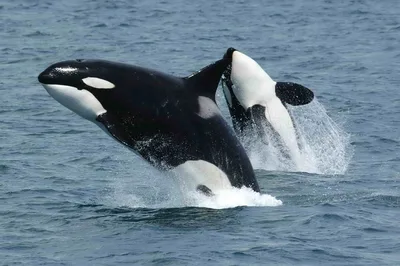 Orca
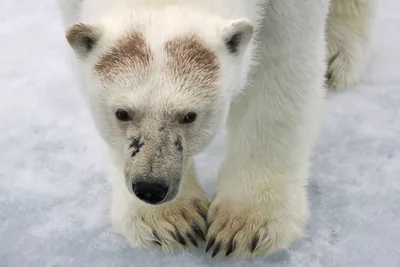 Polar bear
- greenland shark
Ecological equivalents
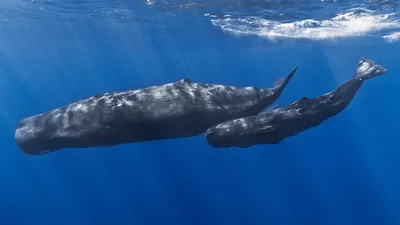
Related species on this site
Beluga whale (same family), Amazon River Dolphin (Pink Dolphin) (same order), Basilosaurus (same order), Bottlenose Dolphin (same order), Bowhead whale (same order), Dolphin (same order), and more.
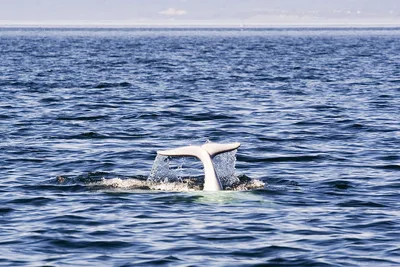 LC
Mammals
Beluga whale
Delphinapterus leucas
The beluga whale is a white toothed whale of Arctic and sub-Arctic seas.
Living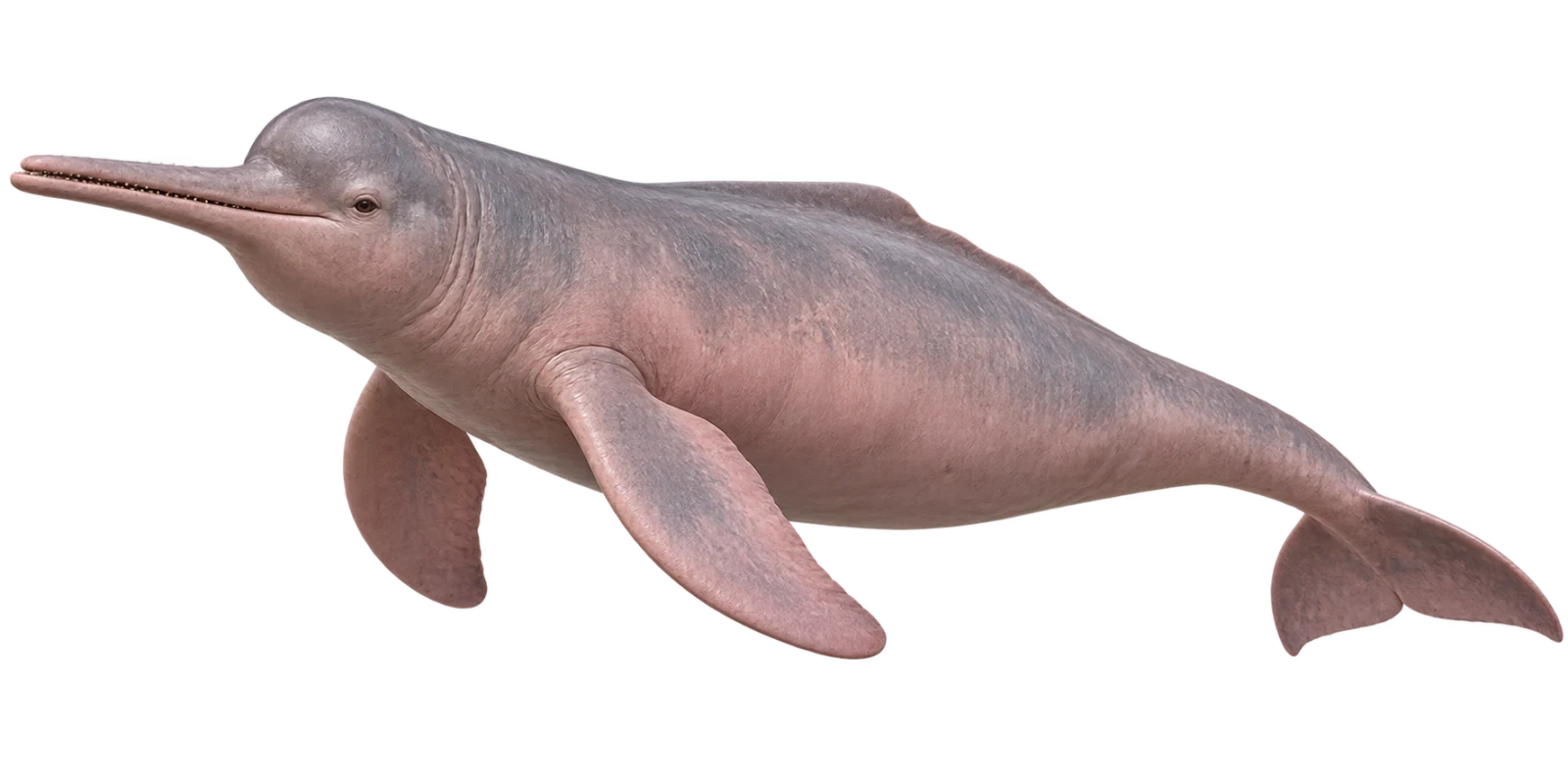
Mammals
Amazon River Dolphin (Pink Dolphin)
Inia geoffrensis
Classification and source reference
LivingAI illustration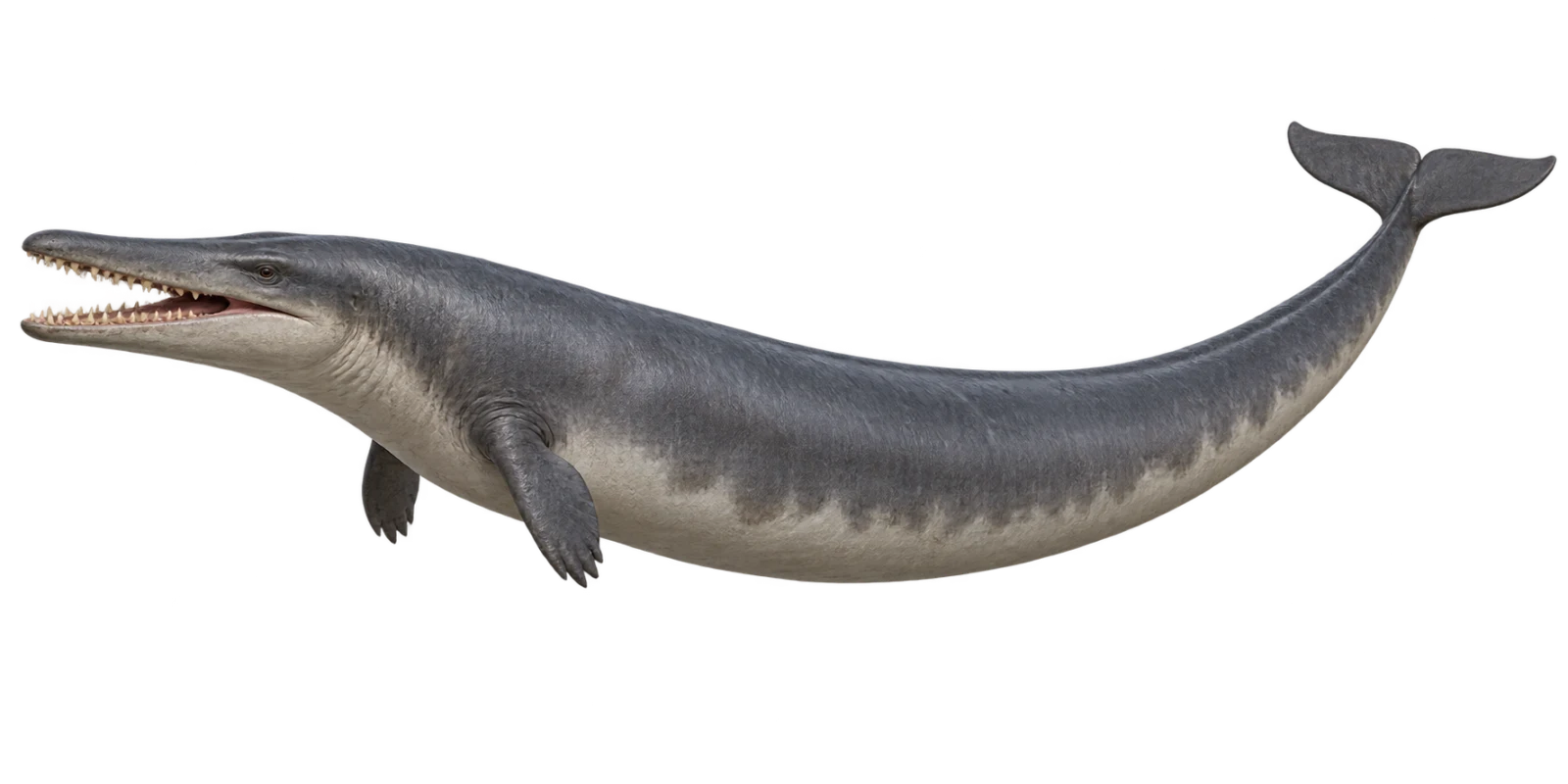
Mammals
Basilosaurus
Basilosaurus
Classification and source reference
ExtinctAI reconstruction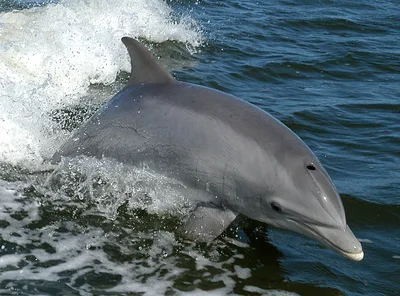
Mammals
Bottlenose Dolphin
Tursiops truncatus
The common bottlenose dolphin is a social marine mammal with a curved dorsal fin.
Living LC
Mammals
Bowhead whale
Balaena mysticetus
The bowhead whale is a heavy Arctic baleen whale that breaks sea ice with its huge arched head.
Living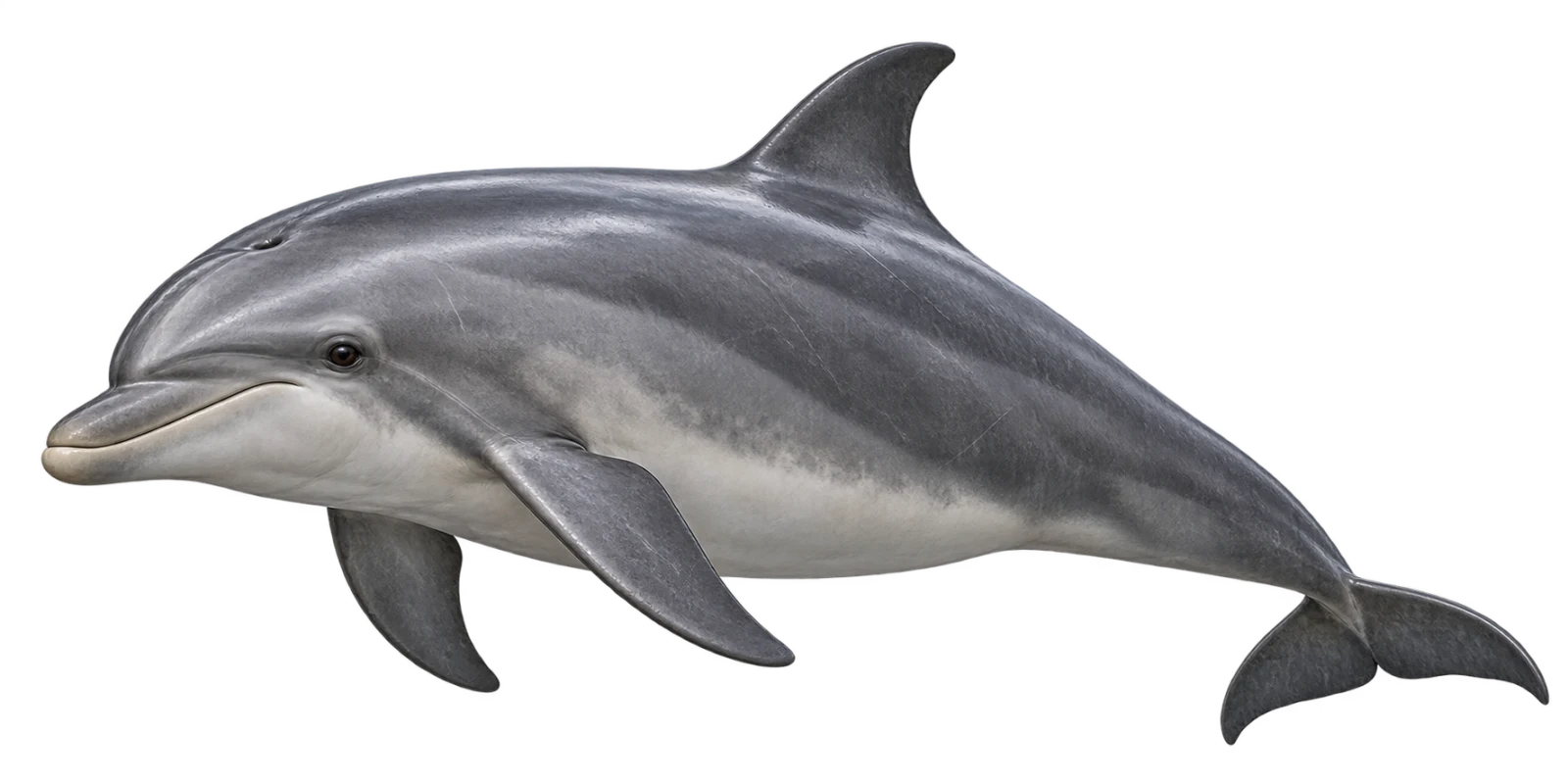
Mammals
Dolphin
Delphinidae
Classification and source reference
LivingAI illustration