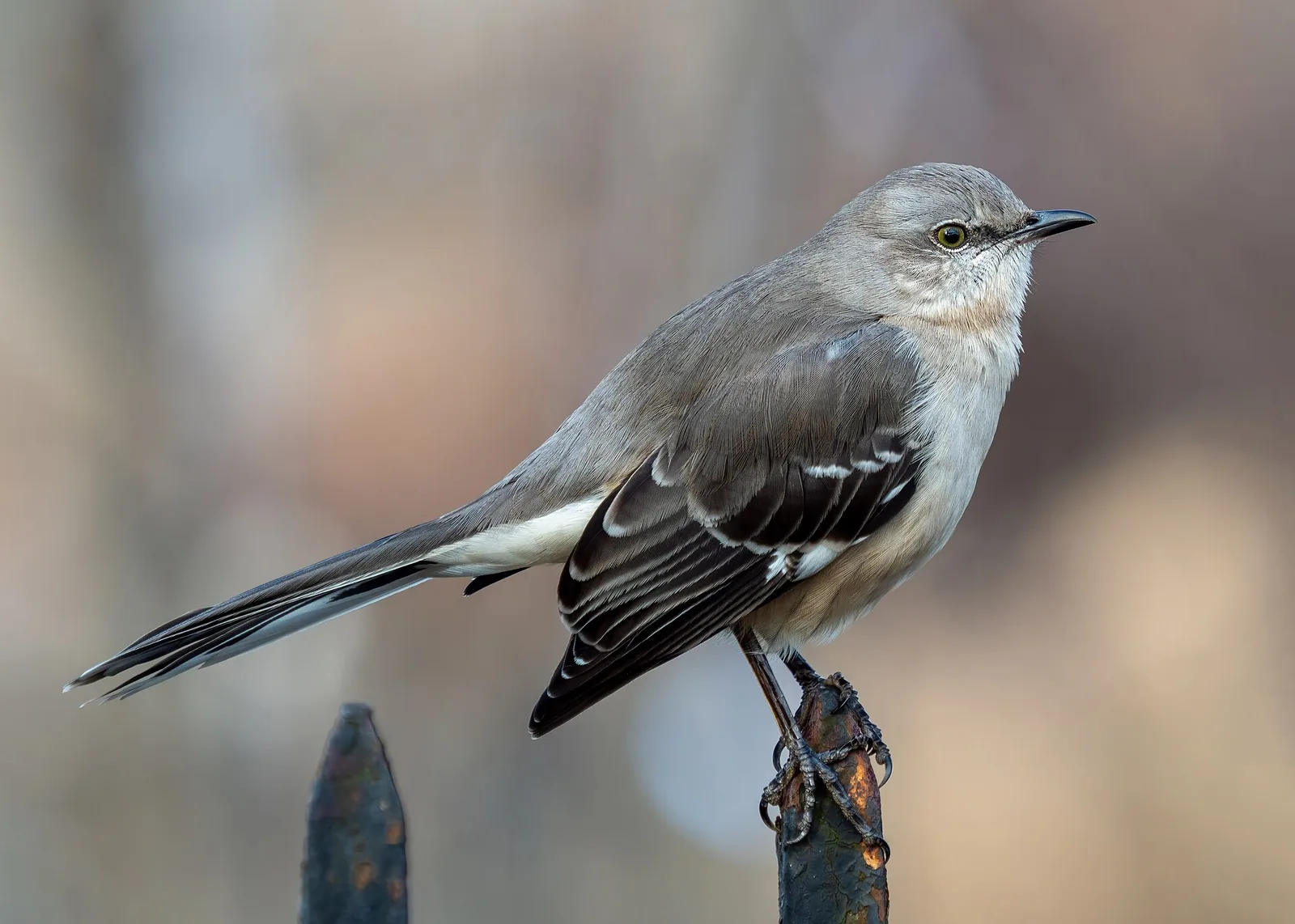
Northern mockingbird
The bird that borrows every song it hears
Mimus polyglottos
Also called Mockingbird, Western mockingbird
Living individuals or members of this group exist today. This does not mean they are safe from extinction.
Meet the northern mockingbird
The northern mockingbird is a grey songbird of North America that copies the songs of other birds. One bird can hold more than 200 song types and sings by day and by night.
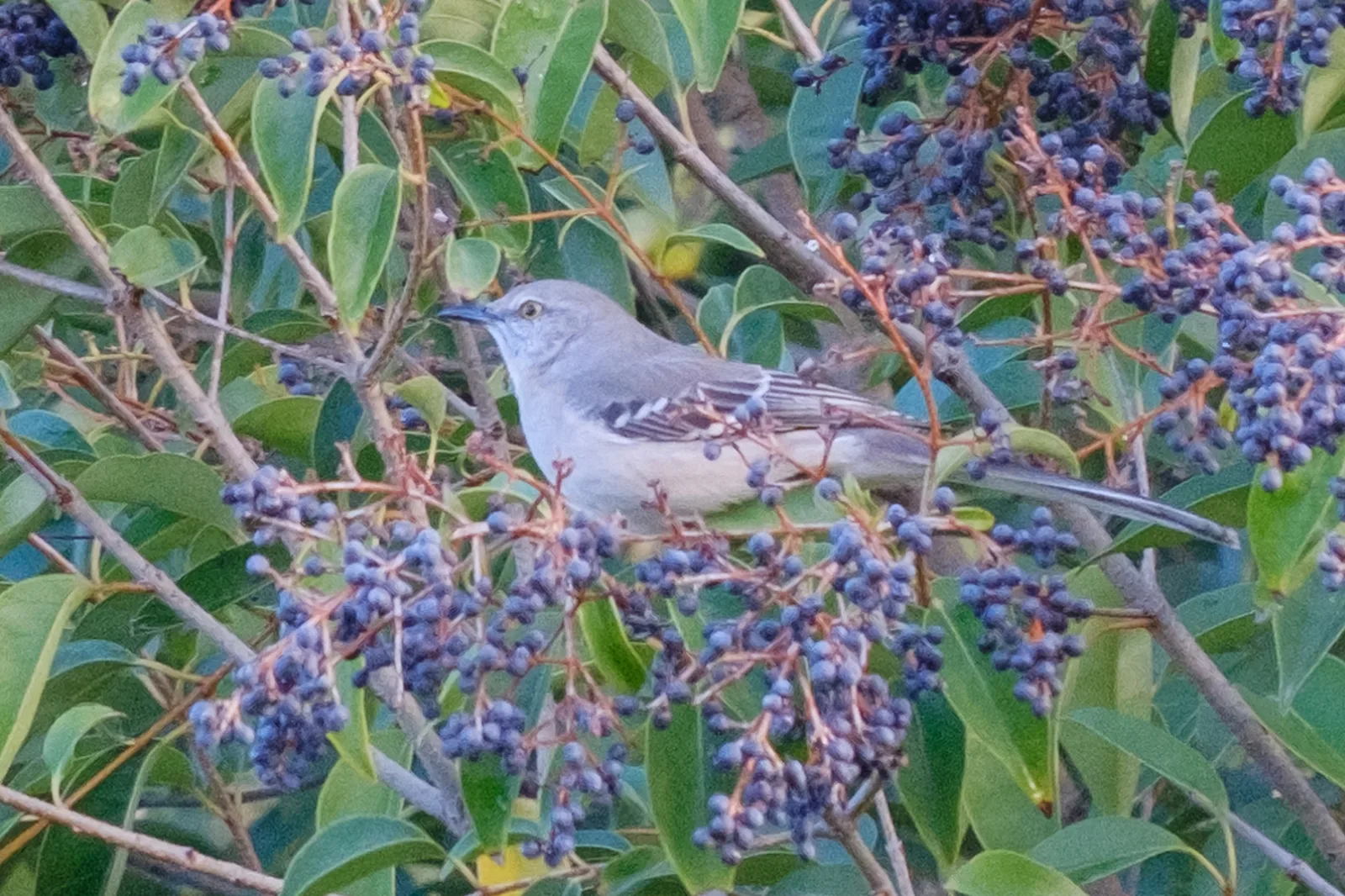
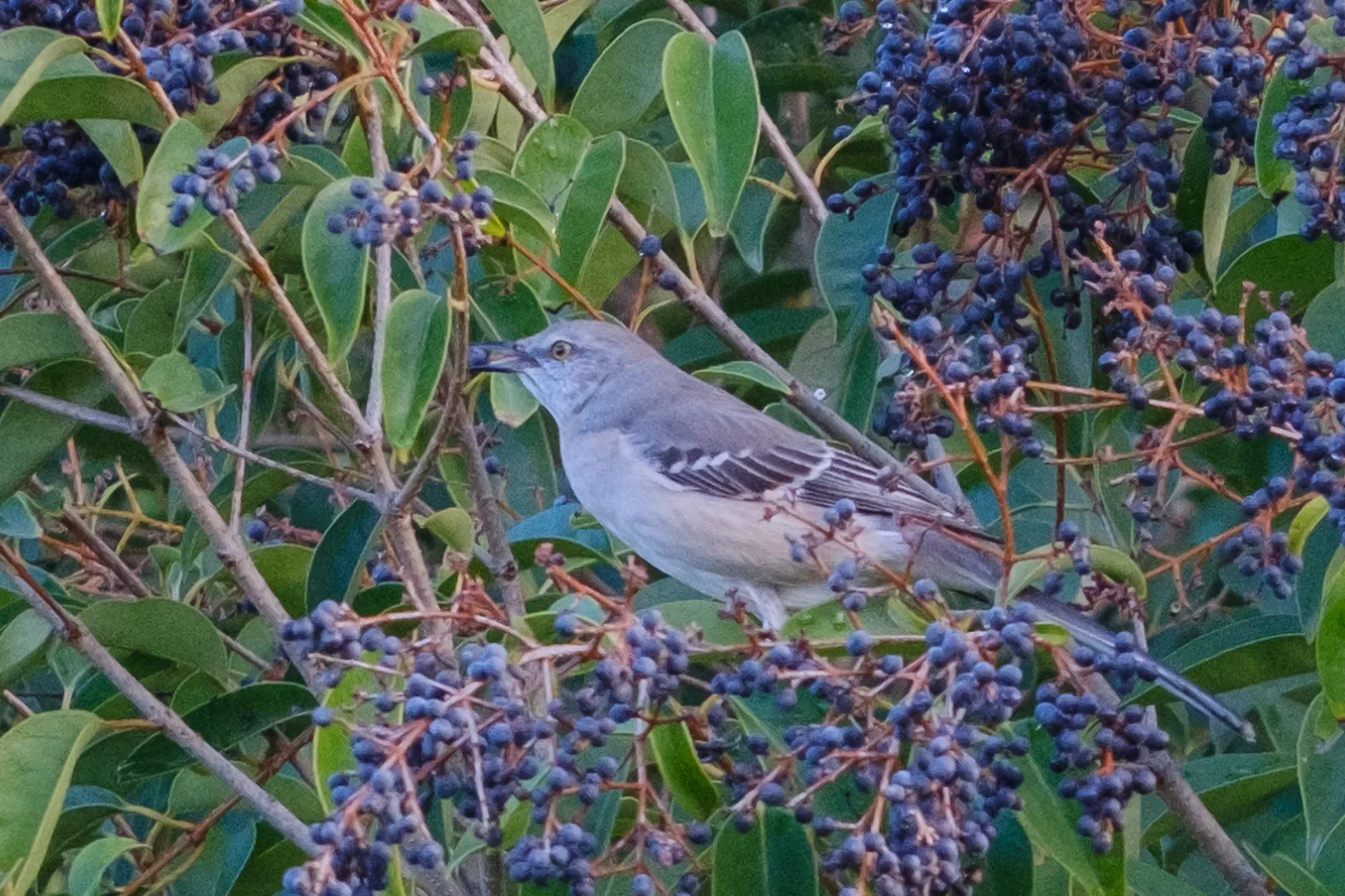
Images of the northern mockingbird
Lifespan in the wild
Up to 8 years
Weight
40 to 58 g
Length
20.5 to 28 cm
Wingspan
31 to 38 cm
Fact file
Northern mockingbird
- Location
- North America, the Caribbean and Hawaii
- Habitat
- Towns and cities, Grassland, Temperate forest, Desert
- Diet
- Omnivore
- Prey / food
- Beetles, ants, wasps, grasshoppers, spiders, earthworms, lizards
- Predators
- Great horned owl, screech owl, sharp-shinned hawk, blue jay, crows, snakes, cats
- Lifestyle
- Active by day, and often sings at night
- Group name
- No group name; pairs hold a territory
- Name of young
- Nestling
- Incubation
- Incubation 11 to 14 days
- Clutch size
- 3 to 5 eggs
- Population
- About 45 million
- Biggest threat
- Winter storms and nest predators
- Distinctive feature
- White wing patches that flash in flight
- Colour
- Grey above, pale below, with white wing and tail patches
- Skin type
- Feathers
Size
Next to a person
Measurements
Size and speed
- Length
- 20.5 to 28 cm the tail makes up nearly half the total
- Length, male
- 22 to 25.5 cm
- Length, female
- 20.8 to 23.5 cm
- Wingspan
- 31 to 38 cm
- Weight
- 40 to 58 g 40 to 58 grams
- Weight, male
- About 51 g about 51 grams
- Weight, female
- About 47 g about 47 grams
Typical adult ranges. Sources: Wikipedia, Animal Diversity Web.
Life cycle
Lifespan
- In the wildUp to 8 years
- In captivityUp to 20 years
- 020 years
The pale bar is the record. Source: Animal Diversity Web.
Appearance
Colour and coat
- Primary colours
- grey
- Secondary colours
- whitebrownblack
- Skin type
- feathers
- Male and female
- Slight. The male is a little larger than the female, and the female has slightly darker tail feathers. The plumage is otherwise the same in both sexes.
Life cycle
Mating and family
- Mating system
- socially monogamous, with rare polygyny
- Social structure
- pairs holding a territory all year
- Breeding
- two to four broods a year
A male claims a territory in late winter and sings to draw a female. The pair builds a twig nest in a shrub, and the female lays three to five eggs. She sits on them for 11 to 14 days, and both parents then feed the chicks. The young leave the nest after 10 to 12 days and feed themselves about two weeks later. The female often starts the next nest while the male still feeds the fledglings.
Classification
Taxonomy
- Kingdom
- Animalia
- Phylum
- Chordata
- Class
- Aves
- Order
- Passeriformes
- Family
- Mimidae
- Genus
- Mimus
- Species
- Mimus polyglottos
Conservation
Red List status
- LC
- NT
- VU
- EN
- CR
- EW
- EX
Least Concern on the IUCN Red List
Range
Recorded in 3 countries
Habitat layer: temperate broadleaf and mixed forest, temperate conifer forest, boreal forest and taiga, tropical grassland, savanna and shrubland, temperate grassland, savanna and shrubland, desert and xeric shrubland.
Countries from 174,213 wild records on GBIF (iNaturalist research grade), filtered and checked by hand. Country shapes: Natural Earth. Habitat: RESOLVE Ecoregions 2017, CC BY 4.0. Basemap: Natural Earth.
Habitats
Three things to know
- 1
A northern mockingbird can copy car alarms, squeaky gates and barking dogs.
- 2
Mockingbirds remember a person who has touched their nest.
- 3
The species is the state bird of five states of the United States.
Did you know
Seven more facts
- 1
The scientific name Mimus polyglottos means the mimic of many tongues.
- 2
Mockingbirds sing through the night, and an unmated male sings the most.
- 3
The bird flashes its white wing patches while it walks on the ground.
- 4
Nobody is sure why it flashes the wings.
- 5
More mockingbirds now live in towns than in the countryside.
- 6
Street lights let city mockingbirds feed their chicks after dark.
- 7
Cowbirds lay eggs in mockingbird nests, and the hosts often throw them out.
Field notes
How it looks and acts
Field notes
Distinguishing features
- Grey-brown upperparts with a white or pale grey belly.
- A big white patch on each wing, seen best in flight.
- Black central tail feathers with white outer ones.
- A tail almost as long as the body.
- A total length of 20.5 to 28 centimetres.
- A long, slightly curved black bill.
Field notes
Unique adaptations
- A huge learned song repertoire that keeps growing through life.
- The ability to tell one person from another near the nest.
- A switch from insects in summer to fruit in winter.
- Bold nest defence that drives off much larger animals.
- A tolerance for lawns, hedges and street lighting in towns.
Field notes
Interesting behaviours
- Singing from a high perch by day and by night.
- Flashing the white wing patches while walking on grass.
- Diving at cats, dogs and people that come near the nest.
- Hopping side to side along a boundary with a rival male.
- Parachuting down from a short display flight with the wings spread.
Field notes
Temperament
- Bold, and quick to attack an intruder near the nest.
- Territorial through the whole year.
- Tolerant of people and traffic in towns.
- Noisy, and loudest when a male has no mate.
Field notes
Communication
- A long song of copied phrases, each one repeated several times.
- Four call types, including the hew call and the chat.
- A flight display that shows the white wing patches.
- Alarm calls that bring neighbouring mockingbirds to help.
Ecology
Ecological role
The mockingbird eats insects in summer and fruit in winter, so it works on both sides of the food web.
- It spreads the seeds of holly, mulberry, dogwood and other fruiting plants.
- It takes large numbers of beetles, ants and grasshoppers during the breeding season.
- It raises the chicks of three cowbird species that lay in its nests.
- It feeds hawks, owls, jays and crows, which take its eggs and young.
Stories
Myths and legends
- In Hopi tradition the mockingbird taught people to speak.
- In Shasta tradition the mockingbird guards the souls of the dead.
- In Cherokee tradition the bird is a sign of cleverness.
- In Maricopa tradition a mockingbird dream grants healing power.
- In O'odham tradition the mockingbird acts as a mediator.
People
Relationship with humans
People
Living alongside us
The northern mockingbird lives beside people in gardens, parks and car parks. Americans once trapped it in large numbers for the cage-bird trade, and the population fell. The trade ended and the birds recovered, helped by lawns and planted shrubs. Five states now name it as their state bird. Some people welcome the song, and others resent the singing at night.
- A nesting mockingbird dives at people who pass too close.
- The strikes cause a fright rather than an injury.
- Away from the nest the bird takes no interest in people.
People
Status, uses and products
- Domestication
- Wild
- As a pet
- Not suitable. The northern mockingbird was once a popular cage bird, and the trade almost emptied parts of its range. United States law now protects it under the Migratory Bird Treaty Act. It needs a large territory and a varied diet of insects and fruit.
- Uses
- garden pest controlbirdwatching
- Products
- None recorded
The full account
About the northern mockingbird
The northern mockingbird, Mimus polyglottos, is a grey songbird of North America. It is famous for copying the songs of other birds and many other sounds. Adults measure 20.5 to 28 centimetres long, and the tail is almost as long as the body. The wings span 31 to 38 cm, and the bird weighs 40 to 58 grams. Males and females look alike, and the male is only a little larger.
The upperparts are grey to brown and the underparts are pale. White patches on the wings and the outer tail feathers flash when the bird flies. It breeds from southern Canada across the United States to Mexico and the Greater Antilles. People have also released it on Hawaii and on several islands in the Atlantic. The IUCN lists the species as Least Concern, and about 45 million birds exist. Five American states name it as their state bird.
Name and taxonomy
Carl Linnaeus described the bird in 1758 and placed it among the thrushes as Turdus polyglottos. The genus name Mimus is Latin for a mimic. The epithet polyglottos comes from Greek words for many and tongue. Both names point at the bird's talent for copying sound. Its closest living relative is the tropical mockingbird. The two form a superspecies and cross where their ranges meet in southeast Mexico.
Ornithologists recognise three subspecies. The eastern form ranges from Nova Scotia west to Nebraska and south to Texas and Florida. The western form is larger, paler and buffer, and it reaches the Pacific coast. A third form lives from the Bahamas through the Greater Antilles to the Cayman and Virgin Islands. That island form is smaller and greyer than the mainland birds.
Evolution and relatives
The mockingbird belongs to the family Mimidae, the mimic thrushes. Thrashers, catbirds and the other mockingbirds sit in the same family. Like other mimids, it has a long tail, long legs and short rounded wings. Linnaeus first placed the species with the true thrushes, and later work moved it out. Its repertoire is large, but the brown thrasher of the same family learns far more songs.
Genetic work suggests an inherited readiness to learn certain kinds of sound. A 2013 study proposed an enlarged auditory template as the basis of the skill. Sexual selection probably drives the size of the repertoire.
Appearance
The northern mockingbird is a slim grey bird with long legs and a long tail. The back is grey brown and the belly is white or greyish white. Two pale bars cross each wing. A large white patch sits on each wing and shows best when the bird opens it. The central tail feathers are black and the outer ones are white. The bill is black, long and slightly curved.
The eye is usually pale green-yellow or yellow, and a few birds have orange eyes. Young birds have streaked backs and spotted chests, and grey or grey-green eyes. Males weigh about 51 grams and females about 47 g. Males measure 22 to 25.5 centimetres and females 20.8 to 23.5 cm. The sexes are otherwise hard to separate in the field. The female has slightly darker tail feathers.
Habitat and range
The mockingbird likes open ground with scattered bushes and a high perch nearby. In the east it lives in gardens, parks, farmland and roadsides. In the west it uses desert scrub and chaparral. It feeds on short grass and needs shrubs close by for shade and for nesting. It does not nest inside dense forest.
The breeding range runs from Atlantic Canada west to southern Oregon and south through Mexico. Most birds stay in one place all year. Birds in the far north move south for the winter, though the movement is poorly understood. The species spread north through the 19th and 20th centuries. By the 1970s it lived in most counties of California. People released it on Hawaii in the 1920s, and on Barbados, Bermuda and Saint Helena.
A few birds have reached southeastern Alaska. Three have crossed the Atlantic to Britain, the last one in 2021. GBIF holds occurrence records from 34 countries. iNaturalist carries 241,164 observations of the species.
Diet and feeding
The northern mockingbird eats both animals and plants. In spring and summer it takes beetles, ants, wasps, grasshoppers, spiders and caterpillars. It also eats earthworms, small lizards and the occasional small crustacean. In autumn and winter the diet swings almost wholly to fruit. Holly, mulberry, blackberry, raspberry, dogwood, grape and fig all appear on the menu. Garden fruit such as tomatoes and apples goes the same way.
The bird hunts on the ground, in bushes, and by dropping from a perch. While it walks it opens the wings in a two-step motion that shows the white patches. Ornithologists disagree about the purpose of this wing-flashing. It may startle insects, or it may warn a predator away. The bird drinks from puddles, lake edges and rain drops on leaves. Adults have been seen drinking sap from fresh cuts on pruned trees. The taste for winter fruit probably helped the species spread north.
Behaviour and social life
The mockingbird is active by day, and it also sings at night. It lives alone or in a pair and holds a territory all year. A male sets up his territory before the breeding season begins. Two males settle a boundary with a dance, hopping side to side on the ground. One bird finally flies off, and sometimes the pair fights first.
The species defends its nest with great energy. It drives off cats, dogs, crows and hawks much larger than itself. Neighbouring mockingbirds answer a call for help and join the attack. Other birds gather to watch the intruder being chased away. A postal worker in Tulsa was struck so often that residents received a warning letter.
Mockingbirds do well in towns, and more now live in urban areas than outside them. Urban birds survive better than rural ones, probably because food is closer to hand. They return to a nest site that worked last year and avoid one that failed. Street lighting lets them feed their young after dark. City life brings costs, and birds in Baltimore and Washington suffer lead poisoning.
Communication and senses
Song sits at the centre of the mockingbird's life. One bird can hold 43 to 203 song types, and the number varies by region. Texas birds held 14 to 150 types in one study. Two Florida studies put the figure near 134 and 200. The bird adds new songs throughout its life. It copies wrens, cardinals, titmice, towhees, flickers, jays and robins, among many others.
It also copies cats, dogs, frogs, crickets, squeaky wheels and car alarms. The copies convince people more often than they convince other birds. Males start singing in late January or February and carry on into the autumn. An unmated male sings more, and from higher perches, so the sound travels further. Females sing more quietly, and mainly when the male is away. Four calls are known: the nest relief call, the hew call, the chat and the begging call.
Mockingbirds recognise individual people. In a 2009 study the birds picked out the one person who had touched their nest. A 2023 study found that they fled further from people who had behaved as a greater threat.
Reproduction and life cycle
Both sexes can breed at one year old. The season runs through spring and early summer. A male courts a female by chasing her, showing her nest sites and singing. He also flies up a few metres and parachutes down with the wing patches spread. Pairs are usually monogamous and can stay together for years. Polygyny and bigamy happen, but only rarely.
Both birds build the nest, and the male does most of the work. The female perches nearby and watches for predators. The nest sits in a shrub or a small tree, a few metres above the ground. Twigs form the outside, and grass, leaves, moss and even artificial fibres line the cup. The female lays three to five pale blue or greenish eggs blotched with brown. She incubates them alone for 11 to 14 days.
Both parents feed the chicks, which hatch blind and helpless. The young leave the nest after 10 to 12 days and become independent about two weeks later. The female often starts a second nest while the male teaches the fledglings to fly. A pair raises two to four broods in a season. Cowbirds lay eggs in mockingbird nests, and the hosts reject them more often late in the season. Wild birds live up to 8 years, and captive birds up to 20.
Predators and threats
Great horned owls, screech owls and sharp-shinned hawks kill adult mockingbirds. Scrub jays also take them, though the bird's aggression makes it a hard target. A snake rarely catches a female on the nest. Cats, crows and red-tailed hawks kill fledglings. Eggs and nestlings go to jays, crows, snakes and squirrels.
Blowfly larvae infest nestlings in Florida, and a blood parasite is common in Arizona. Winter storms limit how far north the species can live. Storms cut the numbers in Ohio, Michigan and Minnesota, and probably in Quebec. Dry seasons reduce numbers in Arizona. Lead in city soil poisons some urban birds.
Population and conservation
The IUCN lists the northern mockingbird as Least Concern. About 45 million birds live across the range. The population is large and widespread, and the range still creeps north. The United States protects the species under the Migratory Bird Treaty Act. Introduced berry-bearing shrubs have probably helped the northward spread.
The picture was very different in the 19th century. Trappers took huge numbers for the cage-bird trade, and the population fell sharply. The trade ended, and the birds recovered. Lawns, gardens and planted shrubs now suit the species well. It is one of the easiest songbirds to find in an American suburb.
Relationship with humans
The mockingbird lives close to people and is easy to watch. Gardeners value it because it eats beetles, ants, wasps and grasshoppers. It also eats soft fruit, which makes it unpopular with some growers. Its night-time singing keeps some people awake. Nesting birds dive at anyone who walks too near.
Americans once kept mockingbirds in cages for their song. Thomas Jefferson owned several, and he called one of them Dick. The trade nearly emptied some regions before it stopped. The bird is now the state bird of Arkansas, Florida, Mississippi, Tennessee and Texas. South Carolina once held it as a state bird as well.
In culture and myth
Harper Lee used the bird for the title and the central image of her 1960 novel. Her characters say that killing a mockingbird is a sin, because the bird only makes music. The lullaby Hush Little Baby promises a child a mockingbird. The song Listen to the Mocking Bird was a hit of the mid-19th century. Patti Page recorded Mockin' Bird Hill in 1951, and it reached number 2 on the pop chart. The Hunger Games books invented the mockingjay, a cross with an engineered bird.
In Hopi and Pueblo tradition the mockingbird taught the first people how to speak. In Shasta tradition the bird guards the dead. In Cherokee tradition the bird stands for a quick mind. Cherokee parents once fed mockingbird heads to children to sharpen their wits. In Maricopa tradition a dream of a mockingbird marks a person with healing power. In O'odham tradition the bird settles disputes between others.
A sentence with a dotted underline is inferred: it describes the group the animal belongs to, or is a reading of the sources, rather than a measured or reported fact about this species.
Questions
Northern mockingbird questions, answered
What does a northern mockingbird look like?
It is a slim grey bird 20.5 to 28 centimetres long with a long tail. The back is grey-brown and the belly is pale. White patches on the wings and tail show in flight.
Why do mockingbirds mimic other birds?
A male with a larger repertoire attracts more mates. Copying is probably a form of display. The bird keeps learning new sounds all its life.
How many songs can a mockingbird sing?
Studies record 43 to 203 song types for one bird. Texas birds held 14 to 150 types. Florida estimates ran near 134 and 200.
What sounds do mockingbirds copy?
Other birds first, including wrens, cardinals, jays and robins. They also copy cats, dogs, frogs, crickets, squeaky wheels and car alarms.
Why do mockingbirds sing at night?
Unmated males sing the most, and they sing at night to draw a female. A male usually stops once he has a mate.
Do mockingbirds attack people?
They dive at anyone who comes close to a nest. The strike is startling but harmless. One postal worker in Tulsa was hit so often that the neighbourhood was warned.
What do mockingbirds eat?
Insects, spiders and earthworms in spring and summer. Berries and fruit in autumn and winter. They also take small lizards and garden fruit.
Where do northern mockingbirds live?
Across the United States, southern Canada, Mexico and the Greater Antilles. They like open ground with bushes, and they are common in towns.
Do mockingbirds migrate?
Most stay in one place all year. Birds in the far north move south in winter. The movement is not well understood.
How long do mockingbirds live?
In the wild the record stands at 8 years. A captive bird reached 20 years. Most die much sooner.
How many eggs does a mockingbird lay?
Three to five in a clutch, pale blue or greenish with brown blotches. The female sits for 11 to 14 days. A pair raises two to four broods a year.
Can mockingbirds recognise people?
Yes. In a 2009 study the birds picked out the single person who had touched their nest. A 2023 study showed that they judge how threatening a person has been.
Are northern mockingbirds endangered?
No. The IUCN rates it Least Concern, and about 45 million of them exist. Numbers fell in the 19th century because of the cage-bird trade, then recovered.
Which states have the mockingbird as their state bird?
Arkansas, Florida, Mississippi, Tennessee and Texas. South Carolina used it as well in the past.
Why do mockingbirds flash their wings?
They open the wings in two steps while walking, which shows the white patches. Ornithologists disagree about the reason. It may startle insects or warn a predator.
What does the mockingbird mean in To Kill a Mockingbird?
Harper Lee used the bird as an image of harmless innocence. Her characters say it is a sin to kill one, because it only sings.
Food web
Prey and food
- beetles
- ants
- wasps
- grasshoppers
- spiders
- earthworms
- lizards
Food web
Predators
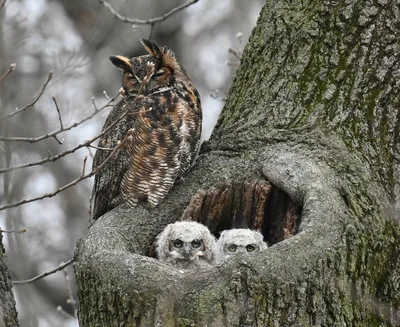 Great horned owl
- screech owl
- sharp-shinned hawk
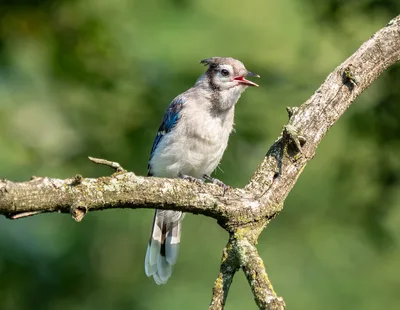 Blue jay
- crows
- snakes
- cats
Ecological equivalents
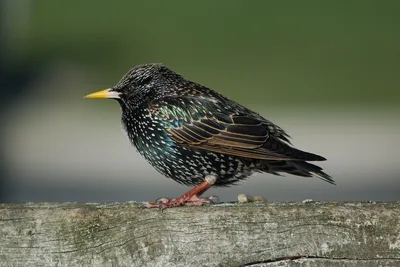
Related species on this site
Gray Catbird (same family), Acadian Flycatcher (same order), Amazonian Royal Flycatcher (same order), American crow (same order), American goldfinch (same order), American robin (same order), and more.
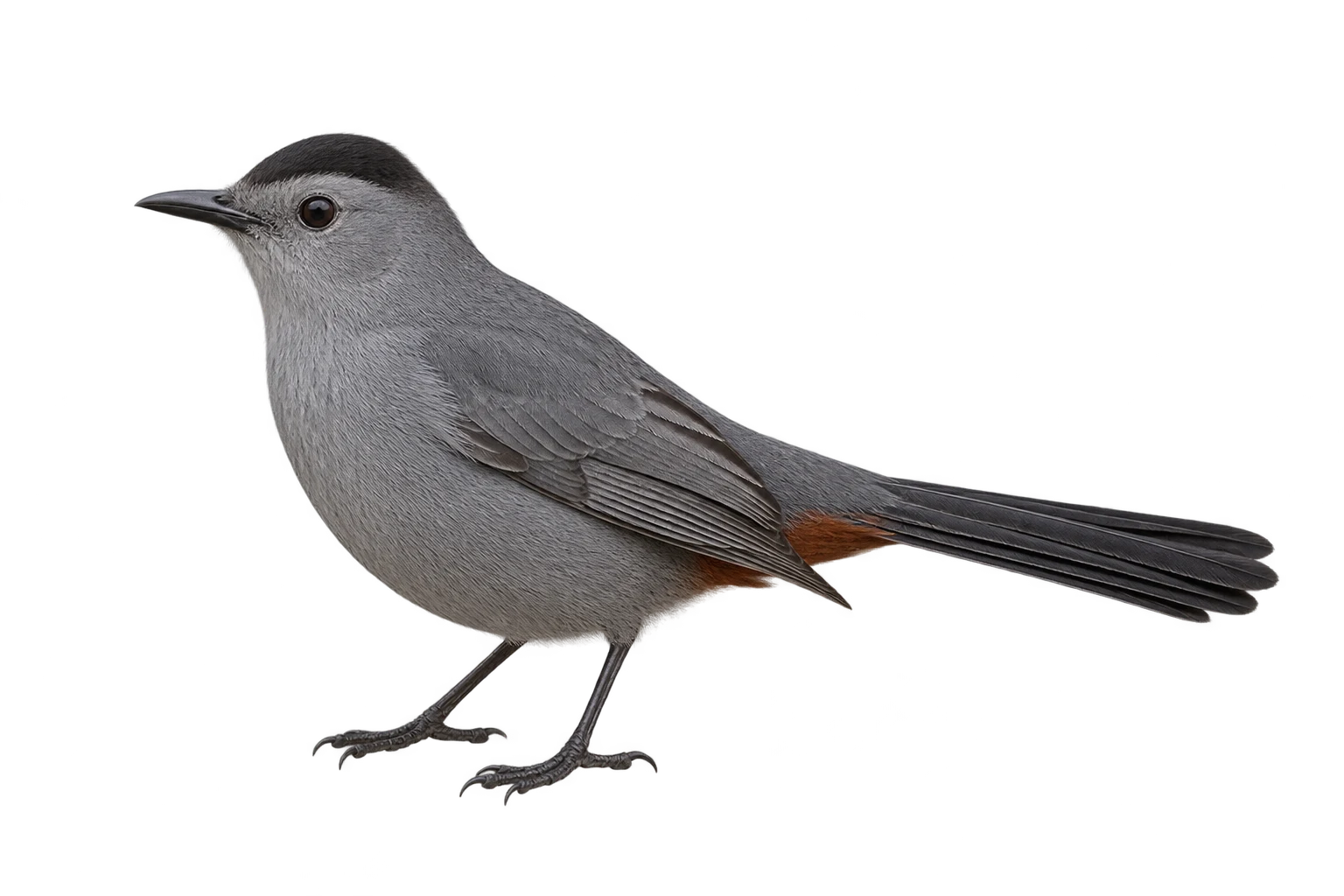
Birds
Gray Catbird
Dumetella carolinensis
Classification and source reference
LivingAI illustration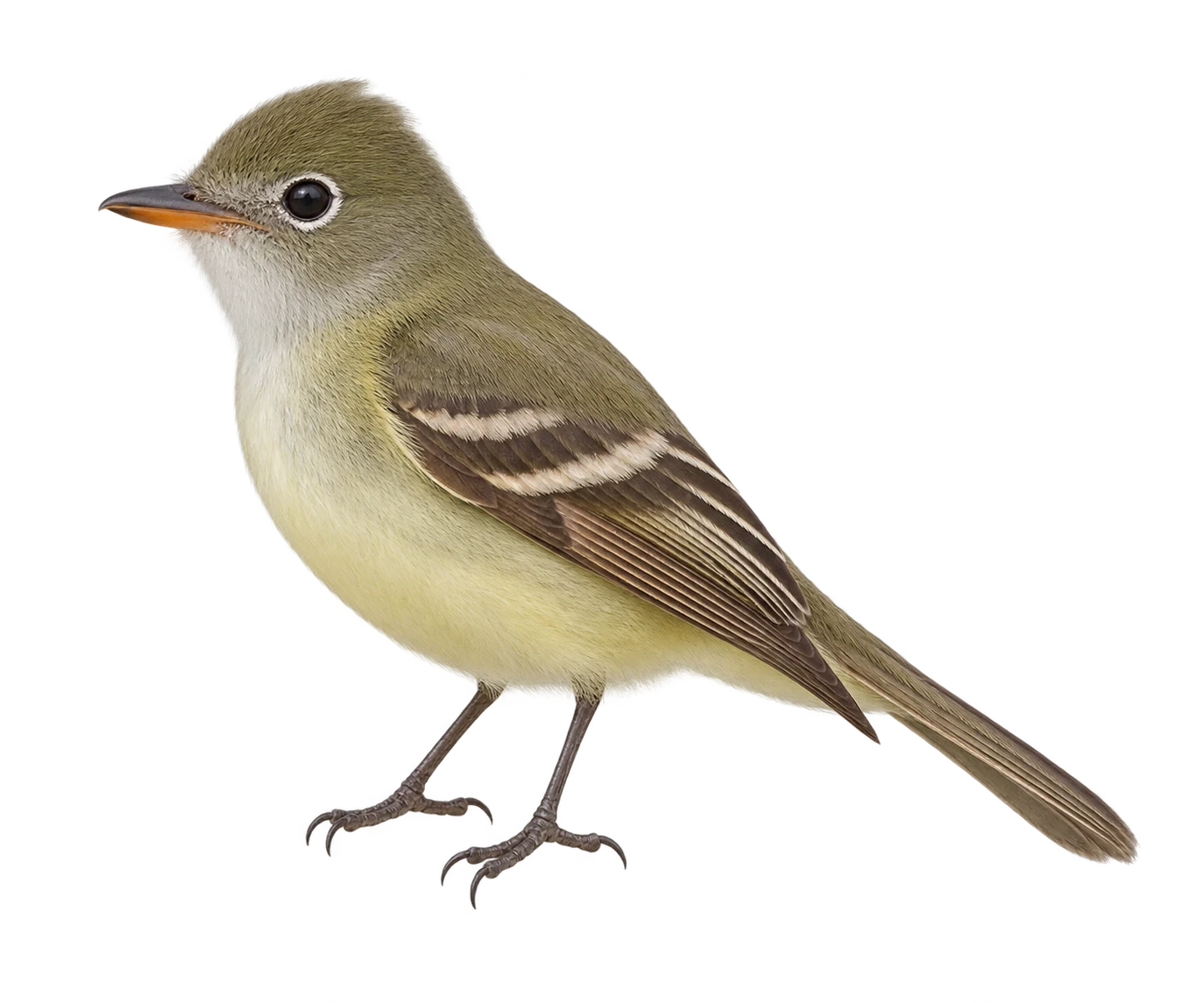
Birds
Acadian Flycatcher
Empidonax virescens
Classification and source reference
LivingAI illustration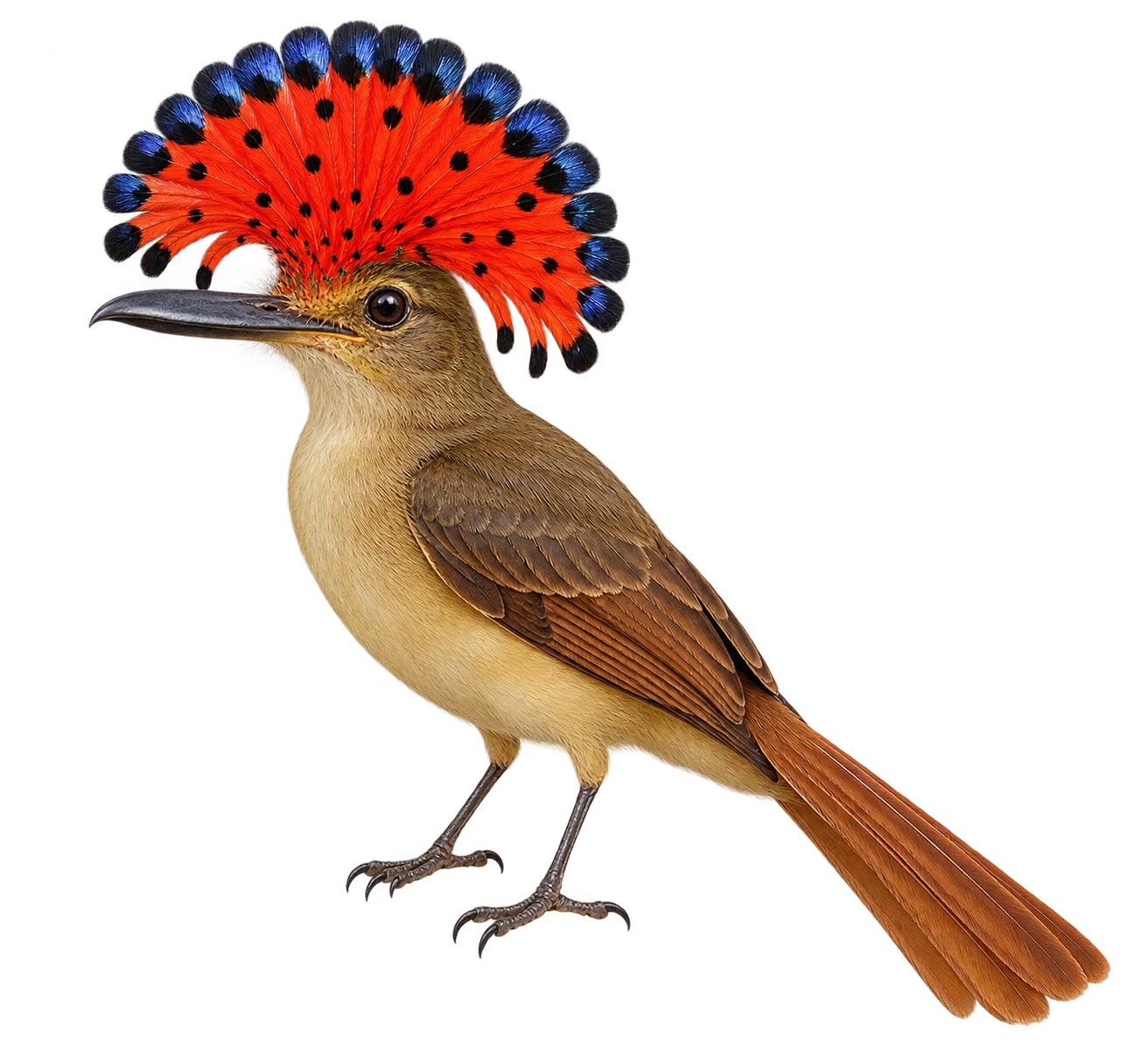
Birds
Amazonian Royal Flycatcher
Onychorhynchus coronatus
Classification and source reference
LivingAI illustration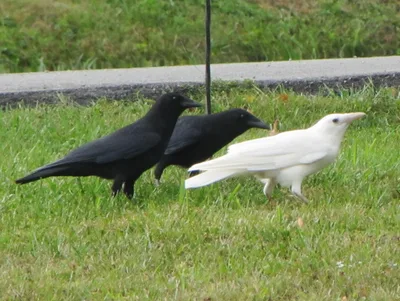 LC
Birds
American crow
Corvus brachyrhynchos
The American crow is a large all-black bird of farms, woods and city streets across North America.
Living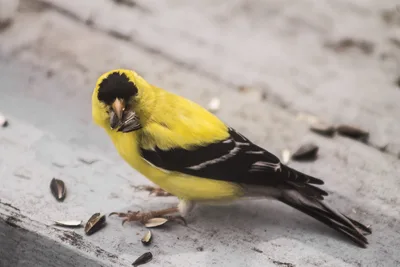 LC
Birds
American goldfinch
Spinus tristis
The American goldfinch is a small seed-eating finch of open weedy country across North America.
Living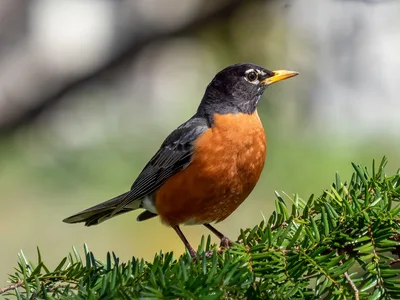 LC
Birds
American robin
Turdus migratorius
The American robin is a large thrush that feeds on lawns and open ground across North America.
Living