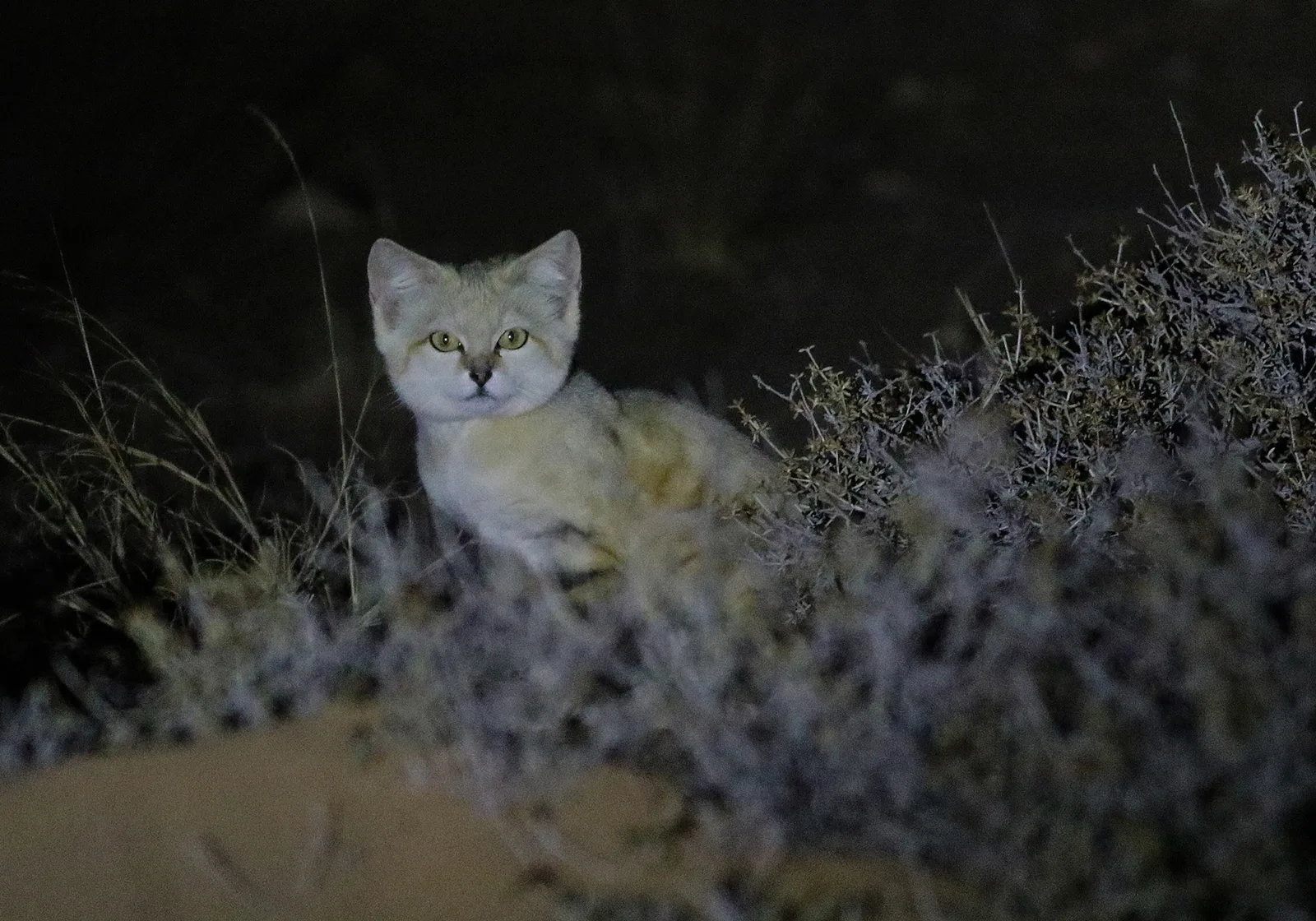
Sand cat
The only cat that lives its whole life in the desert
Felis margarita
Also called Sand dune cat
Living individuals or members of this group exist today. This does not mean they are safe from extinction.
Meet the sand cat
The sand cat is a small, pale wild cat that lives only in the deserts of North Africa, Arabia and Central Asia. It hunts rodents and snakes at night and gets its water from its prey.
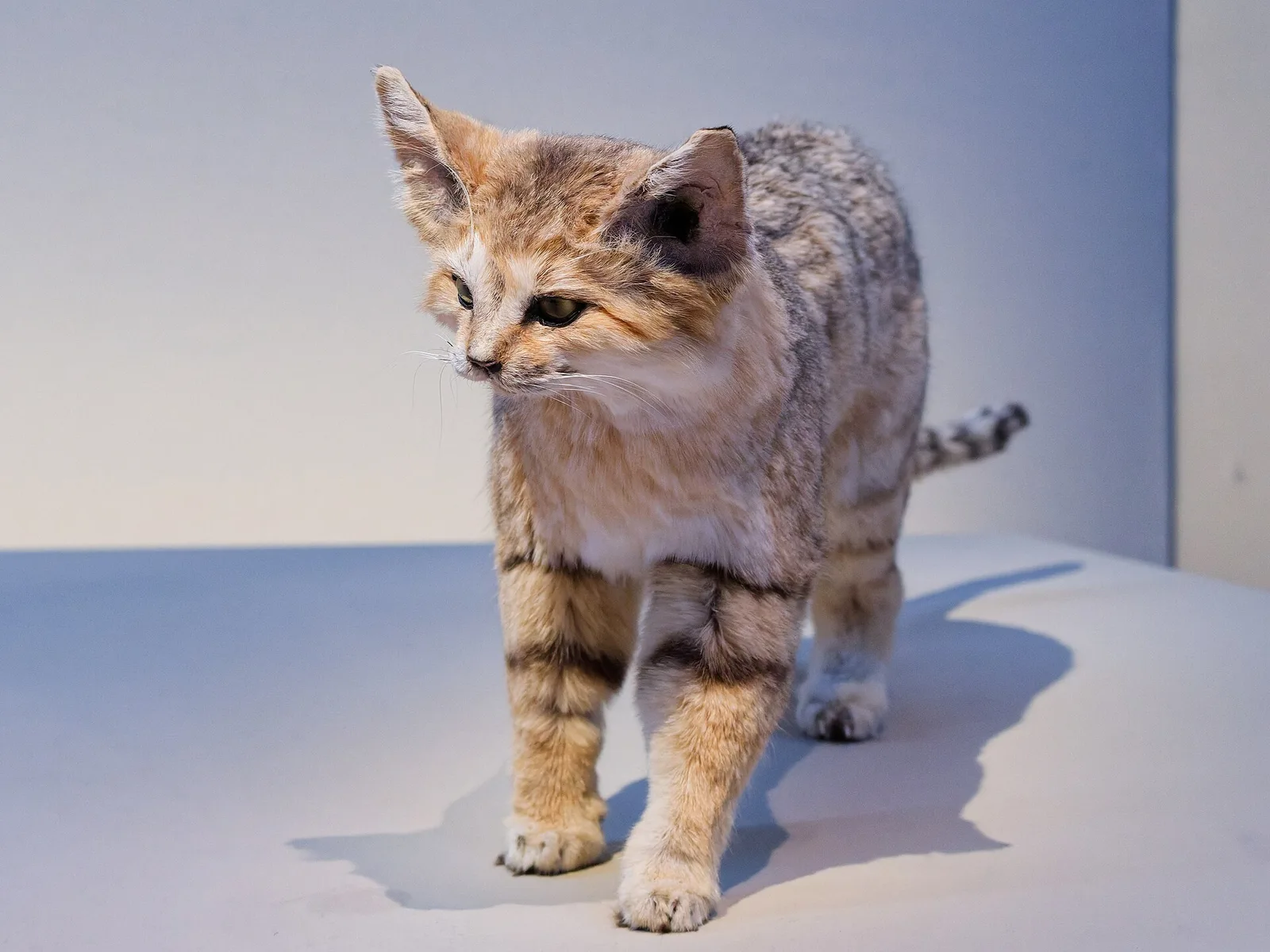
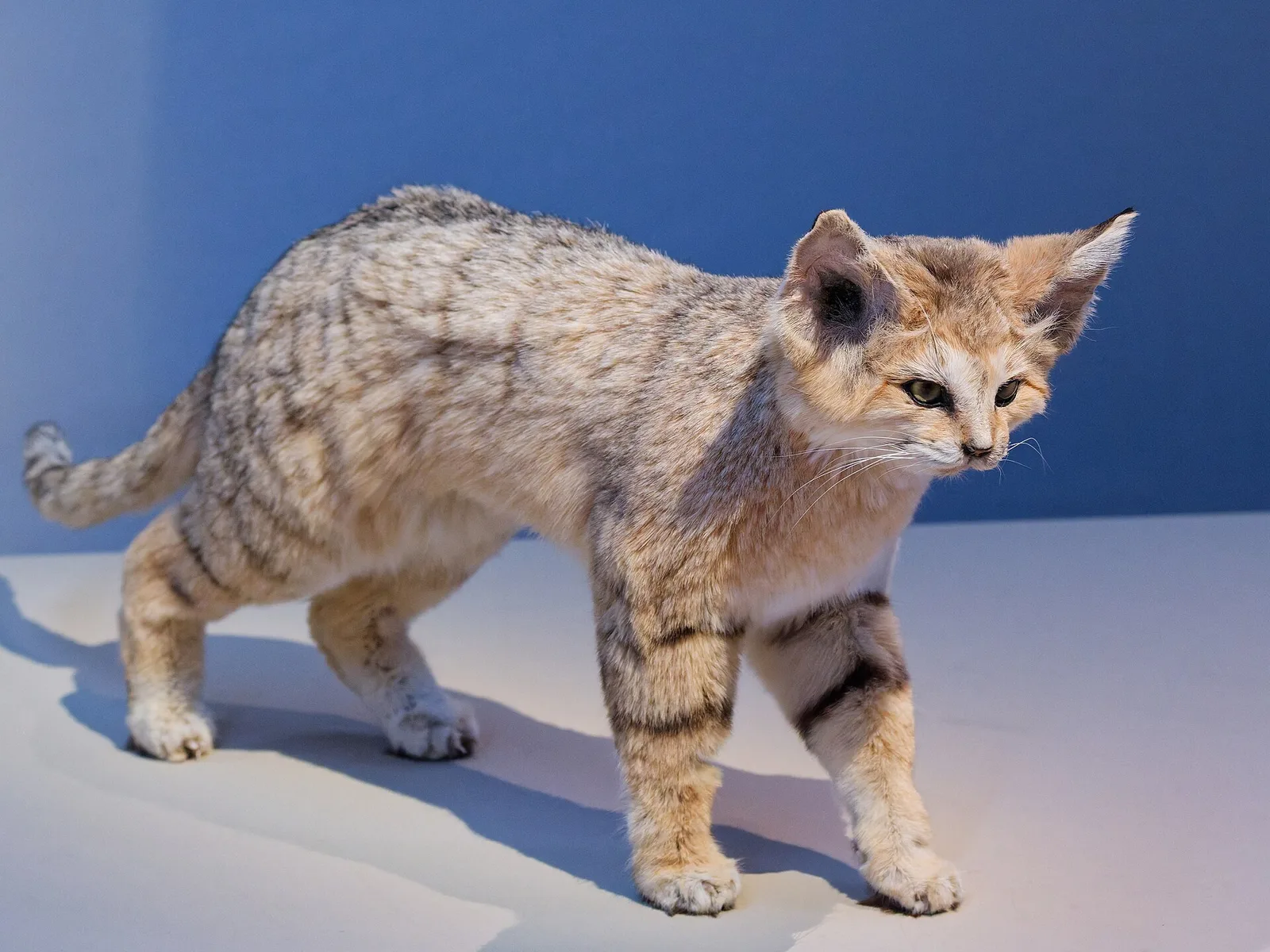
Images of the sand cat
Lifespan
Up to 13 years the wild lifespan is not recorded
Weight
1.5 to 3.4 kg
Length
39 to 52 cm
Top speed
30 to 40 km/h
Fact file
Sand cat
- Location
- Sahara, Arabian Peninsula, Middle East, Central Asia
- Habitat
- Desert
- Diet
- Carnivore
- Prey / food
- Gerbils, jerboas, hares, larks, lizards, vipers
- Predators
- Golden jackal, eagle owl, snakes, domestic dogs
- Lifestyle
- Nocturnal; rests in a burrow by day
- Group name
- Solitary
- Name of young
- Kitten
- Gestation
- 59 to 66 days
- Litter size
- 2 to 3 kittens, up to 8
- Population
- Unknown; hard to count in open desert
- Biggest threat
- Habitat loss and traps at oases
- Distinctive feature
- Large low-set ears and fur-covered soles
- Colour
- Pale sandy to light grey
- Skin type
- Fur
Size
Next to a person
Measurements
Size and speed
- Height
- 24 to 36 cm at the shoulder
- Length
- 39 to 52 cm head and body, without the tail
- Tail
- 23 to 31 cm
- Weight
- 1.5 to 3.4 kg
- Weight, male
- 2.1 to 3.4 kg
- Weight, female
- 1.4 to 3.1 kg
- Top speed
- 30 to 40 km/h a short sprint
Typical adult ranges. Sources: Wikipedia, Animal Diversity Web.
Life cycle
Lifespan
- In captivityUp to 13 years the wild lifespan is not recorded
- 013 years
The pale bar is the record. Source: Animal Diversity Web.
Appearance
Colour and coat
- Primary colours
- sandypale grey
- Secondary colours
- blackreddish brownwhite
- Skin type
- fur
- Male and female
- Slight. Males weigh 2.1 to 3.4 kilograms and females 1.4 to 3.1 kg, but the sexes look alike.
Life cycle
Mating and family
- Mating system
- not well known; pairs share a burrow in the breeding season
- Social structure
- solitary
- Breeding
- usually one litter a year, sometimes two
Sand cats breed at different times across their range, from January to April in the Sahara and in autumn in Pakistan. After a gestation of 59 to 66 days the female gives birth in a burrow. Wikipedia gives two to three kittens per litter, and ADW reports up to 8. Kittens weigh 39 to 80 grams at birth, are largely independent at 6 to 8 months and mature at 9 to 14 months. Captive cats live up to 13 years, and the wild lifespan is unknown.
Classification
Taxonomy
- Kingdom
- Animalia
- Phylum
- Chordata
- Class
- Mammalia
- Order
- Carnivora
- Family
- Felidae
- Genus
- Felis
- Species
- Felis margarita
Conservation
Red List status
- LC
- NT
- VU
- EN
- CR
- EW
- EX
Least Concern on the IUCN Red List
Range
Recorded in 3 countries
Habitat layer: desert and xeric shrubland.
Countries from 23 wild records on GBIF (iNaturalist research grade), filtered and checked by hand. Country shapes: Natural Earth. Habitat: RESOLVE Ecoregions 2017, CC BY 4.0. Basemap: Natural Earth.
Habitats
Three things to know
- 1
The sand cat is the only cat that lives entirely in desert habitat.
- 2
Fur on the soles of its feet hides its tracks in the sand.
- 3
A sand cat can live without drinking, taking its water from prey.
Did you know
Seven more facts
- 1
The species is named after a French general, Jean Auguste Margueritte.
- 2
Sand cats in Israel walked 5 to 10 kilometres in a single night.
- 3
A sand cat can sprint at 30 to 40 kilometres per hour.
- 4
It buries spare food under the sand and comes back to it later.
- 5
Sand cats in Morocco have been found resting in raven nests in acacia trees.
- 6
Only 61% of 228 zoo-born kittens survived their first 30 days.
- 7
The Al Ain Zoo produced two kittens in 2010 from frozen embryos.
Field notes
How it looks and acts
Field notes
Distinguishing features
- Large, low-set ears on a flat, wide head.
- Pale sandy fur with faint bars on the legs and rings on the tail.
- Dense black fur that hides the pads of the feet.
- A reddish line running back from each eye across the cheek.
- A head and body of 39 to 52 centimetres, the size of a domestic cat.
Field notes
Unique adaptations
- Enlarged ear bones and canals detect prey moving beneath the sand.
- Fur on the soles insulates the feet from hot sand and stops them sinking.
- Prey supplies all the water it needs, so it can live far from any source.
- A pale coat blends into sand and stone and hides it from predators and prey.
- A long, thick winter coat in Central Asia keeps it warm on nights below freezing.
Field notes
Interesting behaviours
- Sleeps in a burrow by day and hunts at night.
- Lies on its back outside the burrow to shed heat.
- Digs quickly to pull rodents from the sand.
- Buries surplus prey and covers its faeces with sand.
- Runs low to the ground in a fast trot broken by leaps.
Field notes
Temperament
- Solitary outside the breeding season.
- Secretive, and it closes its eyes when people approach at night.
- Placid, and some individuals tame easily in captivity.
- Bold towards prey, including venomous snakes.
Field notes
Communication
- Loud, short, rasping calls during the mating season.
- A dog-like bark from a hilltop that carries over long distances.
- Urine spraying, scent marks and scratch marks around the range.
- Hearing is thought to matter more than sight when cats find each other in the dark.
Ecology
Ecological role
The sand cat is a small predator that keeps desert rodent numbers in check.
- Eats gerbils, jerboas and spiny mice, so its loss would probably let rodent numbers rise.
- Takes venomous vipers and other reptiles.
- Competes with the red fox and the wildcat, which eat similar prey.
- Serves as occasional prey for jackals, owls and snakes.
Stories
Myths and legends
- In Toubou tradition, the sand cat is a night visitor that comes to camps to drink camel milk.
- In Saharan oasis communities, the sand cat is treated as a poultry thief and trapped with foxes and jackals.
- In ancient Egyptian tradition, cats were sacred to Bastet, though the sand cat is probably not the cat meant.
- In desert folklore, the sand cat is said to be a dune ghost that leaves no track.
People
Relationship with humans
People
Living alongside us
The sand cat has little contact with people and has caused no known harm to them. Zoos imported cats from Pakistan from the 1960s until 1974, and about 200 lived in captivity in 2009. The illegal pet trade still takes cats in the Middle East, and oasis farmers sometimes trap them. Scientists study it with radio collars and camera traps, because its fur-covered feet leave almost no tracks.
- The sand cat weighs 1.5 to 3.4 kilograms and cannot injure a person seriously.
- It avoids people and hides at night by closing its eyes and staying still.
- Some wild-caught cats are placid and tame when handled.
People
Status, uses and products
- Domestication
- Wild
- As a pet
- Not suitable. The sand cat is a protected wild species on CITES Appendix II, and trade in wild cats is illegal in much of its range. Captive cats fall ill easily with respiratory infections unless kept in dry, stable conditions that a home cannot give.
- Uses
- zoo exhibition
- Products
- None recorded
The full account
About the sand cat
Felis margarita, the sand cat, is a small wild cat of the sandy and stony deserts of North Africa, Arabia and Central Asia. It is the only cat that lives entirely in desert country, often far from any water. Pale sandy fur hides it against the ground, and thick hair on its soles covers its tracks. Large, low-set ears pick up the sound of rodents moving beneath the sand.
An adult has a head and body of 39 to 52 centimetres, a tail of 23 to 31 cm, and weighs 1.5 to 3.4 kilograms. It rests in a burrow by day and hunts by night, walking about 5.4 kilometres in search of gerbils, birds and reptiles. It kills and eats venomous vipers. The IUCN lists the species as Least Concern, because its range is wide and its population is thought to be large. Even so, few field studies exist, and its needs are still poorly understood.
Name and taxonomy
Victor Loche described the species in 1858 from a specimen found near Negonca in the northern Algerian Sahara. He named it after the French general Jean Auguste Margueritte, which explains the odd species name margarita. The original specimen seems to have been lost. Sergey Ognev described a Central Asian cat, Eremaelurus thinobius, from the Karakum Desert in 1926, and it later became a sand cat subspecies. More subspecies were named from the Sahara, the Air Mountains, Pakistan and Oman through the 20th century.
In 2017 the Cat Classification Task Force cut the list to two subspecies. The Saharan sand cat, F. m. margarita, is smaller and yellower, with stronger markings and 2 to 6 rings on the tail. The Turkestan sand cat, F. m. thinobia, from West and Central Asia, is larger and greyer with fainter markings. Mitochondrial DNA from 47 cats across the range differed by only one to three base pairs. That small difference suggests the Sinai Peninsula has limited gene flow between Africa and Asia, but not for long.
Evolution and relatives
The sand cat belongs to the genus Felis, the group that includes the wildcat and the domestic cat. Nuclear DNA places the split of the Felis lineage at about 4.44 to 2.16 million years ago. Within the genus, the jungle cat branched off first, then the black-footed cat, and then the sand cat. The cat family as a whole began to spread in Asia during the Miocene, about 14.45 to 8.38 million years ago.
The sand cat probably reached Africa during Pleistocene ice ages, when low sea levels joined the continents. A fossil jaw and other bones of a sand cat came from a Late Pleistocene cave at El Harhoura near Temara in Morocco. Older studies suggested a close link with Pallas's cat, Otocolobus manul, but modern genetics keeps the sand cat within Felis.
Appearance
The sand cat is about the size of a domestic cat, and ADW calls it the smallest of the wild cats. Head and body measure 39 to 52 centimetres, and the tail adds another 23 to 31 cm. It stands 24 to 36 cm at the shoulder and weighs 1.5 to 3.4 kilograms. Males, at 2.1 to 3.4 kg, are heavier than females, which weigh 1.4 to 3.1 kg. The head is flat and wide, the legs are short, and the ears sit low on the sides of the skull.
The coat is a pale sandy colour, lighter around the nose, throat and belly. A faint reddish line runs back from each eye across the cheek, and dark bars mark the legs. The tail carries two or three dark rings and a black tip. The large eyes are greenish yellow and ringed with white, and the white whiskers reach 8 cm. In Central Asia the winter coat grows very long, with hairs up to 51 millimetres. Dense black fur about 10 mm deep hides the pads of the feet completely.
Habitat and range
The sand cat lives in both sandy and stony deserts, and it prefers flat or rolling ground with sparse grass or small bushes. It avoids bare, shifting dunes, where there is little prey, and it stays out of well-vegetated valleys. It has been recorded up to 1,200 metres, in country where annual rainfall is only 20 to 300 millimetres. Surface temperatures in its habitat reach 51 degrees Celsius by day and fall below freezing at night.
The range is wide but broken into three main blocks. In North Africa it occurs in Western Sahara, Morocco, Algeria, Libya, Niger, Chad and Egypt. In the Middle East it lives across the Arabian Peninsula, Jordan, Syria, western Iraq and Iran. In Central Asia it was known from the Karakum and Kyzylkum Deserts, and cats with kittens were photographed in the Kyzylkum in 2013 and 2014.
Scientists first recorded the Central Asian population in 1925, in the Karakum Desert. A skin that Wilfred Thesiger found at a Rub' al Khali oasis in 1948 partly closed the gap between Africa and Asia. In Israel, four radio-collared cats were tracked in the Arabah Valley in the late 1980s, but none has been recorded there since 2002. GBIF holds records from 22 countries, most of them from Pakistan and Western Sahara.
Diet and hunting
The sand cat is a carnivore that eats mostly small desert rodents. In the Tenere Desert it takes gerbils, jerboas and young cape hares, along with hoopoe larks, desert monitors and sandfish skinks. It also kills venomous Cerastes vipers, which has earned it a reputation as a fearless snake hunter. In Iran the most frequent prey around dens were Blanford's jerboa and the Balochistan gerbil. In the Karakum Desert its stomachs held tolai hare, rodents, birds, small reptiles and invertebrates.
The cat hunts by listening for movement under the sand and then digs fast to reach the prey. If it catches more than it can eat, it buries the rest under sand and returns later. It gets the water it needs from its prey, though it drinks readily when water is available. The Toubou people of the Sahara report sand cats entering their camps at night to drink fresh camel milk. In 2018 a sand cat was recorded eating a MacQueen's bustard in the Kyzylkum Desert.
Behaviour and social life
Sand cats live alone, apart from the mating season and the weeks when a female has kittens. It spends the day underground and comes out at dusk. In winter it may sit in the sun by day, but in the hot season it is active only at night and twilight. It runs low, with its belly close to the ground, in a fast trot broken by short leaps. In a sprint it reaches 30 to 40 kilometres per hour.
Radio-collared cats in Israel moved 5 to 10 kilometres in a night and averaged 5.4 km. One male there held a home range of 16 square kilometres. In Morocco a female used 13.4 km2 over six days, and two males ranged over 21.8 and 35.3 km2. Ranges of males overlap, and several cats use the same burrows in turn, but never at the same time.
Burrows are about 1.5 metres deep, dug on gently sloping ground, and usually have one entrance. Many were dug by foxes, porcupines or gerbils and then enlarged by the cat. A sand cat is a poor climber and jumper but an excellent digger. It lies on its back outside the burrow to shed heat. In 2018 several cats in the Moroccan Sahara were found resting in raven nests built in acacia trees.
Communication and senses
Hearing is the sand cat's strongest sense. The ear canal is roughly double that of a domestic cat, and hearing is about 8 decibels keener. The auditory bullae of the skull are the largest, relative to size, of any cat. Long white hairs inside the ears keep out blowing sand. This hearing lets the cat find rodents moving below the surface in the dark.
The cat makes loud, short, high-pitched rasping calls, mostly when it seeks a mate. Males give a sharp bark like a small dog from hilltops, which carries over long distances. It also communicates by spraying urine and leaving scent and scratch marks. It buries its faeces and covers them with sand. When people approach at night, it has been seen to close its eyes, which probably makes it harder to spot.
Reproduction and life cycle
The breeding season depends on the region. In the Sahara it runs from January to April, in Turkmenistan it starts in April, and in Pakistan it falls in September and October. A female is in oestrus for five to six days, during which she calls and scent marks often. During the breeding season a pair may share a burrow.
Gestation lasts 59 to 66 days. Wikipedia gives a litter of two to three kittens, while ADW reports 1 to 8 with four or five as normal. Newborn kittens weigh 39 to 80 grams and wear spotted fur of pale yellow or red. They reach three quarters of adult size within five months. They are fairly independent at 6 to 8 months and sexually mature at 9 to 14 months.
In some areas a female raises two litters a year. Of 228 kittens born in zoos by 2007, only 61% survived to day 30, mostly because first-time mothers neglected them. Captive sand cats live up to 13 years. The lifespan of wild sand cats has not been recorded. The generation length is about 4 years and 9 months.
Predators and threats
Snakes, golden jackals and owls prey on sand cats. Kittens probably fall to red foxes and eagle owls, and adults are taken by jackals hunting in pairs. Domestic dogs have killed sand cats in Israel and Iran. In Israel, caracals and wolves were thought to prey on them.
The main threats are habitat loss and the degradation of sand dunes by people. Livestock grazing, firewood cutting and settlement strip the vegetation that the cat's rodent prey depends on. In the Sahara, cats die in traps set at oases for foxes and jackals, or in reprisal for killing poultry. Fences around protected areas in Saudi Arabia have trapped several cats. The pet trade takes cats in the United Arab Emirates and Iraq, and four were offered for sale in Baghdad in 2014 and 2015. Disease from domestic and feral cats is a further risk, and one of 17 wild-caught cats in Saudi Arabia tested positive for feline leukaemia virus.
Population and conservation
The IUCN lists the sand cat as Least Concern. It was Near Threatened until 2016, when the IUCN judged the population too large for a threatened category. The trend of the global population is unknown, because the cat is hard to census in vast deserts. ADW suspects that the true population and range may be larger than estimated. The species is on CITES Appendix II, and the Pakistan subspecies scheffeli is listed as endangered in the United States.
Hunting is banned in Algeria, Iran, Israel, Kazakhstan, Mauritania, Niger, Pakistan and Tunisia. The cat has no legal protection in Egypt, Mali, Morocco, Oman, Saudi Arabia or the United Arab Emirates. Zoos held about 200 sand cats in 45 institutions in December 2009. The European breeding programme descends from 18 founders, and the American plan from eight. A reintroduction attempt by the Jerusalem Biblical Zoo in the Arabah Desert failed, as the released cats did not survive.
Relationship with humans
People rarely meet sand cats, and the species has caused no known harm to humans. Some cats are surprisingly tame when found and settle easily in captivity. From the mid-1960s cats were trapped in Pakistan for export to zoos, until the government stopped issuing permits in 1974. Captive cats are highly prone to respiratory infections, so zoos keep them in dry enclosures with steady temperatures.
In 2010 the Al Ain Zoo produced two kittens by in vitro fertilisation and transfer of frozen embryos. The illegal pet trade still takes cats in the Middle East, and two sold as pets in Baghdad in 2012 died within a week. Researchers find the cat hard to study because its fur-covered feet leave almost no tracks. Radio collars and camera traps in Israel, Morocco, Saudi Arabia and Iran have given most of what is known.
In culture and myth
No formal myth about the sand cat is recorded, and it plays a small part in folklore compared with the lion or the domestic cat. The Toubou of the Sahara tell of sand cats that slip into camps at night to drink camel milk. Desert people are said to speak of it as a dune ghost, since it is rare, silent and leaves little trace. Oasis farmers in the Sahara see it as a poultry thief and trap it alongside foxes and jackals.
Ancient Egyptians revered cats and linked them to the goddess Bastet, but that tradition concerned the domestic cat, not the sand cat. Spirit-animal websites attach Egyptian, Native American and Chinese meanings to the sand cat, but these claims appear to have no source in those cultures. The species name honours a French general, Jean Auguste Margueritte, which is why the cat carries a woman's name.
A sentence with a dotted underline is inferred: it describes the group the animal belongs to, or is a reading of the sources, rather than a measured or reported fact about this species.
Questions
Sand cat questions, answered
Where do sand cats live?
Sand cats live in sandy and stony deserts of North Africa, the Arabian Peninsula, the Middle East and Central Asia. They prefer flat or rolling ground with sparse grass and avoid bare shifting dunes.
How big is a sand cat?
A sand cat has a head and body of 39 to 52 centimetres and a tail of 23 to 31 cm. It stands 24 to 36 cm at the shoulder and weighs 1.5 to 3.4 kilograms, about the size of a domestic cat.
What do sand cats eat?
Sand cats eat mostly small rodents such as gerbils and jerboas. They also take young hares, birds, lizards, insects and venomous vipers.
Are sand cats endangered?
No. The IUCN lists the sand cat as Least Concern, after downlisting it from Near Threatened in 2016. Its numbers are hard to count, and the Pakistan subspecies is listed as endangered in the United States.
Do sand cats drink water?
Sand cats can get all the water they need from their prey. They drink readily when water is available, and Toubou herders report cats drinking camel milk in their camps.
Can you keep a sand cat as a pet?
No. The sand cat is a protected wild species, and trade in it is restricted under CITES Appendix II. Captive cats are very prone to respiratory disease and need dry, stable enclosures.
How does a sand cat survive the desert heat?
It spends the day in a burrow about 1.5 metres deep and hunts at night. Fur on its soles insulates its feet from hot sand, and it lies on its back outside the burrow to shed heat.
Why does the sand cat have such big ears?
The ears and the ear canals are enlarged to catch faint sounds. The canal is roughly double a domestic cat's, and the cat hears about 8 decibels better. That lets it find rodents under the sand.
How fast can a sand cat run?
In a sprint a sand cat reaches 30 to 40 kilometres per hour. It runs low to the ground with short leaps and covers about 5.4 km in a night's hunting.
Do sand cats eat snakes?
Yes. Sand cats kill and eat venomous Cerastes vipers and other snakes, which has earned them a reputation as fearless snake hunters.
How many kittens does a sand cat have?
Wikipedia gives two to three kittens per litter, and ADW reports 1 to 8 with four or five as usual. Gestation lasts 59 to 66 days, and kittens weigh 39 to 80 grams at birth.
How long do sand cats live?
In captivity a sand cat lives up to 13 years. The lifespan of wild sand cats has not been recorded, and many kittens die young.
Is the sand cat the smallest wild cat?
ADW calls it the smallest of all wild cats, at 1.5 to 3.4 kilograms. It is about the size of a small domestic cat, with a flat head and short legs.
Are sand cats hard to find?
Yes. They are nocturnal, pale and silent, and the fur on their feet hides their tracks. Only a few field studies exist, and GBIF holds records from just 22 countries.
Why is it called Felis margarita?
Victor Loche named the cat in 1858 after the French general Jean Auguste Margueritte. The name has nothing to do with the woman's name Margarita.
Food web
Prey and food
- gerbils
- jerboas
- hares
- larks
- lizards
- vipers
Food web
Predators
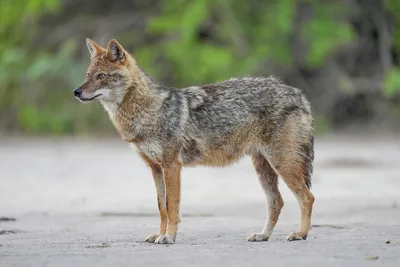 Golden jackal
- eagle owl
- snakes
- domestic dogs
Ecological equivalents
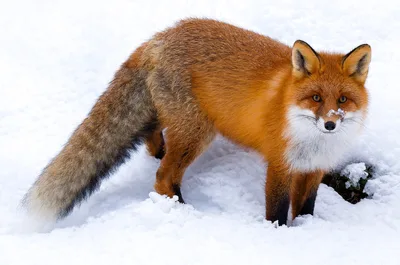
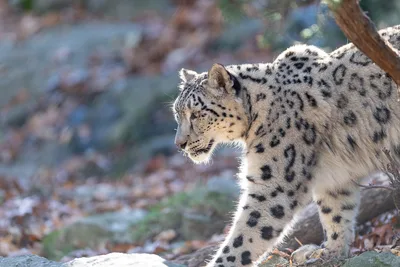
Related species on this site
Abyssinian (same genus), African wildcat (same genus), American Wirehair (same genus), Australian Mist (same genus), Balinese (same genus), Birman (same genus), and more.
Mammals
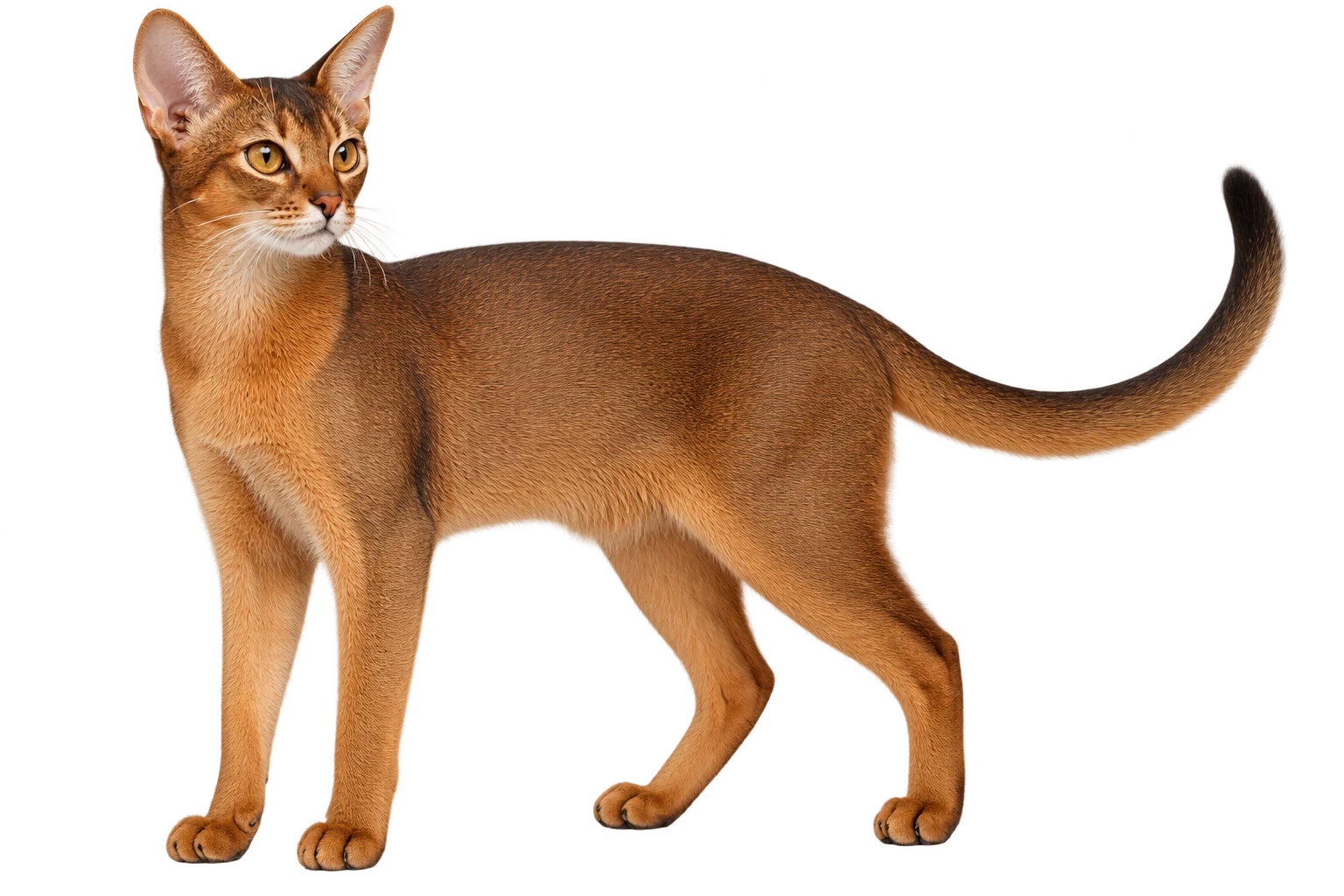
Abyssinian
Felis catus
Classification and source reference
LivingAI illustration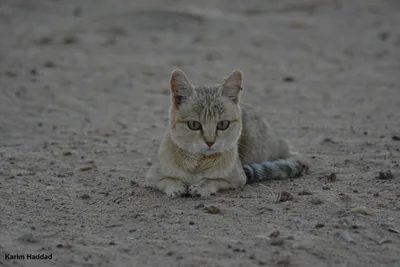 LC
Mammals
African wildcat
Felis lybica
The African wildcat is a small striped cat of dry Africa and Asia, and the ancestor of every domestic cat.
Living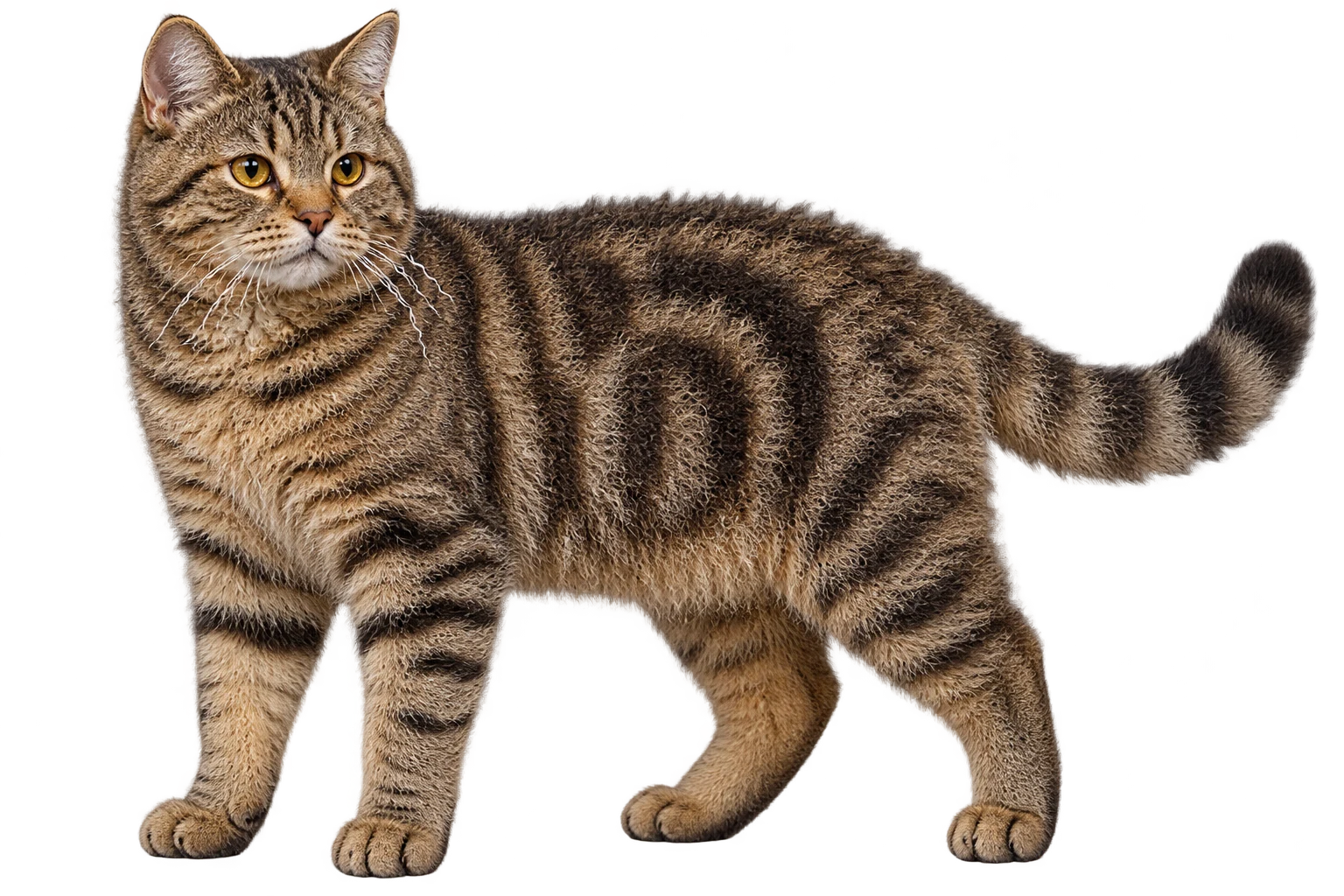
Mammals
American Wirehair
Felis catus
Classification and source reference
LivingAI illustration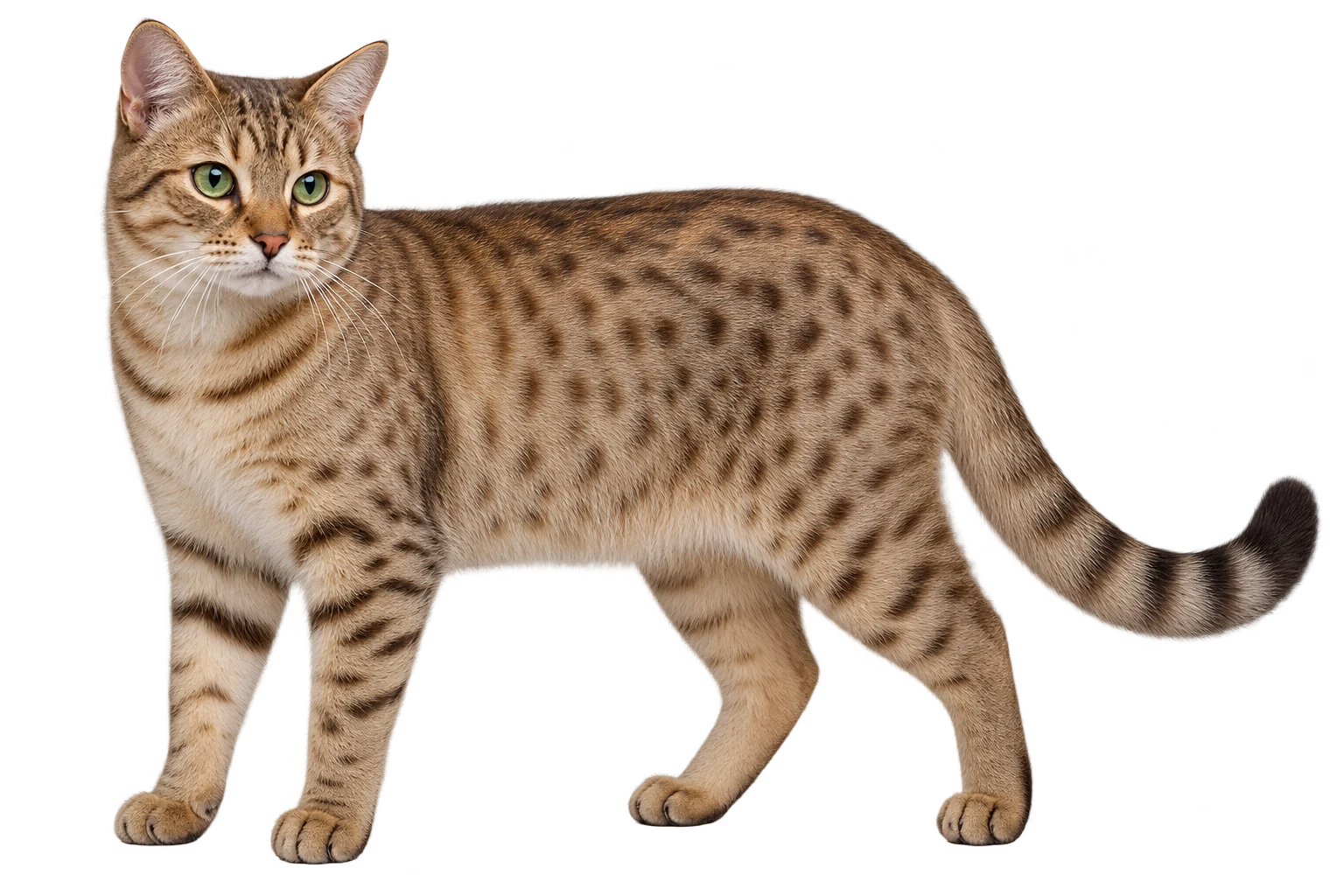
Mammals
Australian Mist
Felis catus
Classification and source reference
LivingAI illustration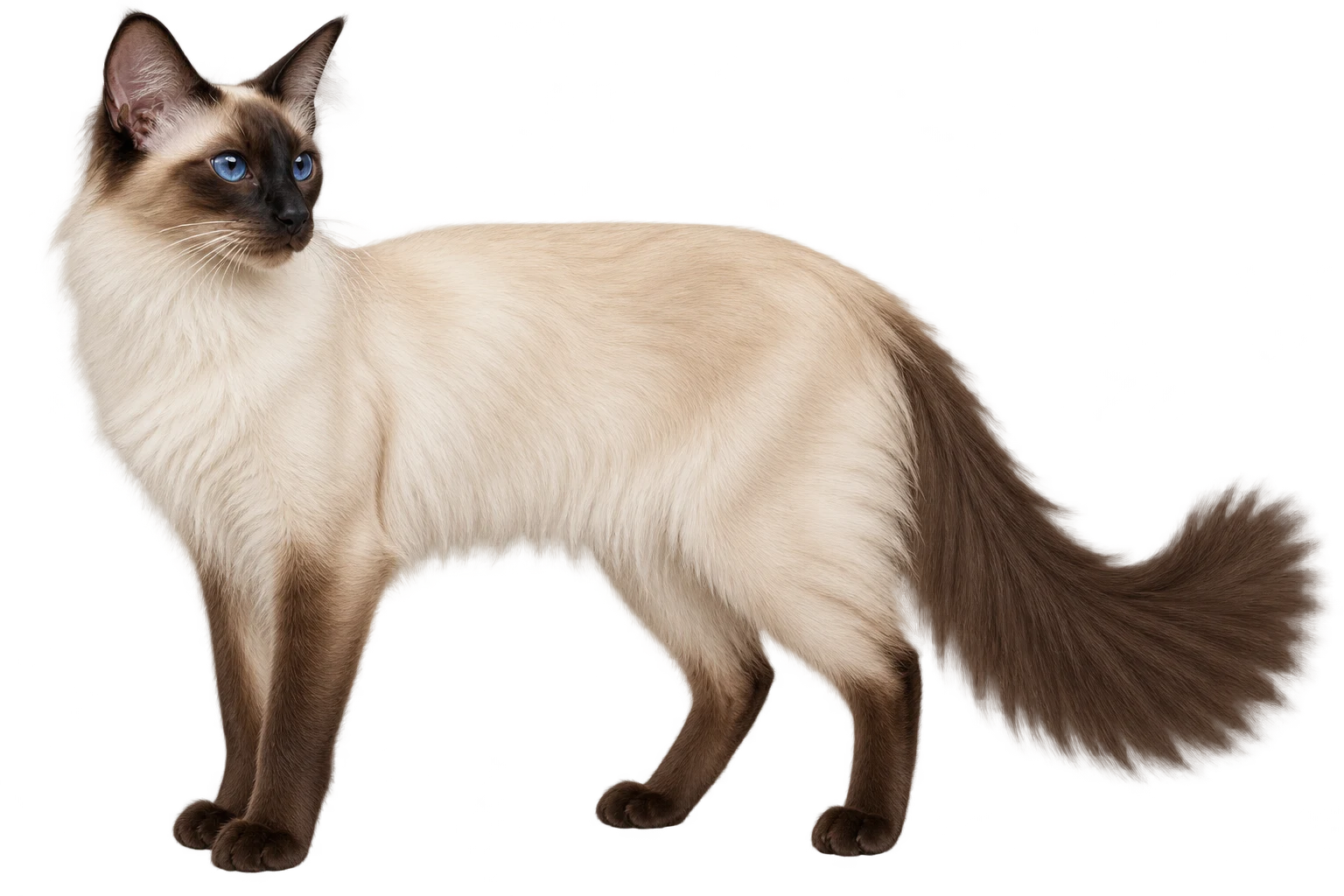
Mammals
Balinese
Felis catus
Classification and source reference
LivingAI illustration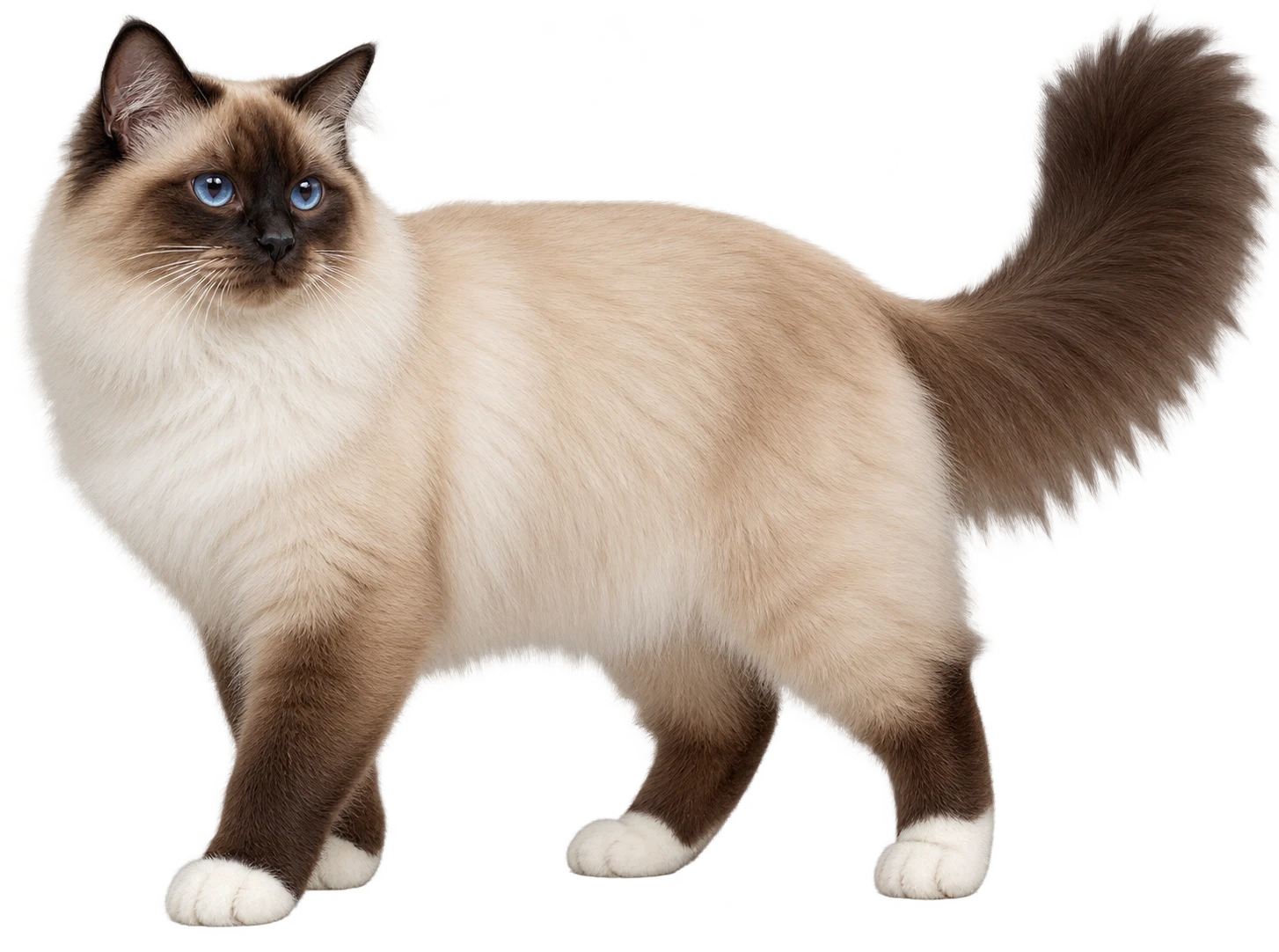
Mammals
Birman
Felis catus
Classification and source reference
LivingAI illustration