Water strider
Gerridae
Living individuals or members of this group exist today. This does not mean they are safe from extinction.
Water striders are insects that use the water surface as a hunting platform. This account follows Aquarius remigis, as described in the Missouri field guide.
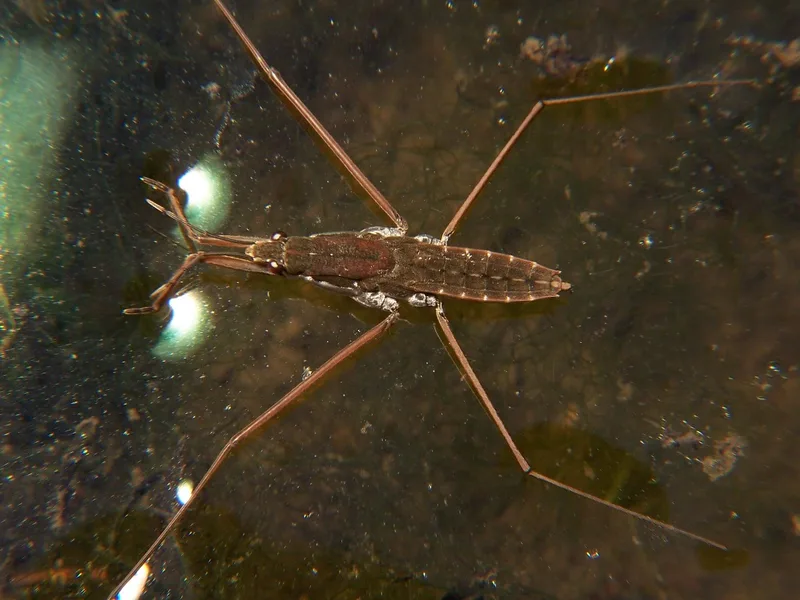
Aquarius remigis, the representative described in this account.
At a glance
- Location
- Aquarius remigis uses streams, ponds and other freshwater habitats.
- Habitat
- Rivers and lakes, Wetlands
- Diet
- Insectivore
- Food
- Insects trapped at the surface provide prey, and dead animals may also be scavenged.
Classification
- Common name
- Water strider
- Browse group
- Insects
- Scientific name or taxon
- Gerridae
- Taxon rank
- family
- Order
- Hemiptera
- Family
- Gerridae
- Source classification
- Insecta
Taxonomy checked against GBIF. For breeds and hybrids, this describes the listed parent taxon.
Three things to know
- Water-repellent hairs support it.
- Ripples help reveal prey.
- It is an insect with six legs.
Habitat and range
Aquarius remigis uses streams, ponds and other freshwater habitats. Calm or sheltered surface patches provide places to move and detect food; the cited account describes its Missouri occurrence.
Appearance and adaptations
Water-repellent hairs cover the long legs and help support the insect on the surface film. The body is elongated, and piercing mouthparts form a narrow feeding tube.
Diet and behaviour
Insects trapped at the surface provide prey, and dead animals may also be scavenged. Ripples help the strider locate struggling food, which it pierces before taking up the contents.
Sources
- Missouri Department of Conservation: Water striders
- GBIF: Water strider · Directory entry
Explore insects
Browse all insects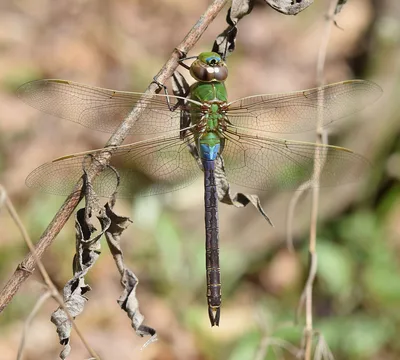
Insects
Dragonfly
Odonata
Dragonflies hunt both underwater and in the air.
Living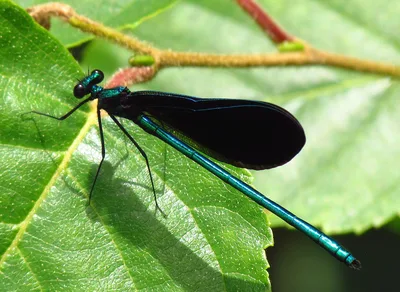
Insects
Damselfly
Zygoptera
Damselflies link freshwater development with an aerial adult stage.
Living
Insects
Horsefly
Tabanidae
Horseflies include many species.
Living
Insects
Mosquito
Culicidae
Mosquitoes have different feeding and breeding habits.
Living