Dragonfly
Odonata
Living individuals or members of this group exist today. This does not mean they are safe from extinction.
Dragonflies hunt both underwater and in the air. This account follows the common green darner (Anax junius), a strong-flying species familiar across North America.
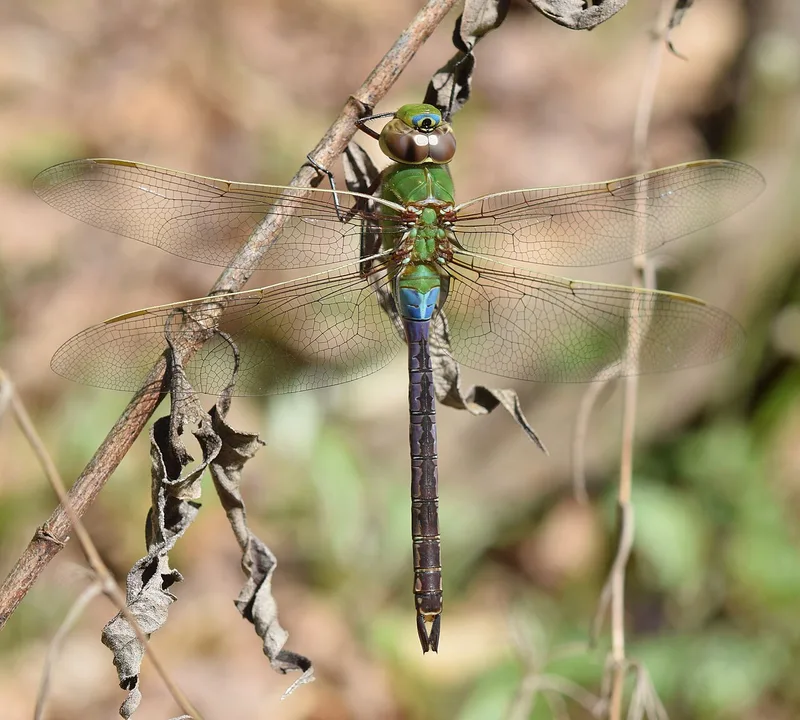
Anax junius, the representative described in this account.
At a glance
- Location
- Juveniles grow in ponds, lakes and slow streams.
- Habitat
- Rivers and lakes, Wetlands, Grassland
- Diet
- Carnivore
- Food
- Adults catch insects in flight.
Classification
- Common name
- Dragonfly
- Browse group
- Insects
- Scientific name or taxon
- Odonata
- Taxon rank
- order
- Order
- Odonata
- Source classification
- Insecta
Taxonomy checked against GBIF. For breeds and hybrids, this describes the listed parent taxon.
Three things to know
- Juveniles develop in freshwater.
- Adults catch airborne insects.
- Some populations migrate.
Habitat and range
Juveniles grow in ponds, lakes and slow streams. Adults forage over open land and near water; some populations travel long distances seasonally.
Appearance and adaptations
A green thorax supports four independently moving wings. Large eyes help the adult track prey, while aquatic juveniles possess an extendable lower lip for grabbing food.
Diet and behaviour
Adults catch insects in flight. Juveniles eat aquatic invertebrates and sometimes small vertebrates. The life cycle connects freshwater development with a mobile adult phase on land and in the air.
Sources
- Animal Diversity Web: Anax junius
- A–Z Animals: Dragonfly · Directory entry
Explore insects
Browse all insects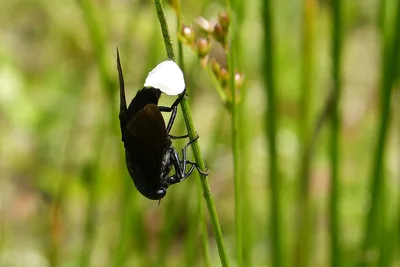
Insects
Horsefly
Tabanidae
Horseflies include many species.
Living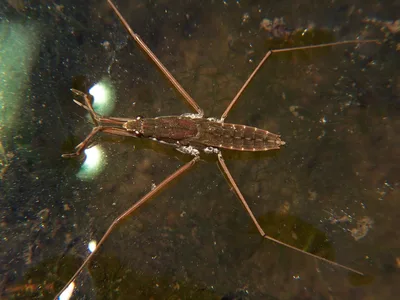
Insects
Water strider
Gerridae
Water striders are insects that use the water surface as a hunting platform.
Living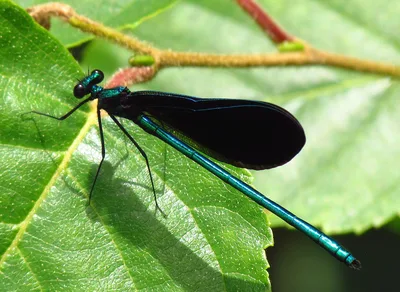
Insects
Damselfly
Zygoptera
Damselflies link freshwater development with an aerial adult stage.
Living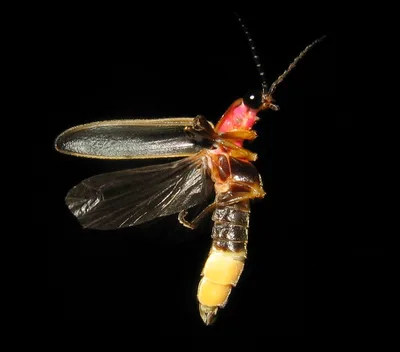
Insects
Firefly
Lampyridae
Fireflies are light-producing beetles.
Living