Mosquito
Culicidae
Living individuals or members of this group exist today. This does not mean they are safe from extinction.
Mosquitoes have different feeding and breeding habits. This account follows the yellow fever mosquito (Aedes aegypti), a container-breeding species widespread in warm regions.
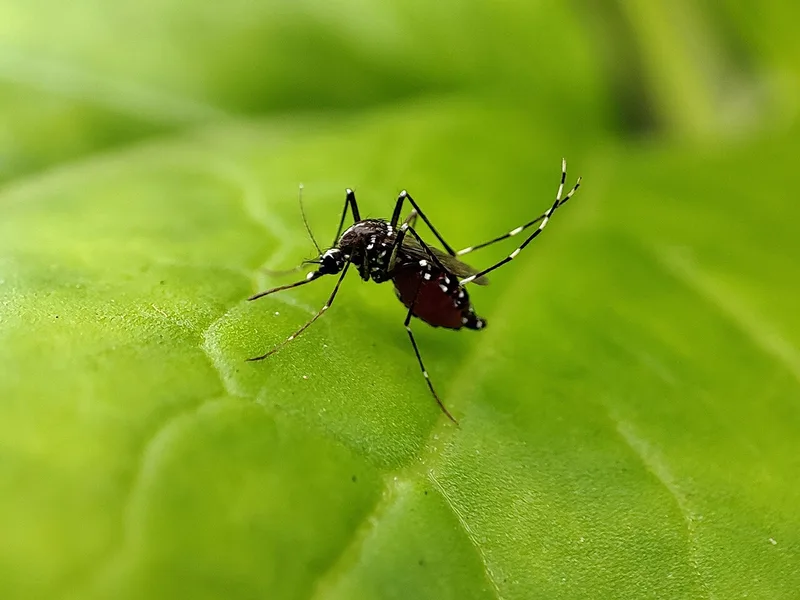
Aedes aegypti, the representative described in this account.
At a glance
- Location
- This mosquito uses water-holding containers and other small freshwater sites near people.
- Habitat
- Towns and cities, Wetlands
- Diet
- Omnivore
- Food
- Both sexes use plant sugars, while females also take blood to support egg production.
Classification
- Common name
- Mosquito
- Browse group
- Insects
- Scientific name or taxon
- Culicidae
- Taxon rank
- family
- Order
- Diptera
- Family
- Culicidae
- Source classification
- Insecta
Taxonomy checked against GBIF. For breeds and hybrids, this describes the listed parent taxon.
Three things to know
- Adults have white leg bands.
- Juveniles develop in water.
- Females take blood meals for egg production.
Habitat and range
This mosquito uses water-holding containers and other small freshwater sites near people. Its original African range has been greatly extended through human transport.
Appearance and adaptations
Dark adults carry white leg bands and a pale lyre-shaped pattern on the thorax. Larvae are aquatic and look very different from the winged adult.
Diet and behaviour
Both sexes use plant sugars, while females also take blood to support egg production. Larvae feed on small organic particles and microorganisms in the water.
Sources
- University of Florida: Yellow fever mosquito
- A–Z Animals: Mosquito · Directory entry
Explore insects
Browse all insects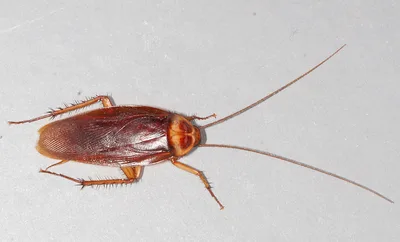
Insects
Cockroach
Blattodea
Cockroaches occupy many environments.
Living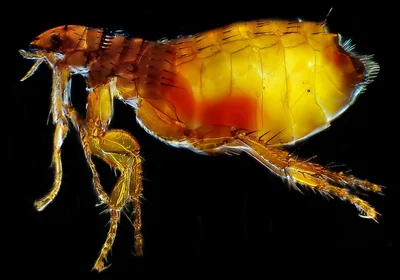
Insects
Flea
Siphonaptera
Fleas are wingless parasitic insects.
Living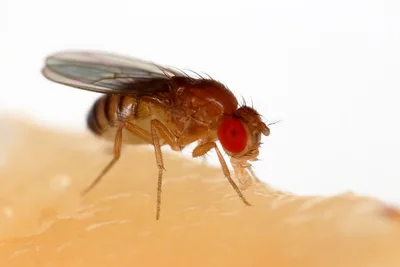
Insects
Fruit Fly
Drosophila melanogaster
The common fruit fly is a small, widely transported insect associated with fermenting fruit.
Living
Insects
Housefly
Musca domestica
The housefly is a widespread insect closely associated with people.
Living