Flea
Siphonaptera
Living individuals or members of this group exist today. This does not mean they are safe from extinction.
Fleas are wingless parasitic insects. This account follows the cat flea (Ctenocephalides felis), a widespread species that can use several mammal hosts.
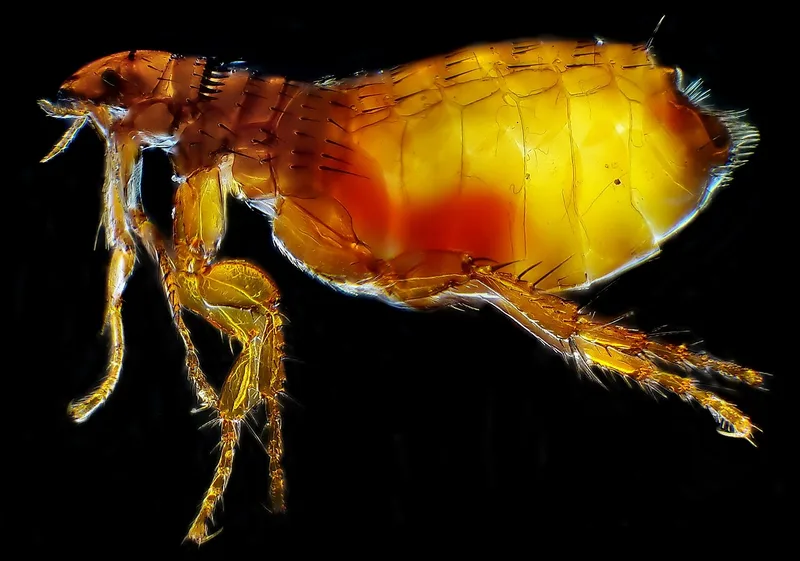
Magnified photograph of Ctenocephalides felis, the representative described here.
At a glance
- Location
- Cat fleas occur wherever suitable hosts and conditions support their life cycle.
- Habitat
- Towns and cities
- Diet
- Carnivore
- Food
- Adults obtain blood by piercing a host's skin.
Classification
- Common name
- Flea
- Browse group
- Insects
- Scientific name or taxon
- Siphonaptera
- Source classification
- Insecta
Three things to know
- Adults lack wings.
- The body is compressed sideways.
- Adults feed on mammal blood.
Habitat and range
Cat fleas occur wherever suitable hosts and conditions support their life cycle. Adults use cats and other mammals, while immature stages develop around host bedding and resting places.
Appearance and adaptations
The reddish-brown body is compressed from side to side. Strong hind legs support jumping, and backward-pointing structures help the flea remain among a host's hairs.
Diet and behaviour
Adults obtain blood by piercing a host's skin. Developing stages depend on the host's surrounding environment, so an infestation involves both the animal and the places where it rests.
Sources
- Animal Diversity Web: Ctenocephalides felis
- A–Z Animals: Flea · Directory entry
Explore insects
Browse all insects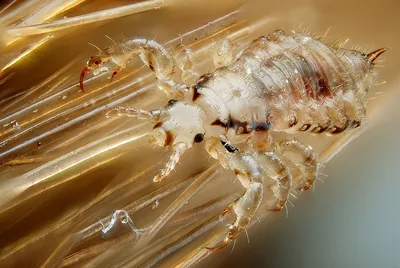
Insects
Louse
Phthiraptera
Lice are small parasitic insects.
Living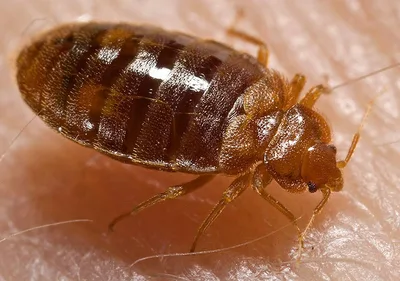
Insects
Bed Bugs
Cimex lectularius
The common bed bug is a small wingless insect that hides in sheltered cracks near sleeping hosts.
Living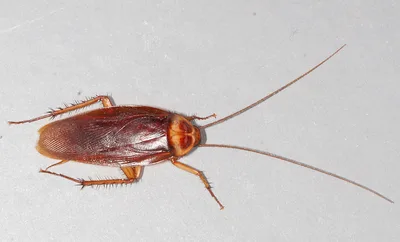
Insects
Cockroach
Blattodea
Cockroaches occupy many environments.
Living
Insects
Fruit Fly
Drosophila melanogaster
The common fruit fly is a small, widely transported insect associated with fermenting fruit.
Living