Stork
Ciconiidae
Living individuals or members of this group exist today. This does not mean they are safe from extinction.
Storks are large long-legged birds. This account describes the white stork (Ciconia ciconia), a soaring migrant that hunts small animals in open landscapes.
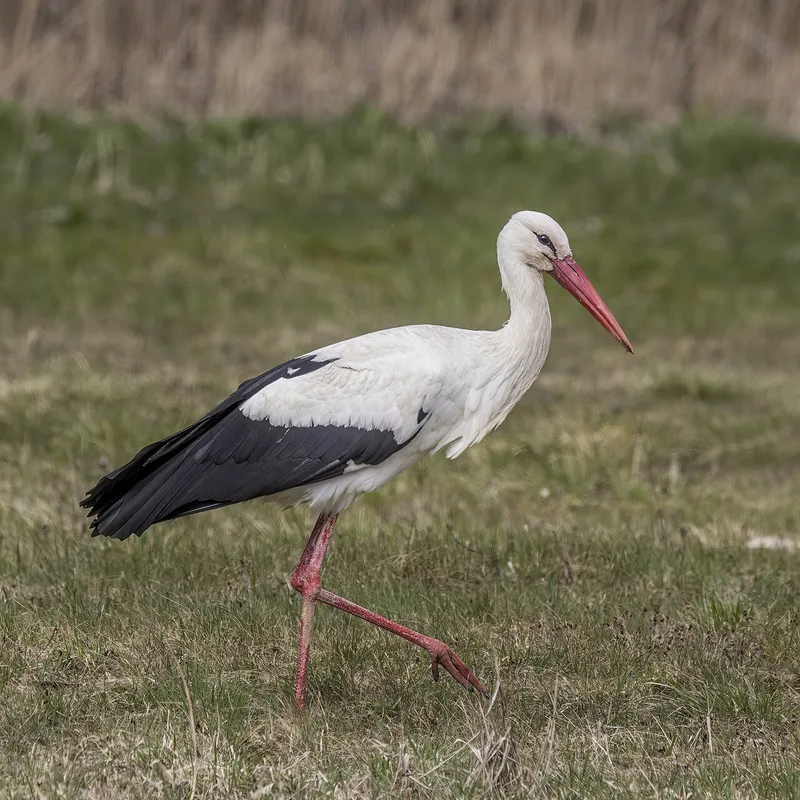
Representative species: Ciconia ciconia.
At a glance
- Habitat
- Wetlands, Grassland, Savanna
- Diet
- Carnivore
- Food
- Insects, worms and small vertebrates.
Classification
- Common name
- Stork
- Browse group
- Birds
- Scientific name or taxon
- Ciconiidae
- Taxon rank
- family
- Order
- Ciconiiformes
- Family
- Ciconiidae
- Source classification
- Aves
Taxonomy checked against GBIF. For breeds and hybrids, this describes the listed parent taxon.
Three things to know
- It soars to save energy on long journeys.
- Nests can be built on rooftops.
- The diet includes many kinds of small animals.
Habitat and range
White storks breed across parts of Europe, North Africa and western Asia. Many winter in Africa or southern Asia. Wetlands, meadows, pastures and fields provide open feeding habitat.
Appearance and adaptations
White plumage contrasts with black flight feathers. Long reddish legs and a pointed bill give adults their familiar outline; young birds have duller bare parts.
Diet and behaviour
Insects, worms, amphibians, small mammals and other prey are taken while walking. Birds soar on rising air during longer journeys. Large nests may be built on trees, rooftops or other elevated structures.
Sources
- Animal Diversity Web: Ciconia ciconia
- A–Z Animals: Stork · Directory entry
Explore birds
Browse all birds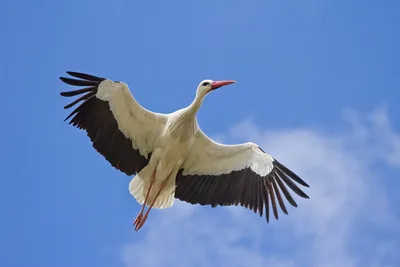 LC
Birds
White stork
Ciconia ciconia
The white stork is a large white bird with black wings, a red bill and long red legs.
Living LC
Birds
Barn swallow
Hirundo rustica
The barn swallow is the most widespread swallow on earth, with a steel blue back and a deeply forked tail.
Living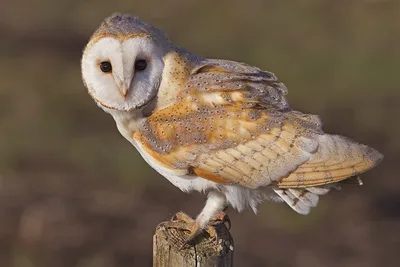
Birds
Barn Owl
Tyto alba
The barn owl is a pale nocturnal hunter with a heart-shaped face.
Living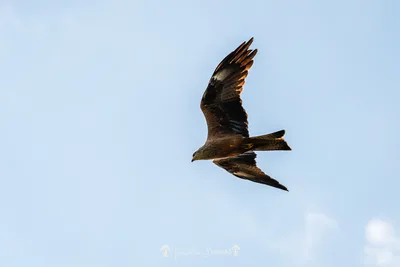 LC
Birds
Black kite
Milvus migrans
The black kite is a medium-sized raptor with angled wings and a forked tail.
Living