Stag Beetle
Lucanidae
Living individuals or members of this group exist today. This does not mean they are safe from extinction.
Stag beetles are named for the enlarged jaws of many males. This account follows the European stag beetle (Lucanus cervus), whose larvae depend on decaying wood.
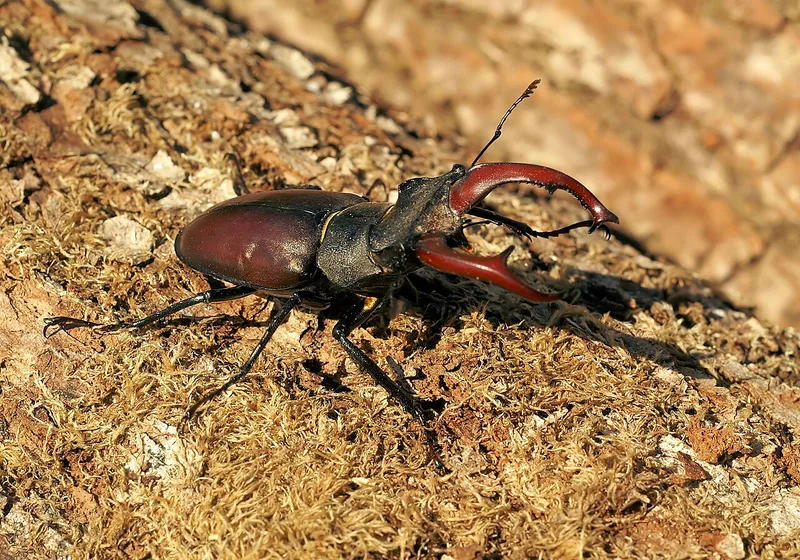
Lucanus cervus, the representative described in this account.
At a glance
- Location
- European stag beetles occupy woodland edges, old orchards, parks and gardens.
- Habitat
- Temperate forest, Towns and cities
- Diet
- Detritivore
- Food
- Larvae feed on decaying wood for much of their lives.
Classification
- Common name
- Stag Beetle
- Browse group
- Insects
- Scientific name or taxon
- Lucanidae
- Taxon rank
- family
- Order
- Coleoptera
- Family
- Lucanidae
- Source classification
- Insecta
Taxonomy checked against GBIF. For breeds and hybrids, this describes the listed parent taxon.
Three things to know
- Males have antlerlike jaws.
- Larvae feed on decaying wood.
- Adults can drink sap or fruit liquids.
Habitat and range
European stag beetles occupy woodland edges, old orchards, parks and gardens. Suitable rotting wood below or near the soil is essential for larval development.
Appearance and adaptations
Males have conspicuous antlerlike jaws used in contests with other males. Females have much smaller jaws, and both sexes carry dark heads and chestnut-brown wing covers.
Diet and behaviour
Larvae feed on decaying wood for much of their lives. Adults rely heavily on reserves accumulated as larvae and can take liquids from sap or soft fruit.
Sources
Explore insects
Browse all insects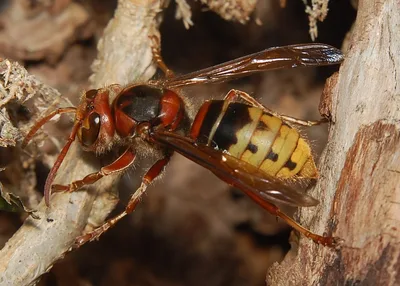
Insects
Hornet
Vespa
Hornets are large social wasps.
Living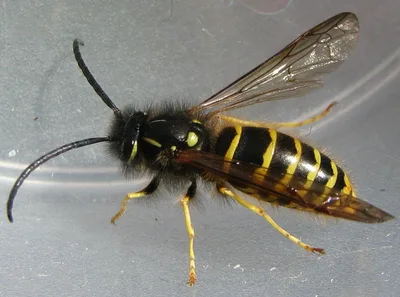
Insects
Wasp
Hymenoptera
Wasps include solitary and social hunters.
Living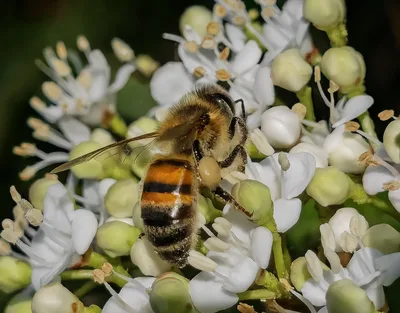 DD
Insects
Western honey bee
Apis mellifera
The western honey bee lives in colonies of tens of thousands and turns nectar into honey.
Living
Insects
Ant
Formicidae
Ants have many different colony structures and diets.
Living