Wasp
Hymenoptera
Living individuals or members of this group exist today. This does not mean they are safe from extinction.
Wasps include solitary and social hunters. This account follows the common wasp (Vespula vulgaris), a familiar social species of temperate Eurasian habitats.
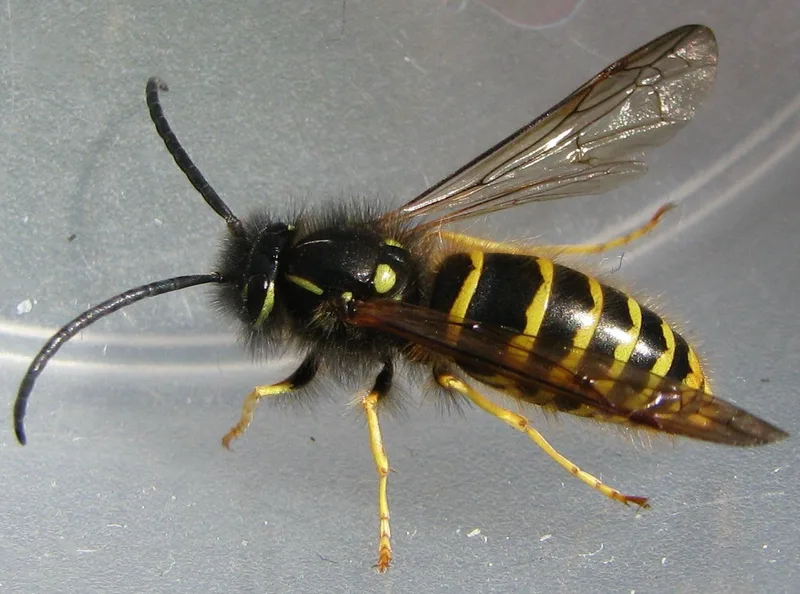
Vespula vulgaris, the representative described in this account.
At a glance
- Location
- Common wasps use varied temperate habitats.
- Habitat
- Temperate forest, Towns and cities
- Diet
- Omnivore
- Food
- Workers capture insects and spiders to feed the larvae, while adults also use sugary liquids.
Classification
- Common name
- Wasp
- Browse group
- Insects
- Scientific name or taxon
- Hymenoptera
- Taxon rank
- order
- Order
- Hymenoptera
- Source classification
- Insecta
Taxonomy checked against GBIF. For breeds and hybrids, this describes the listed parent taxon.
Three things to know
- It is a social wasp.
- Wood fibres form the nest.
- Workers bring animal prey to larvae.
Habitat and range
Common wasps use varied temperate habitats. Colonies often nest underground, but sheltered spaces in buildings can also hold nests. This account focuses on the Eurasian species described by the source.
Appearance and adaptations
Black-and-yellow adults have a narrow waist and two pairs of wings. The paperlike nest is built from chewed wood fibres and contains cells for developing young.
Diet and behaviour
Workers capture insects and spiders to feed the larvae, while adults also use sugary liquids. A colony divides reproduction, nest building and food gathering between the queen and workers.
Sources
Explore insects
Browse all insects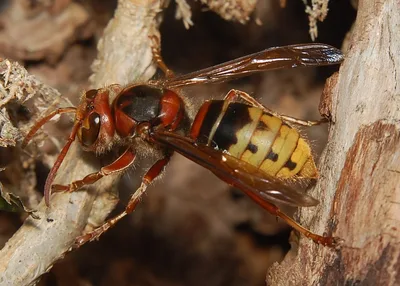
Insects
Hornet
Vespa
Hornets are large social wasps.
Living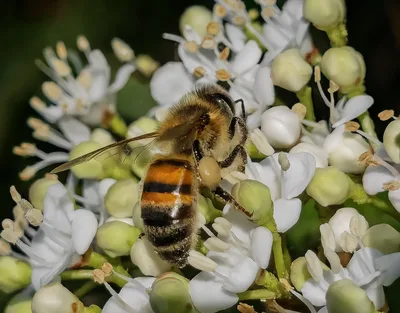 DD
Insects
Western honey bee
Apis mellifera
The western honey bee lives in colonies of tens of thousands and turns nectar into honey.
Living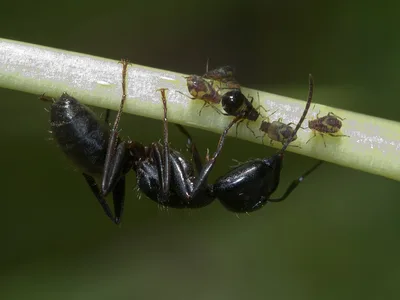
Insects
Ant
Formicidae
Ants have many different colony structures and diets.
Living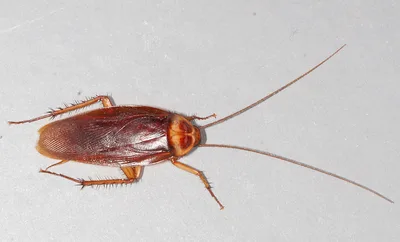
Insects
Cockroach
Blattodea
Cockroaches occupy many environments.
Living