Seagull
Laridae
Living individuals or members of this group exist today. This does not mean they are safe from extinction.
Seagull is a broad everyday name rather than one species. This account describes the great black-backed gull (Larus marinus), a large North Atlantic predator and scavenger.
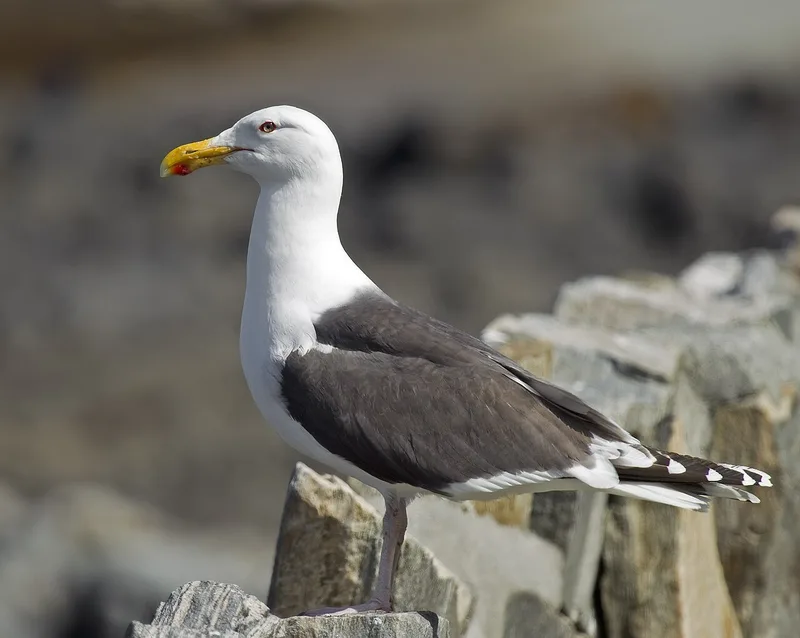
Representative species: Larus marinus.
At a glance
- Habitat
- Coast
- Diet
- Omnivore
- Food
- A broad variety of animal foods and scavenged material.
Classification
- Common name
- Seagull
- Browse group
- Birds
- Scientific name or taxon
- Laridae
- Taxon rank
- family
- Order
- Charadriiformes
- Family
- Laridae
- Source classification
- Aves
Taxonomy checked against GBIF. For breeds and hybrids, this describes the listed parent taxon.
Three things to know
- It is among the largest gulls.
- Young birds are mottled rather than black-backed.
- It hunts, scavenges and steals food.
Habitat and range
Great black-backed gulls breed along eastern North America and northern and western Europe. Rocky islands, beaches, estuaries and other coastal habitats provide nesting and feeding places.
Appearance and adaptations
Adults have a white body, dark upperwings and back, and a heavy bill. Young birds begin mottled brown and white and acquire the adult appearance gradually.
Diet and behaviour
Fish, other birds, invertebrates and scavenged food all enter the diet. These gulls also steal food from other animals. Often widely spaced, individuals can gather around rich food supplies or at breeding sites.
Sources
- Animal Diversity Web: Larus marinus
- A–Z Animals: Seagull · Directory entry
Explore birds
Browse all birds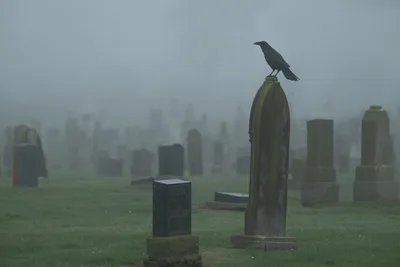 LC
Birds
Common raven
Corvus corax
The common raven is a large black crow that lives right across the northern half of the world.
Living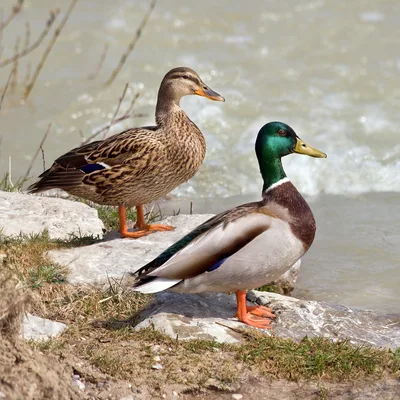
Birds
Duck
Anatidae
Ducks are waterbirds with many different feeding habits.
Living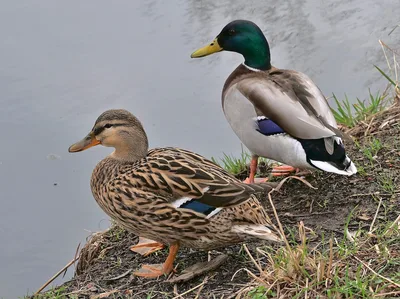 LC
Birds
Mallard
Anas platyrhynchos
The mallard is the green-headed dabbling duck of ponds, rivers and city parks across the northern world.
Living LC
Birds
American crow
Corvus brachyrhynchos
The American crow is a large all-black bird of farms, woods and city streets across North America.
Living