Duck
Anatidae
Living individuals or members of this group exist today. This does not mean they are safe from extinction.
Ducks are waterbirds with many different feeding habits. This account describes the mallard (Anas platyrhynchos), a familiar dabbling duck of ponds, marshes and other shallow waters.
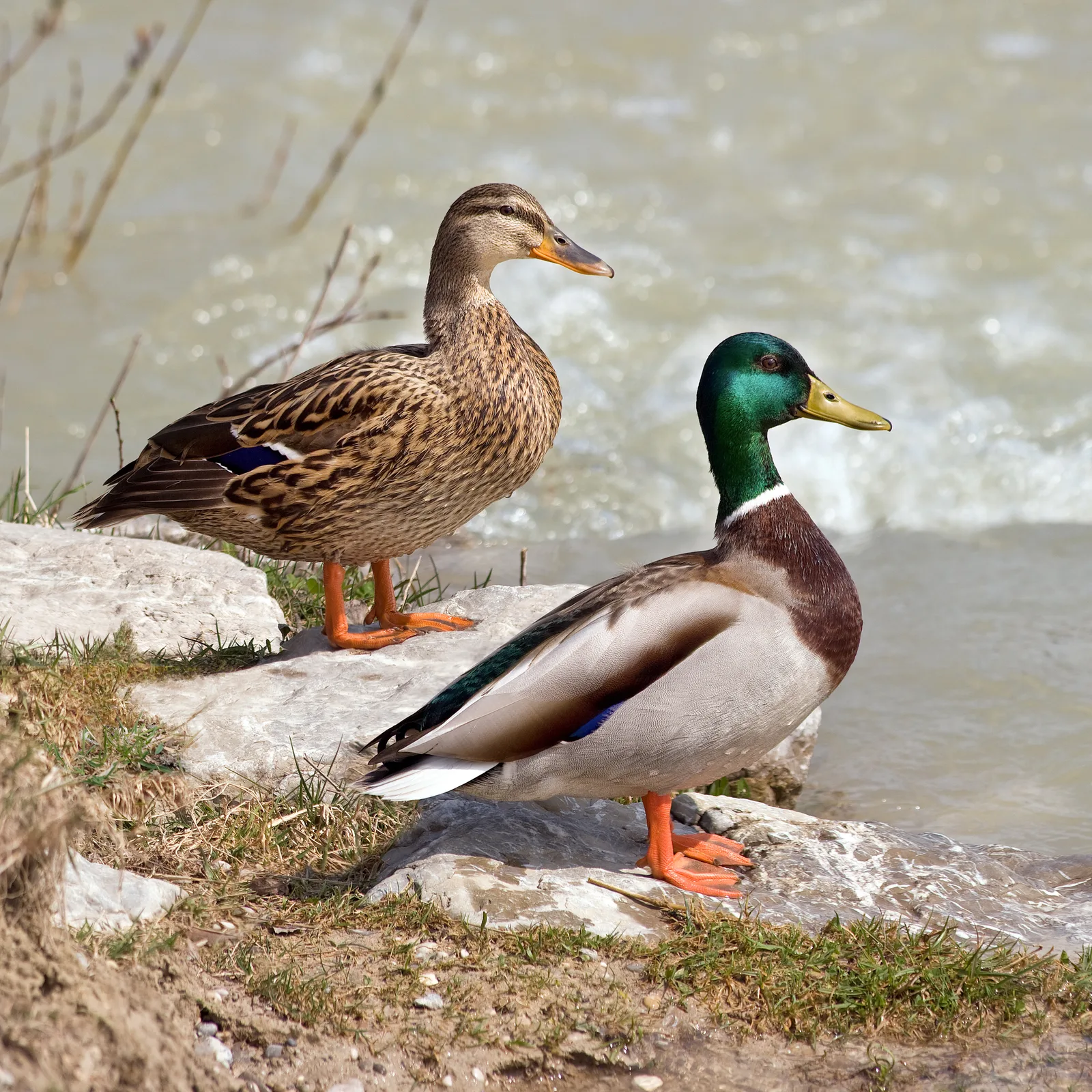
Representative species: Anas platyrhynchos.
This picture was realized by Richard Bartz by using a Canon EF 70-300mm f/4-5.6 IS USM Lens · CC BY-SA
At a glance
- Habitat
- Wetlands, Rivers and lakes, Coast
- Diet
- Omnivore
- Food
- Plants, seeds and small invertebrates.
Classification
- Common name
- Duck
- Browse group
- Birds
- Scientific name or taxon
- Anatidae
- Taxon rank
- family
- Order
- Anseriformes
- Family
- Anatidae
- Source classification
- Aves
Taxonomy checked against GBIF. For breeds and hybrids, this describes the listed parent taxon.
Three things to know
- Both sexes have a blue wing panel.
- Some populations migrate while others remain resident.
- Females give the familiar quacking call.
Habitat and range
Mallards are widespread across the Northern Hemisphere, with introduced populations elsewhere. They favour productive wetlands with aquatic plants and invertebrates and also use farmland and urban ponds.
Appearance and adaptations
A breeding male has a glossy green head and curled tail feathers. Females are mottled brown. Both sexes show a blue wing panel bordered by pale feathers.
Diet and behaviour
Mallards eat aquatic vegetation, seeds and small animals, including insects and snails. Many migrate after breeding, while others remain where winter food and open water are available. Females give the familiar loud quacking call.
Sources
- Animal Diversity Web: Anas platyrhynchos
- A–Z Animals: Duck · Directory entry
Explore birds
Browse all birds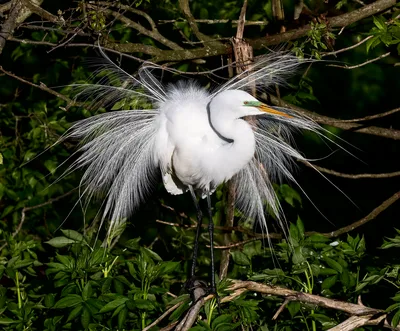
Birds
Egret
Ardeidae
Egrets are herons known for pale plumage in several species.
Living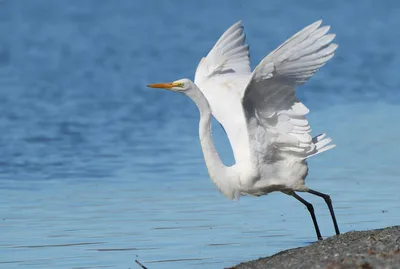 LC
Birds
Great egret
Ardea alba
The great egret is a tall white heron that hunts fish in shallow water on six continents.
Living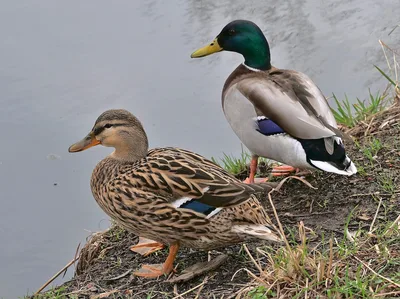 LC
Birds
Mallard
Anas platyrhynchos
The mallard is the green-headed dabbling duck of ponds, rivers and city parks across the northern world.
Living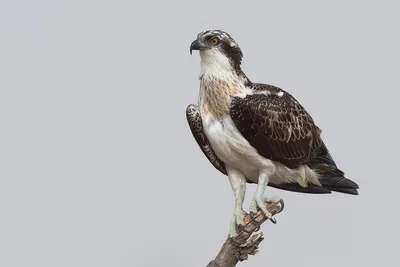 LC
Birds
Osprey
Pandion haliaetus
The osprey is a large brown and white raptor that lives on fish and hunts by plunging feet first into water.
Living