Sea Anemone
Actiniaria
Living individuals or members of this group exist today. This does not mean they are safe from extinction.
Sea anemones are tentacled cnidarians. This account describes the giant green anemone (Anthopleura xanthogrammica), a familiar animal of northeastern Pacific rocky shores.
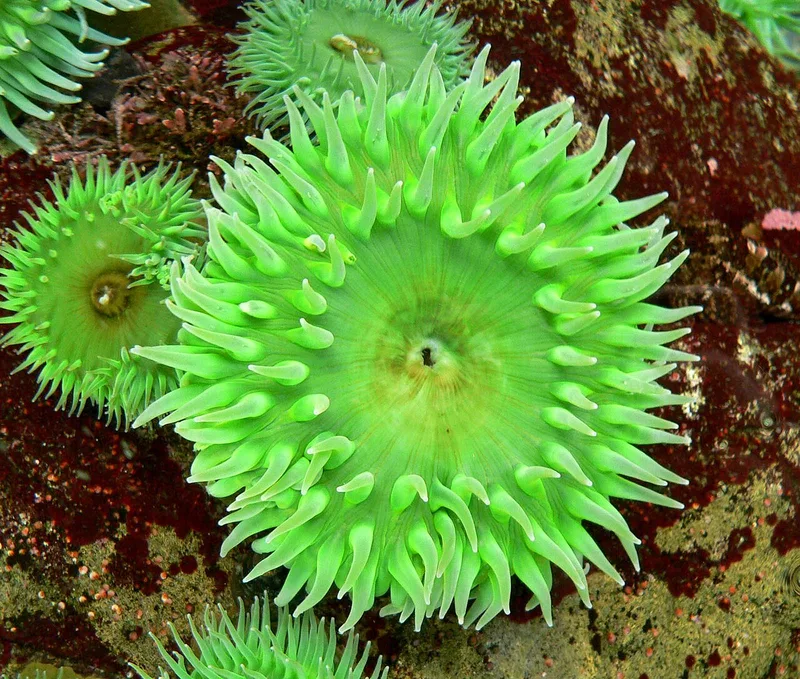
Anthopleura xanthogrammica, the representative described in this account.
At a glance
- Location
- Giant green anemones attach to firm surfaces in tide pools and shallow water along western North America.
- Habitat
- Coast
- Diet
- Carnivore
- Food
- Mussels, crabs, small fish and other animals can be caught by the tentacles and moved to the mouth.
Classification
- Common name
- Sea Anemone
- Browse group
- Corals and anemones
- Scientific name or taxon
- Actiniaria
- Taxon rank
- order
- Order
- Actiniaria
- Source classification
- Anthozoa
Taxonomy checked against GBIF. For breeds and hybrids, this describes the listed parent taxon.
Three things to know
- Its mouth is surrounded by tentacles.
- Stinging cells help capture prey.
- Adults attach to firm surfaces.
Habitat and range
Giant green anemones attach to firm surfaces in tide pools and shallow water along western North America. Wave-washed rocky habitats provide attachment and access to food.
Appearance and adaptations
A cylindrical column supports a ring of tentacles around the mouth. Stinging cells help capture prey, while the green appearance is influenced by symbiotic organisms in the tissues.
Diet and behaviour
Mussels, crabs, small fish and other animals can be caught by the tentacles and moved to the mouth. Attached adults generally move very little.
Sources
- Animal Diversity Web: Anthopleura xanthogrammica
- A–Z Animals: Sea Anemone · Directory entry
Explore corals and anemones
Browse all corals and anemones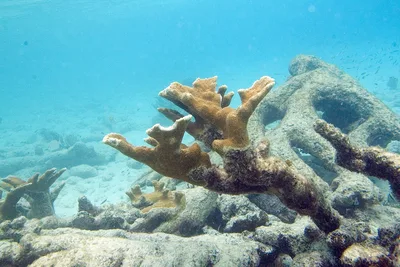
Corals and anemones
Coral
Anthozoa
Corals include many colonial animals.
Living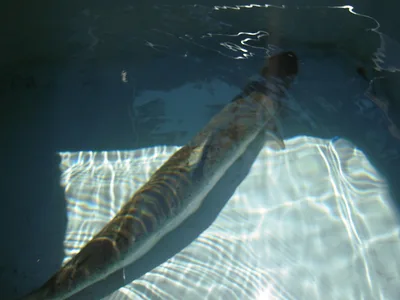 NT
Fish
Atlantic salmon
Salmo salar
The Atlantic salmon hatches in a river, grows up at sea, and returns to the same river to spawn.
Living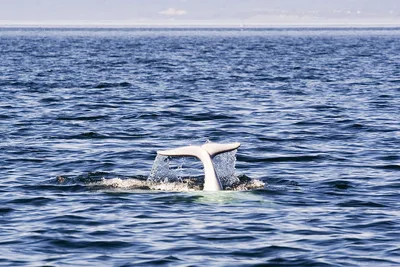 LC
Mammals
Beluga whale
Delphinapterus leucas
The beluga whale is a white toothed whale of Arctic and sub-Arctic seas.
Living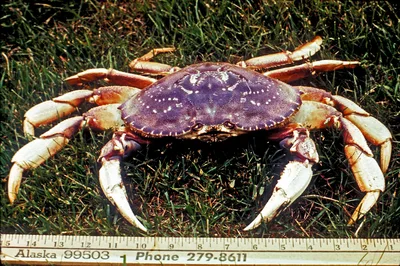
Crustaceans
Dungeness Crab
Metacarcinus magister
The Dungeness crab inhabits the Pacific coast of North America.
Living