Dungeness Crab
Metacarcinus magister
Living individuals or members of this group exist today. This does not mean they are safe from extinction.
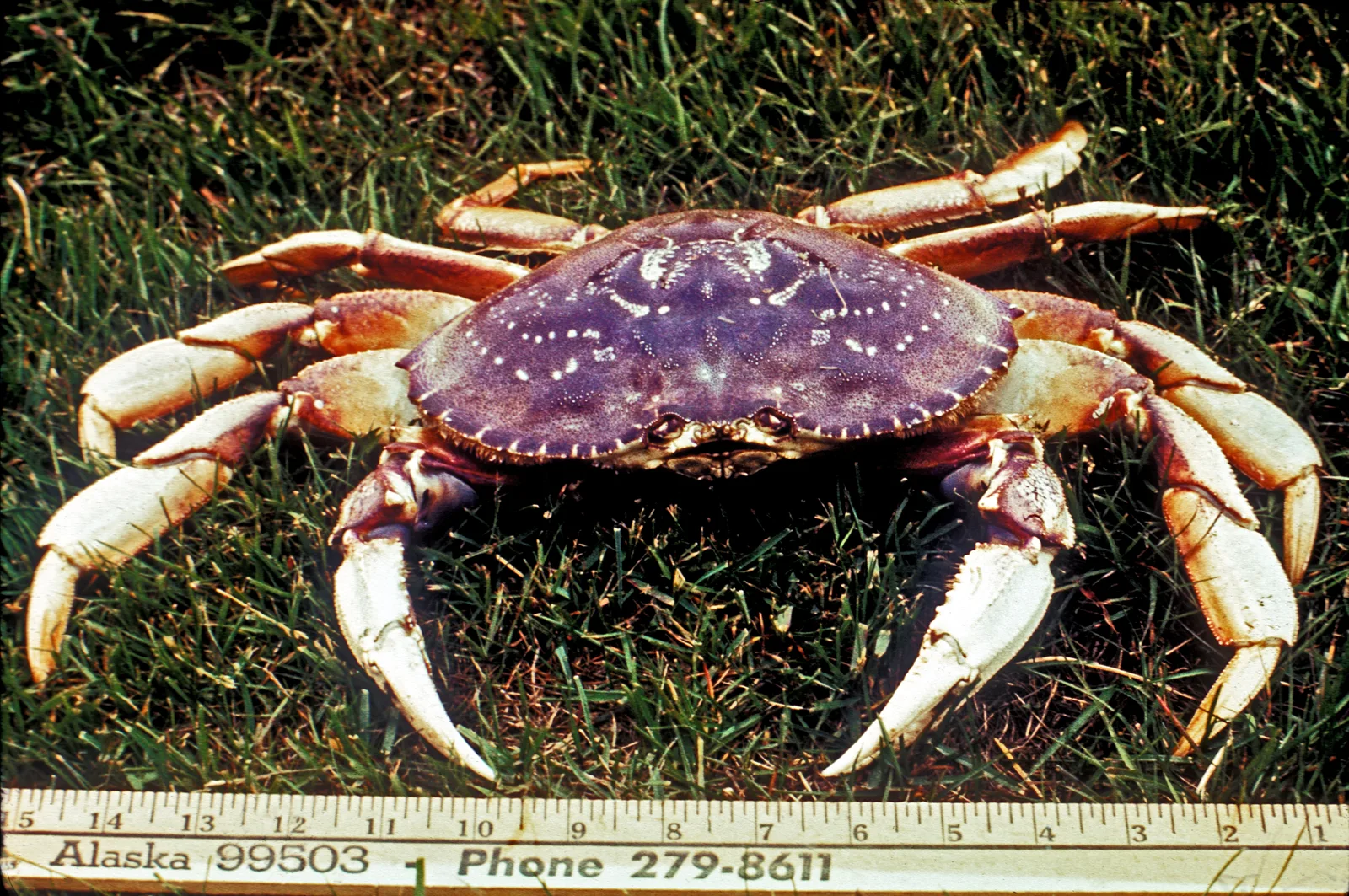
The Dungeness crab inhabits the Pacific coast of North America. It searches soft seabeds for shellfish and often buries itself during daylight.
At a glance
- Location
- Pacific North American coastal waters, especially sandy bottoms and eelgrass habitat.
- Habitat
- Coast
- Diet
- Carnivore
- Food
- Clams, other crustaceans and fish.
Classification
- Common name
- Dungeness Crab
- Browse group
- Crustaceans
- Scientific name or taxon
- Metacarcinus magister
- Taxon rank
- species
- Order
- Decapoda
- Family
- Cancridae
- Genus
- Metacarcinus
- Source classification
- Malacostraca
Taxonomy checked against GBIF. For breeds and hybrids, this describes the listed parent taxon.
Three things to know
- The claw tips are white.
- It can bury itself in the seabed.
- Clams form an important part of its diet.
Habitat and range
Pacific North American coastal waters, especially sandy bottoms and eelgrass habitat.
Appearance and adaptations
White claw tips contrast with the purple-brown shell. The broad carapace has prominent marginal teeth, including a conspicuous tooth near its widest point.
Diet and behaviour
Clams are an important food, alongside smaller crustaceans and fish. By day, buried individuals may leave only their eyes and antennae above the sediment.
Sources
Explore crustaceans
Browse all crustaceans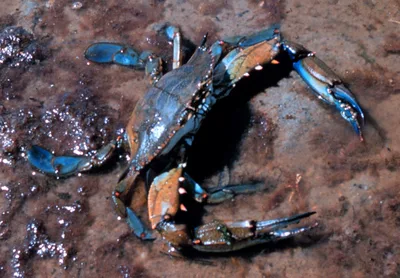
Crustaceans
Crab
Brachyura
True crabs include many forms.
Living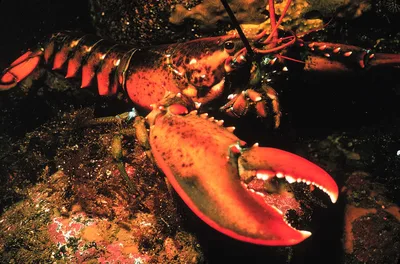
Crustaceans
Lobster
Nephropidae
Clawed lobsters are bottom-dwelling crustaceans.
Living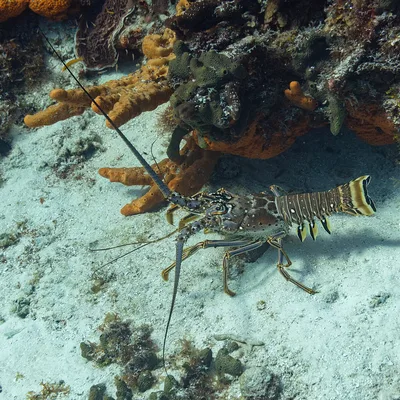
Crustaceans
Spiny lobster
Palinuridae
Spiny lobsters differ from large-clawed lobsters.
Living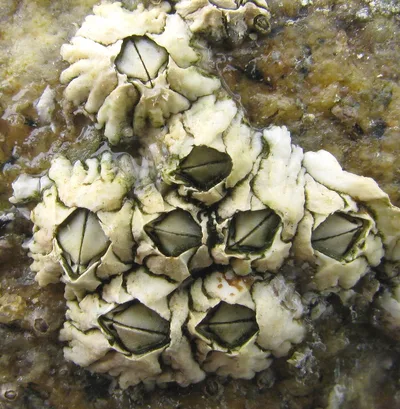
Crustaceans
Barnacle
Cirripedia
Barnacles are crustaceans whose adults are fixed in place.
Living