Lobster
Nephropidae
Living individuals or members of this group exist today. This does not mean they are safe from extinction.
Clawed lobsters are bottom-dwelling crustaceans. This account follows the American lobster (Homarus americanus) of the northwestern Atlantic, which shelters among rocks and crevices.
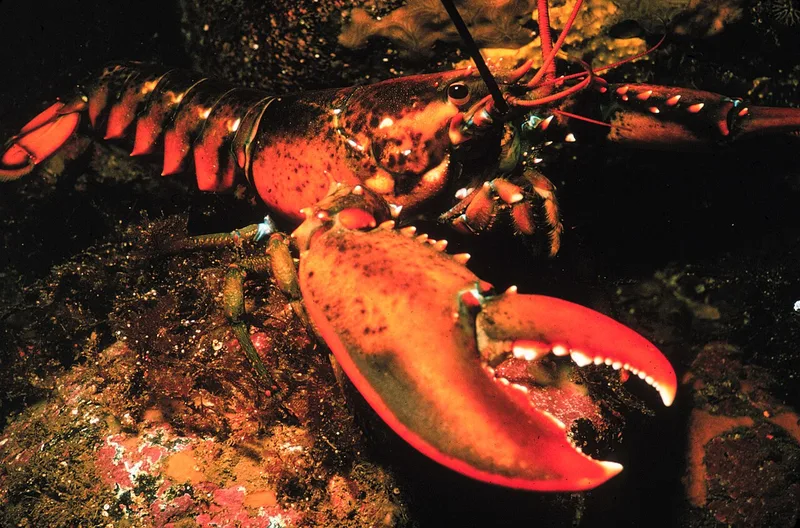
Homarus americanus, the representative described in this account.
At a glance
- Location
- American lobsters occur along the Atlantic coast of North America.
- Habitat
- Coast
- Diet
- Omnivore
- Food
- Molluscs, crustaceans and other animals are important foods, with plant material also eaten.
Classification
- Common name
- Lobster
- Browse group
- Crustaceans
- Scientific name or taxon
- Nephropidae
- Taxon rank
- family
- Order
- Decapoda
- Family
- Nephropidae
- Source classification
- Malacostraca
Taxonomy checked against GBIF. For breeds and hybrids, this describes the listed parent taxon.
Three things to know
- Large claws handle food.
- Live animals are usually not bright red.
- Growth requires molting.
Habitat and range
American lobsters occur along the Atlantic coast of North America. Rocky seabeds provide hiding places, though the animals also use sandy and muddy areas.
Appearance and adaptations
The body is usually brownish or greenish rather than the bright red associated with cooking. Large front claws differ in shape, and long sensory appendages explore the surroundings.
Diet and behaviour
Molluscs, crustaceans and other animals are important foods, with plant material also eaten. Lobsters commonly forage at night and shelter during the day. Molting allows their rigid outer covering to be replaced as they grow.
Sources
- Animal Diversity Web: Homarus americanus
- A–Z Animals: Lobster · Directory entry
Explore crustaceans
Browse all crustaceans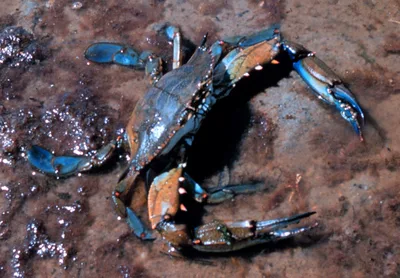
Crustaceans
Crab
Brachyura
True crabs include many forms.
Living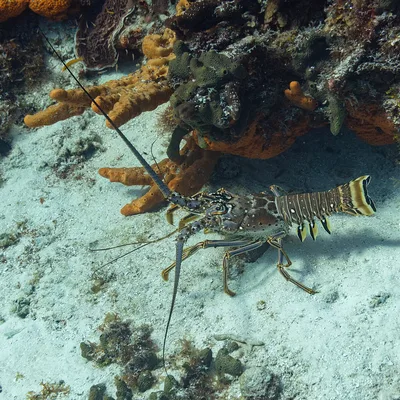
Crustaceans
Spiny lobster
Palinuridae
Spiny lobsters differ from large-clawed lobsters.
Living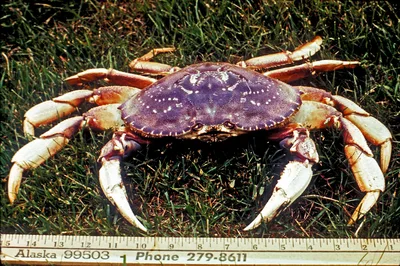
Crustaceans
Dungeness Crab
Metacarcinus magister
The Dungeness crab inhabits the Pacific coast of North America.
Living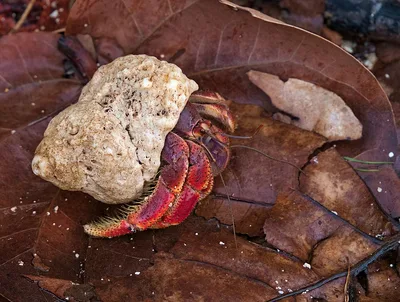
Crustaceans
Hermit Crab
Anomura (hermit-crab lineages; chiefly Paguroidea and Coenobitoidea)
Hermit crabs use empty shells for protection.
Living