Hermit Crab
Anomura (hermit-crab lineages; chiefly Paguroidea and Coenobitoidea)
Living individuals or members of this group exist today. This does not mean they are safe from extinction.
Hermit crabs use empty shells for protection. This account follows the Caribbean land hermit crab (Coenobita clypeatus), whose adults live on land near the sea.
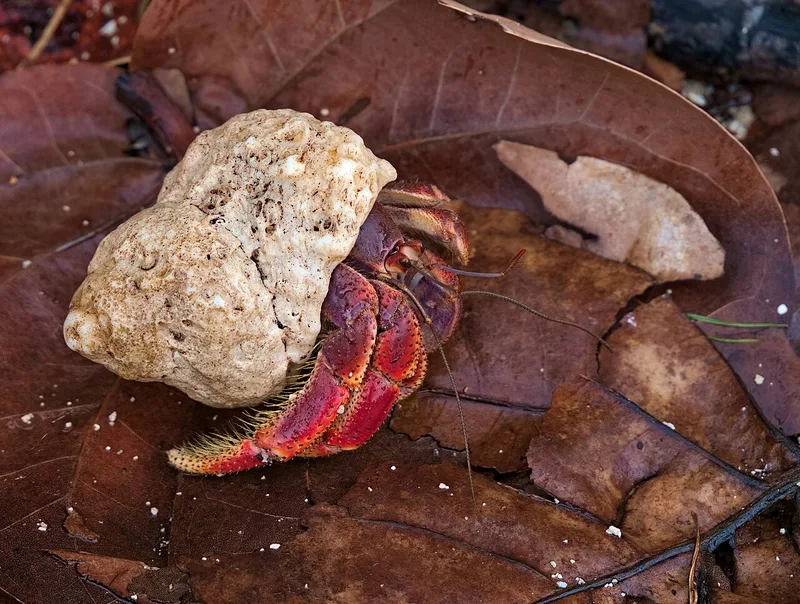
Coenobita clypeatus, the representative described in this account.
At a glance
- Location
- Caribbean land hermit crabs use humid coastal environments.
- Habitat
- Coast, Wetlands
- Diet
- Omnivore
- Food
- These crabs eat varied plant and animal material.
Classification
- Common name
- Hermit Crab
- Browse group
- Crustaceans
- Scientific name or taxon
- Anomura (hermit-crab lineages; chiefly Paguroidea and Coenobitoidea)
- Source classification
- Malacostraca
Three things to know
- It borrows an empty snail shell.
- Adults live mainly on land.
- The life cycle includes marine larvae.
Habitat and range
Caribbean land hermit crabs use humid coastal environments. Shoreline access remains important because their reproductive cycle includes larvae released into seawater.
Appearance and adaptations
A soft, curved abdomen fits inside a borrowed snail shell. The hard front body, claws and specialised gripping appendages help the crab hold and protect that shelter.
Diet and behaviour
These crabs eat varied plant and animal material. As they grow, larger shells may be needed. Adults keep their gill chambers moist even while moving and feeding on land.
Sources
- Smithsonian’s National Zoo: Land hermit crab
- A–Z Animals: Hermit Crab · Directory entry
Explore crustaceans
Browse all crustaceans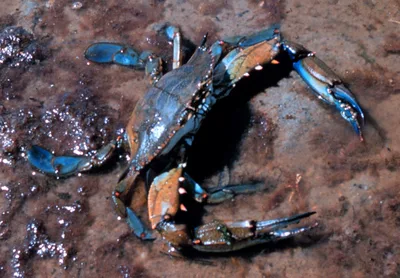
Crustaceans
Crab
Brachyura
True crabs include many forms.
Living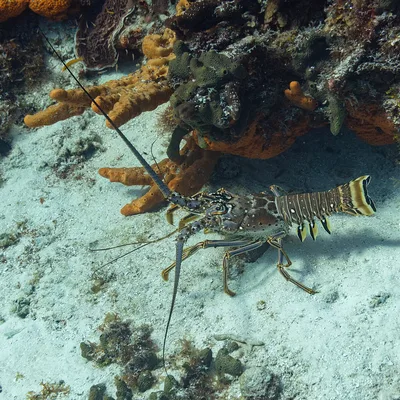
Crustaceans
Spiny lobster
Palinuridae
Spiny lobsters differ from large-clawed lobsters.
Living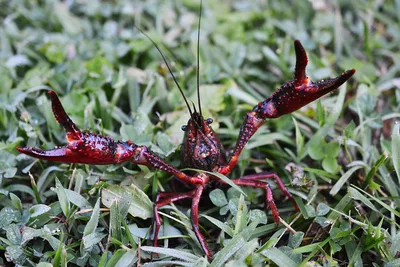
Crustaceans
Crayfish
Decapoda
Crayfish are freshwater crustaceans.
Living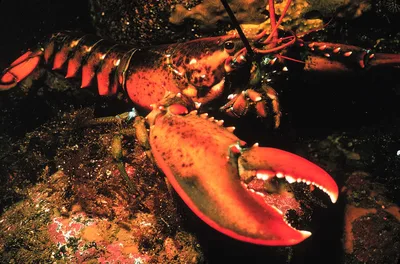
Crustaceans
Lobster
Nephropidae
Clawed lobsters are bottom-dwelling crustaceans.
Living