Prairie Dog
Cynomys
Living individuals or members of this group exist today. This does not mean they are safe from extinction.
Prairie dogs are burrowing ground squirrels. This account describes the black-tailed prairie dog (Cynomys ludovicianus), a social animal of North American grasslands.
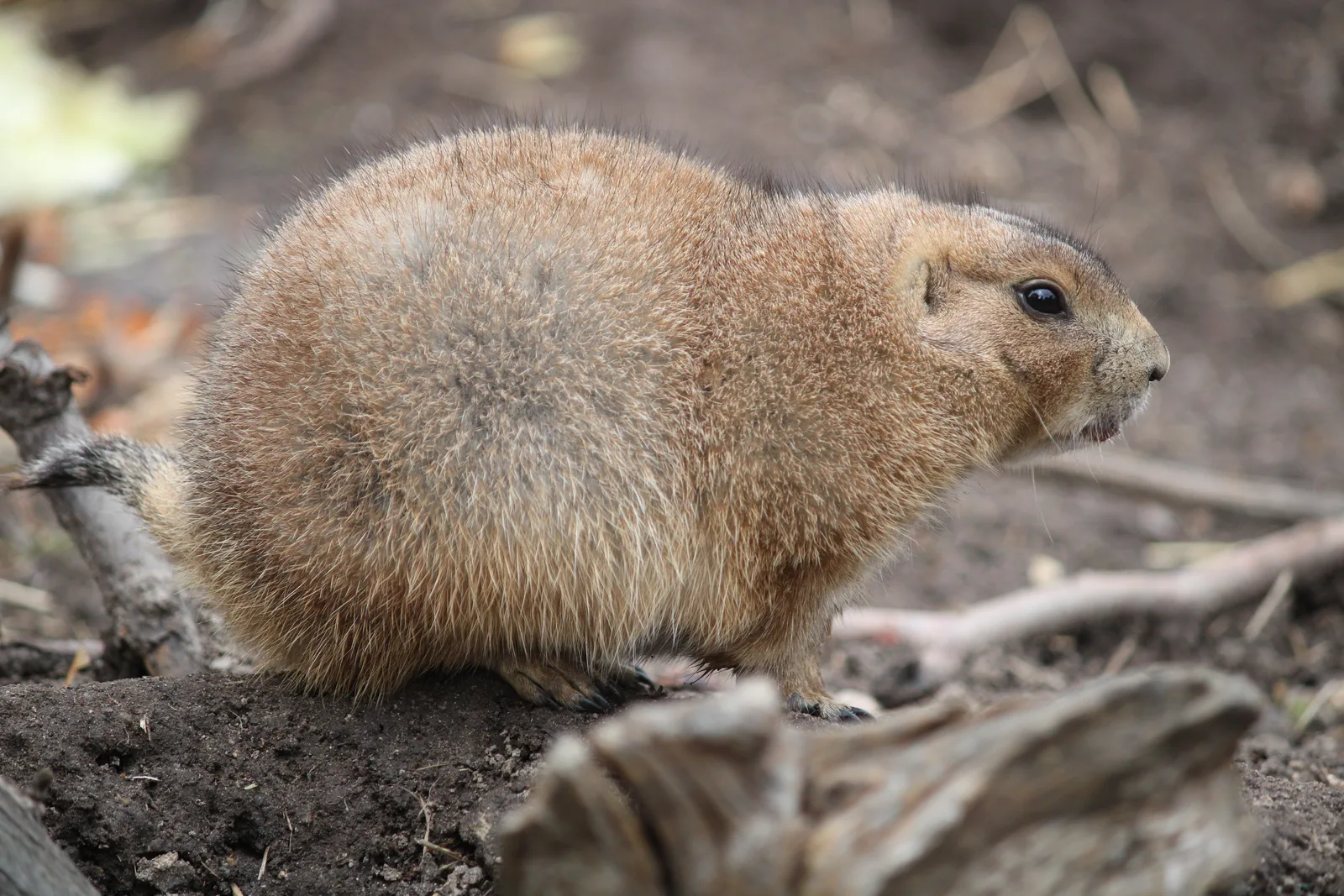
Representative species: Cynomys ludovicianus.
At a glance
- Location
- Black-tailed prairie dogs occupy short- and mixed-grass country in central North America. Their colonies require suitable ground for interconnected burrows.
- Habitat
- Grassland
- Diet
- Herbivore
- Food
- Grasses and other low-growing plants supply most meals; insects are occasionally eaten.
Classification
- Common name
- Prairie Dog
- Browse group
- Mammals
- Scientific name or taxon
- Cynomys
- Taxon rank
- genus
- Order
- Rodentia
- Family
- Sciuridae
- Genus
- Cynomys
- Source classification
- Mammalia
Taxonomy checked against GBIF. For breeds and hybrids, this describes the listed parent taxon.
Three things to know
- Its tail has a dark tip.
- Colonies contain smaller family neighbourhoods.
- Burrows provide shelter and breeding spaces.
Habitat and range
Black-tailed prairie dogs occupy short- and mixed-grass country in central North America. Their colonies require suitable ground for interconnected burrows.
Appearance and adaptations
A stocky body, short limbs and dark-tipped tail characterize this species. Size and weight vary by sex and season.
Diet and behaviour
Grasses and other low-growing plants supply most meals; insects are occasionally eaten. Colonies can contain many individuals organized into smaller social groups. Much foraging takes place near burrow entrances, where animals can retreat quickly.
Sources
- Animal Diversity Web: Cynomys ludovicianus
- A–Z Animals: Prairie Dog · Directory entry
Explore mammals
Browse all mammals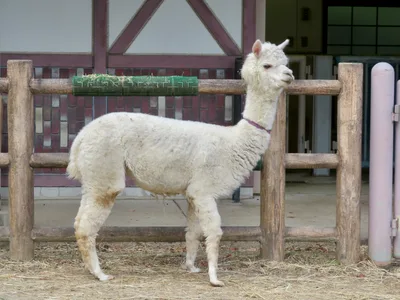
Mammals
Alpaca
Vicugna pacos
The alpaca is a domesticated Andean camelid kept for its fleece.
Living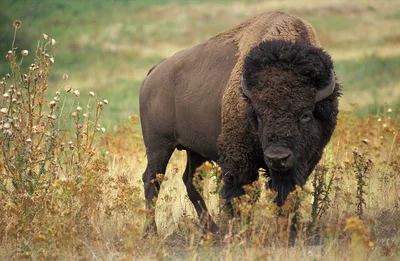 NT
Mammals
American bison
Bison bison
The American bison is the heaviest land animal in North America and the national mammal of the United States.
Living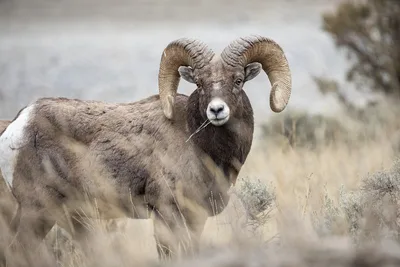 LC
Mammals
Bighorn sheep
Ovis canadensis
The bighorn sheep is a wild sheep of the mountains and deserts of western North America.
Living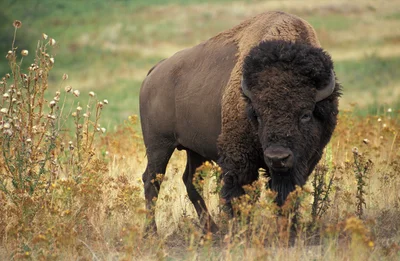
Mammals
Bison
Bison
Bison are heavy-bodied wild cattle.
Living