Bison
Bison
Living individuals or members of this group exist today. This does not mean they are safe from extinction.
Bison are heavy-bodied wild cattle. This account focuses on the American bison, a grazing species of North America.
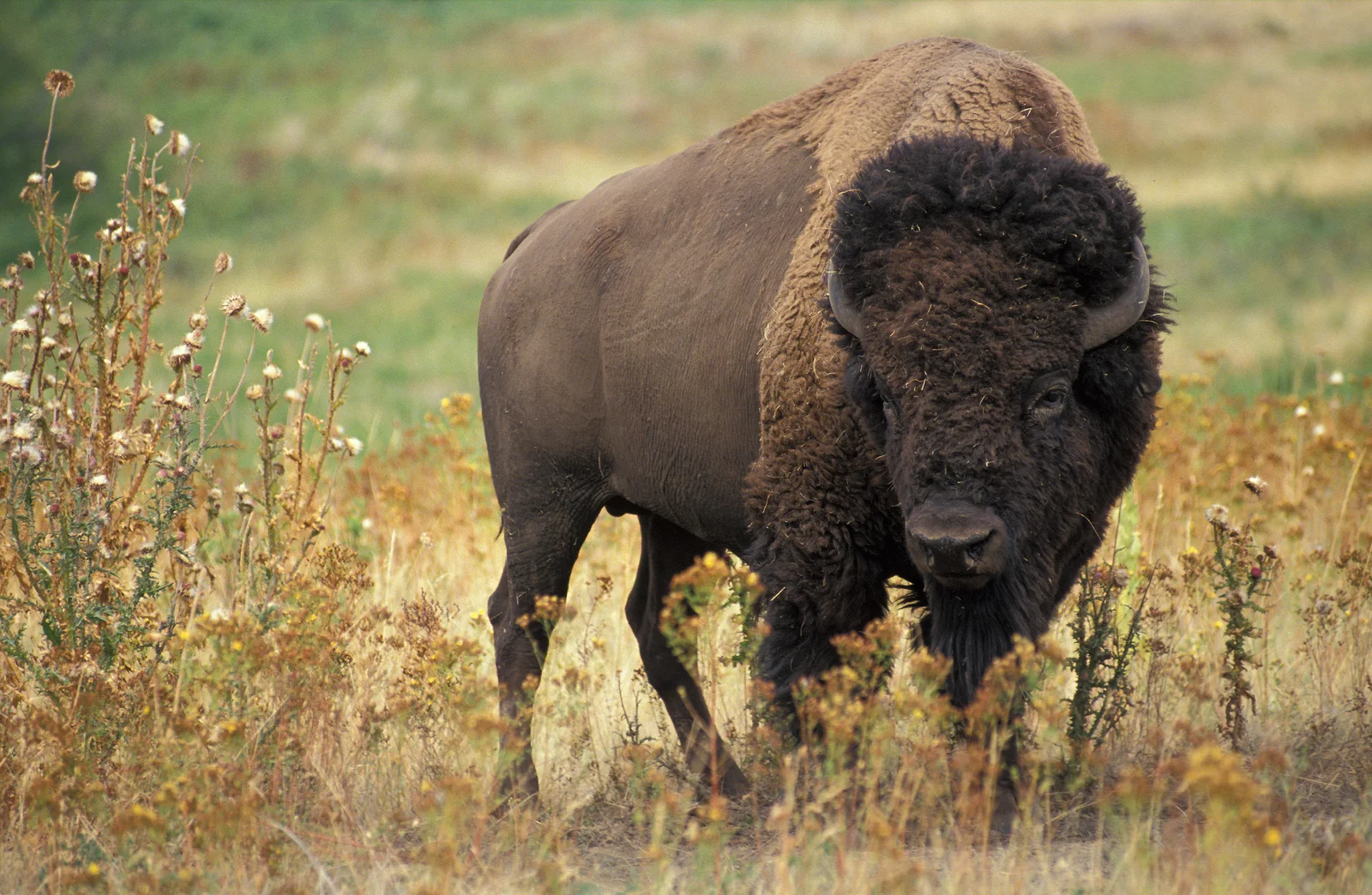
American bison, one of the living bison species.
At a glance
- Location
- North American grasslands and other suitable managed or wild landscapes used by American bison.
- Habitat
- Grassland
- Diet
- Herbivore
- Food
- Primarily grasses, with other vegetation eaten when grass is scarce.
Classification
- Common name
- Bison
- Browse group
- Mammals
- Scientific name or taxon
- Bison
- Taxon rank
- genus
- Order
- Artiodactyla
- Family
- Bovidae
- Genus
- Bison
- Source classification
- Mammalia
Taxonomy checked against GBIF. For breeds and hybrids, this describes the listed parent taxon.
Three things to know
- American bison are primarily grazers.
- Both males and females have horns.
- Herd composition changes with season.
Habitat and range
North American grasslands and other suitable managed or wild landscapes used by American bison.
Appearance and adaptations
A large shoulder region and a shaggy front coat create a distinctive profile. Both sexes carry horns, although body size differs.
Diet and behaviour
Herd composition varies with sex, age and season. Adult males may live separately or in small groups before joining females during the breeding period.
Sources
- Animal Diversity Web: Bison bison
- A–Z Animals: Bison · Directory entry
Explore mammals
Browse all mammals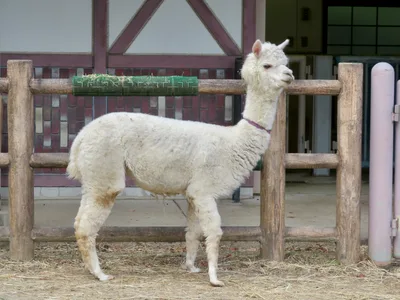
Mammals
Alpaca
Vicugna pacos
The alpaca is a domesticated Andean camelid kept for its fleece.
Living NT
Mammals
American bison
Bison bison
The American bison is the heaviest land animal in North America and the national mammal of the United States.
Living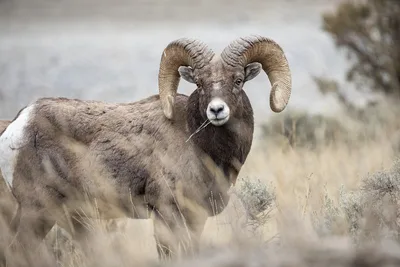 LC
Mammals
Bighorn sheep
Ovis canadensis
The bighorn sheep is a wild sheep of the mountains and deserts of western North America.
LivingMammals
Cow
Bos taurus
Domestic cattle are large social herbivores kept in many parts of the world.
Living
