Porcupine
Hystricidae
Living individuals or members of this group exist today. This does not mean they are safe from extinction.
Porcupines are rodents protected by quills. This account describes the crested porcupine (Hystrix cristata), an Old World species that forages on the ground.
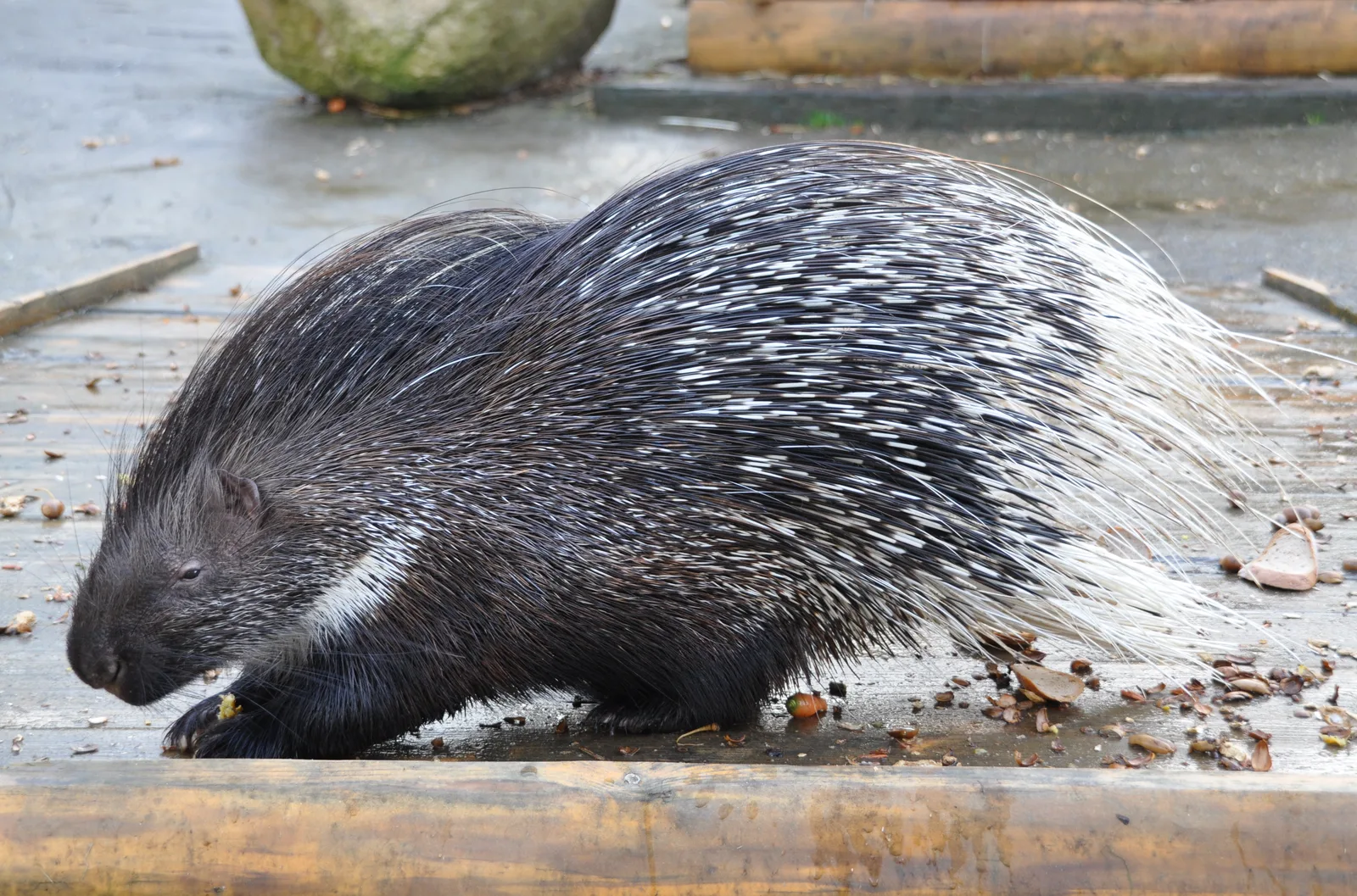
Representative species: Hystrix cristata.
At a glance
- Location
- Crested porcupines occur in parts of Africa and Italy. They use rocky country, woodland and farmland, sheltering in burrows or crevices. Other porcupines differ in range and habits.
- Habitat
- Grassland, Temperate forest, Mountains
- Diet
- Herbivore
- Food
- Roots, tubers, bark and fallen fruit provide most food.
Classification
- Common name
- Porcupine
- Browse group
- Mammals
- Scientific name or taxon
- Hystricidae
- Taxon rank
- family
- Order
- Rodentia
- Family
- Hystricidae
- Source classification
- Mammalia
Taxonomy checked against GBIF. For breeds and hybrids, this describes the listed parent taxon.
Three things to know
- Its tail has hollow rattling quills.
- Family groups can share a burrow.
- It is mainly active at night.
Habitat and range
Crested porcupines occur in parts of Africa and Italy. They use rocky country, woodland and farmland, sheltering in burrows or crevices. Other porcupines differ in range and habits.
Appearance and adaptations
Coarse dark bristles cover the head and underside. Longer quills can be raised into a crest, and stout banded quills protect the back.
Diet and behaviour
Roots, tubers, bark and fallen fruit provide most food. It spends the day sheltered and searches for food at night. When disturbed, it raises its quills and can rattle those on its tail.
Sources
- Animal Diversity Web: Hystrix cristata
- A–Z Animals: Porcupine · Directory entry
Explore mammals
Browse all mammals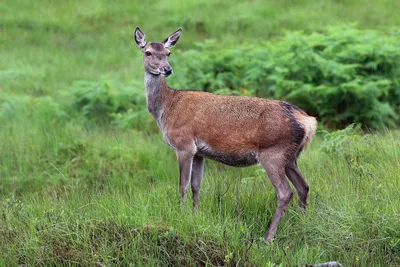 LC
Mammals
Red deer
Cervus elaphus
The red deer is one of the largest deer, found across Europe, western Asia and the Atlas Mountains of North Africa.
Living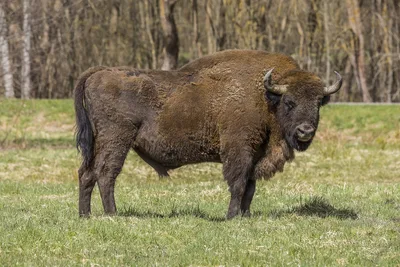 NT
Mammals
European bison
Bison bonasus
The European bison, or wisent, is the heaviest wild animal on land in Europe.
Living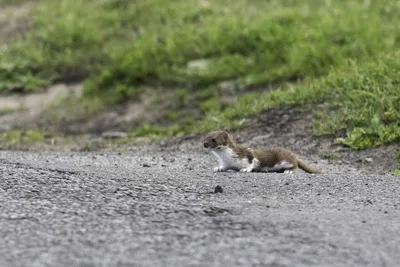 LC
Mammals
Least weasel
Mustela nivalis
The least weasel is the smallest carnivore in the world, a tube-shaped hunter that follows voles and mice down their own tunnels.
Living LC
Mammals
Roe deer
Capreolus capreolus
The roe deer is the smallest and most common deer in Europe, red in summer and grey in winter.
Living