Oystercatcher
Haematopus
Living individuals or members of this group exist today. This does not mean they are safe from extinction.
Oystercatchers are sturdy shorebirds with strong bills. This account describes the Eurasian oystercatcher (Haematopus ostralegus), a black-and-white species that pries and hammers open shellfish.
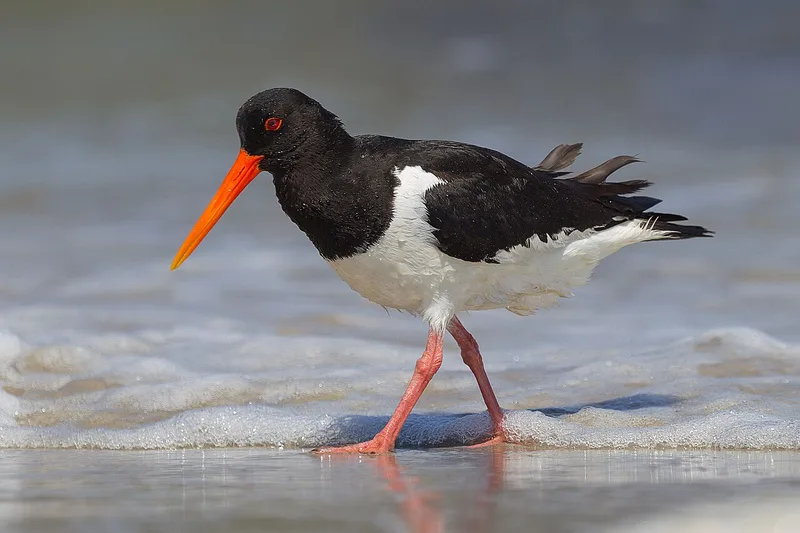
Representative species: Haematopus ostralegus.
At a glance
- Habitat
- Coast, Wetlands
- Diet
- Carnivore
- Food
- Shellfish and other invertebrates.
Classification
- Common name
- Oystercatcher
- Browse group
- Birds
- Scientific name or taxon
- Haematopus
Three things to know
- Its bill can hammer or pry open shellfish.
- Some pairs breed inland.
- Winter flocks gather on coasts.
Habitat and range
The species breeds across Europe and parts of Asia. Wintering birds use coasts extending into Africa and southern Asia. Estuaries and shores are important, though some populations breed inland.
Appearance and adaptations
Black upperparts contrast with a white belly and wing stripe. The long orange-red bill and pinkish legs help distinguish it from other waders.
Diet and behaviour
Cockles, mussels and other invertebrates provide food. Different feeding techniques open or break shells. Birds often gather along coasts outside the breeding season, making adequate shellfish supplies especially important.
Sources
Explore birds
Browse all birds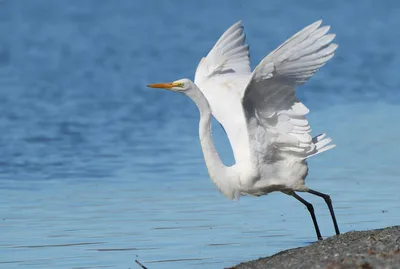 LC
Birds
Great egret
Ardea alba
The great egret is a tall white heron that hunts fish in shallow water on six continents.
Living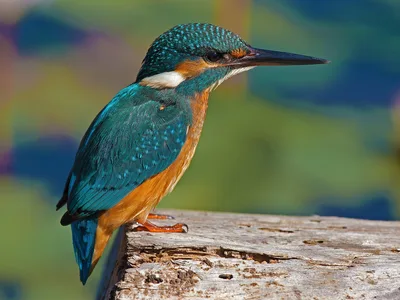 LC
Birds
Common kingfisher
Alcedo atthis
The common kingfisher is a small blue and orange bird of clear, slow rivers across Europe, Asia and North Africa.
Living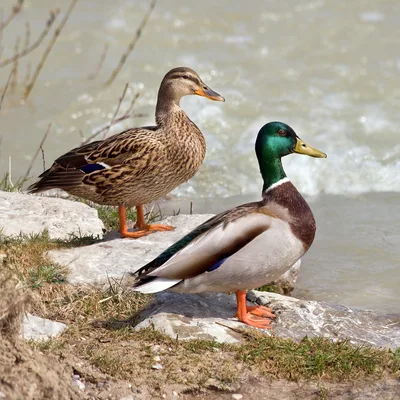
Birds
Duck
Anatidae
Ducks are waterbirds with many different feeding habits.
Living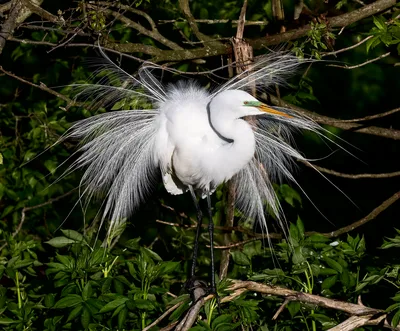
Birds
Egret
Ardeidae
Egrets are herons known for pale plumage in several species.
Living