Orangutan
Pongo
Living individuals or members of this group exist today. This does not mean they are safe from extinction.
Orangutans are Asian great apes adapted to life in trees. Fruit availability strongly influences where they travel and how they spend their day.
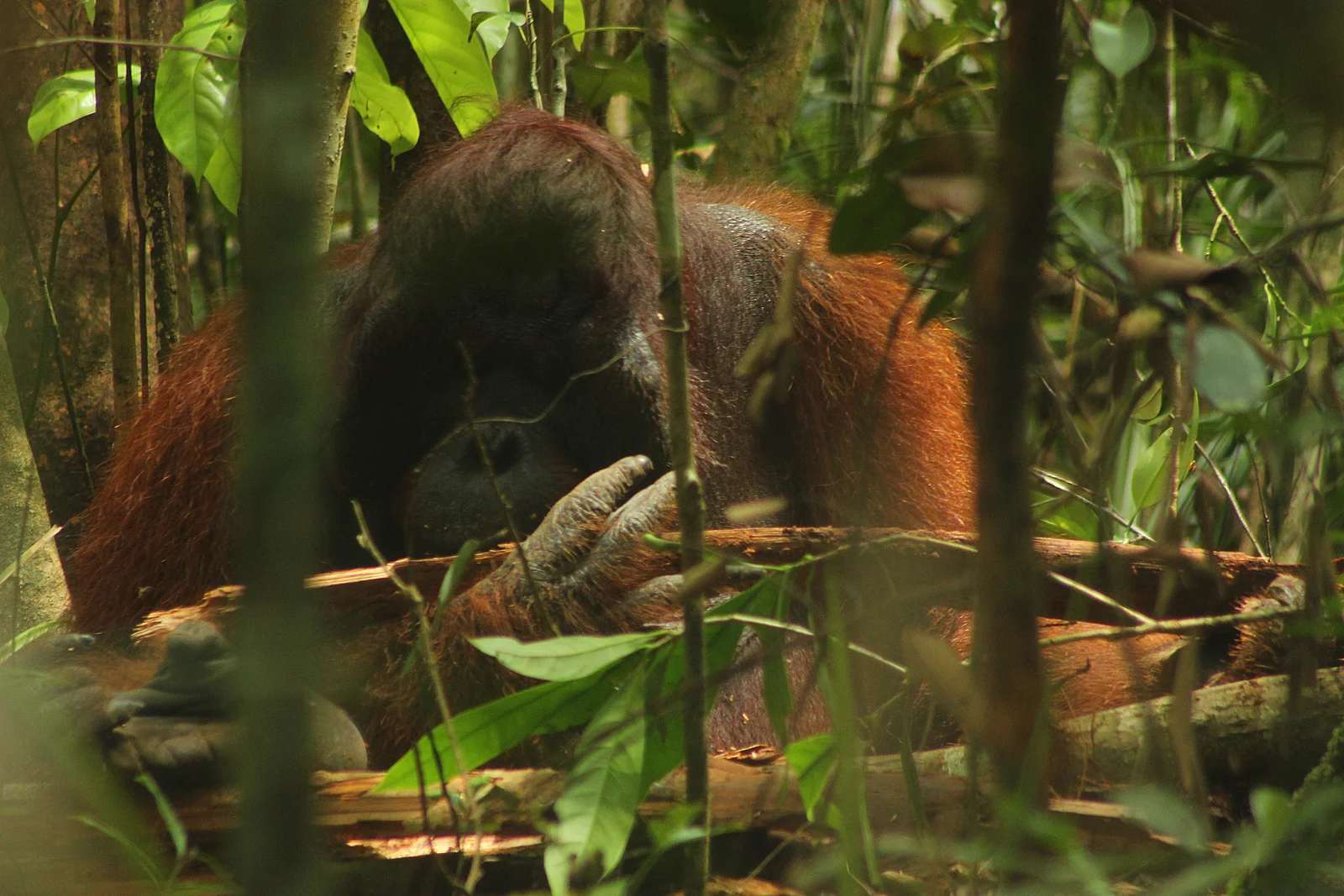
Bornean orangutan, one representative of the genus Pongo.
At a glance
- Location
- Tropical forests of Borneo and Sumatra, with ranges differing between species.
- Habitat
- Rainforest
- Diet
- Omnivore
- Food
- Fruit, leaves, bark and other available foods.
Classification
- Common name
- Orangutan
- Browse group
- Mammals
- Scientific name or taxon
- Pongo
- Source classification
- Mammalia
Three things to know
- Their natural range is in Borneo and Sumatra.
- Long arms assist movement through trees.
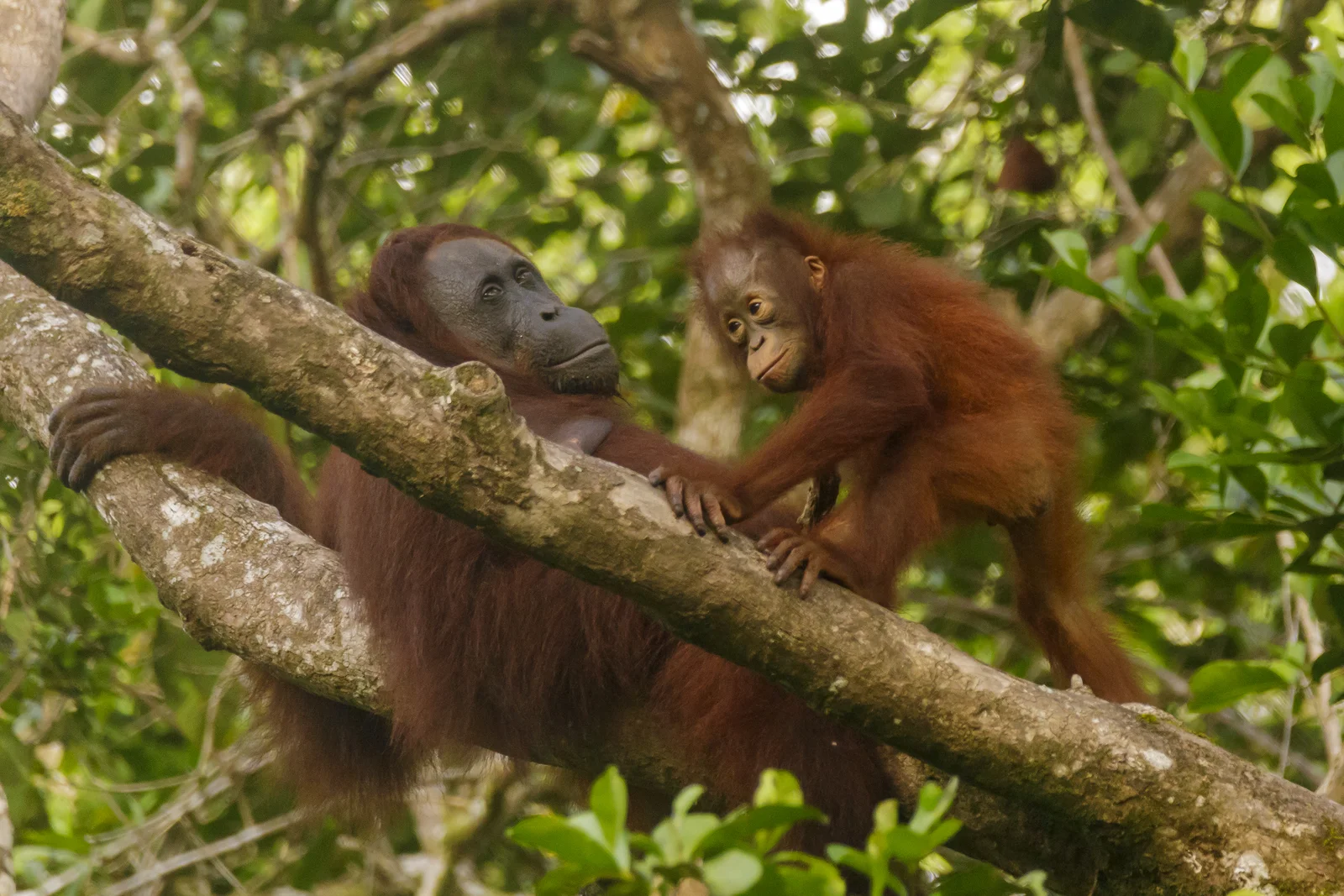
- Mothers maintain prolonged contact with their young.
Habitat and range
Tropical forests of Borneo and Sumatra, with ranges differing between species.
Appearance and adaptations
Long arms and grasping hands and feet assist climbing. Adult males may develop broad cheek pads and a throat pouch.
Diet and behaviour
Individuals often forage separately, while mothers remain closely associated with their young. They build resting nests from branches and foliage.
More photos
Sources
- Animal Diversity Web: Pongo
- A–Z Animals: Orangutan · Directory entry
Explore mammals
Browse all mammals LC
Mammals
Asian palm civet
Paradoxurus hermaphroditus
The Asian palm civet is a small, cat-like viverrid of South and Southeast Asia that climbs trees at night to eat fruit.
Living VU
Mammals
Binturong
Arctictis binturong
The binturong is a large, shaggy civet of the South and Southeast Asian forest canopy.
Living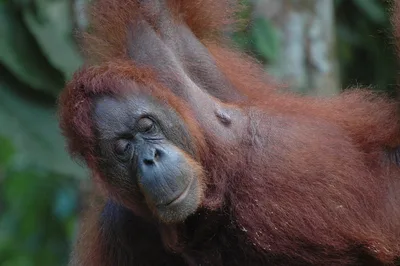 CR
Mammals
Bornean orangutan
Pongo pygmaeus
The Bornean orangutan is the largest tree-living animal in the world.
Living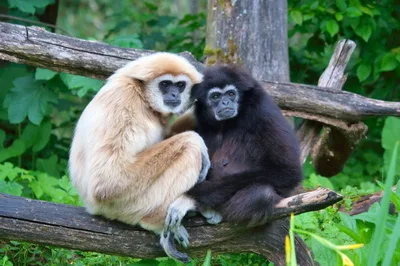
Mammals
Gibbon
Hylobatidae
Gibbons are small apes adapted to travelling through trees.
Living