Magpie
Pica pica
Living individuals or members of this group exist today. This does not mean they are safe from extinction.
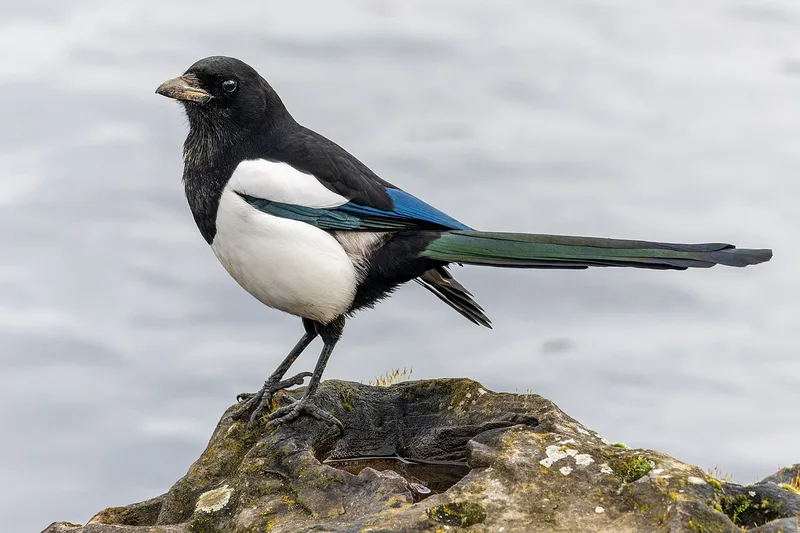
The Eurasian magpie is a long-tailed member of the crow family. Black-and-white plumage flashes blue and green in strong light, and its chattering call often reveals it nearby.
At a glance
- Habitat
- Temperate forest, Grassland, Towns and cities
- Diet
- Omnivore
- Food
- A varied mixture of plant and animal foods.
Classification
- Common name
- Magpie
- Browse group
- Birds
- Scientific name or taxon
- Pica pica
- Taxon rank
- species
- Order
- Passeriformes
- Family
- Corvidae
- Genus
- Pica
- Source classification
- Aves
Taxonomy checked against GBIF. For breeds and hybrids, this describes the listed parent taxon.
Three things to know
- Dark feathers can show metallic colours.
- Its diet includes both scavenged and hunted food.
- Many birds remain near their home area.
Habitat and range
Eurasian magpies occur across Europe and parts of Asia, using open landscapes with trees as well as parks and towns. Other regional magpies formerly combined under Pica pica are treated separately by the Cornell account.
Appearance and adaptations
A long graduated tail and bold pale body patches make the bird conspicuous. Dark wings can gleam metallic blue, while the tail often shows a green sheen.
Diet and behaviour
These opportunistic omnivores search the ground for food, scavenge carrion and sometimes raid other birds’ nests. Non-breeders can gather in flocks, while many individuals remain close to where they were raised.
Sources
Explore birds
Browse all birds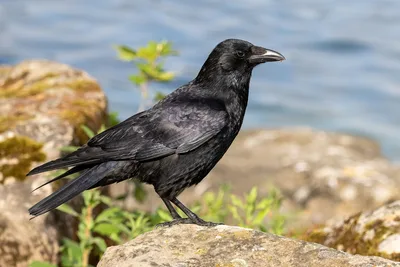 LC
Birds
Carrion crow
Corvus corone
The carrion crow is an all-black crow of western Europe and eastern Asia with a heavy bill and a harsh croak.
Living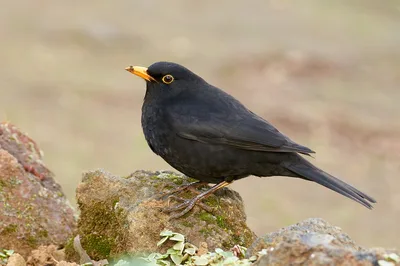 LC
Birds
Common blackbird
Turdus merula
The common blackbird is a true thrush of Europe, North Africa and western Asia, and the male is glossy black with a yellow eye-ring.
Living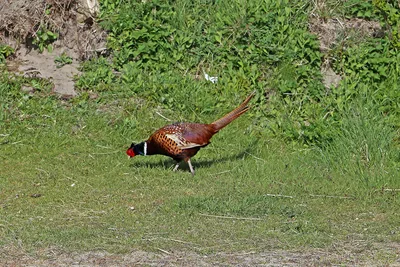 LC
Birds
Common pheasant
Phasianus colchicus
The common pheasant is a long-tailed gamebird from Asia that people have released across the world.
Living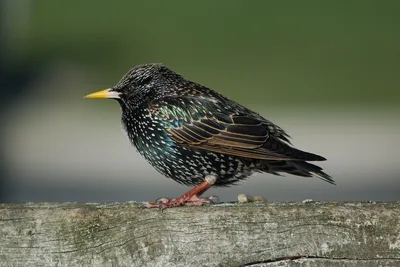 LC
Birds
Common starling
Sturnus vulgaris
The common starling is a glossy black songbird of Europe and Asia, spangled with white spots in winter.
Living