Macaque
Macaca
Living individuals or members of this group exist today. This does not mean they are safe from extinction.
Macaques are adaptable monkeys with many different species across Asia and beyond. This account follows the rhesus macaque, which lives in forests and mountains and can also thrive near people.
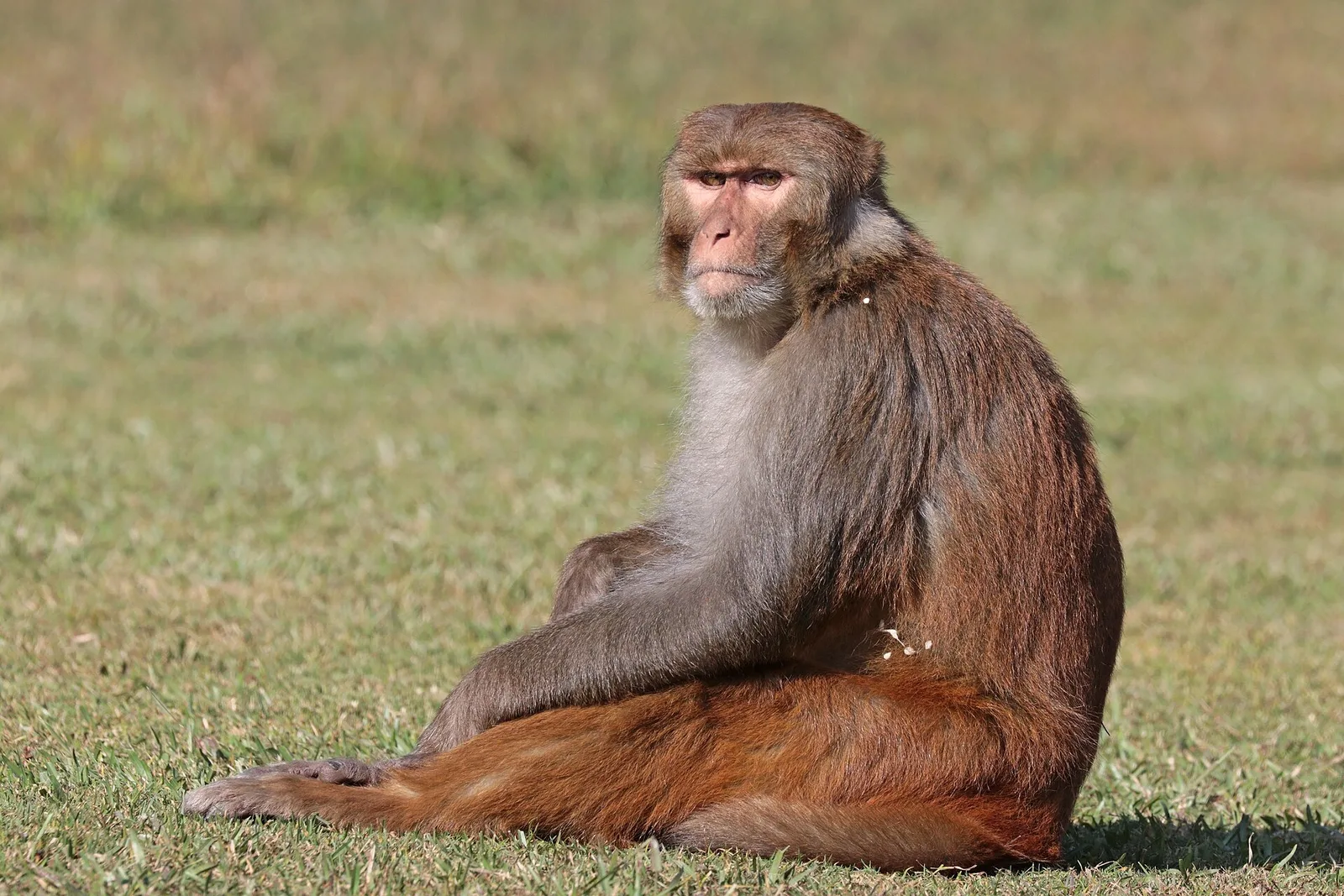
Male rhesus macaque (Macaca mulatta), the representative described here, photographed at Gokarna.
At a glance
- Location
- The representative here is the rhesus macaque, Macaca mulatta. It occurs across parts of southern and eastern Asia and tolerates varied climates. Forests, mountain slopes and settlements can all provide habitat, so its way of life depends strongly on local conditions.
- Habitat
- Temperate forest, Mountains, Towns and cities
- Diet
- Omnivore
- Food
- Roots, fruits, leaves, insects and small animals make up a flexible diet that changes seasonally.
Classification
- Common name
- Macaque
- Browse group
- Mammals
- Scientific name or taxon
- Macaca
- Taxon rank
- genus
- Order
- Primates
- Family
- Cercopithecidae
- Genus
- Macaca
- Source classification
- Mammalia
Taxonomy checked against GBIF. For breeds and hybrids, this describes the listed parent taxon.
Three things to know
- Rhesus macaques have bare pinkish-red faces.
- They eat both plant and animal foods.
- Females commonly remain in their birth group.
Habitat and range
The representative here is the rhesus macaque, Macaca mulatta. It occurs across parts of southern and eastern Asia and tolerates varied climates. Forests, mountain slopes and settlements can all provide habitat, so its way of life depends strongly on local conditions.
Appearance and adaptations
Brownish fur is lighter underneath, while the face and rump have exposed reddish skin. The tail is shorter than the head and body together. Adult males are generally larger than females. These features describe rhesus macaques rather than the entire genus.
Diet and behaviour
Roots, fruits, leaves, insects and small animals make up a flexible diet that changes seasonally. Rhesus macaques form social groups with dominance relationships. Females often remain with relatives, while males typically leave their birth groups as they mature.
Sources
- Animal Diversity Web: Macaca mulatta
- A–Z Animals: Macaque · Directory entry
Explore mammals
Browse all mammals LC
Mammals
Red squirrel
Sciurus vulgaris
The red squirrel is a small tree squirrel of the conifer and broadleaf forests of Europe and northern Asia.
Living LC
Mammals
Rhesus macaque
Macaca mulatta
The rhesus macaque is a brown monkey with a pink face that lives in large, rank-ordered troops across South and East Asia.
Living LC
Mammals
Roe deer
Capreolus capreolus
The roe deer is the smallest and most common deer in Europe, red in summer and grey in winter.
Living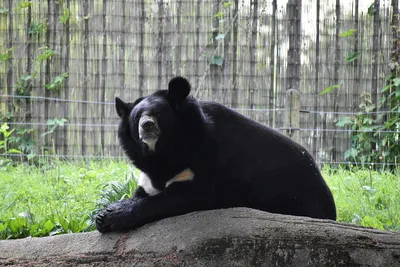 VU
Mammals
Asian black bear
Ursus thibetanus
The Asian black bear is a medium-sized forest bear of Asia with a pale crescent on its chest and a gift for climbing.
Living