Impala
Aepyceros melampus
Living individuals or members of this group exist today. This does not mean they are safe from extinction.
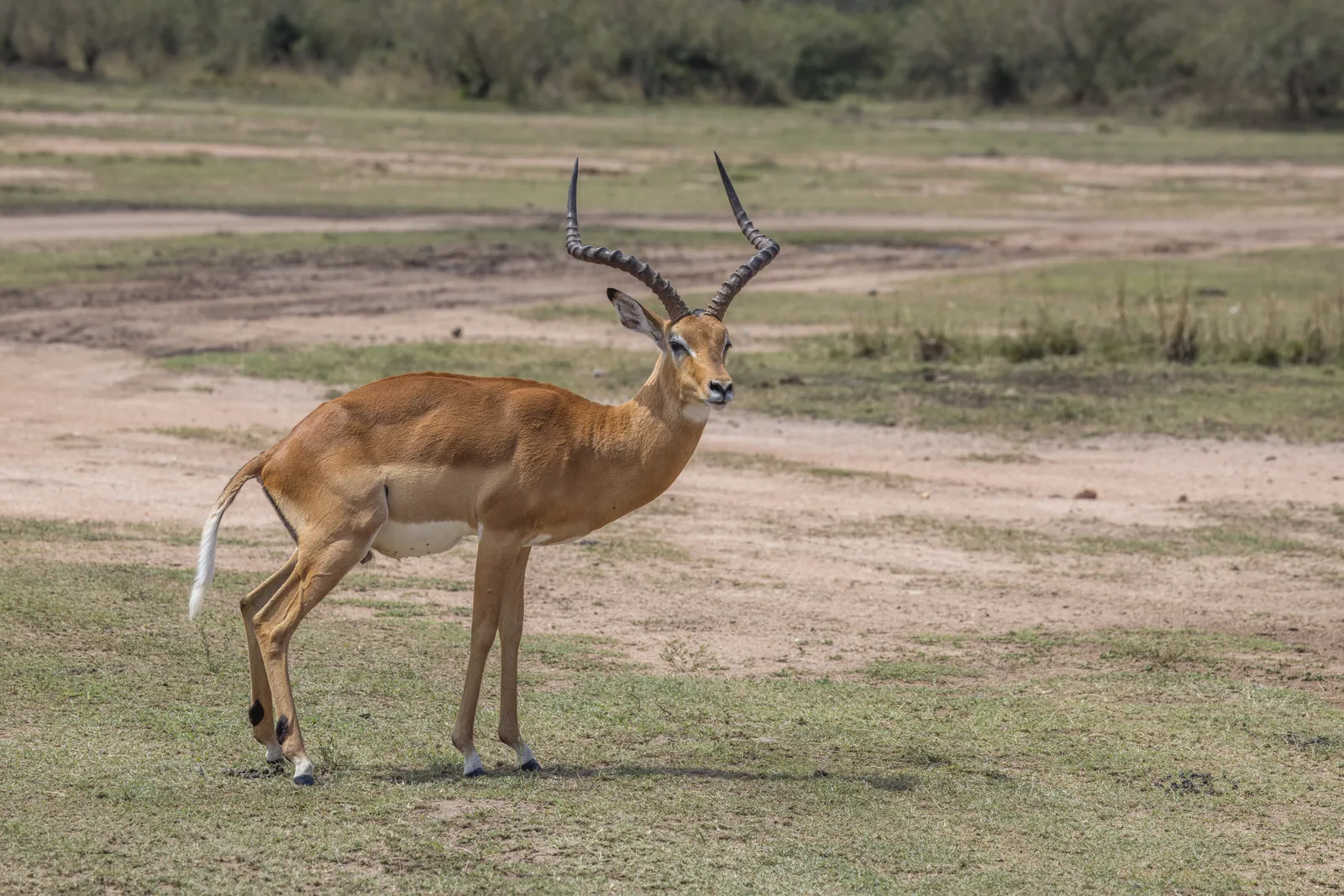
The impala is a reddish-brown African antelope that both grazes and browses. Its feeding habits change as rainfall affects the available vegetation.
At a glance
- Location
- Impalas occur in eastern and southern Africa, using grasslands and open woodland. Nearby water is useful, especially when lush vegetation is scarce.
- Habitat
- Savanna, Grassland
- Diet
- Herbivore
- Food
- Grass is important after rain; leaves and other browse become more important in dry periods.
Classification
- Common name
- Impala
- Browse group
- Mammals
- Scientific name or taxon
- Aepyceros melampus
- Taxon rank
- species
- Order
- Artiodactyla
- Family
- Bovidae
- Genus
- Aepyceros
- Source classification
- Mammalia
Taxonomy checked against GBIF. For breeds and hybrids, this describes the listed parent taxon.
Measurements
Size and speed
- Weight
- 45 to 60 kg adult range reported by ADW
Typical adult ranges. Source: Animal Diversity Web.
Three things to know
- Only males carry the curved horns.
- Black markings contrast with the pale tail underside.
- Its diet changes with season.
Habitat and range
Impalas occur in eastern and southern Africa, using grasslands and open woodland. Nearby water is useful, especially when lush vegetation is scarce.
Appearance and adaptations
A slender body and red-brown coat characterize the impala. Males have ridged, curved horns, while both sexes have pale undersides.
Diet and behaviour
Grass is important after rain; leaves and other browse become more important in dry periods. It is active by day and spends resting periods chewing cud. Herd structure and territorial behaviour vary with season and conditions.
Sources
- Animal Diversity Web: Aepyceros melampus
- A–Z Animals: Impala · Directory entry
Explore mammals
Browse all mammals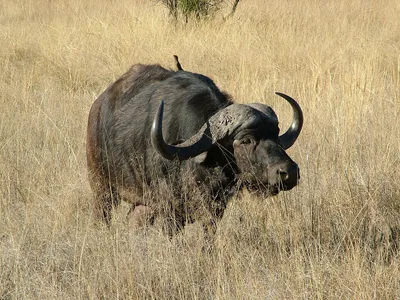 NT
Mammals
African buffalo
Syncerus caffer
The African buffalo is a heavy wild ox of sub-Saharan Africa that lives in herds of dozens to thousands and must drink every day.
Living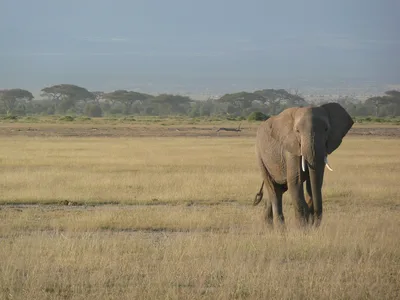 EN
Mammals
African bush elephant
Loxodonta africana
The African bush elephant is the largest land animal alive.
Living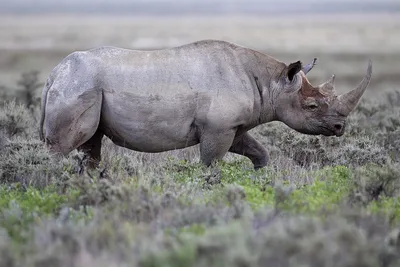 CR
Mammals
Black rhinoceros
Diceros bicornis
The black rhinoceros is a two-horned browser of eastern and southern Africa with a pointed, gripping upper lip.
Living VU
Mammals
Giraffe
Giraffa camelopardalis
The giraffe is the tallest land animal.
Living