Goose
Living individuals or members of this group exist today. This does not mean they are safe from extinction.
Geese are grazing waterbirds. This account describes the greylag goose (Anser anser), a sociable species with grey-brown plumage and a heavy orange or pinkish bill.
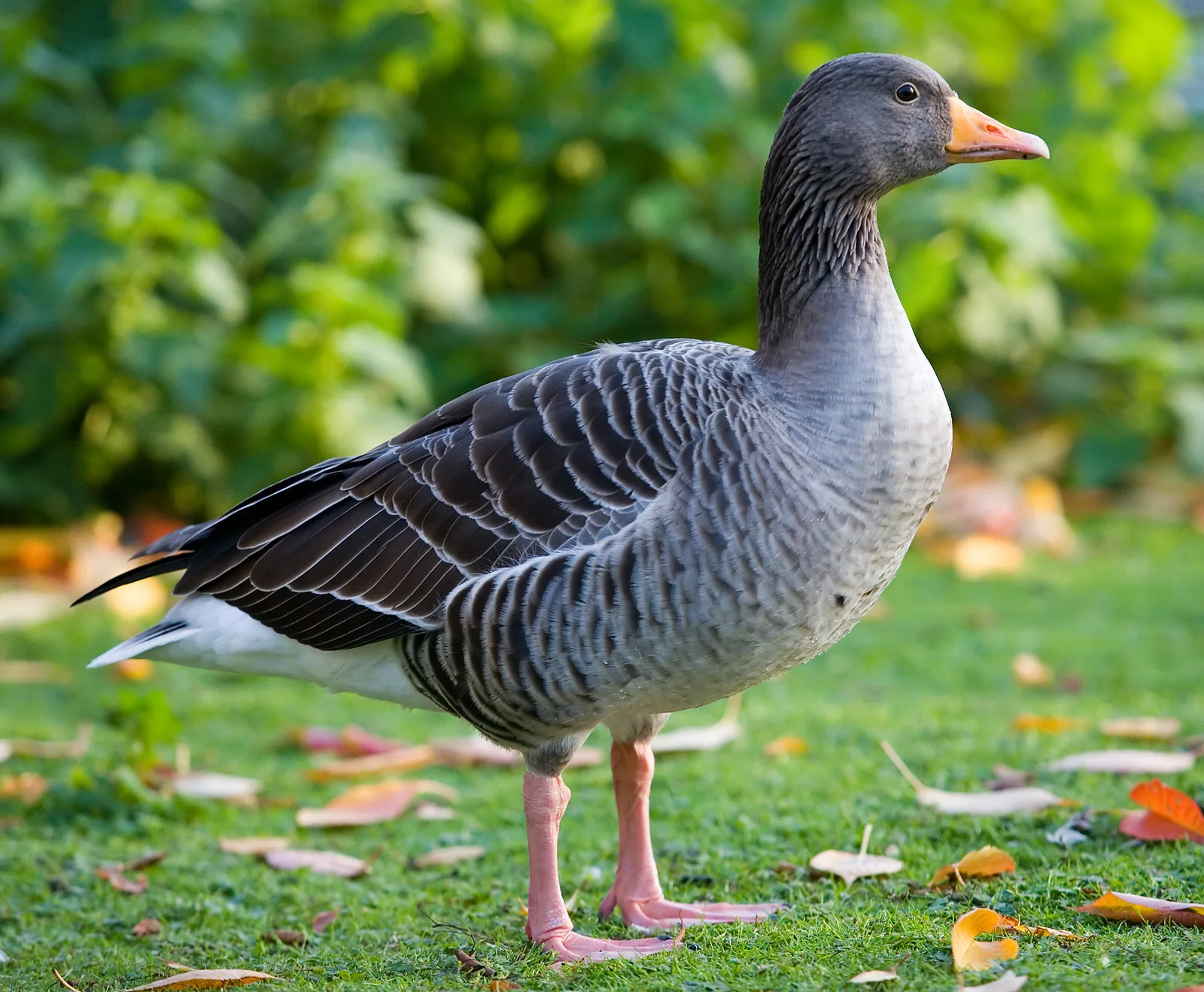
Representative species: Anser anser.
At a glance
- Habitat
- Wetlands, Grassland, Coast
- Diet
- Herbivore
- Food
- Grasses, roots and grain.
Classification
- Common name
- Goose
- Browse group
- Birds
- Scientific name or taxon
- Not specified in the source index
- Source classification
- Aves
Three things to know
- Families often remain together in flocks.
- It grazes on grasses and other plants.
- Migrating flocks may form a V.
Habitat and range
Greylag geese inhabit Eurasian wetlands, with many European populations wintering farther south, including North Africa. Marshes, islands, estuaries, pastures and harvested fields provide seasonal feeding and nesting places.
Appearance and adaptations
Grey-brown feathers have pale edges, and the belly is lighter. The sturdy bill and pink-toned legs distinguish the bird from many darker geese.
Diet and behaviour
Grasses, roots, wetland plants and spilled grain form the main diet. Birds gather in family groups and larger flocks. Long journeys often use a V-shaped formation, while some populations remain resident.
Sources
- Animal Diversity Web: Anser anser
- A–Z Animals: Goose · Directory entry
Explore birds
Browse all birds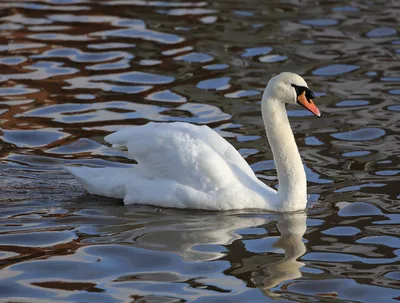 LC
Birds
Mute swan
Cygnus olor
The mute swan is a large white waterbird of lakes, rivers and sheltered coasts across Europe and Asia.
Living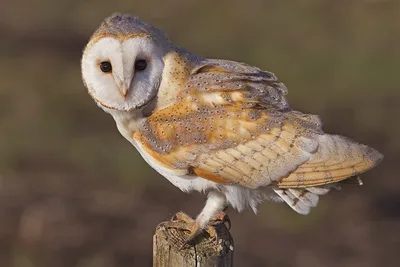
Birds
Barn Owl
Tyto alba
The barn owl is a pale nocturnal hunter with a heart-shaped face.
Living LC
Birds
Barn swallow
Hirundo rustica
The barn swallow is the most widespread swallow on earth, with a steel blue back and a deeply forked tail.
Living LC
Birds
Black kite
Milvus migrans
The black kite is a medium-sized raptor with angled wings and a forked tail.
Living