Earthworm
Haplotaxida
Living individuals or members of this group exist today. This does not mean they are safe from extinction.
Earthworms have different burrowing habits. This account follows the nightcrawler (Lumbricus terrestris), focusing on the introduced populations described by University of Minnesota Extension.
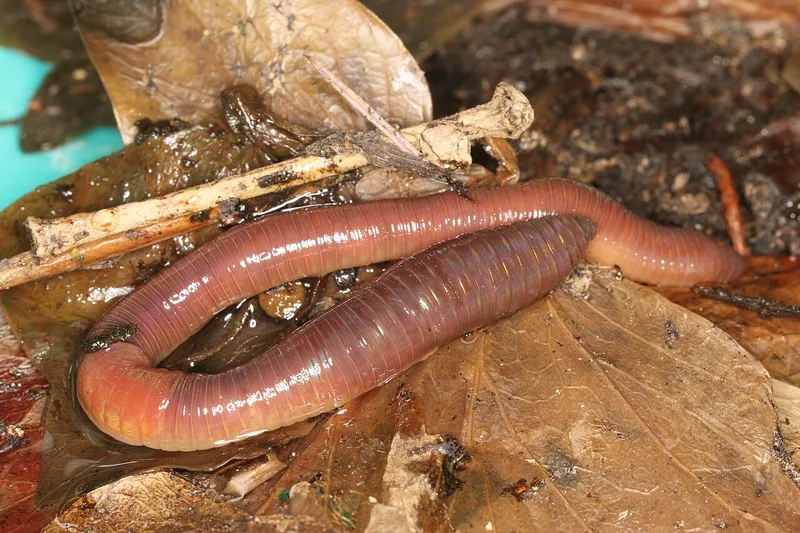
Lumbricus terrestris, the representative described in this account.
At a glance
- Location
- Nightcrawlers inhabit soil in lawns and other suitable sites.
- Habitat
- Temperate forest, Grassland, Towns and cities
- Diet
- Detritivore
- Food
- Nightcrawlers maintain deep burrows and come to the surface to collect food.
Classification
- Common name
- Earthworm
- Browse group
- Worms
- Scientific name or taxon
- Haplotaxida
- Source classification
- Clitellata
Three things to know
- It makes deep burrows.
- Mature worms have a clitellum.
- Surface leaf litter supplies food.
Habitat and range
Nightcrawlers inhabit soil in lawns and other suitable sites. They also occur in northern North American forests, where their removal of surface leaf litter can substantially alter the forest floor.
Appearance and adaptations
The elongated body is divided into segments. Mature worms carry a swollen saddle-shaped clitellum that does not completely encircle the body.
Diet and behaviour
Nightcrawlers maintain deep burrows and come to the surface to collect food. Leaf litter provides organic material, and their feeding and castings change how that material is distributed in soil.
Sources
- University of Minnesota Extension: Earthworms
- A–Z Animals: Earthworm · Directory entry
Explore worms
Browse all worms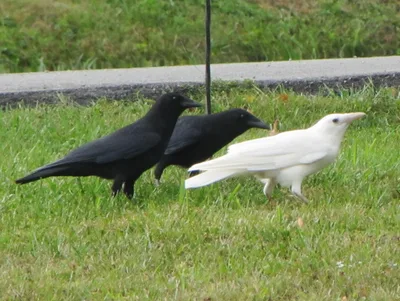 LC
Birds
American crow
Corvus brachyrhynchos
The American crow is a large all-black bird of farms, woods and city streets across North America.
Living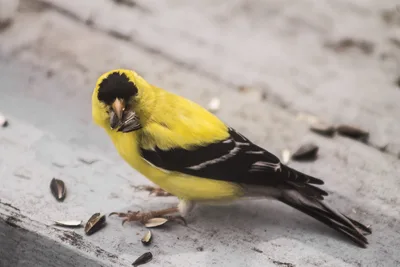 LC
Birds
American goldfinch
Spinus tristis
The American goldfinch is a small seed-eating finch of open weedy country across North America.
Living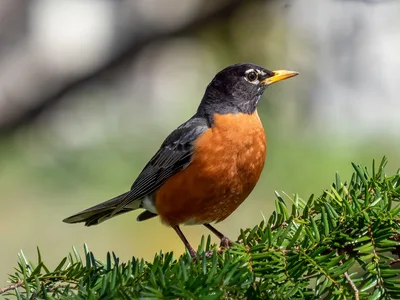 LC
Birds
American robin
Turdus migratorius
The American robin is a large thrush that feeds on lawns and open ground across North America.
Living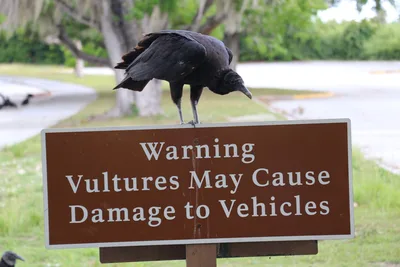 LC
Birds
Black vulture
Coragyps atratus
The black vulture is a glossy black scavenger of the Americas, with a bare grey head and white patches at the wingtips.
Living