Cuckoo
Cuculidae
Living individuals or members of this group exist today. This does not mean they are safe from extinction.
Cuckoos form a varied bird family. This account describes the common cuckoo (Cuculus canorus), an insect-eating migrant whose females lay eggs in the nests of other birds.
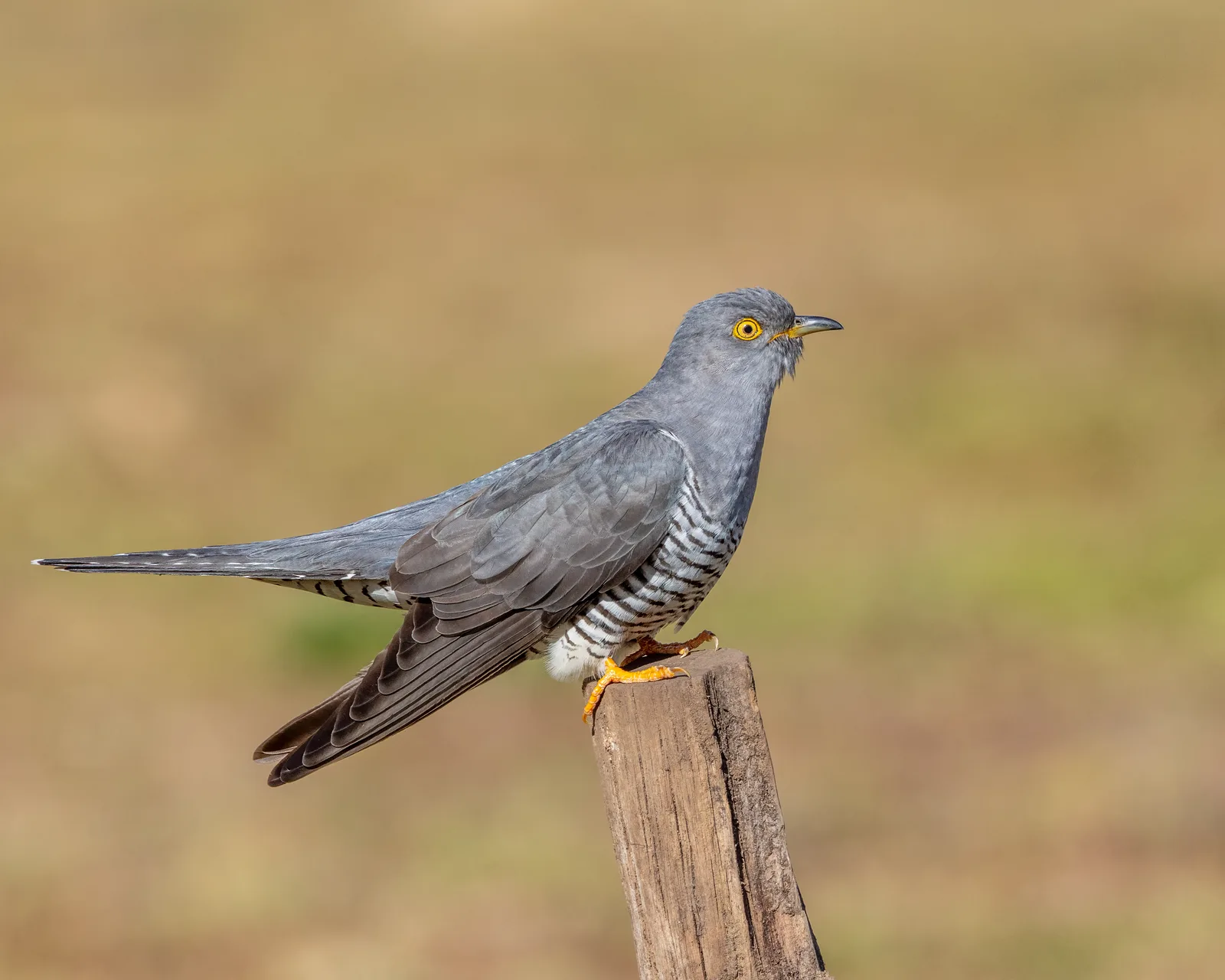
Representative species: Cuculus canorus.
At a glance
- Location
- Eurasian breeding grounds and African wintering areas.
- Habitat
- Temperate forest, Grassland, Wetlands
- Diet
- Insectivore
- Food
- Mainly insects, including hairy caterpillars.
Classification
- Common name
- Cuckoo
- Browse group
- Birds
- Scientific name or taxon
- Cuculidae
- Taxon rank
- family
- Order
- Cuculiformes
- Family
- Cuculidae
- Source classification
- Aves
Taxonomy checked against GBIF. For breeds and hybrids, this describes the listed parent taxon.
Three things to know
- Females leave egg incubation to host birds.
- Females make a bubbling call during the breeding season.
- Young birds migrate without travelling with their parents.
Habitat and range
Common cuckoos breed across much of Europe and Asia and migrate to warmer regions outside the breeding season. Woods, marshes and open country provide feeding areas and nests of suitable host species.
Appearance and adaptations
Long wings and a long tail give the bird a slender outline. Grey adults have barred pale underparts; some females are reddish brown.
Diet and behaviour
Caterpillars and other insects supply much of the diet. Females place their eggs in other birds’ nests, leaving the hosts to incubate and rear the chick. Adults generally migrate before their young, which make their first journeys independently.
Sources
- Animal Diversity Web: Cuculus canorus
- A–Z Animals: Cuckoo · Directory entry
Explore birds
Browse all birds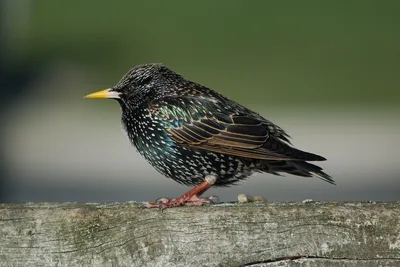 LC
Birds
Common starling
Sturnus vulgaris
The common starling is a glossy black songbird of Europe and Asia, spangled with white spots in winter.
Living LC
Birds
Barn swallow
Hirundo rustica
The barn swallow is the most widespread swallow on earth, with a steel blue back and a deeply forked tail.
Living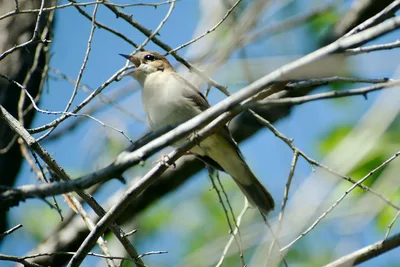 LC
Birds
Common nightingale
Luscinia megarhynchos
The common nightingale is a small brown songbird of dense scrub in Europe and western Asia.
Living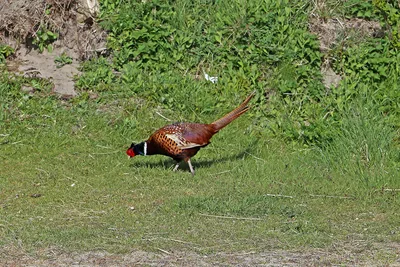 LC
Birds
Common pheasant
Phasianus colchicus
The common pheasant is a long-tailed gamebird from Asia that people have released across the world.
Living