Cormorant
Phalacrocoracidae
Living individuals or members of this group exist today. This does not mean they are safe from extinction.
Cormorants are fish-eating diving birds. This account describes the great cormorant (Phalacrocorax carbo), a widespread species of coasts, estuaries and large inland waters.
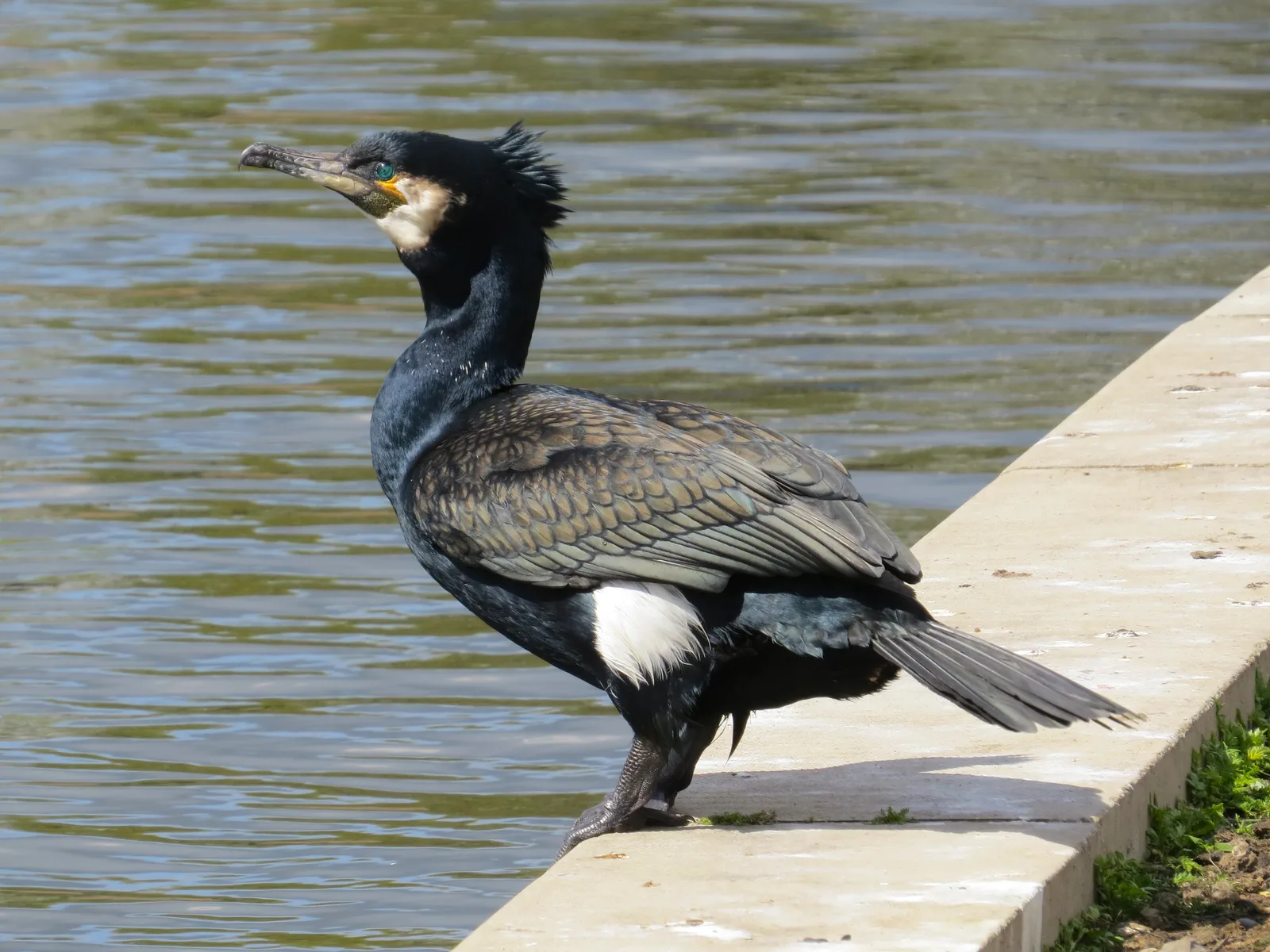
Representative species: Phalacrocorax carbo.
At a glance
- Location
- Coasts and large fresh waters across several continents.
- Habitat
- Coast, Rivers and lakes
- Diet
- Piscivore
- Food
- Primarily fish, with occasional crustaceans.
Classification
- Common name
- Cormorant
- Browse group
- Birds
- Scientific name or taxon
- Phalacrocoracidae
- Taxon rank
- family
- Order
- Suliformes
- Family
- Phalacrocoracidae
- Source classification
- Aves
Taxonomy checked against GBIF. For breeds and hybrids, this describes the listed parent taxon.
Three things to know
- It pursues fish underwater.
- Adults develop white patches during breeding.
- Salt glands help it cope with seawater.
Habitat and range
Great cormorants inhabit coasts, lakes and rivers across Europe, Asia, Africa, Australia and northeastern North America. North American birds are especially associated with marine shores; inland waters are also important in Eurasia.
Appearance and adaptations
A long neck and dark, glossy body give the bird a distinctive swimming outline. Breeding adults develop extra white plumage around the head and on the thighs.
Diet and behaviour
Fish are pursued underwater using vision. Small catches may be swallowed below the surface, while larger ones are brought up. Birds can forage alone or in groups, and northern populations may move seasonally to milder waters.
Sources
- Animal Diversity Web: Phalacrocorax carbo
- A–Z Animals: Cormorant · Directory entry
Explore birds
Browse all birds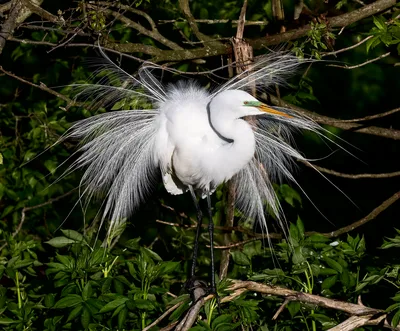
Birds
Egret
Ardeidae
Egrets are herons known for pale plumage in several species.
Living LC
Birds
Osprey
Pandion haliaetus
The osprey is a large brown and white raptor that lives on fish and hunts by plunging feet first into water.
Living LC
Birds
Common kingfisher
Alcedo atthis
The common kingfisher is a small blue and orange bird of clear, slow rivers across Europe, Asia and North Africa.
Living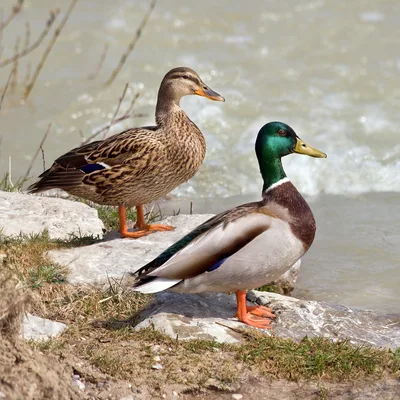
Birds
Duck
Anatidae
Ducks are waterbirds with many different feeding habits.
Living