Chinchilla
Chinchilla
Living individuals or members of this group exist today. This does not mean they are safe from extinction.
Chinchillas are South American rodents with exceptionally dense fur. This account focuses on the long-tailed chinchilla (Chinchilla lanigera), rather than all chinchillas.
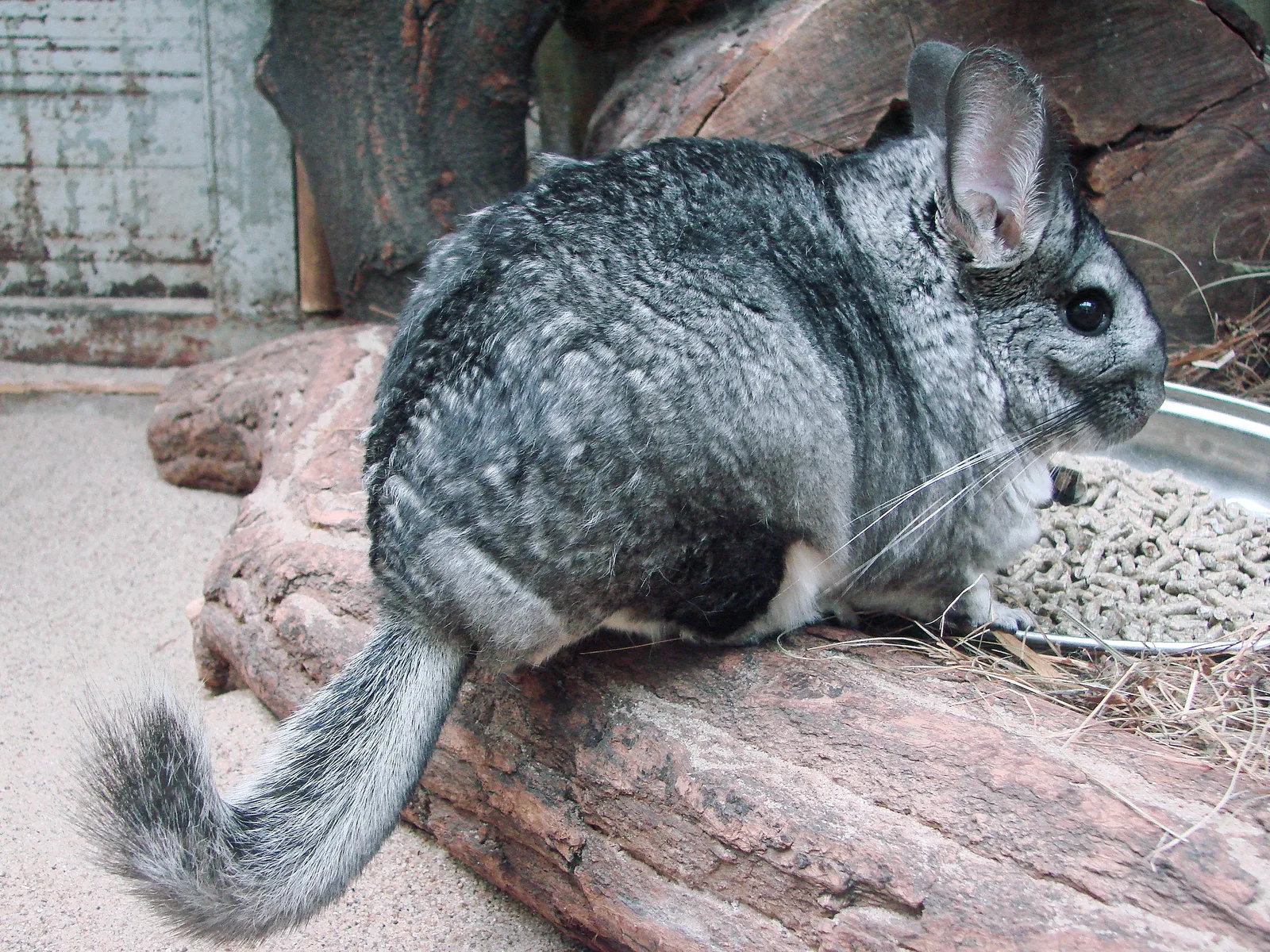
Representative species: Chinchilla lanigera.
At a glance
- Location
- Wild long-tailed chinchillas are associated with rocky, dry landscapes in northern Chile. Captive domestic chinchillas are kept elsewhere and do not define the wild range.
- Habitat
- Mountains
- Diet
- Herbivore
- Food
- Grasses, seeds and other vegetation form most food.
Classification
- Common name
- Chinchilla
- Browse group
- Mammals
- Scientific name or taxon
- Chinchilla
- Source classification
- Mammalia
Three things to know
- Dense fur covers its body.
- Rock crevices provide shelter.
- It holds food in its forepaws.
Habitat and range
Wild long-tailed chinchillas are associated with rocky, dry landscapes in northern Chile. Captive domestic chinchillas are kept elsewhere and do not define the wild range.
Appearance and adaptations
A broad head, prominent ears and a furry tail distinguish this rodent. Its soft coat is unusually dense.
Diet and behaviour
Grasses, seeds and other vegetation form most food. It shelters among rocks and is generally most active at night or around twilight. Individuals are social, though interactions can include threats and competition.
Sources
- Animal Diversity Web: Chinchilla lanigera
- A–Z Animals: Chinchilla · Directory entry
Explore mammals
Browse all mammals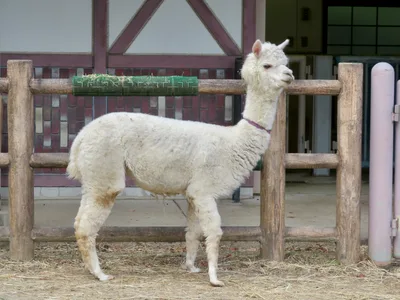
Mammals
Alpaca
Vicugna pacos
The alpaca is a domesticated Andean camelid kept for its fleece.
Living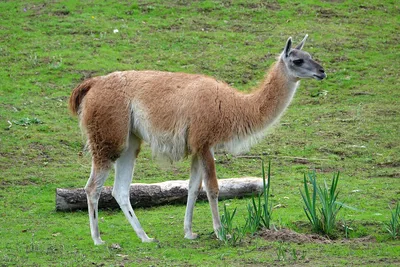 LC
Mammals
Guanaco
Lama guanicoe
The guanaco is the wild camelid of South America and the ancestor of the llama.
Living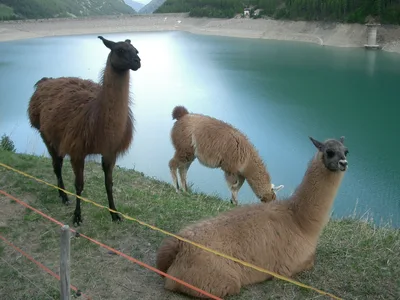
Mammals
Llama
Lama glama
The llama is a domesticated South American camelid used as a pack animal.
Living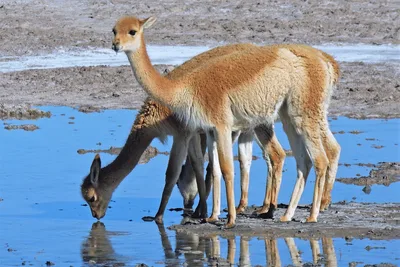 LC
Mammals
Vicuña
Vicugna vicugna
The vicuña is the smallest wild camelid and the ancestor of the alpaca, living on the high grassland of the central Andes.
Living