Bumblebee
Bombus
Living individuals or members of this group exist today. This does not mean they are safe from extinction.
Bumblebees are social bees that gather nectar and pollen. This account follows the common eastern bumblebee, a widespread North American species whose colonies are normally founded by a single queen.
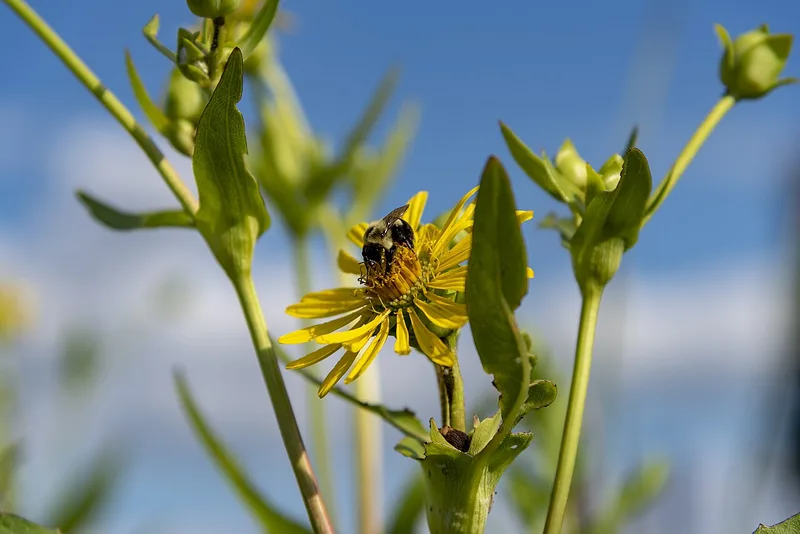
Common eastern bumblebee (Bombus impatiens) visiting a flower.
At a glance
- Location
- Bombus impatiens is the representative used here. It occupies eastern North American grasslands, farms, woodland margins and towns. Colonies usually nest underground, with workers visiting flowers through the warmer months.
- Habitat
- Grassland, Temperate forest, Towns and cities
- Diet
- Nectarivore
- Food
- Workers collect nectar and pollen while pollinating visited plants.
Classification
- Common name
- Bumblebee
- Browse group
- Insects
- Scientific name or taxon
- Bombus
- Source classification
- Insecta
Three things to know
- Colonies usually nest underground.
- A queen founds the colony.
- Workers gather nectar and pollen.
Habitat and range
Bombus impatiens is the representative used here. It occupies eastern North American grasslands, farms, woodland margins and towns. Colonies usually nest underground, with workers visiting flowers through the warmer months.
Appearance and adaptations
Pale yellow hairs cover much of the thorax, contrasting with darker areas on the head and abdomen. Queens are larger than workers. Males and females also differ in facial colouring.
Diet and behaviour
Workers collect nectar and pollen while pollinating visited plants. The colony develops from a queen's first brood, after which workers care for young and gather food. Colony roles differ among queens, workers and males.
Sources
- Animal Diversity Web: Bombus impatiens
- A–Z Animals: Bumblebee · Directory entry
Explore insects
Browse all insects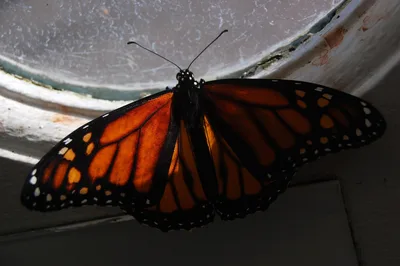 VU
Insects
Monarch butterfly
Danaus plexippus
The monarch butterfly makes the longest migration of any insect.
Living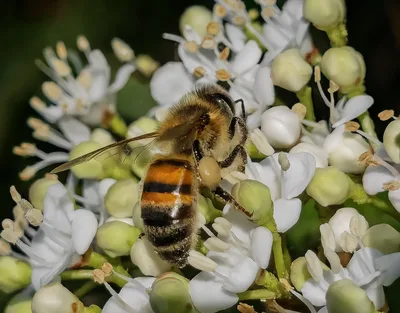 DD
Insects
Western honey bee
Apis mellifera
The western honey bee lives in colonies of tens of thousands and turns nectar into honey.
Living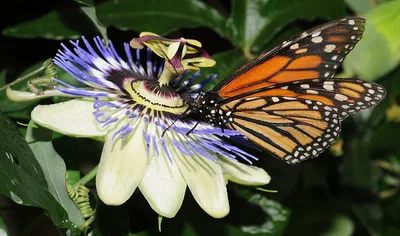
Insects
Butterfly
Lepidoptera
Butterflies have diverse life histories.
Living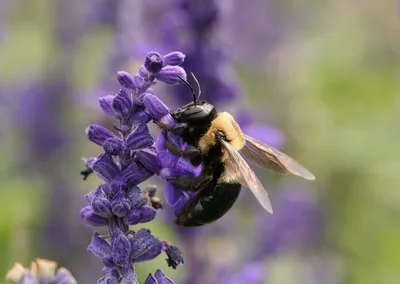
Insects
Carpenter bee
Xylocopa
Carpenter bees excavate wood for nesting.
Living