Butterfly
Lepidoptera
Living individuals or members of this group exist today. This does not mean they are safe from extinction.
Butterflies have diverse life histories. This account follows the monarch (Danaus plexippus), whose orange wings and milkweed-feeding caterpillars are familiar across the Americas.
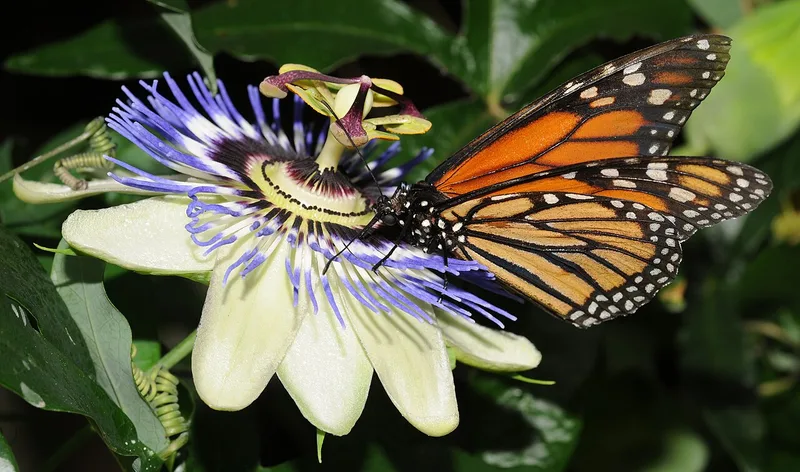
Danaus plexippus, the representative described in this account.
At a glance
- Location
- Monarchs breed in open country where milkweeds grow.
- Habitat
- Grassland, Temperate forest
- Diet
- Nectarivore
- Food
- Adults drink flower nectar, while caterpillars chew milkweed leaves.
Classification
- Common name
- Butterfly
- Browse group
- Insects
- Scientific name or taxon
- Lepidoptera
- Taxon rank
- order
- Order
- Lepidoptera
- Source classification
- Insecta
Taxonomy checked against GBIF. For breeds and hybrids, this describes the listed parent taxon.
Three things to know
- Caterpillars feed on milkweed.
- Adults drink nectar.
- Some populations migrate seasonally.
Habitat and range
Monarchs breed in open country where milkweeds grow. Some North American populations travel to sheltered wintering areas in Mexico or coastal California; their movements do not describe every butterfly.
Appearance and adaptations
Orange wings carry black veins and borders dotted with white. Caterpillars acquire defensive chemicals from their milkweed food, linking the butterfly's appearance to its life history.
Diet and behaviour
Adults drink flower nectar, while caterpillars chew milkweed leaves. After growing through the caterpillar stage, each animal transforms within a chrysalis before emerging with wings.
Sources
- Animal Diversity Web: Danaus plexippus
- A–Z Animals: Butterfly · Directory entry
Explore insects
Browse all insects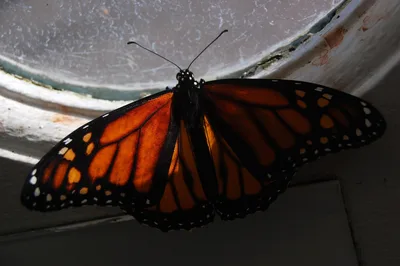 VU
Insects
Monarch butterfly
Danaus plexippus
The monarch butterfly makes the longest migration of any insect.
Living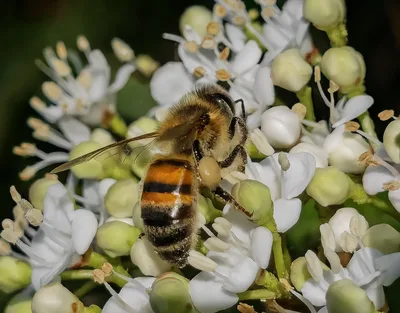 DD
Insects
Western honey bee
Apis mellifera
The western honey bee lives in colonies of tens of thousands and turns nectar into honey.
Living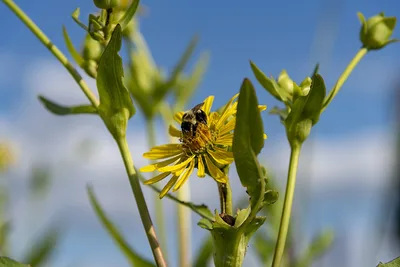
Insects
Bumblebee
Bombus
Bumblebees are social bees that gather nectar and pollen.
Living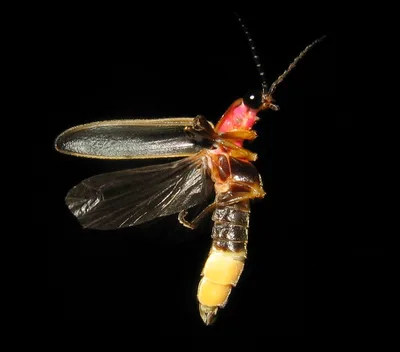
Insects
Firefly
Lampyridae
Fireflies are light-producing beetles.
Living