Bat
Chiroptera
Living individuals or members of this group exist today. This does not mean they are safe from extinction.
Bats include many different feeding and roosting specialists. This account follows the little brown bat, a North American insect hunter that uses echolocation and shelters in protected roosts.
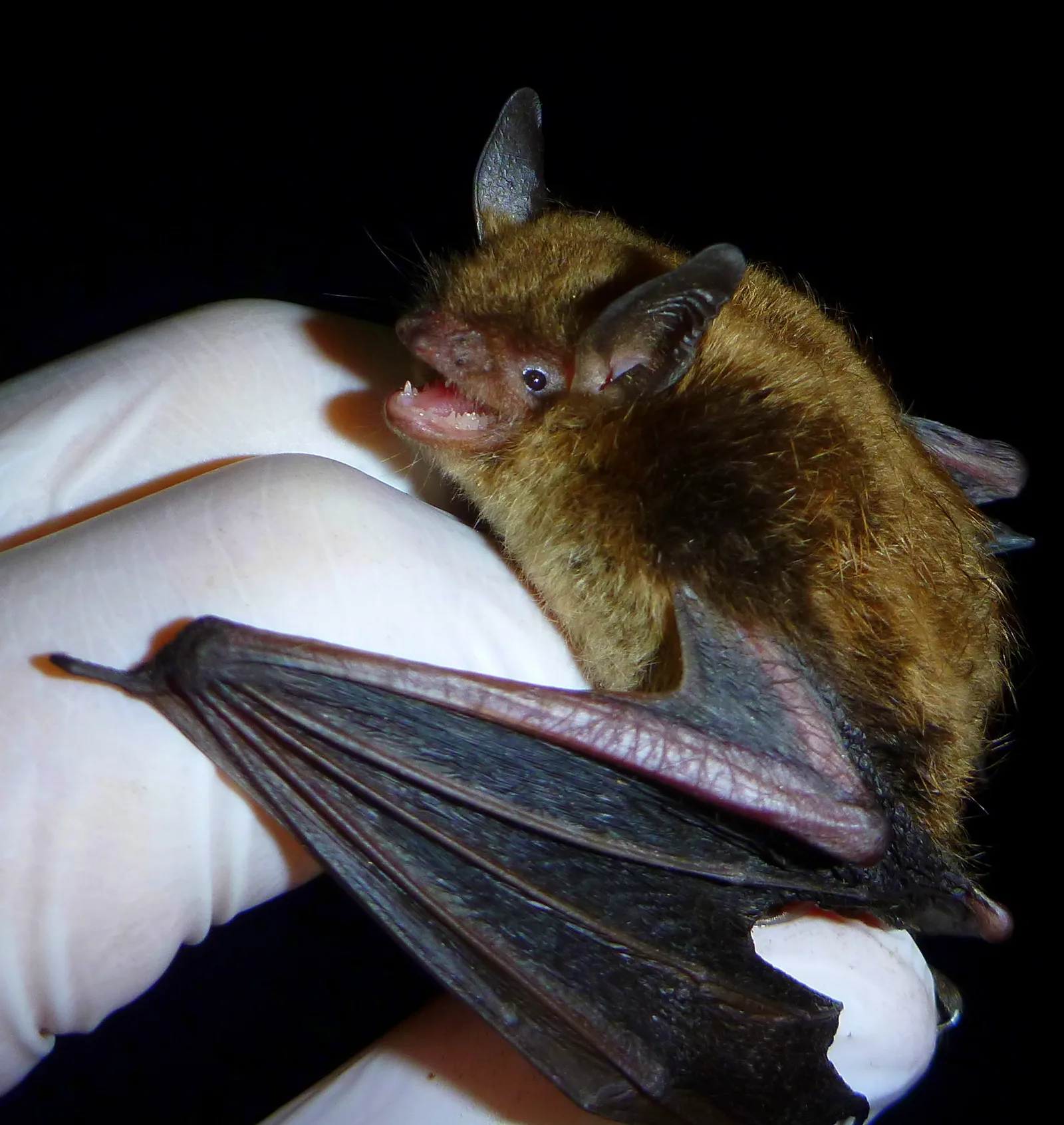
Little brown bat (Myotis lucifugus), the representative described here, held in a gloved hand.
At a glance
- Location
- This representative is the little brown bat, Myotis lucifugus, rather than every member of Chiroptera. It lives across much of North America, often in wooded country near water. Trees, buildings and other sheltered spaces can serve as summer roosts.
- Habitat
- Temperate forest, Rivers and lakes
- Diet
- Insectivore
- Food
- Little brown bats emerge around dusk to hunt small insects, including midges, moths and caddisflies.
Classification
- Common name
- Bat
- Browse group
- Mammals
- Scientific name or taxon
- Chiroptera
- Taxon rank
- order
- Order
- Chiroptera
- Source classification
- Mammalia
Taxonomy checked against GBIF. For breeds and hybrids, this describes the listed parent taxon.
Three things to know
- The little brown bat catches insects after dusk.
- It uses echolocation to locate prey.
- Winter shelters include caves and abandoned mines.
Habitat and range
This representative is the little brown bat, Myotis lucifugus, rather than every member of Chiroptera. It lives across much of North America, often in wooded country near water. Trees, buildings and other sheltered spaces can serve as summer roosts.
Appearance and adaptations
Glossy brown fur covers the body, while the dark wing membranes carry little hair. Long fingers support the wings. The relatively small ears and furred hind feet are among the features used when identifying this species.
Diet and behaviour
Little brown bats emerge around dusk to hunt small insects, including midges, moths and caddisflies. Echolocation helps them locate flying prey and obstacles. In colder seasons they enter prolonged torpor in suitable caves or mines.
Sources
- Animal Diversity Web: Myotis lucifugus
- A–Z Animals: Bat · Directory entry
Explore mammals
Browse all mammals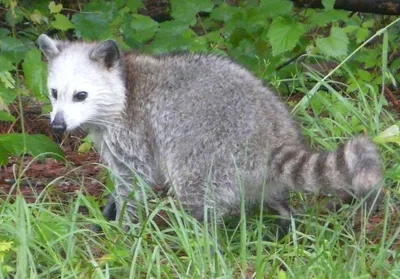 LC
Mammals
Raccoon
Procyon lotor
The raccoon is a masked, ring-tailed omnivore native to North America.
Living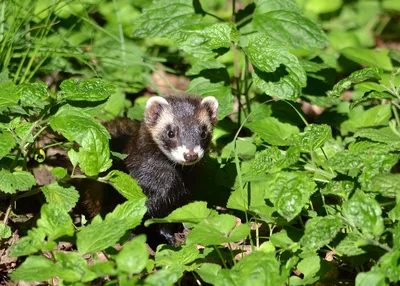 LC
Mammals
European polecat
Mustela putorius
The European polecat is a dark, stocky mustelid with a pale face mask that hunts frogs, voles and rabbits by night.
Living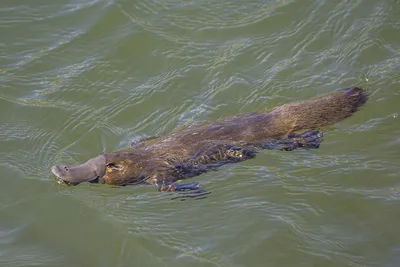 NT
Mammals
Platypus
Ornithorhynchus anatinus
The platypus is an egg-laying mammal of the rivers of eastern Australia.
Living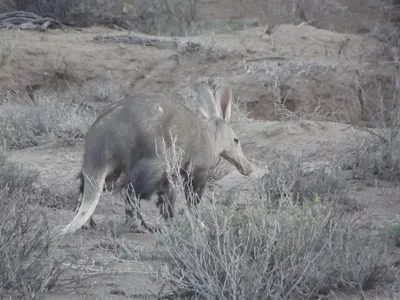 LC
Mammals
Aardvark
Orycteropus afer
The aardvark is a pig-sized burrowing mammal of sub-Saharan Africa.
Living