Asian Elephant
Elephas maximus
Living individuals or members of this group exist today. This does not mean they are safe from extinction.
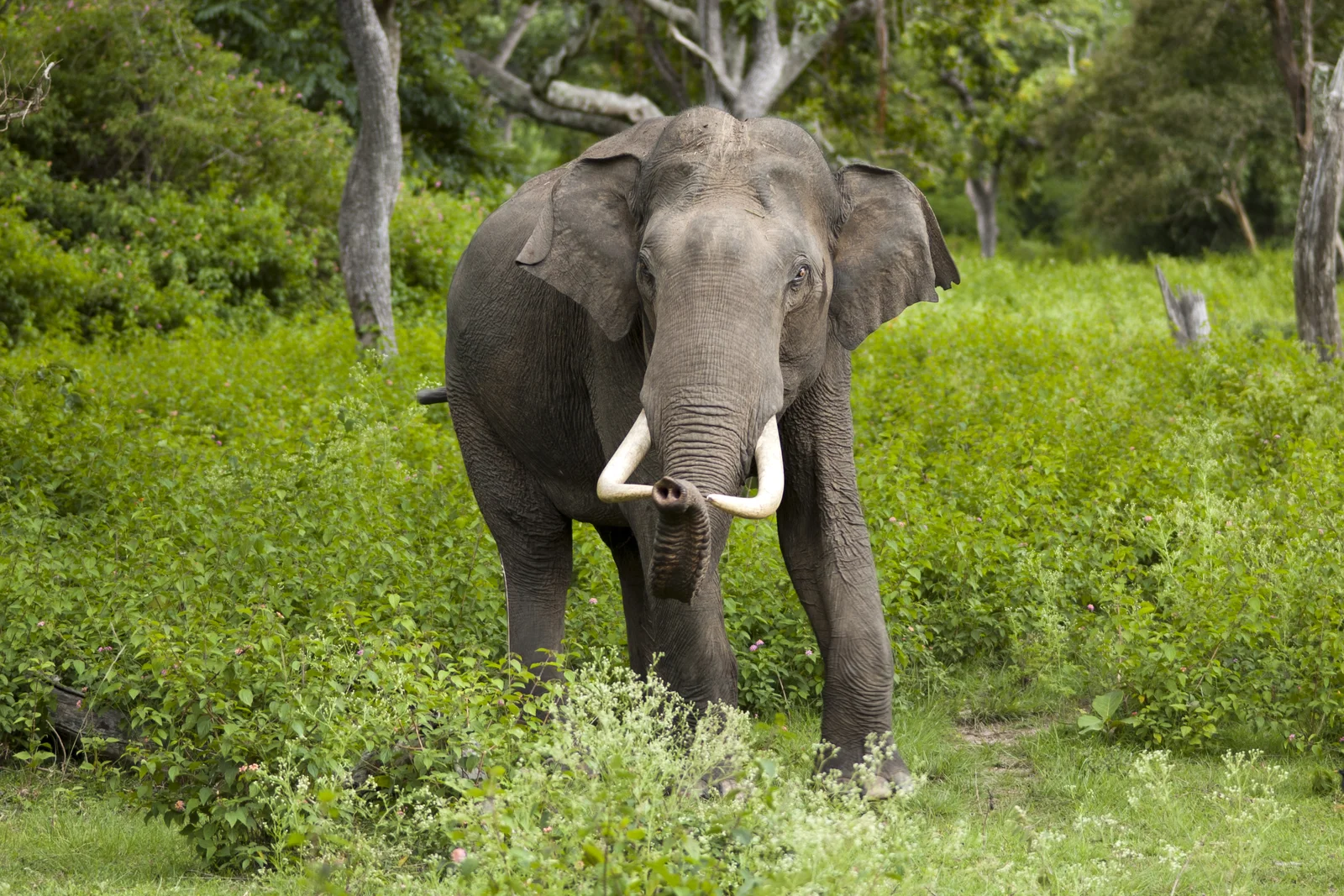
The Asian elephant is a large herbivore native to southern and southeastern Asia. Its trunk combines breathing, smelling, touching and food handling.
At a glance
- Location
- South and Southeast Asian forests, grasslands and connected landscapes.
- Habitat
- Rainforest, Grassland, Temperate forest
- Diet
- Herbivore
- Food
- Grasses, leaves, bark and other vegetation.
Classification
- Common name
- Asian Elephant
- Browse group
- Mammals
- Scientific name or taxon
- Elephas maximus
- Taxon rank
- species
- Order
- Proboscidea
- Family
- Elephantidae
- Genus
- Elephas
- Source classification
- Mammalia
Taxonomy checked against GBIF. For breeds and hybrids, this describes the listed parent taxon.
Measurements
Size and speed
- Weight
- 2 to 6 t adult range in the cited account
Typical adult ranges. Source: Animal Diversity Web.
Three things to know
- The trunk handles food and other objects.
- The diet includes many kinds of plants.
- Visible tusks vary between individuals and populations.
Habitat and range
South and Southeast Asian forests, grasslands and connected landscapes.
Appearance and adaptations
A muscular trunk extends from the face. Ears are smaller than those of African elephants, and visible tusks vary with sex and population.
Diet and behaviour
Elephants spend much of their time finding plant food and water. Female relatives commonly associate in groups, while adult males have different social patterns.
Sources
- Animal Diversity Web: Elephas maximus
- A–Z Animals: Asian Elephant · Directory entry
Explore mammals
Browse all mammals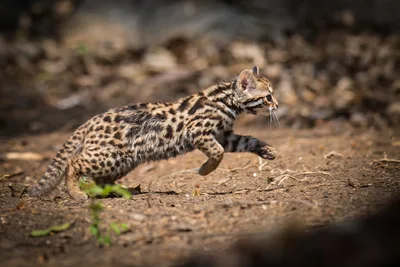 LC
Mammals
Leopard cat
Prionailurus bengalensis
The leopard cat is a small spotted cat found across South, Southeast and East Asia, from Pakistan to the Russian Far East.
Living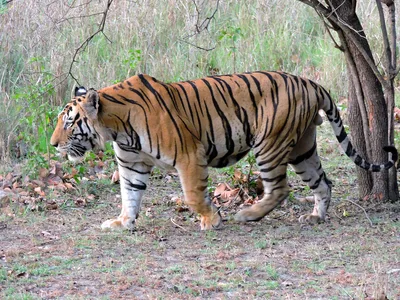 EN
Mammals
Tiger
Panthera tigris
The tiger is the largest living cat and the only one with stripes.
Living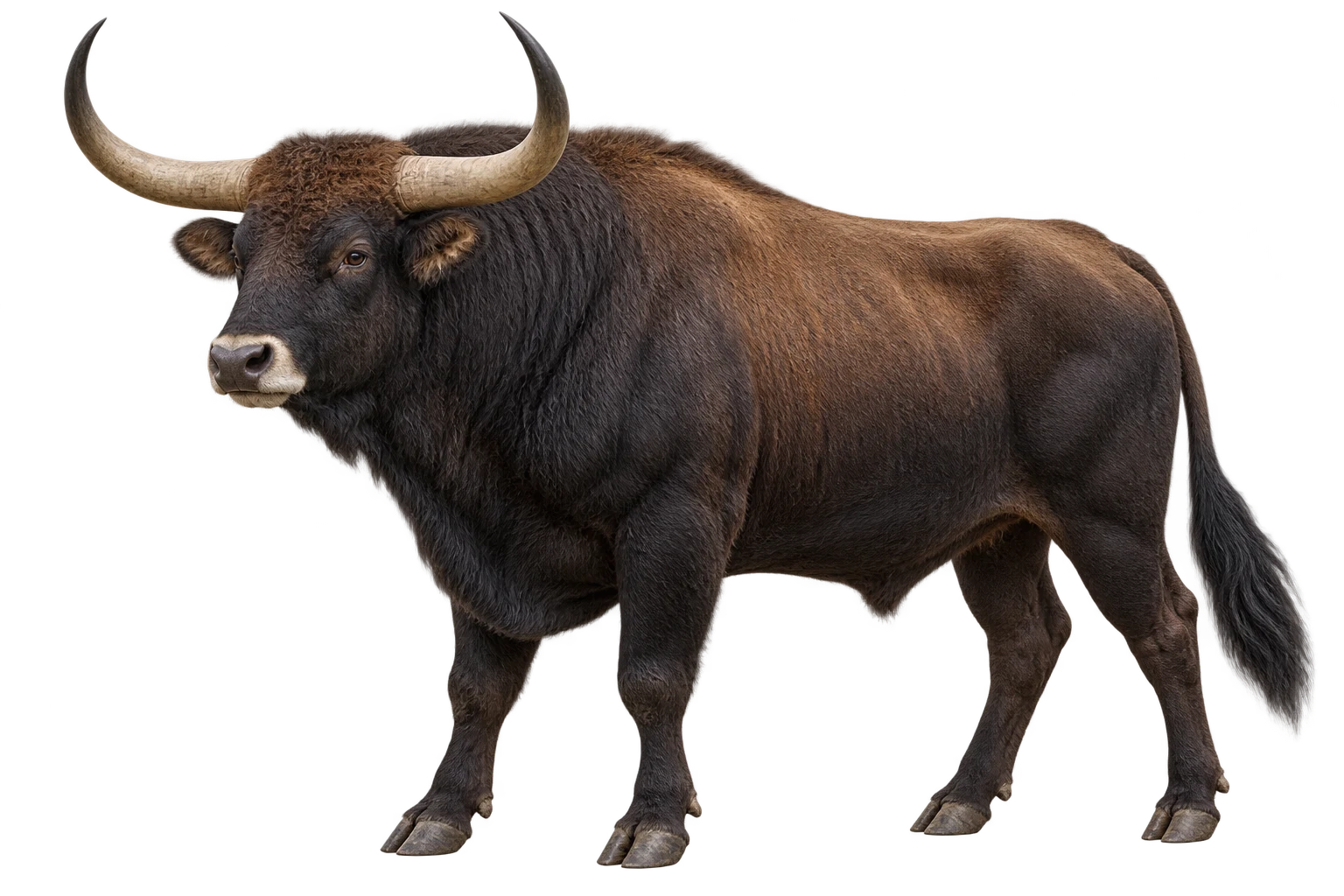 EX
Mammals
Aurochs
Bos primigenius
The aurochs was the wild ox of Europe, North Africa and much of Asia, and the ancestor of domestic cattle.
ExtinctAI reconstruction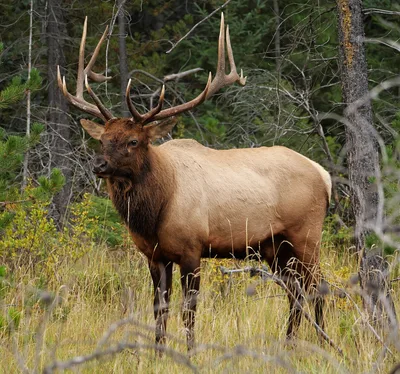 LC
Mammals
Elk
Cervus canadensis
The elk, or wapiti, is the second largest deer in the world.
Living