African Forest Elephant
Loxodonta cyclotis
Living individuals or members of this group exist today. This does not mean they are safe from extinction.
The African forest elephant moves through the rainforests of western and central Africa. Smaller than the savanna elephant, it has rounded ears and relatively straight tusks that point downwards.
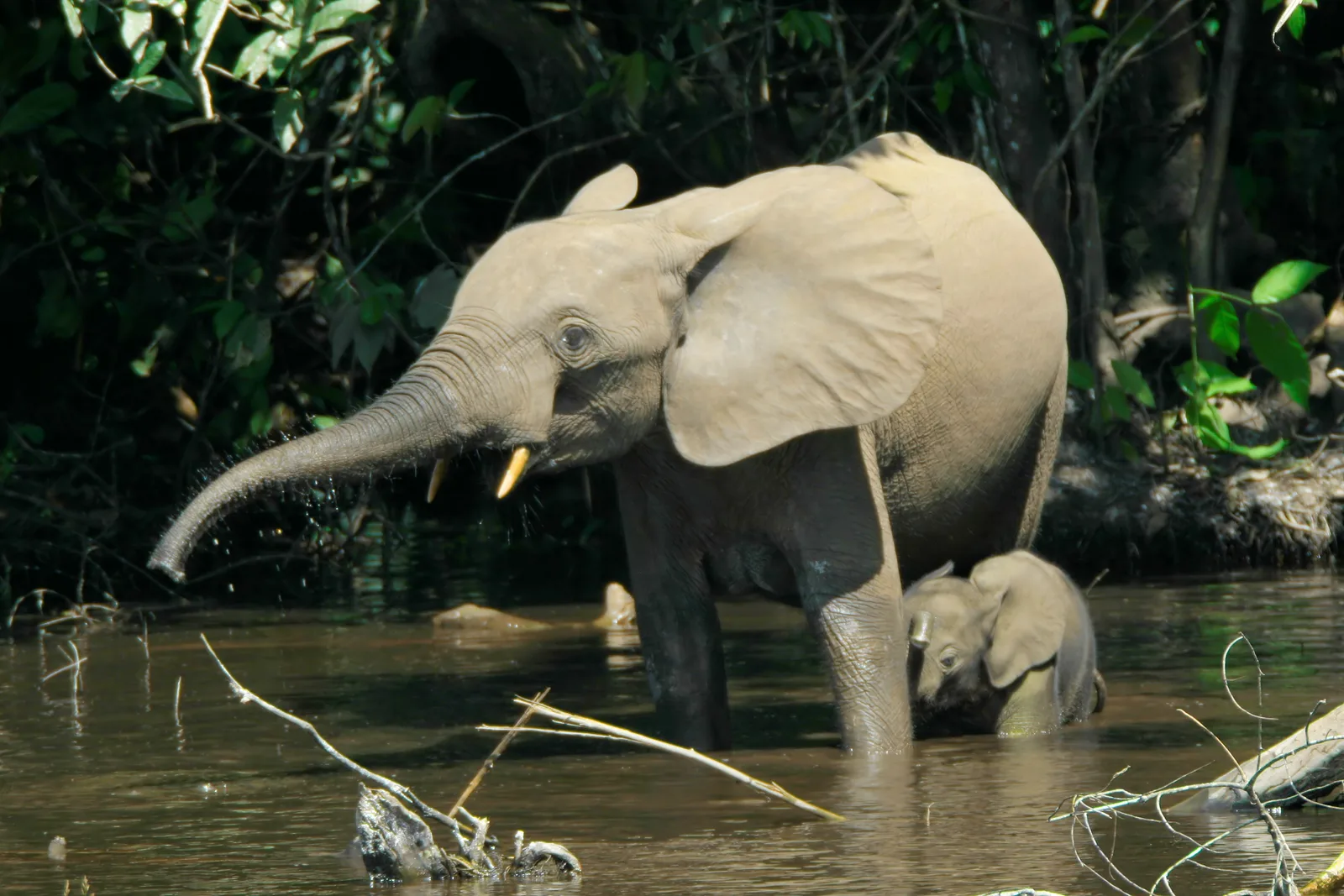
African forest elephant photographed in its forest habitat.
At a glance
- Location
- African forest elephants occupy tropical forests in western and central Africa. Lowland rainforest and swamp forest provide food and shelter, and their use of these habitats changes with the seasons.
- Habitat
- Rainforest, Wetlands
- Diet
- Herbivore
- Food
- Fruit, leaves, bark and twigs make up its plant diet.
Classification
- Common name
- African Forest Elephant
- Browse group
- Mammals
- Scientific name or taxon
- Loxodonta cyclotis
- Taxon rank
- species
- Order
- Proboscidea
- Family
- Elephantidae
- Genus
- Loxodonta
- Source classification
- Mammalia
Taxonomy checked against GBIF. For breeds and hybrids, this describes the listed parent taxon.
Three things to know
- Its ears are more rounded than a savanna elephant's.
- Fruit is an important part of its diet.
- Females travel with their young in small family groups.
Habitat and range
African forest elephants occupy tropical forests in western and central Africa. Lowland rainforest and swamp forest provide food and shelter, and their use of these habitats changes with the seasons.
Appearance and adaptations
Rounded ears, a smaller build and relatively slender, downward-pointing tusks help distinguish this species from the African savanna elephant. Its flexible trunk handles food and water and also serves as a sensitive organ of smell.
Diet and behaviour
Fruit, leaves, bark and twigs make up its plant diet. What it eats varies with the trees and fruit available locally. Females and their offspring usually travel in small family parties, while adult males are often alone.
Sources
Explore mammals
Browse all mammals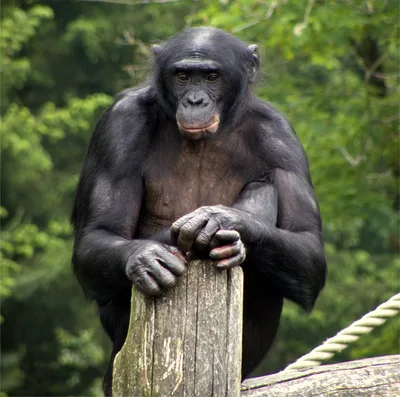
Mammals
Bonobo
Pan paniscus
The bonobo is a great ape of the Congo Basin.
Living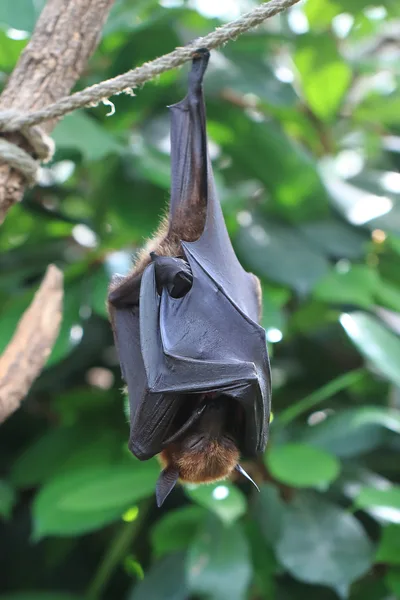
Mammals
Flying fox
Pteropus
Flying foxes are fruit bats with large eyes and fox-like faces.
Living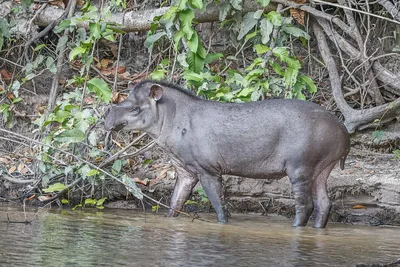
Mammals
Tapir
Tapiridae
Tapirs are large browsing mammals with short flexible snouts.
Living NT
Mammals
African buffalo
Syncerus caffer
The African buffalo is a heavy wild ox of sub-Saharan Africa that lives in herds of dozens to thousands and must drink every day.
Living