River Otter
Lontra canadensis
Living individuals or members of this group exist today. This does not mean they are safe from extinction.
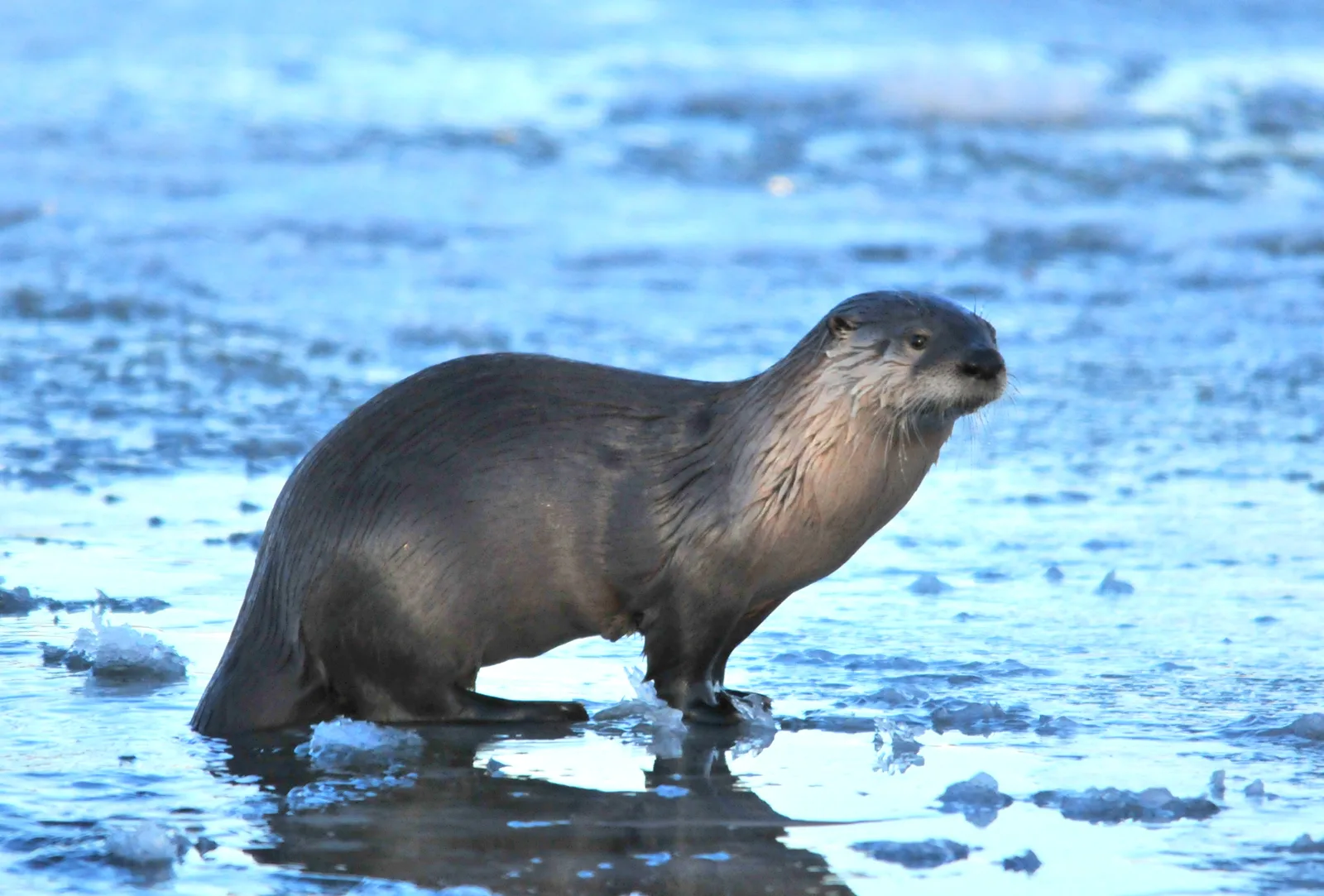
The North American river otter is a streamlined predator that uses both inland waterways and coastal habitats. Dense fur helps keep it insulated while swimming.
At a glance
- Location
- North American river otters inhabit suitable waterways across much of Canada and the United States. Rivers, lakes, marshes and estuaries provide food and shelter.
- Habitat
- Rivers and lakes, Wetlands, Coast
- Diet
- Piscivore
- Food
- Fish, crayfish and other aquatic animals make up much of the diet.
Classification
- Common name
- River Otter
- Browse group
- Mammals
- Scientific name or taxon
- Lontra canadensis
- Taxon rank
- species
- Order
- Carnivora
- Family
- Mustelidae
- Genus
- Lontra
- Source classification
- Mammalia
Taxonomy checked against GBIF. For breeds and hybrids, this describes the listed parent taxon.
Measurements
Size and speed
- Weight
- 5 to 14 kg adult range reported by ADW
Typical adult ranges. Source: Animal Diversity Web.
Three things to know
- Its feet are fully webbed.
- Long whiskers help it detect prey.
- It uses natural cavities or burrows for shelter.
Habitat and range
North American river otters inhabit suitable waterways across much of Canada and the United States. Rivers, lakes, marshes and estuaries provide food and shelter.
Appearance and adaptations
A long body, tapered tail and short legs suit movement through water. Dense dark fur is paler around the throat and underside.
Diet and behaviour
Fish, crayfish and other aquatic animals make up much of the diet. Individuals may live alone or in family groups. Sliding and water play can contribute to social interaction and the development of hunting skills.
Sources
- Animal Diversity Web: Lontra canadensis
- A–Z Animals: River Otter · Directory entry
Explore mammals
Browse all mammals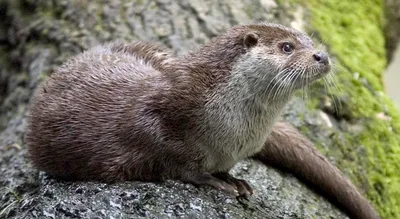
Mammals
Otter
Lutrinae
Otters are water-associated members of the weasel family.
Living
Mammals
Beaver
Castoridae
Beavers are semiaquatic rodents that alter waterways.
Living LC
Mammals
Beluga whale
Delphinapterus leucas
The beluga whale is a white toothed whale of Arctic and sub-Arctic seas.
Living NT
Mammals
Jaguar
Panthera onca
The jaguar is the largest cat in the Americas and the third largest in the world.
Living