Praying Mantis
Mantodea
Living individuals or members of this group exist today. This does not mean they are safe from extinction.
Praying mantises are insect predators with grasping front legs. This account follows the European mantis (Mantis religiosa), using the cited Colorado account's local scope.
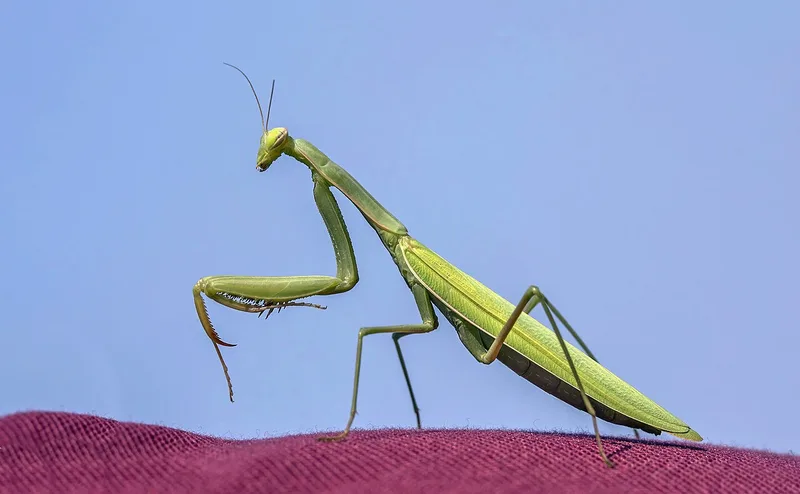
Mantis religiosa, the representative described in this account.
At a glance
- Location
- European mantises occur in open vegetated habitats and are introduced in parts of North America.
- Habitat
- Grassland, Towns and cities
- Diet
- Carnivore
- Food
- Other insects provide food, including both plant pests and beneficial species.
Classification
- Common name
- Praying Mantis
- Browse group
- Insects
- Scientific name or taxon
- Mantodea
- Taxon rank
- order
- Order
- Mantodea
- Source classification
- Insecta
Taxonomy checked against GBIF. For breeds and hybrids, this describes the listed parent taxon.
Three things to know
- Spined front legs grasp prey.
- It eats other insects.
- Eggs develop in a protective case.
Habitat and range
European mantises occur in open vegetated habitats and are introduced in parts of North America. The Colorado source describes their use of suitable vegetation and sheltered egg-laying surfaces.
Appearance and adaptations
An elongated front thorax supports spined grasping legs. The head can turn readily, and adults may be green or brown.
Diet and behaviour
Other insects provide food, including both plant pests and beneficial species. Eggs are protected within a hardened case, and juveniles grow through successive molts before becoming adults.
Sources
Explore insects
Browse all insects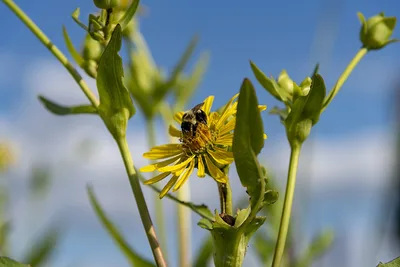
Insects
Bumblebee
Bombus
Bumblebees are social bees that gather nectar and pollen.
Living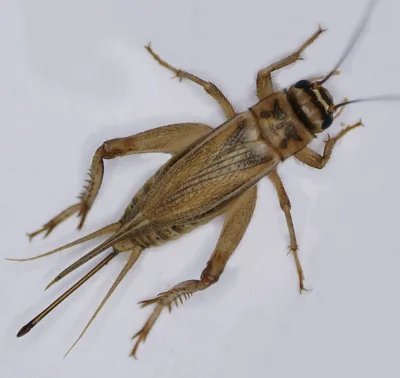
Insects
Cricket
Gryllidae
Crickets include many chirping insects.
Living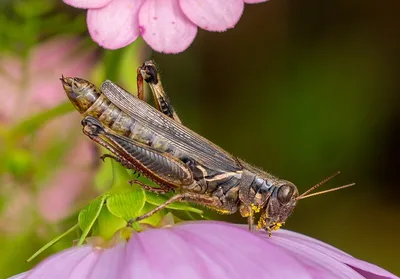
Insects
Grasshopper
Orthoptera
Grasshoppers include many plant-eating species.
Living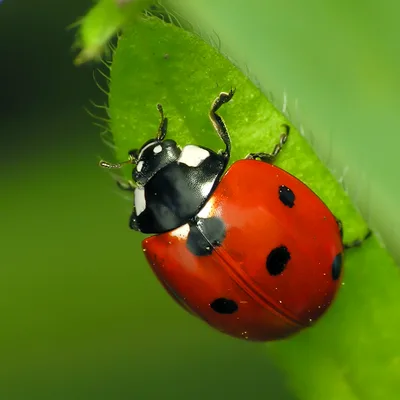
Insects
Ladybug
Coccinellidae
Ladybugs are beetles, many of which hunt plant-feeding insects.
Living