Cricket
Gryllidae
Living individuals or members of this group exist today. This does not mean they are safe from extinction.
Crickets include many chirping insects. This account follows the house cricket (Acheta domesticus), which can complete its life cycle in warm buildings.
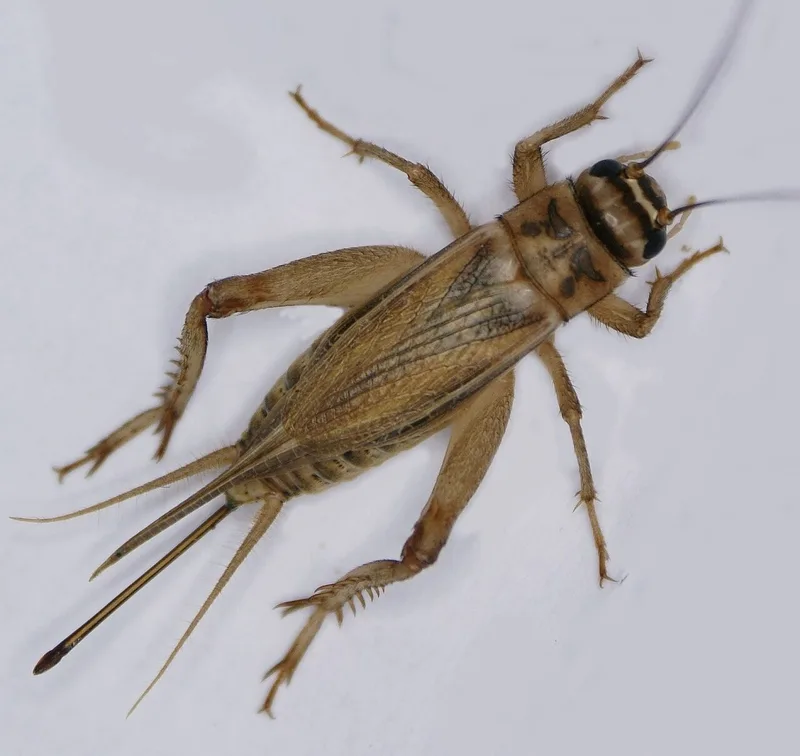
Acheta domesticus, the representative described in this account.
At a glance
- Location
- House crickets use warm, sheltered places and can persist indoors.
- Habitat
- Towns and cities, Grassland
- Diet
- Omnivore
- Food
- House crickets are opportunistic feeders using varied organic material.
Classification
- Common name
- Cricket
- Browse group
- Insects
- Scientific name or taxon
- Gryllidae
- Taxon rank
- family
- Order
- Orthoptera
- Family
- Gryllidae
- Source classification
- Insecta
Taxonomy checked against GBIF. For breeds and hybrids, this describes the listed parent taxon.
Three things to know
- Adults have long antennae.
- Males make calling songs.
- Warm shelter can support an indoor life cycle.
Habitat and range
House crickets use warm, sheltered places and can persist indoors. Dark crevices provide daytime shelter, while outdoor populations use suitable open habitats near available food.
Appearance and adaptations
Adults are straw-brown with three dark head bands and antennae longer than the body. Females have a long egg-laying appendage at the abdomen's tip.
Diet and behaviour
House crickets are opportunistic feeders using varied organic material. They emerge mainly at night. Males produce calling sounds by rubbing specialised parts of the forewings together.
Sources
- University of California, Riverside: House cricket
- A–Z Animals: Cricket · Directory entry
Explore insects
Browse all insects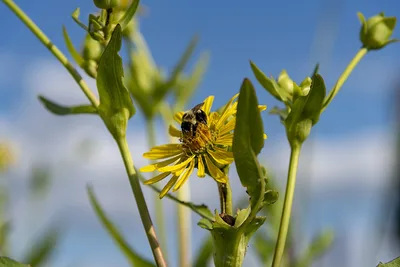
Insects
Bumblebee
Bombus
Bumblebees are social bees that gather nectar and pollen.
Living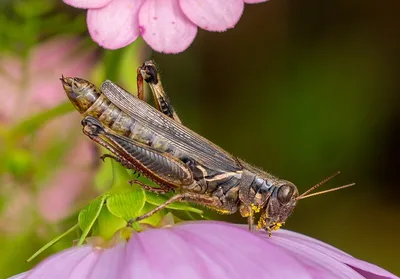
Insects
Grasshopper
Orthoptera
Grasshoppers include many plant-eating species.
Living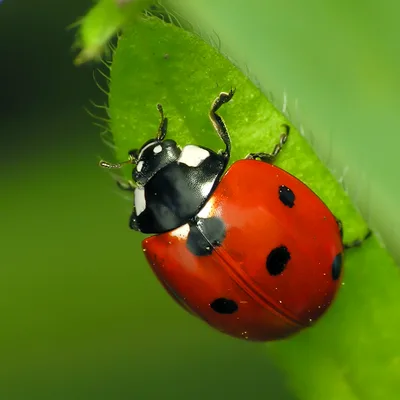
Insects
Ladybug
Coccinellidae
Ladybugs are beetles, many of which hunt plant-feeding insects.
Living VU
Insects
Monarch butterfly
Danaus plexippus
The monarch butterfly makes the longest migration of any insect.
Living