Grasshopper
Orthoptera
Living individuals or members of this group exist today. This does not mean they are safe from extinction.
Grasshoppers include many plant-eating species. This account describes the red-legged grasshopper (Melanoplus femurrubrum), a widespread North American inhabitant of grassy and disturbed sites.
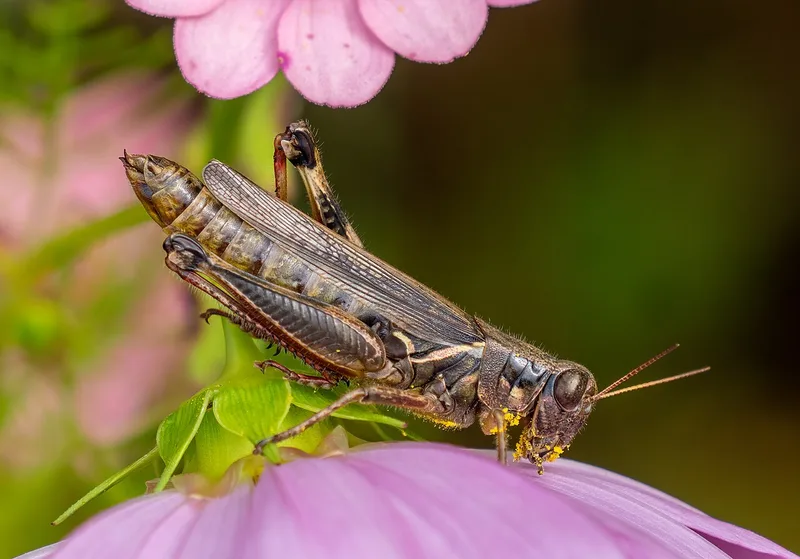
Melanoplus femurrubrum, the representative described in this account.
At a glance
- Location
- Red-legged grasshoppers occupy grasslands, fallow fields, roadsides and open woodland.
- Habitat
- Grassland, Towns and cities
- Diet
- Herbivore
- Food
- Both grasses and broad-leaved plants can provide food.
Classification
- Common name
- Grasshopper
- Browse group
- Insects
- Scientific name or taxon
- Orthoptera
- Taxon rank
- order
- Order
- Orthoptera
- Source classification
- Insecta
Taxonomy checked against GBIF. For breeds and hybrids, this describes the listed parent taxon.
Three things to know
- It eats grasses and other plants.
- Young nymphs lack adult wings.
- Hind legs are adapted for jumping.
Habitat and range
Red-legged grasshoppers occupy grasslands, fallow fields, roadsides and open woodland. Dense vegetation provides food and shelter across much of temperate North America.
Appearance and adaptations
The hind legs are enlarged for jumping, with reddish lower sections commonly visible. Adults have developed wings, whereas young nymphs resemble smaller wingless versions.
Diet and behaviour
Both grasses and broad-leaved plants can provide food. Nymphs pass through several molts before adulthood, and adult flight helps the insects disperse to new feeding areas.
Sources
- Montana Field Guide: Red-legged grasshopper
- A–Z Animals: Grasshopper · Directory entry
Explore insects
Browse all insects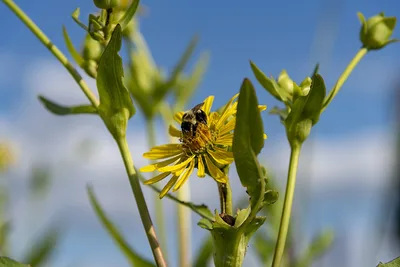
Insects
Bumblebee
Bombus
Bumblebees are social bees that gather nectar and pollen.
Living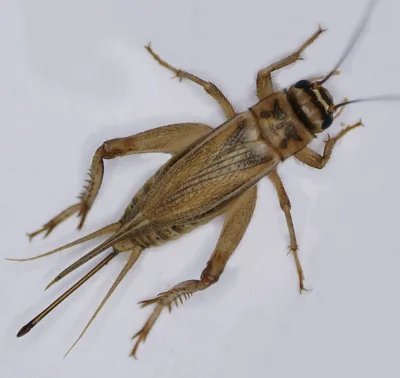
Insects
Cricket
Gryllidae
Crickets include many chirping insects.
Living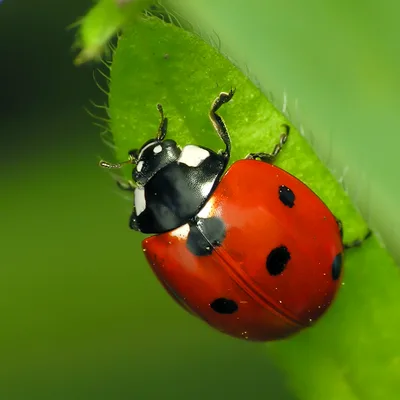
Insects
Ladybug
Coccinellidae
Ladybugs are beetles, many of which hunt plant-feeding insects.
Living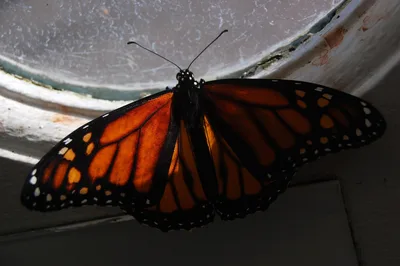 VU
Insects
Monarch butterfly
Danaus plexippus
The monarch butterfly makes the longest migration of any insect.
Living