Pelican
Pelecanidae
Living individuals or members of this group exist today. This does not mean they are safe from extinction.
Pelicans are large waterbirds with expandable throat pouches. This account describes the great white pelican (Pelecanus onocrotalus), which often gathers in groups to catch fish.
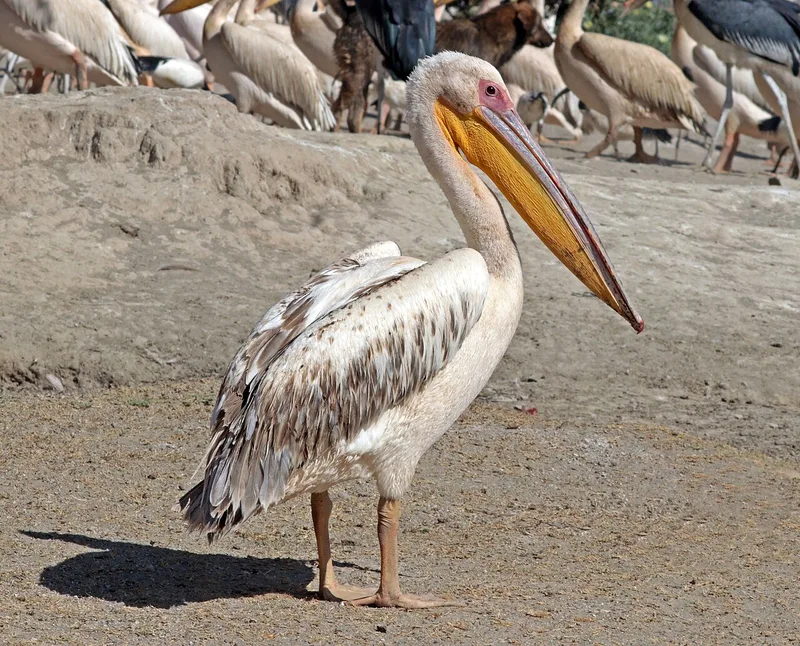
Representative species: Pelecanus onocrotalus.
At a glance
- Habitat
- Wetlands, Rivers and lakes, Coast
- Diet
- Piscivore
- Food
- Mostly fish.
Classification
- Common name
- Pelican
- Browse group
- Birds
- Scientific name or taxon
- Pelecanidae
- Taxon rank
- family
- Order
- Pelecaniformes
- Family
- Pelecanidae
- Source classification
- Aves
Taxonomy checked against GBIF. For breeds and hybrids, this describes the listed parent taxon.
Three things to know
- Its throat pouch helps collect fish.
- Birds may cooperate while feeding.
- It nests in colonies.
Habitat and range
Great white pelicans occupy parts of Europe, Asia and Africa. Lakes, shallow marshes, lagoons and deltas provide feeding habitat, while protected islands and reedbeds can support nesting colonies.
Appearance and adaptations
The bird has mostly white plumage, dark flight feathers and a very large bill. An elastic pouch beneath the lower bill collects water and prey during feeding.
Diet and behaviour
Fish supply most food. Groups can cooperate to drive fish toward shallow water, scoop them up and drain the water before swallowing. Breeding and roosting are often communal, and movements vary among populations.
Sources
- Animal Diversity Web: Pelecanus onocrotalus
- A–Z Animals: Pelican · Directory entry
Explore birds
Browse all birds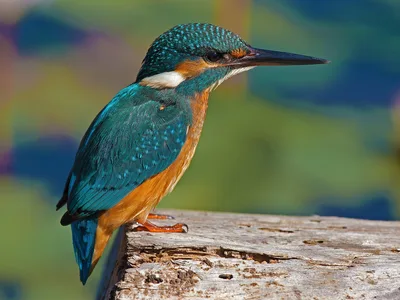 LC
Birds
Common kingfisher
Alcedo atthis
The common kingfisher is a small blue and orange bird of clear, slow rivers across Europe, Asia and North Africa.
Living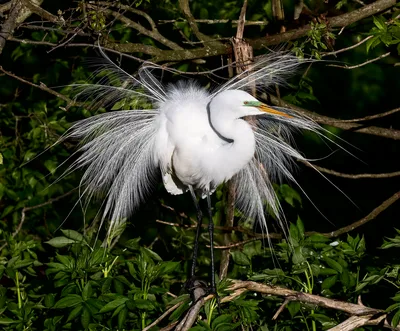
Birds
Egret
Ardeidae
Egrets are herons known for pale plumage in several species.
Living LC
Birds
Grey heron
Ardea cinerea
The grey heron is a tall grey and white wading bird of European, Asian and African wetlands.
Living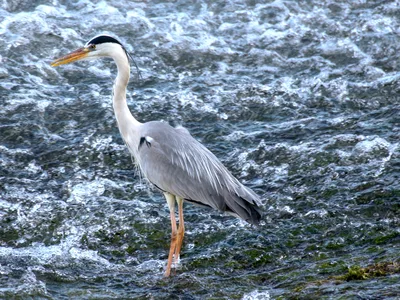
Birds
Heron
Ardeidae
Herons are long-legged waterbirds.
Living