Man of War Jellyfish
Physalia physalis
Living individuals or members of this group exist today. This does not mean they are safe from extinction.
The Portuguese man-of-war is a floating hydrozoan colony rather than a single jellyfish. Its gas-filled float carries specialised feeding and reproductive structures beneath it.
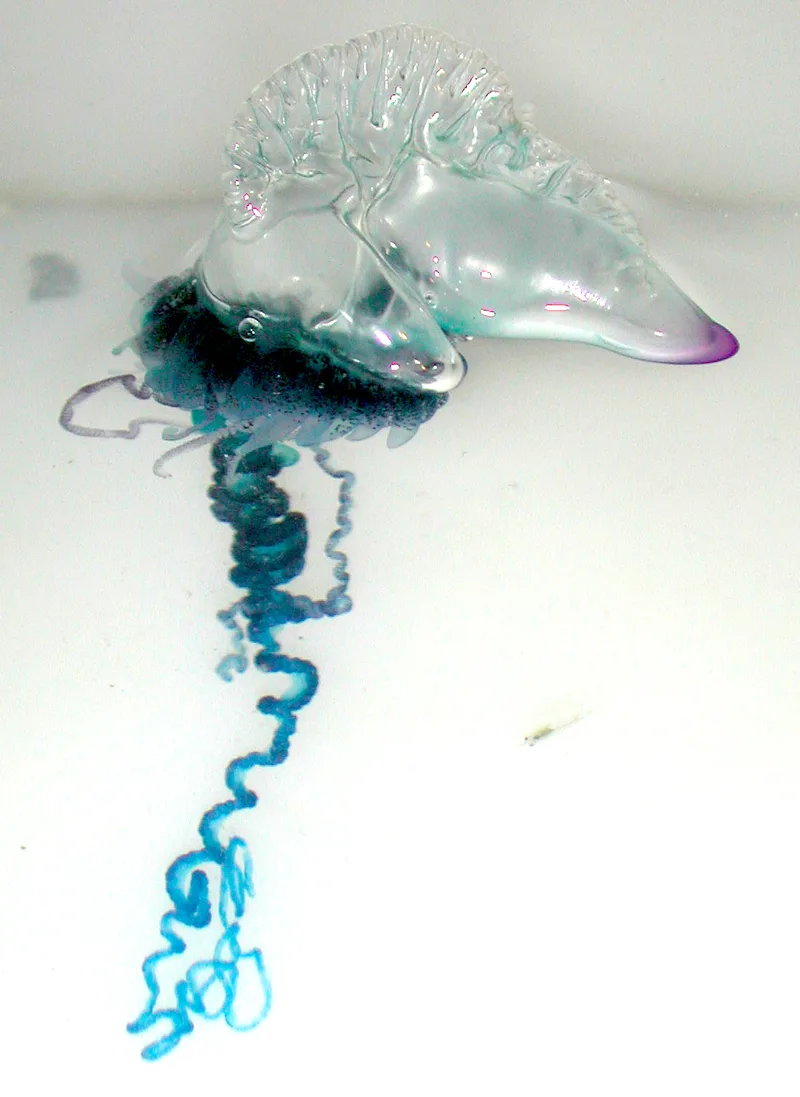
Physalia physalis, the representative described in this account.
At a glance
- Location
- Colonies drift at the surface of warm ocean waters.
- Habitat
- Open ocean, Coast
- Diet
- Carnivore
- Food
- Stinging tentacles capture small fish and other drifting animals.
Classification
- Common name
- Man of War Jellyfish
- Browse group
- Jellyfish and hydrozoans
- Scientific name or taxon
- Physalia physalis
- Taxon rank
- species
- Order
- Siphonophorae
- Family
- Physaliidae
- Genus
- Physalia
- Source classification
- Hydrozoa
Taxonomy checked against GBIF. For breeds and hybrids, this describes the listed parent taxon.
Three things to know
- It is a colony of specialised animals.
- A gas-filled float supports it.
- Tentacles capture small marine prey.
Habitat and range
Colonies drift at the surface of warm ocean waters. Wind and currents determine their movements and sometimes bring them close to shore.
Appearance and adaptations
A gas-filled float rises above the water while long tentacles trail below. Specialised members of the colony perform different jobs, including capturing food, digestion and reproduction.
Diet and behaviour
Stinging tentacles capture small fish and other drifting animals. Feeding structures digest the captured prey. The colony drifts passively rather than swimming under its own power.
Sources
- Animal Diversity Web: Physalia physalis
- A–Z Animals: Man of War Jellyfish · Directory entry
Explore jellyfish and hydrozoans
Browse all jellyfish and hydrozoans
Jellyfish and hydrozoans
Box Jellyfish
Cubozoa
Box jellyfishes are named for their angular bells.
Living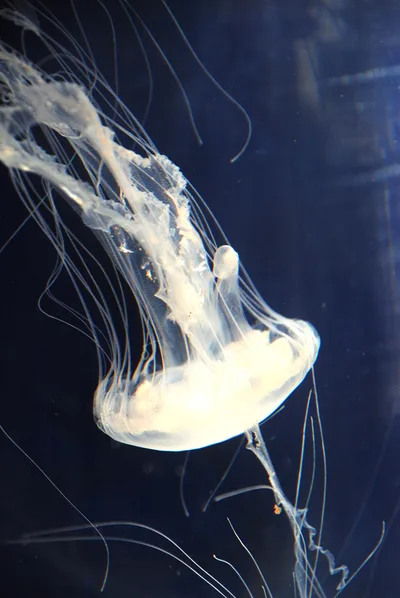
Jellyfish and hydrozoans
Jellyfish
Jellyfish include many drifting cnidarians.
Living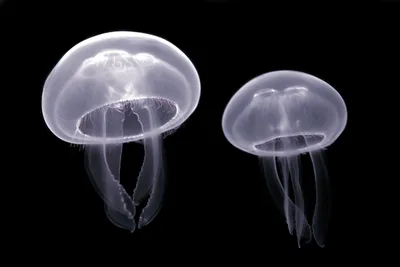
Jellyfish and hydrozoans
Moon Jellyfish
Aurelia aurita
The moon jellyfish has a translucent bell with four conspicuous horseshoe-shaped reproductive structures.
Living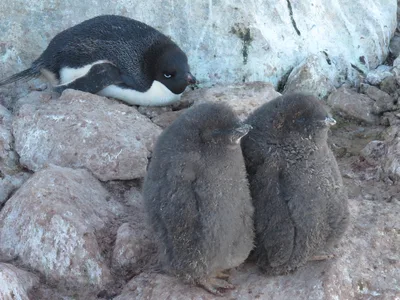 LC
Birds
Adélie penguin
Pygoscelis adeliae
The Adelie penguin is the most widespread penguin of the Antarctic coast.
Living